|
(11) | EP 0 043 848 B1 |

| (12) | EUROPEAN PATENT SPECIFICATION |
|
|
| (54) |
Preparation of moulded objects from injection mouldable amide-imide copolymers Herstellung von Formkörpern aus spritzguBverformbaren Amidimidcopolymeren Préparation d'objets moulés à partir de copolymères amides-imides moulables par injection |
|
|
|||||||||||||||||||||||||||||||
|
||||||||||||||||||||||||||||||||
| Note: Within nine months from the publication of the mention of the grant of the European patent, any person may give notice to the European Patent Office of opposition to the European patent granted. Notice of opposition shall be filed in a written reasoned statement. It shall not be deemed to have been filed until the opposition fee has been paid. (Art. 99(1) European Patent Convention). |
Background of the Invention
Field of the Invention
[0001] The field of the invention relates to the preparation of molded objects by injection molding random linear injection moldable amide-imide copolymers produced by reacting fully or partially acylated aromatic diamines with aromatic tricarboxylic acid anhydrides or mixtures of aromatic tricarboxylic acid anhydrides and aromatic dicarboxylic acids.
Background
[0002] Amide-imide and polyamide polymers and copolymers are a relatively new class or organic compounds known for their solubility in nitrogen containing solvents when in the polyamic acid form. The major application of these amide-imides has been as wire enamels and film formers. This is illustrated in U.S. Patents 3,852,106 (1974), 3,817,942 (1974), 3,661,832 (1972), 3,454,890 (1970) and 3,347,942 (1967). GB-A-570,858 (1945) discloses the general state of the art.
[0003] Polyimide and polyamide-imide polymers have also been found useful for molding applications as shown in U.S. Patents 4,016,140 (1977), 3,654,227 (1972) and 3,573,260 (1971).
[0004] U.S. Patents Nos. 3,817,942, 3,842,026 and 3,654,227 describe polyamide-imides and polyimides, but the products described in these patents are not random linear injection-moldable copolymers. Thus U.S. Patent No. 3,817,942 relates to the production of polymers containing only the structural unit
and these polymers are not injection moldable. Similarly U.S. Patent No. 3,842,026 concerns polyamide-imides which are only partially cured and have an "available weight loss" of 2 to 15% and are molded by sintering and fully curing polymer powder. U.S. Patent No. 3,654,227 relates to the production of generally insoluble and infusible polyimides by curing a low molecular weight prepolymer.
[0005] The general object of this invention is to provide a novel process for the manufacture of articles by injection molding amide-imide copolymers.
[0006] We have discovered that use of melt condensation process in which fully or partially acylated aromatic diamines are reacted with aromatic tricarboxylic anhydrides or mixtures of aromatic tricarboxylic acid anhydrides with aromatic dicarboxylic acids yields engineering plastics suitable for injection molding which feature very high tensile strength and heat distortion temperatures.
[0007] According to the present invention there is provided a process for the preparation of a molded object by injection molding which comprises injection molding a random linear injection moldable amide-imide copolymer produced by forming a reaction mixture from (A) the acylation product produced by reacting one mole of an aromatic diamine or diamine mixture with one to two moles of a C2 to Ca aliphatic monocarboxylic acid or a C4 to C16 aliphatic monocarboxylic anhydride and (B) at least one aromatic tricarboxylic acid anhydride, or a mixture of at least one aromatic dicarboxylic acid and at least one aromatic tricarboxylic acid anhydride in a molar ratio of 9:1 to 1:9 and subjecting said reaction mixture to poly-condensation conditions at a temperature of 65 to 399°C (150 to 750°F) wherein the molar ratio of diamine to anhydride or to acid and anhydride mixture is 0.9:1 to 1.1:1, and wherein the copolymer which is subjected to injection molding has an inherent viscosity (measured at 25°C and 0.5% w/v in N-methylpyrrolidone) of 0.6 to 3.0.
[0008] In the prior art, melt reaction of aromatic tricarboxylic acid anhydride compounds with aromatic diamines have produced products which are not suitable for injection molding application. The reason for this is not known, but it is specified that various side reactions occur. It has now been discovered that when certain fully or partially acylated aromatic diamines are reacted, injection molding grade polyamide-imide copolymers are produced. In our process we usually acylate more than half of the diamines utilized in the reaction. The preferred acylation is about 70 to 100 per cent of the total amine functionality.
[0009] Evidence for linearity of the copolymer to be used in the process of the invention is demonstrated by the solubility of the polymer. Polymers produced from aromatic tricarboxylic acid anhydride compounds such as trimellitic acid anhydride and aromatic diamines via various melt polymerization methods generally show little or no solubility for products having inherent viscosity in excess of 0.5. The copolymer produced according to the process described herein utilizing partially or fully acylated diamines is essentially soluble after curing with inherent viscosities in the range of 0.6 to 3.0. For the purpose of this invention, inherent viscosity is measured at 25°C and 0.5% w/v in N-methylpyrrolidone.
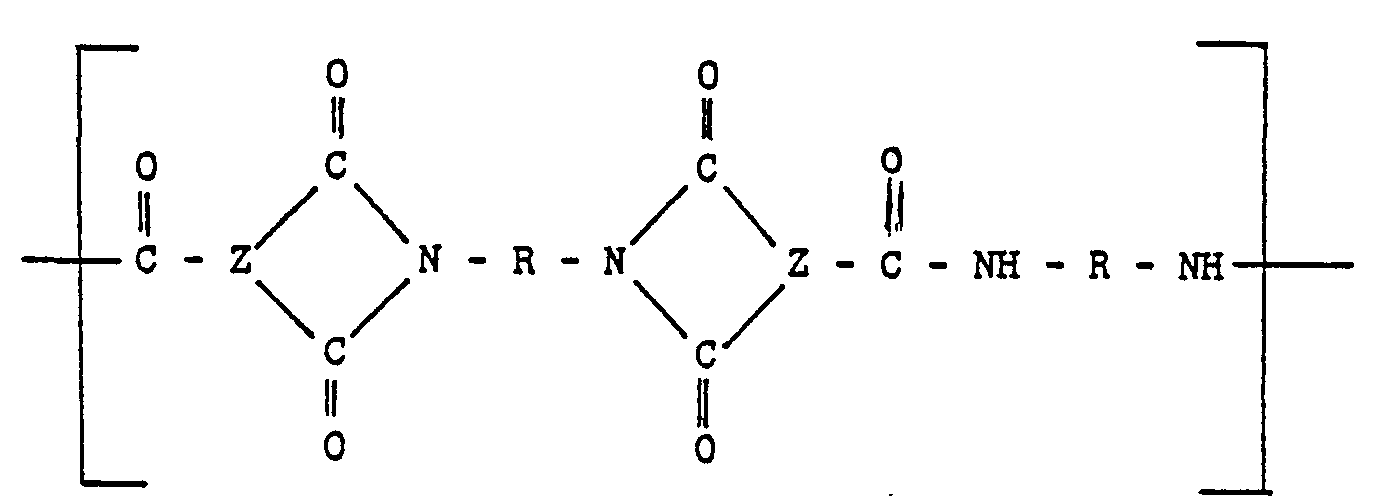
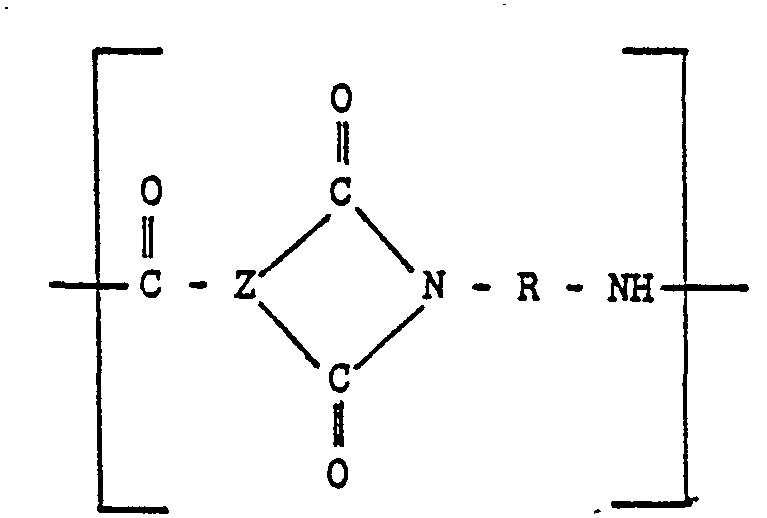
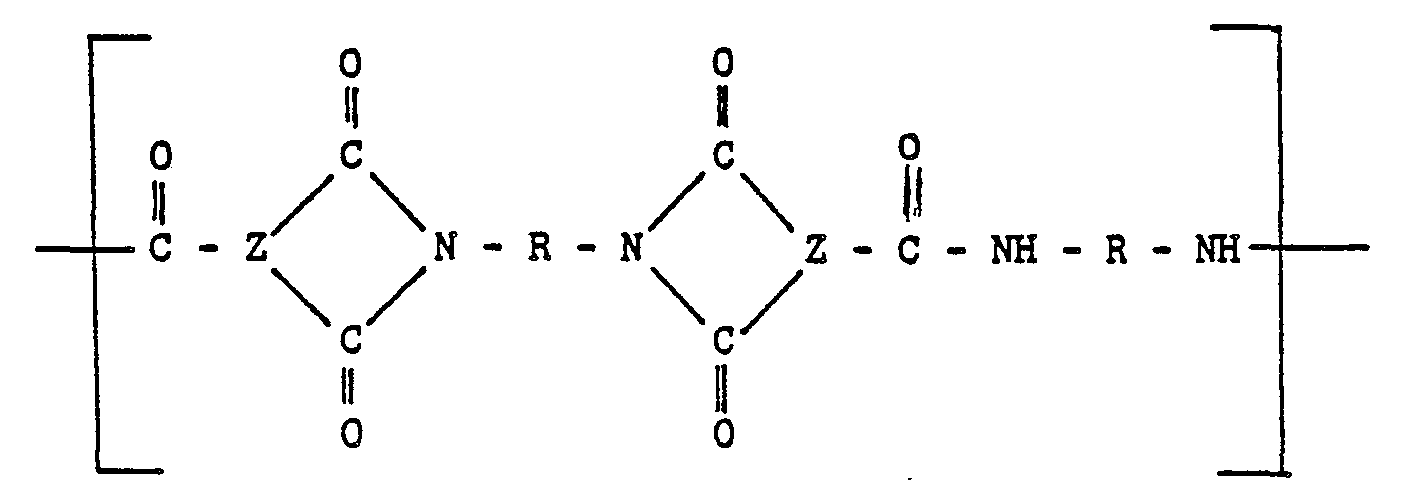
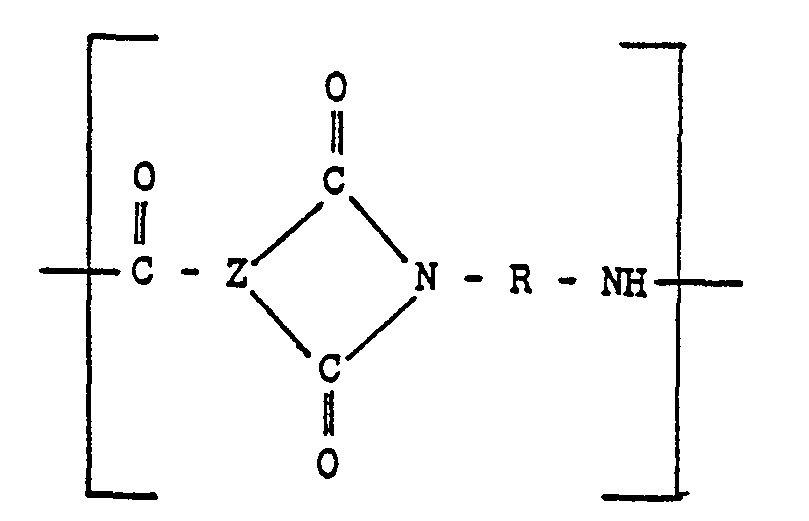
[0010] The injection moldable amorphous random linear polyamide-imide copolymers of this invention can comprise units of:
and units of
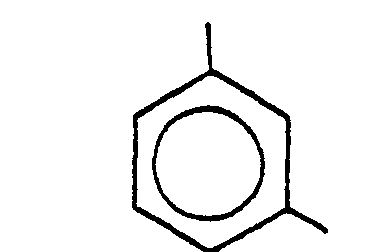
wherein the groups R are the same or different groups R1 and R2 which are divalent aromatic hydrocarbon radicals of from 6 to 20 carbon atoms or two divalent hydrocarbon radicals of from 6 to 20 carbon atoms joined directly or by stable likages selected from the group consisting of -0-, -SO-, methylene, ―CO―, ―SO2―, and ―S― radicals and wherein when R comprises a mixture of R1 and R2 the proportion of R1-containing units to R2-containing units is in the range from 10 mole percent R1 containing units and 90 mole percent R2 containing units to 90 mole percent R1 containing units and 10 mole percent R2 containing units.
[0011] The injection moldable random linear copolymer may also include 10% to 90% of Units (C) of the following formula:
wherein X is a divalent aromatic radical, usually a divalent benzene radical. If structure (C) is present, R of structural Units (A) and (B) can be equal to R1 or comprise both R1 and R2 as set forth above.
[0012] In the foregoing structural units Z is a trivalent aromatic radical. Z may be a trivalent radical of e.g. benzene, naphthalene, biphenyl, diphenyl ether, diphenyl sulfide, diphenyl sulfone, or ditolyl ether.
[0013] Useful aromatic tricarboxylic acid anhydrides which contribute the trivalent radical moiety of Z include those compound containing at least one pair of carboxylic groups in the ortho position which respect to each other or otherwise situated in a fashion which permits the formation of an anhydride structure, one other carboxyl group and from 9 to 21 carbon atoms. Within these limits, these compounds may contain one or more benzenoid rings such as, for instance, trimellitic anhydride and its isomers and multi-ring compounds such as the 1,8-anhydride of 1,3,8-tricarboxylnaphthalene. Usually these compounds contain up to three benzenoid rings.
[0014] The aromatic tricarboxylic acid anhydride used in the process to form the polyamide-imide polymers is of the formula:
where Z is a trivalent aromatic radical defined as set forth herein above. The following aromatic tricarboxylic anhydrides are preferred: trimellitic acid anhydride; 2,3,6-naphthalene tricarboxylic anhydride; 1,5,6-naphthalene tricarboxylic anhydride, and the like; 2,6-dichloronaphthalene-4,5,7-tricarboxylic anhydride, and the like. One of the preferred aromatic tricarboxylic anhydrides is trimellitic anhydride since this compound is readily available and forms polymers having excellent physical properties of tensile strength and elongation and is resistant to high temperatures.
[0015] Suitable fully or partially acylated aromatic diamines useful in applicant's process include fully or partially acylated para- and meta-phenylenediamine, para- and meta-xylenediamine, para-toluenediamine, 2,4-toluenediamine, 2,6-toluenediamine, 3,5-toluenediamine, oxybis(aniline), thiobis(aniline), sulfonylbis(aniline), diaminobenzophenone, methylenebis(aniline), benzidine, 1,5-diaminonaphthalene, oxybis(2-methylaniline) and thiobis(2-methylaniline). Examples of other useful aromatic primary diamines are the following: 2,2'-naphthalene diamine, 2,4'-naphthalene diamine, 2,2'-biphenylene diamine, 3,3'-biphenylene diamine, and 4,4'-biphenylene diamine; 3,3'-dichlorobenzidine and ethylene dianiline (4,4'-diaminodiphenyl ethane); ketodianiline, 3,3'-diaminodiphenyl sulfide, 4,4'-diaminodiphenyl sulfone, 3,3'-diaminodiphenyl sulfone, hexafluoroisopropylidene-bis(4-phenyl amine), 4,4'-diaminodiphenyl methane, 2,6-diaminopyridine, bis-(4-aminophenyl)diethyl silane, bis(4-aminophenyl)ethyl phosphine oxide, bis(4-aminophenyl)-N-phenylamine, bis(4-aminophenyl)-N-methylamine, 3,3'-dimethyl-4,4'-diaminobiphenyl, para-bis(2-methyl-4-aminophenyl)benzene and 3,3'-diaminoadamantane.
[0016] Useful aromatic dicarboxylic acids include isophthalic acid and terephthalic acid. In applicant's process further preparation of injection moldable amide-imide copolymers can be conducted without utilizing a solvent or fluidizing agent though it is preferred to use agents such as N-methylpyrrolidone, dimethylacetamide, or acetic acid for the initial mixing of reactants. In general, since these polymers are linear, they may be easily cured in the melt using a twin screw extruder as the finishing reactor instead of a solid state polymerization. However, in some instances, it may be helpful to solid state polymerize the copolymers. The term "solid state polymerization" refers to chain extension of polymer molecules under conditions where the polymer particles contain their solid form and do not become a fluid mass.
[0017] The solid state polymerizing can be carried out below the melting point of the copolymer and can be conducted in several ways. However, all the techniques require heating the ground or pelletized copolymer below the copolymer melting point, generally 204-316°C (400 to 600°F) while either sparging with an inert gas such as nitrogen or operating under vacuum.
[0018] Injection molding of the novel copolymer is accomplished by injecting the copolymer into a mold preferably maintained at a temperature of 121-260°C (250-500°F). In this process of 0.1-2.0 minutes cycle is used with a barrel temperature of preferably 260―371°C (500°F to 700°F). The injection molding conditions are given in Table I.
[0019] In applicant's process the acylated aromatic diamines are not isolated or purified prior to their further reaction with the tricarboxylic acid anhydride compound or mixture of the tricarboxylic acid anhydride with dicarboxylic acid or with a mixture of isophthalic and terephthalic acid. They are prepared by reacting one to two moles of acetic anhydride or acid or propionic anhydride or acid or any other C2 through C8 containing aliphatic monocarboxylic acid or C4 through C16 containing aliphatic monocarboxylic anhydride and one mole of the appropriate aromatic diamine or diamine mixture. It should be noted that formic anhydride or acids cannot be used to acylate the diamines in this process.
[0020] Suitable acylating agents include acetic anhydride, acid or propionic acid or anhydride, or any other aliphatic monocarboxylic acid or anhydride containing from 2 to 8 carbon atoms per acid, preferably 2 to 4 carbon atoms per acid or 4 to 16 carbon atoms per anhydride, preferably 4 to 8 carbon atoms.
[0021] The following polymer preparation and examples illustrate the preferred embodiments of this invention.
[0022] Polycondensation can suitably be conducted as a continuous process, which process comprises reacting the fully or partially acylated aromatic diamines as defined above wherein at least 50% of the amine functionality is acylated with aromatic tricarboxylic acid anhydrides, or mixtures of aromatic dicarboxylic acids and aromatic tricarboxylic acid anhydrides in a molar ratio of about 9:1 to 1:9 at a temperature of 65-399°C (150 to 750°F) and wherein the molar ratio of the diamines to the anhydride or acid and anhydride mixture is 0.9:1 to 1.1:1.
[0023] Suitably the molded polymers can also be filled from 20 to 60 weight percent with glass fibers, glass beads, mineral fillers or mixtures thereof. Advantageously the aforementioned molding composition may contain from 30 to 50 weight percent of glass fiber, glass beads, mineral fillers or mixtures thereof.
Polymer Preparation 1
[0024] Oxybisaniline (OBA) (280 g), metaphenylenediamine (MPDA) (64.8 g), and 500 ml of N-methylpyrrolidone (NMP) were charged into a 3 liter 3-necked flask equipped with a metal-blade, metal shaft stirrer, pressure equalizing addition funnel with nitrogen inlet, and a distillation take off. After flushing the flask with nitrogen and keeping a slow bleed, acetic anhydride (204 g) was added over 5 min. to this stirred mixture during which time the exothermic acylation raised, the temperature to 79-93°C (175-200°F). Trimellitic anhydride (384 g) was added quickly to this solution. After a short induction period, the TMA dissolved and reacted as evidenced by a further rise in solution temperature to 121°C (250°F). Finally 2 g of trisnonylphenylphosphite was added to the solution. The temperature of the bottom half of the spherical heating mantle surrounding the flask was set to 316°C (600°F), while a Variac connected to the top half was set to 50. After 80 min. of heating, 730 ml of solvent, water, and acetic acid had distilled, during which time an extremely viscous polymer was formed. The polymer was soluble in 60:40 w/w phenol:tetrachloroethane (TCE), NMP, and 100% sulfuric acid. Its inherent viscosity (0.5% w/v in 60:40 w/w phenol:TCE) was 0.23. The polymer was cured under high vacuum overnight at 270°C to give material with an inherent viscosity of 1.36 in 100% sulfuric acid or 0.80 in NMP (0.5% w/v at 25°C). The polymer could be easily compression molded (5 min. at 371°C [700°F]) to produce specimens with a tensile strength of 45 MPa (6,500 psi). Annealing these parts 16 hr. at 232°C (450°F) and 100 hr. at 260°C (500°F) produced specimens (without distortion) having a tensile strength of 96 MPa (14,000 psi).
Example 1
[0025] Fully aromatic TMA:oxybisaniline:metaphenylene diamine (MPDA) (in a molar ratio of 1:0.7:0.3) polyamideimide was prepared according to the procedure set forth in the above Polymer Preparation and the copolymer has an inherent viscosity of 0.35. The copolymer was then solid state polymerized raising the inherent viscosity to 0.80. The resulting copolymer was then injected on the Arburg injection molding equipment using mold temperatures of 210-227°C (410°F to 440°F) and barrel temperatures of 321-338°C (610°F to 640°F) Some of the molded specimens were then annealed for 48 hours at 243°C (470°F) followed by 96 hours at 260°C (500°F). The physical properties of these copolymers are listed in Table II. They had tensile strength of 176-180 MPa (25,600 to 26,100 p.s.i.), elongation of 9.5% and flexural strength of 225-245 MPa (32,600 to 35,600 p.s.i.). After annealing, the copolymer is still soluble up to 90% with very little change in inherent viscosity taking place.
Example 2
[0026] Copolymers were prepared as in Example 1, but polymers with different inherent viscosities were injected to mold a 21.6 cm (8
') long Type I tensile bar. The molding was done on a 283 (10 ounce) Stokes molding machine. These copolymers were easy to anneal and the properties before and after annealing are listed in Table III.
Example 3
Melt preparation of TMA:OBA:MPDA 10:6:4 copolymer
[0027] Oxybisaniline (480 g), metaphenylenediamine (172.8 g) and acetic acid (945 g) was charged into a five- iter three-necked flask equipped with a metal-blade, metal shaft stirrer, pressure equalizing addition funnel vith nitrogen inlet, and a distillation takeoff. After flushing the flask with nitrogen and keeping a slow bleed, acetic anhydride (408 g) was added over two minutes. This was followed by the addition of 768 g of rimellitic anhydride over one minute. The temperature of the bottom half of the spherical heating mantle surrounding the flask was set 385°C (725°F) and the Variac connected to the top half was set at 50. After 86 ninutes approximately 1400 ml of distillate was collected, the polymer was briefly held under low vacuum i7 KPa (20 in Hg) and then cooled under nitrogen. Its inherent viscosity (0.5% w/v in NMP @ 25°C) was 0.24. The polymer was cured under high vacuum 0.1 KPa (0.8 mm Hg) for 16 hr @ 270°C (535°F) increasing its nherent viscosity to 0.75. The physical properties are set forth in Table IV.
[0028] Samples of this copolymer were annealed under different conditions to determine the effect of annealing upon physical properties and dimensional stability of the test specimens. Results of the mechanical property tests are listed in Table V. Annealing cycles are also set forth in Table V.
Example 4
[0029] A copolymer was prepared similar to the procedure set forth in Example 3, but having the molar ratio of TMA:OBA:MPDA of 10:4:6.
[0030] Samples of this copolymer were injection molded and then annealed under different conditions to determine the effect of annealing upon physical properties and dimensional stability of the test specimens. Results of the mechanical property tests are listed in Table VI. Annealing cycles are also set forth in Table VI.
Example 5
Preparation of TMA:OBA:MPDA: 10:6:4
Copolymer Prepared From 90% Acylated Diamines
[0031] A copolymer was prepared similar to the procedure set forth in Example 3 except that 1.8 moles of acetic anhydride per mole of diamine were used such that the diamines would be 90% acylated.
[0032] The copolymer has an inherent viscosity of 0.7. The sample was injection molded and annealed. Its mechanical properties are listed in Table VII.
Polymer Preparation 2
[0033] This illustrates the continuous melt preparation of 10:6:4 TMA:OB:MPDA copolymer using 90% acylated diamines.
[0034] A twenty-five gallon stirred kettle was charged with 18,000 g (90 mole) of oxybisaniline, 6480 g (60 mole) of metaphenylenediamine, and 12 I (12,600 g) of acetic acid. To this stirred mixture under nitrogen was added 27,560 g (270 mole) of acetic anhydride over a period of 12 minutes while the skin of the jacketed kettle was water cooled. During the addition, the temperature of the kettle contents increased from 33°C (91°F) to 121°C (250°F). Trimellitic anhydride, 28,800 g (150 mole) was added to the kettle over a period of 5 minutes during which time the temperature of the contents dropped to 88°C (190°F). This mixture was heated to 116°C (240°F) by passing steam through the kettle's jacket. This mixture was continuously metered at a rate of 13,200 g/hr into an electrically heated (skin temperature 338°C [640°F]) helical anchor stirred reactor. The feed stream into this reactor was maintained at approximately 1033 kPa (150 psi) and the steam was heated to a temperature of 216-229°C (420―440°F). The reactor content was maintained at 2,5000-3,000 g and a melt temperature 302-316°C (575-600°F). Distillate was collected at a rate of 6,300-6,400 g/hr and product was pumped out of the reactor by a gear pump at a rate of 6,750-6,850 g/hr into a water bath. The product polymer had an inherent viscosity of 0.29 in N-methylpyrrolidone at 25°C and 0.5% w/v concentration.
[0035] This polymer was passed through an 8.2 ft. (2,5 m) long Egan twin screw reactor having 3.5 in (9 cm) diameter screws, operating at 26 RPM and a throughput of 30-32 kg/hr (66-70 Ib/hr). The four zone temperature was set at 288, 332, 354 and 338°C (550, 630, 670, and 640°F) and melt temperature indicators in these zones showed temperatures in the range of 316-330, 356-365, 359-369 and 368-384°C (600-626,672-689,679-686, and 695-724°F). The extruder barrel was vented and vacuum was applied. The inherent viscosity of the polymer increased to 0.66 to 0.80 during this operation.
1. A process for the preparation of a molded object by injection molding which comprises
injection molding a random linear injection moldable amide-imide copolymer produced
by forming a reaction mixture from (A) the acylation product produced by reacting
one mole of an aromatic diamine or diamine mixture with one to two moles of a C2 to Ca aliphatic monocarboxylic acid or a C4 to C16 aliphatic monocarboxylic anhydride and (B) at least one aromatic tricarboxylic acid
anhydride, or a mixture of at least one aromatic dicarboxylic acid and at least one
aromatic tricarboxylic acid anhydride in a molar ratio of 9:1 to 1:9 and subjecting
said reaction mixture to poly-condensation conditions at a temperature of 65 to 399°C
(150 to 750°F) wherein the molar ratio of diamine to anhydride or to acid and anhydride
mixture is 0.9:1 to 1.1:1, and wherein the copolymer which is subjected to injection
molding has an inherent viscosity (measured at 25°C and 0.5% w/v in N-methylpyrrolidone)
of 0.6 to 3.0.
2. A process according to Claim 1, wherein the aromatic dicarboxylic acid is isophthalic
acid.
3. A process according to Claim 1 or Claim 2, wherein the tricarboxylic acid anhydride
is trimellitic anhydride.
4. A process according to any preceding claim, wherein 70 to 100 per cent of the total
amine functionality has been acylated.
5. A process according to any preceding claim, wherein the acylated diamines are prepared
from aromatic diamines containing one benzene ring or two benzene rings joined directly
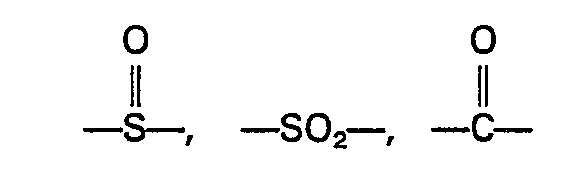
or by stable linkages consisting of ―S―, -0-,
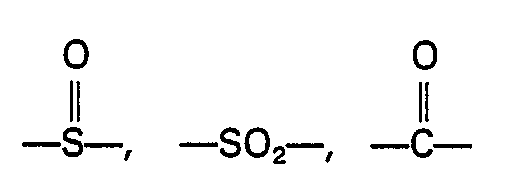
or methylene radicals
or methylene radicals
6. A process according to Claim 5, wherein the acylated diamines are prepared from
oxybisaniline and metaphenylene diamine.
7. A process according to Claim 6, wherein the molar ratio of the oxybisaniline to
the metaphenylene diamine is in the range of 8:2 to 2:8.
8. A process according to any preceding claim wherein said copolymer has been produced
in a continuous process.
9. A process according to Claim 1 wherein the injection moldable random linear polyamide-imide
copolymer comprises units of:
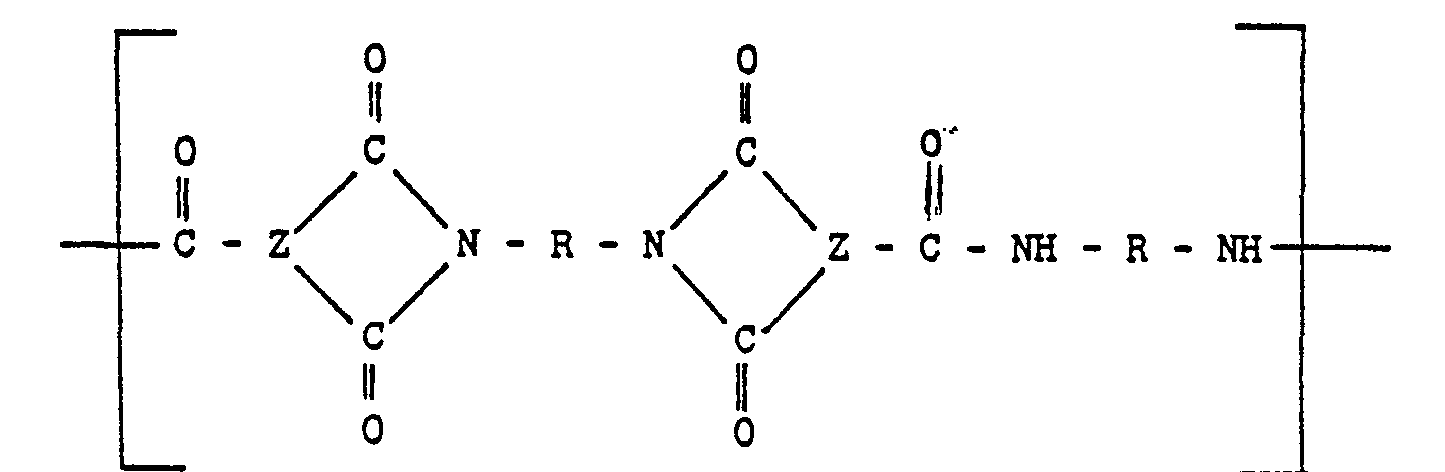
units of
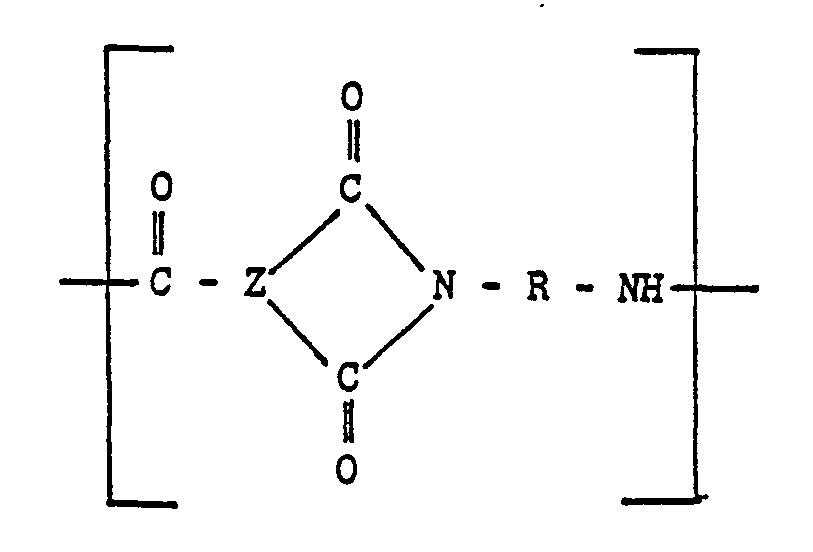
and optionally units-of
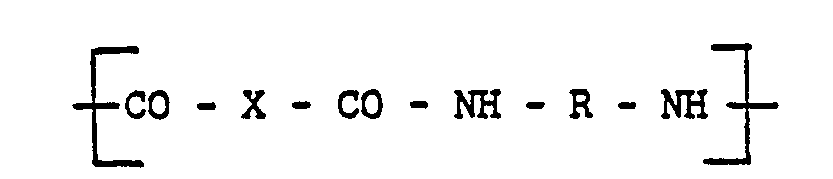
wherein "Z" is a trivalent aromatic radical; the groups R are the same or different groups R1 and R2 which are divalent aromatic hydrocarbon radicals of from 6 to 20 carbon atoms or two divalent hydrocarbon radicals of from 6 to 20 carbon atoms joined directly or by stable linkages selected from the group consisting of -0-, methylene, -CO-, ―SO2―, and -S-radicals and X is a divalent aromatic radical.
units of
and optionally units-of
wherein "Z" is a trivalent aromatic radical; the groups R are the same or different groups R1 and R2 which are divalent aromatic hydrocarbon radicals of from 6 to 20 carbon atoms or two divalent hydrocarbon radicals of from 6 to 20 carbon atoms joined directly or by stable linkages selected from the group consisting of -0-, methylene, -CO-, ―SO2―, and -S-radicals and X is a divalent aromatic radical.
10. A process according to Claim 9 wherein when R comprises a mixture of R1 and R2 the proportion of Ri-containing units to R2-containing units is in the range of 10 mole percent R1-containing units and 90 mole perecent R2-containing units to 90 mole percent R1-containing units and 10 mole percent R2- containing units.
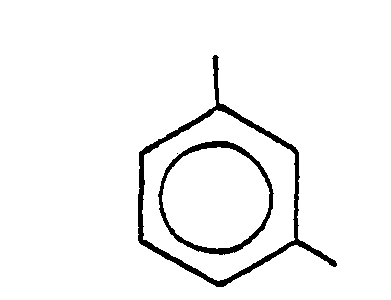
11. A process according to Claim 9 or Claim 10, wherein R1 is
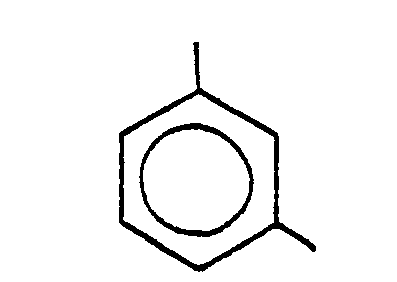
and R2 is
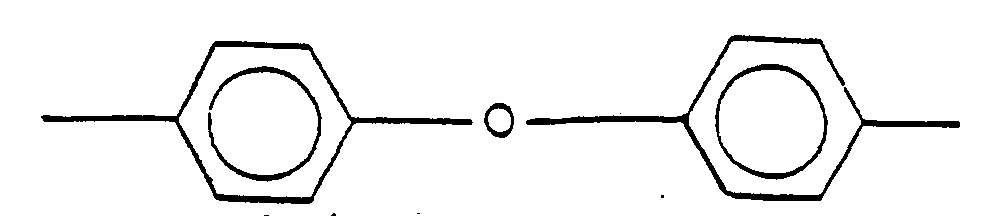
and R2 is
12. A process according to Claim 11, wherein Z is a trivalent benzene ring, and the
proportion of R1- containing units to R2-containing units is in the range from 20 mole percent Ri-containing units and 80 mole percent R2-containing units to 80 mole percent Ri-containing units and 20 mole percent R2-containing units.
13. A process according to Claim 12, wherein the proportion of Ri-containing units to R2-containing units is in the range from 40 mole percent R1-containing units and 60 mole percent R2-containing units to 60 mole percent Ri-containing units and 40 mole percent R2-containing units.
14. A process according to any of Claims 9 to 13, wherein X is
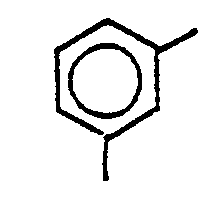
und R1 ist
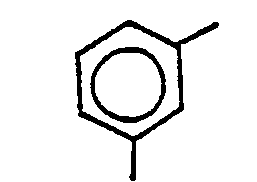
und R1 ist
15. A process according to any one of Claims 1 to 14, wherein said molded object contains
from 20 to 60 weight per cent of glass fibers, glass beads, mineral fillers or a mixture
thereof.
1. Verfahren zur Herstellung eines geformten Gegenstands durch Spritzgießen, dadurch
gekennzeichnet, daß ein willkürliches lineares spritzgießbares Amid-Imid-Copolymerisat
einem Spritzgießverfahren unterzogen wird, das hergestellt worden ist durch Bildung
eines Reaktionsgemisches aus (A) dem Acylierungsprodukt aus einer Umsetzung von einem
Mol eines aromatischen Diamins oder eines Gemisches von aromatischen Diaminen mit
ein oder zwei Mol einer aliphatischen C2- bis Ca-Monocarbonsäure oder eines aliphatischen C4- bis C16-Monocarbonsäureanhydrids und (B) wenigstens einem aromatischen Tricarbonsäureanhydrid
oder einem Gemisch von wenigstens einer aromatischen Dicarbonsäure und wenigstens
einem aromatischen Tricarbonsäureanhydrid in einem Molverhältnis von 9:1 bis 1:9 und
durch Polykondensation dieses Reaktionsgemisches bei einer Temperatur von 65 bis 399°C
(150 bis 750°F), wobei das Molverhältnis von Diamin zum Anhydrid oder zur Säure und
dem Anhydridgemisch von 0,9:1 bis 1,1:1 reicht und das dem Spritzgießverfahren zu
unterziehende Copolymerisat eine inhärente Viskosität (gemessen bei 25°C an einer
0,5%-igen (Gewicht/Volumen) Lösung in N-Methylpyrrolidon) vn 0,6 bis 3,0 aufweist.
2. Verfahren nach Anspruch 1, dadurch gekennzeichnet, daß die aromatische Dicarbonsäure
Isophthalsäure ist.
3. Verfahren nach Anspruch 1 oder 2, dadurch gekennzeichnet, daß das Tricarbonsäureanhydrid
Trimellitsäureanhydrid ist.
4. Verfahren nach einem der vorhergehende Ansprüche, dadurch gekennzeichnet, daß 70
bis 100% der gesamten Aminfunktionen acyliert worden sind.
5. Verfahren nach einem der vorhergehenden Ansprüche, dadurch gekennzeichnet, daß
die acylierten Diamine aus aromatischen Diaminen hergestellt werden, welche einen
Benzolring oder zwei Benzolringe enthalten, die direkt oder durch stabile Brücken
miteinander verbunden sind, welche aus den Gruppen ―S―. ―O―,
oder Methylen bestehen.
oder Methylen bestehen.
6. Verfahren nach Anspruch 5, dadurch gekennzeichnet, daß die acylierten Diamine aus
Oxybisanilin und m-Phenylendiamin hergestellt werden.
7. Verfahren nach Anspruch 6, dadurch gekennzeichnet, daß das Molverhältnis aus dem
Oxybisanilin und dem m-Phenylendiamin im Bereich von 8:2 bis 2:8 liegt.
8. Verfahren nach einem der vorhergehenden Ansprüche, dadurch gekennzeichnet, daß
das Copolymerisat durch ein kontinuierliches Verfahren hergestellt worden ist.
9. Verfahren nach Anspruch 1, dadurch gekennzeichnet, daß das spritzgießbare willkürliche
lineare Polyamid-Imid-Copolymerist Einheiten der Formel
Eineheiten der Formel
und gegebenenfalls Einheiten der Formel

enthält, worin Z ein dreiwertiger aromatischer Rest ist, die Gruppen R gleich oder unterschiedliche Gruppen R1 und R2 sind, welche zweiwertige aromatische Kohlenwasserstoffreste mit 6 bis 20 Kohlenstoffatomen oder zwei zweiwertige Kohlenwasserstoffreste mit 6 bis 20 Kohlenstoffatomen darstellen, die direkt oder durch stabile Brücken miteinander Verbunden sind, bie denen es sich im Reste von -0-, Methylen, -CO-, ―SO2― und/oder―S― handelt, und X ein zweiwertiger aromatischer Rest ist.
Eineheiten der Formel
und gegebenenfalls Einheiten der Formel
enthält, worin Z ein dreiwertiger aromatischer Rest ist, die Gruppen R gleich oder unterschiedliche Gruppen R1 und R2 sind, welche zweiwertige aromatische Kohlenwasserstoffreste mit 6 bis 20 Kohlenstoffatomen oder zwei zweiwertige Kohlenwasserstoffreste mit 6 bis 20 Kohlenstoffatomen darstellen, die direkt oder durch stabile Brücken miteinander Verbunden sind, bie denen es sich im Reste von -0-, Methylen, -CO-, ―SO2― und/oder―S― handelt, und X ein zweiwertiger aromatischer Rest ist.
10. Verfahren nach Anspruch 9, dadurch gekennzeichnet, daß R ein Gemischen von R1 und R2 darstellt, in welchem das Verhältnis aus den Reste R1 enthaltenden Einheiten und den Reste R2 enthaltenden Einenheiten im Bereich von 10 Molprozent Reste R1 enthaltenden Einheiten und 90 Molprozent Reste R2 enthaltenden Eineheiten bis zu 90 Molprozent Reste R1 enthaltenden Einheiten und 10 Mol prozent Reste R2 enthaltenden Einheiten liegt.
11. Verfahren nach Anspruch 9 oder 10, dadurch gekennzeichnet, daß R1 den Rest
bedeutet und R2 für den Rest
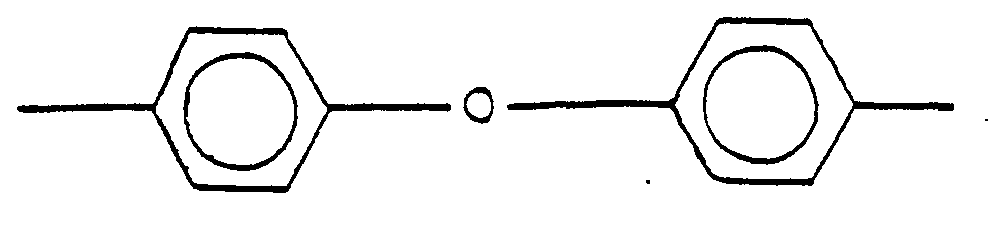
steht.
bedeutet und R2 für den Rest
steht.
12. Verfahren nach Anspruch 11, dadurch gekennzeichnet, daß Z ein dreiwertiger Benzolring
ist und das Verhältnis aus den R1 enthaltenden Einheiten zu den R2 enthaltenden Einheiten im Bereich von 20 Molprozent R1 enthaltenden Einheiten und 80 Molprozent R2 enthaltenden Einheiten bis zu 80 Molprozent R1 enthaltenden Einheiten und 20 Molprozent R2 enthaltenden Einheiten liegt.
13. Verfahren nach Anspruch 12, dadurch gekennzeichnet, daß das Verhältnis aus den
R1 enthaltenden Einheiten zu den R2 enthaltenden Einheiten im Bereich von 40 Molprozent R1 enthaltenden und 60 Molprozent R2 enthaltenden Einheiten bis zu 60 Molprozent R1 enthaltenden Einheiten und 40 Molprozent R2 enthaltenden Einheiten liegt.
14. Verfahren nach einem der Ansprüche 9 bis 13, dadurch gekennzeichnet, daß X den
Rest
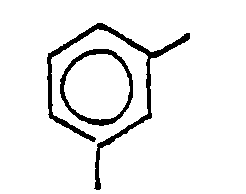
bedeutet und R1 für den Rest
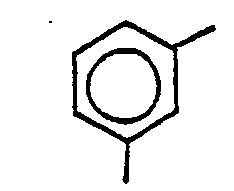
steht.
bedeutet und R1 für den Rest
steht.
15. Verfahren nach einem der Ansprüche 1 bis 14, dadurch gekennzeichnet, daß der geformte
Gegenstand 20 bis 60 Gewichtsprozent Glasfasern, Glasperlen, Mineralfasern oder ein
Gemisch hiervon enthält.
1. Procédé pour la préparation d'un objet moulé par moulage par injection, qui comprend
le moulage par injection d'un copolymère amide-imide moulable par injection, linéaire,
aléatoire produit en formant un mélange réactionnel de (A) le produit d'acylation
produit par réaction d'un mole d'une diamine aromatique ou d'un mélange de diamines
avec une à deux moles d'un acide monocarboxylique aliphatique en C2 à Ca ou d'une anhydride monocarbonxylique aliphatique en C4 à C16 et de (B).au moins un anhydride d'acide tricarboxylique aromatique, ou un mélange
d'au moins un acide dicarboxylique aromatique et d'au moins un anhydride d'acide tricarboxylique
aromatique dans un rapport molaire de 9:1 à 1:9 et la soumission dudit mélange réactionnel
à des conditions de polycondensation à une température de 65 à 399°C (150 à 750°F),
le rapport molaire de la diamine à l'anhydride ou au mélange d'acide et d'anhydride
étant de 0,9:1 à 1,1:1, et le copolymère soumis au moulage par injection ayant une
viscosité inhérente (mesurée à 25°C et à 0,5% en poids/volume dans la N-méthylpyrrolidone)
de 0,6 à 3,0.
2. Procédé selon la revendication 1, dans lequel l'acide dicarboxylique aromatique
est l'acide iso- phtalique.
3. Procédé selon la revendication 1 ou la revendication 2, dans lequel l'anhydride
d'acide tricarboxylique est l'anhydride trimellitique.
4. Procédé selon l'une quelconque des revendications précédentes, dans lequel 70 à
100 pour cent de la fonctionalité amine totale ont été acylés.
5. Procédé selon l'une quelconque des revendications précédentes, dans lequel les
diamines acylées sont préparées à partir de diamines aromatique contenant un cycle
benzène ou deux cycles benzène joints directement ou par des liaisons stables constituées
par des radicaux -S-, ―O―,
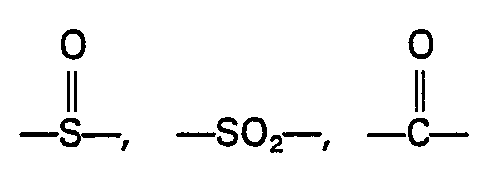
ou méthylène.
ou méthylène.
6. Procédé selon la revendication 5, dans lequel les diamines acylées sont préparées
à partir d'oxybisaniline et de métaphénylènediamine.
7. Procédé selon la revendication 6, dans lequel le rapport molaire de l'oxybisaniline
à la métaphénylènediamine est dans la gamme de 8:2 à 2:8.
8. Procédé selon l'une quelconque des revendications précédentes, dans lequel ledit
copolymère a été produit dans un procédé en continu.
9. Procédé selon la revendication 1, dans lequel le copolymère polyamide-imide, linéaire,
aléatoire, moulable par injection comprend des unités du type:
et des unités du type
et éventuellement des unités du type
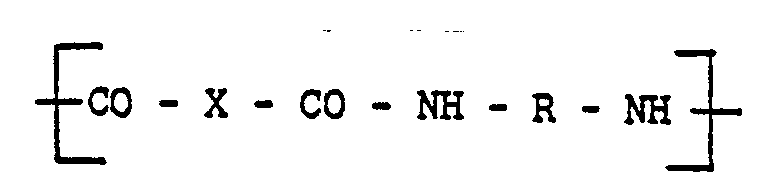
où "Z" est un radical aromatique trivalent; les groupes R sont les groupes R1 et R2 identiques ou différents, qui sont des radicaux hydrocarbonés aromatiques bivalents ayant 6 à 20 atomes de carbone ou deux radicaux hydrocarbonés bivalents ayant 6 à 20 atomes de carbone, joints directement ou par des liaisons stables choisies dans le groupe constitué par les radicaux-O-, méthytène,―CO―, ―SO2― et―S― et X est un radical aromatique bivalent.
et des unités du type
et éventuellement des unités du type
où "Z" est un radical aromatique trivalent; les groupes R sont les groupes R1 et R2 identiques ou différents, qui sont des radicaux hydrocarbonés aromatiques bivalents ayant 6 à 20 atomes de carbone ou deux radicaux hydrocarbonés bivalents ayant 6 à 20 atomes de carbone, joints directement ou par des liaisons stables choisies dans le groupe constitué par les radicaux-O-, méthytène,―CO―, ―SO2― et―S― et X est un radical aromatique bivalent.
10. Procédé selon la revendication 9, dans lequel lorsque R comprend un mélange de
R1 et de R2, la proportion d'unités contenant R1 aux unités contenant R2 est dans la gamme de 10 moles pour cent d'unités contenant R1 et de 90 moles pour cent d'unités contenant R2 à 90 moles pour cent d'unités contenant R1 et 10 moles pour cent d'unités contenant R2.
11. Procédé selon la revendication 9 ou la revendication 10, dans lequel R1 est
et R2 est
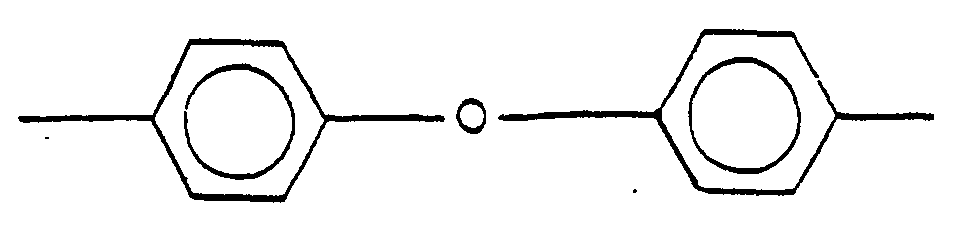
et R2 est
12. Procédé selon la revendication 11, dans lequel Z est un cycle benzéne trivalent,
et la proportion d'unités contenant R1 aux unités contenant R2 est dans la gamme de 20 moles pour cent d'unités contenant R1 et 80 moles pour cent d'unités contenant R2 à 80 moles pour cent d'unités contenant R1 et 20 moles pour cent d'unités contenant R2.
13. Procédé selon la revendication 12, dans lequel la proportion d'unités contenant
R1 aux unités contenant R2 est dans la gamme de 40 moles pour cent d'unités contenant R1 et 60 moles pour cent d'unités contenant R2 à 60 moles pour cent d'unités contenant R1 et 40 moles pour cent d'unités contenant R2.
14. Procédé selon l'une quelconque des revendications 9 à 13, dand lequel X est
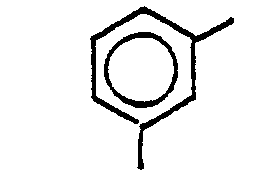
et R1 est
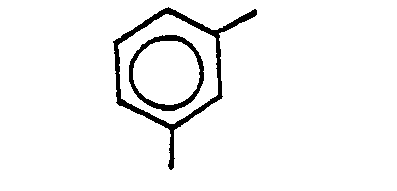
et R1 est
15. Procédé selon l'une quelconque des revendications 1 à 14, dans lequel ledit objet
moulé contient de 20 à 60 pour cent en poids de fibres de verre, de billes de verre,
d'agents de remplissage minéraux ou d'un mélange de ceux-ci.