| (19) |
 |
|
(11) |
EP 0 053 087 B1 |
| (12) |
EUROPEAN PATENT SPECIFICATION |
| (45) |
Mention of the grant of the patent: |
|
16.05.1984 Bulletin 1984/20 |
| (22) |
Date of filing: 17.11.1981 |
|
|
| (54) |
Improved wire drawing die and method of making the same
Drahtziehmatrize und Verfahren zu deren Herstellung
Filière pour l'étirage de fils et son procédé de fabrication
|
| (84) |
Designated Contracting States: |
|
BE DE FR GB IT NL SE |
| (30) |
Priority: |
19.11.1980 US 208198
|
| (43) |
Date of publication of application: |
|
02.06.1982 Bulletin 1982/22 |
| (71) |
Applicant: FORT WAYNE WIRE DIE, INC. |
|
Fort Wayne, Indiana 46809 (US) |
|
| (72) |
Inventor: |
|
- Carson, Charles
Fort Wayne
Indiana 46815 (US)
|
| (74) |
Representative: Schmitz, Jean-Marie et al |
|
Dennemeyer & Associates Sàrl
P.O. Box 1502
1015 Luxembourg
1015 Luxembourg (LU) |
|
| |
|
| Note: Within nine months from the publication of the mention of the grant of the European
patent, any person may give notice to the European Patent Office of opposition to
the European patent
granted. Notice of opposition shall be filed in a written reasoned statement. It shall
not be deemed to
have been filed until the opposition fee has been paid. (Art. 99(1) European Patent
Convention).
|
[0001] This invention concerns a wire drawing die comprising: a metal casing having front
and back sides, said front casing side having a cylindrical cavity formed therein
with a bottom spaced from said back casing side; a cylindrical metal plug closely
fitted in said casing cavity and having opposite ends, one of said plug ends facing
and being spaced from said casing cavity bottom thereby defining a chamber; an irregular
shaped die element in said chamber, a body of solidified metal filling said chamber
and encapsulating said die element and securing said plug in said chamber, said back
side of said casing having a countersunk opening extending therethrough to said die
element, the other end of said plug having a countersunk opening extending therethrough
and through said metal body to said die element, said die element having a die opening
therethrough communicating between said countersunk openings. openings.
[0002] The invention also concerns method of making the wire drawing die with a die element
of irregular shape, comprising the steps of providing a metal die casing having front
and back sides and forming a cylindrical cavity in said front casing side having a
bottom spaced from said back casing side, placing the irregular shaped die element
concentrically in said bottom thereof, depositing a layer of metal powder in said
cavity covering said die element, providing a cylindrical metal plug having opposite
ends and an outside diameter proportioned to have a close fit with said cavity, inserting
said plug in said cavity with said one end thereof defining a chamber with said cavity
bottom and the die element positioned therein, securing said die element in said chamber
in applying pressure to the other end of said plug thereby to compress said metal
powder layer, simultaneously heating said casing and plug for a time and at a temperature
sufficient to at least partially melt said powder to form a body of consolidated metal
filling said chamber and encapsulating said die element, and terminating said heating
and pressure and cooling said casing and plug to solidify said metal body.
[0003] Wire drawing dies employing natural or man- made diamonds have been manufactured
for many years, typically comprising a metal casing in which the diamond is mounted,
the casing being adapted to be mounted in a wire drawing machine. US - A - 4 129 052
assigned to the assignee of the present application discloses a method of making a
wire drawing die employing a synthetic hard, wear-resistant material such as a polycrystalline
aggregate of synthetic diamond sold by the General Electric Company under the trademark
Compax. In accordance with the method disclosed in that patent, a metal casing is
provided having a flat-bottomed cavity machined therein, the side wall of the cavity
adjacent the bottom being undercut. A first layer of metal powder is deposited in
the casing covering the bottom and a metal blank having a core formed of synthetic
hard, wear-resistant material is placed on the first layer with the core concentric
with the cavity. A second layer of metal powder is deposited in the cavity covering
the first layer and blank. A cylindrical plug is provided having a close fit with
the casing cavity, one end of the plug having a cylindrical cavity formed therein.
The plug is inserted in the casing cavity with the plug cavity facing the second metal
powder layer, pressure is applied to the plug to compress the metal powder layer,
and the casing and the plug are heated for a time and at a temperature sufficient
partially to melt the metal powder thus forming a body of consolidated metal which
encapsulates the blank. The casing is then cooled to solidify the metal body thereby
to secure the blank and plug in the casing cavity. Countersunk openings are formed
in the casing and the plug respectively extending to the core, and a die opening is
drilled through the core communicating between the countersunk openings.
[0004] Some of the General Electric Compax die blanks have an irregular shape, such as the
segment of a circle configuration shown in the aforesaid U.S. Patent No. 4,129,052,
and accurately centering such irregularly shaped die blanks in the casing cavity has
been difficult and time consuming, and thus costly. It is therefore desirable to provide
a method for quickly and precisely locating and mounting irregularly-shaped die elements,
including synthetic, hard, wear-resistant material and natural diamond, in the cavity
of a die casing.
[0005] In accordance with the method of the invention, in its broader aspects, a circular
metal plate is provided and a die element is centered with respect to the plate and
adhered thereto. A metal die casing is provided having front and back sides and a
cylindrical cavity is formed in the front casing side having a bottom spaced from
the back casing side. The plate is concentrically placed in the cavity on the bottom
thereof with the die facing the front casing side. A cylindrical metal plug is provided
having opposite ends and an outside diameter proportioned to have a close fit with
the casing cavity. The plug is inserted in the cavity with one end thereof defining
a chamber with the cavity bottom with the plate and die element disposed therein.
The plate and die element are secured in the chamber following which countersunk openings
may be formed in the back casing side on the other end of the plug which respectively
extend to the die element, and a die opening may be drilled through the die element
communicating between the countersunk openings.
[0006] According to the invention, the casing cavity is proportioned to accommodate the
plate with a close fit and a layer of metal powder is deposited in the cavity covering
the plate and the die element. Pressure is applied to the other end of the plug thereby
to compress the metal powder layer. The casing and plug are simultaneously heated
for a time and at a temperature sufficient partially to melt the powder to form a
body of consolidated metal filling the chamber and encapsulating the die element,
the casing and plug thereafter may be cooled under pressure to solidify and further
consolidate the metal body.
[0007] In accordance with the invention, the die element comprises an irregularly-shaped
blank which may have a cylindrical core formed of synthetic, hard, wear-resistant
material, the metal plate may have a central opening therein with a diameter smaller
than the diameter of the core, and the core may be visually centered with rspect to
the opening in the plate prior to adhering the blank thereto to form a die blank-plate
assembly. An undercut may be formed in the bottom of the cavity adjacent the side
wall and the plug has a cavity in its one end which may have a diameter greater than
the maximum transverse dimension of the die blank and a thickness at least equal to
the thickness of the die blank. Further, discs of brazing material may be placed on
the bottom of the casing cavity with the blank-plate assembly and metal powder may
be placed thereover. Another disc of brazing material may be placed over the metal
powder.
[0008] It is accordingly an object of the invention to provide an improved wire drawing
die incorporating any irregularly-shaped die element. The wire drawing die according
to the invention is characterized by a circular metal plate closely fitted in said
chamber and having opposite sides, one of said plate sides being seated on said cavity
bottom; said die element in said chamber being centered on the other side of said
plate and adhering thereto; said plate and die element being secured in said chamber
by said metal body.
[0009] It is another object of the invention to provide an improved method of making a wire
drawing die incorporating an irregularly-shaped die element.
[0010] The method according to the present invention is characterized in that for centering
the irregular shaped die element a circular metal plate is provided, the die element
is centered with respect to said plate and is adhered thereto to form a die element-plate
assembly which is then placed concentrically in said cavity, proportioned to accommodate
said plate with a close fit, of said metal die casing before depositing the metal
powder and before applying pressure and heated for securing said plate and die element
assembly in said chamber.
[0011] The above-mentioned and other features and objects of this invention and the manner
of attaining them will become more apparent and the invention itself will be best
understood by reference to the following description of an embodiment of the invention
taken in conjunc-' tion with the accompanying drawings.
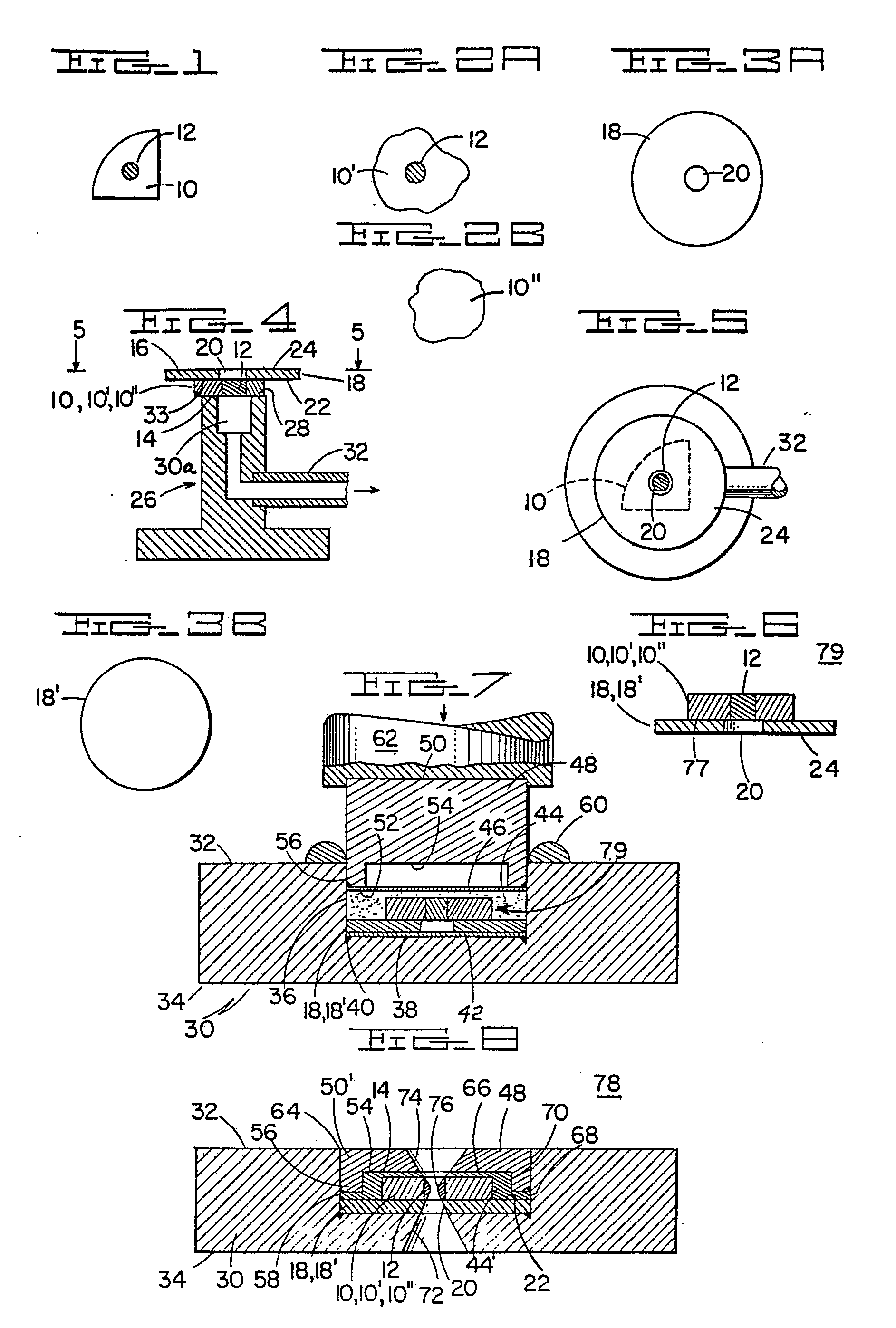
Figure 1 is a top view of a typical General Electric Compax die blank segment which
may be employed in the method and product of the invention;
Figures 2A and 2B are top views of other irregularly-shaped die blanks which may be
employed;
Figures 3A and 3B are top views of centering plates employed in the method and product
of the invention;
Figure 4 is a side, cross-sectional view showing the preferred procedure for centering
the die blank of Figure 1 with respect to the centering plate of Figure 3A;
Figure 5 is a top view taken generally along the line 5-5 of Figure 4;
Figure 6 is a cross-sectional view of the completed die blank-plate assembly;
Figure 7 is a cross-sectional view further illustrating the method of the invention;
and
Figure 8 is a cross-sectional view showing the finished wire drawing die of the invention.
[0012] Referring now to Figure 1, there is shown a typical General Electric Compax blank
10 having a segment shape and a cylindrical core 12 formed of synthetic hard, wear-resistant
material, such as a polycrystalline aggregate of synthetic diamond. Blank 10 is preferably
formed of tungsten carbide and has flat opposite sides 14, 16, as shown in Figure
4. Figure 2A shows another irregularly-shaped die blank 10' having core 12 formed
of synthetic, hard, wear-resistant material. As shown in Figure 2B, blank 10" may
be entirely a natural diamond or any other single or multi-layered hard, wear-resistant
material with either a geometric or an irregular shape rather than the shape of blank
10. It will also be understood that core 12 may be a natural diamond or any other
hard, wear-resistant material suitable for wire drawing applications, and that the
material surrounding the core may be any other material suitable for supporting the
core.
[0013] Referring now to Figure 3A, there is shown circular centering plate 18 preferably
having central opening 20 with an inside diameter slightly larger than the outside
diameter of core 12. Central opening 20 may be eliminated, as shown in Figure 3B.
Centering plate 18 has flat opposite sides 22, 24, as shown in Figure 4. In a physical
embodiment of the invention, the inside diameter of central opening 20 of plate 18
was about 0.05 mm larger than the outside diameter of core 12.
[0014] Referring now to Figure 4, vacuum holding fixture 26 is shown having flat surface
28 with vacuum passage 30a communicating therewith, vacuum line 32 adapted to be connected
to a vacuum source (not shown) being coupled to vacuum passage 30a, as shown.
[0015] In the preferred embodiment of the method of the invention, die blank 10, 10', 10"
has its side 14 placed on surface 28 of vacuum holding fixture 26. Drops of a quick
drying adhesive 33, such as a cyanoacrylate, are placed on the outer corners of side
16 of die blank 10, 10', 10" care being taken to avoid placing the adhesive on core
12 of blank 10, 10'. Centering plate 18 is then manually held over die blank 10, 10'
with core 12 being viewed through a Jow-power magnifier, and centering plate 18 is
then manually manipulated until core 12 is observed to be centrally located within
center opening 20, i.e., with the periphery of core 12 appearing to be equally spaced
around the interior of center opening 20, as shown in Figure 5. Gentle pressure is
then applied to centering plate 18 so that side 22 engages the adhesive on side 16
of die blank 10, 10', 10", the pressure being maintained for a few seconds in order
to set the adhesive. The assembly of centering plate 18 and die blank 10, 10' is then
removed from vacuum holding fixture 26 to form die blank-plate assembly 79, as shown
in Figure 6. It has been found in practice that completed die blank-plate assemblies,
as shown in Figure 6, can be produced at a rate of about six per minute with a centering
accuracy greater than plus or minus 0.025 mm.
[0016] Referring now to Figure 7, cylindrical metal casing 30 is provided preferably, but
not necessarily, formed of stainless steel. Casing 30 has flat, parallel, front and
back sides 32, 34. Cylindrical cavity 36 is formed in front side 32 of casing 30 and
has flat bottom 38 spaced from and parallel with back side 34. Bottom 38 of cavity
36 is undercut adjacent the side wall of cavity 36, as at 40. The inside diameter
of cavity 36 is proportioned with respect to the outside diameter of centering plate
18, 18' so as to provide a close fit of centering plate 18, 18' in cavity 36. In a
physical embodiment, the inside diameter of cavity 36 was about 0.05 mm larger than
the outside diameter of centering plate 18.
[0017] Disc 42 of suitable brazing material is then paced on bottom 38 of cavity 36. A brazing
alloy supplied as EF-45 by the Handy and Harmon Company, having forty-five percent
silver, fifteen percent copper, sixteen percent zinc and twenty-four percent cadmium
has been found to be suitable. In a physical embodiment, disc 42 was 0.127 mm thick
with an outside diameter about 0.127 mm smaller than the inside diameter of cavity
36. Die blank-plate assembly 79 is then positioned in casing cavity 36 with its side
24 engaging bottom 38 and die blank 10, 10', 10" facing cavity 36, as shown in Figure
7; however, assembly 79 may be reversed so die blank 10, 10', 10" faces bottom 38
of cavity 36.
[0018] Layer 44 of powdered metal is then deposited in cavity 36 covering die blank-plate
assembly 79. In a specific embodiment, powdered metal 44 consisted of a mixture of
forty percent copper, forty percent nickel and twenty percent brazing alloy powder
similar to that employed for brazing disc 42. Another brazing disc 46, substantially
identical to brazing disc 42, is then placed over layer 44 of powdered metal.
[0019] Cylindrical metal plug 48 is provided having top and bottom ends 50, 52. Plug 48
has cylindrical cavity 54 formed in its bottom end 52, the inside diameter of cavity
54 being greater than the maximum transverse dimension of die blank 10, 10', 10" and
preferably at least substantially equal in depth to the thickness of die blank 10,
10', 10". The outside diameter of plug 48 is proportioned to have a close fit with
cavity 36. In a physical embodiment, the outside diameter of plug 48 was 0.05 mm smaller
than the inside diameter of cavity 36. Cavity 54 defines annular flange 56. Cavity
54 is provided in order to provide greater consolidation of powdered metal 44 in space
58 between an annular flange 56 and side 22 of centering plate 18, 18' after assembly
of the die, as shown in Figure 7, which aids in more securely locking die blank 10,
10', 10" and plug 48 in the completed assembly. It will be understood, however, that
plug cavity 54 may be eliminated, if desired, in which case, the locking effect may
be reduced. Plug 48 is preferably formed of stainless steel; however, other metals
can be employed for casing 30 and plug 48 as long as they are compatible with and
will bond to the brazing alloy employed for brazing discs 42, 46.
[0020] Ring 60 of flux is then applied on front side 32 of casing 30 around plug 48. Flux
type DB supplied by Handy and Harmon Company has been found to be suitable.
[0021] Pressure is then applied to end 50 of plug 48, as by ram 62 and simultaneously casing
32 and plug 48 are heated, as by induction heating, for a time and at a temperature
sufficient to melt the brazing alloy component of powdered metal 44 and both brazing
discs 42, 46. In a specific embodiment of the invention, a force about 454 Kg was
applied to plug 48 and a temperature of about 705°C was employed. Substantially higher
temperatures and forces can result in damage to die blank 10, 10', 10".
[0022] Following the heating of casing 30 and plug 48, approximately one-half minute of
time in a specific embodiment, heating is terminated and casing 30 and plug 48 allowed
to cool; however, pressure is preferably maintained on plug 48 until the assembly
is cooled below 540°C or the brazing alloy 42, 46 has solidified. Typically, all of
the excess brazing alloy and flux is forced out of the chamber defined by plug cavity
54 and centering plate 18, 18' and is concentrated around plug 48, being found at
the junction of plug 48 and casing 30 on front side 32, as shown at 64 in Figure 7.
[0023] It will be understood that cooling of casing 30 and plug 48 results in solidifying
the partially molten powdered metal 44 to form body 44' of consolidated metal encapsulating
die blank 10, 10', 10". Following cooling, end 50 of plug 48 is machined so as to
be flush with front side 32 of casing 30, as shown in Figure 7. In the finished wire
drawing die, gap 66 between plug cavity 54 and side 14 of die blank 10, 10' is relatively
narrow, i.e., about 0.254-0.381 mm in a specific embodiment. It has been found that
there is little or no porosity in the solidified powdered metal body 44' in gap 66
and in space 58 between side 24 of centering plate 18, 18' and edge 68 of annular
flange 56. However, some porosity is found in annular space 70 between die blank 10,
10', 10" and annular flange 56. The minimal porosity, i.e., improved solidified powdered
metal quality in gap 66 above core 12 reduces the possibility of erosion during wire
drawing. Furthermore, the improved powder metal quality in gap 58 assists in locking
die blank 10, 10', 10", centering plate 18, 18' and plug 48 in cavity 36 of casing
30.
[0024] Finally, countersunk opening 72 is formed in back side 34 of casing 30 concentric
with opening 20 and core 12 of die blank 10" and extends to core 12, and countersunk
opening 74 is formed in flush end 50' of plug 48 through solidified metal body 44'
in gap 66 to core 12, and die opening 76 is drilled through core 12 of die blank 10"
to provide the completed wire drawing die generally shown at 78.
[0025] It will be understood that the powdered metal layer 44 may be eliminated and the
centering plate 18, 18' secured in cavity 36 by brazing alloy alone; however, the
use of powdered metal layer 44 is preferred. Center opening 20 in centering plate
18 may be eliminated, as shown in Figure 3B, in which case, die blank 10" is centered
on centering plate 18 by the use of a toolmaker's alignment microscope and secured
to plate 18' by suitable adhesive. It will be understood further that centering plate
18, 18' may be formed of brazing material.
[0026] It will now be seen that the invention provides a fast, accurate method of locating
either single layered, multi-layered or cored die blanks, or natural diamonds in the
cavity of a die casing.
1. A wire drawing die comprising: a metal casing (30) having front and back sides
(32, 34), said front casing side (32) having a cylindrical cavity (36) formed therein
with a bottom (38) spaced from said back casing side (34); a cylindrical metal plug
(48) closely fitted in said casing cavity (38) and having opposite ends (50, 52) one
of said plug ends (52) facing and being spaced from said casing cavity bottom (38)
thereby defining a chamber (54); an irregular shaped die element (10, 10', 10") in
said chamber (54), a body (44') of solidified metal filling said chamber (54) and
encapsulating said die element (10, 10', 10") and securing said plug (48) in said
chamber (54), said back side (34) of said casing (30) having a countersunk opening
(72) extending therethrough to said die element (10, 10', 10"), the other end (50)
of said plug (48) having a countersunk opening (74) extending therethrough and through
said metal body (44') to said die element (10, 10', 10") said die element (10, 10',
10") having a die opening (76) therethrough communicating between said countersunk
openings (72, 74) characterized by a circular metal plate (18, 18') closely fitted
in said chamber (54) and having opposite sides (22, 24) one of said plate sides (24)
being seated on said cavity bottom (38), said die element (10, 10', 10") in said chamber
(54) being centered on the other side (22) of said plate (18) and adhering thereto;
said plate (18, 18') and die element (10, 10', 10") secured in said chamber (54) by
said metal body (44').
2. The die according to claim 1, characterized in that said die element (10, 10',
10") faces said front casing side (32).
3. The die according to claim 1, characterized in that said die element (10, 10',
10") includes synthetic or natural hard, wear-resistant material.
4. The die according to claim 1, characterized in that said die element (10, 10',
10") includes a metal blank having flat opposite sides and a cylindrical core (12)
formed of synthetic hard, wear-resistant material, one side (14) of said blank being
adhered to said other side (22) of said plate element (18, 18'), said core (12) being
centered with respect to said plate (18, 18'), said counter-sunk openings (72, 74)
respectively extending to said core (12), said die opening (76) being formed in said
core (12).
5. The die according to claim 1, characterized in that said plug (48) has a cylindrical
cavity (54) formed in said one end (52) thereof and defining said chamber, said plug
cavity (54) defining an annular flange (56) with the side wall of said plug (48),
said annular flange (56) having an end spaced from said casing cavity bottom (38),
said metal body (44) filling said space.
6. The die according to claim 5, characterized in that said blank faces said front
casing side (32), the diameter of said plug cavity (54) being greater than the maximum
transverse dimension of said blank, the depth of said plug cavity (54) being at least
substantially equal to the thickness of said blank.
7. The die according to claim 5, characterized in that said casing cavity bottom includes
an annular undercut adjacent the side wall thereof.
8. The die according to claim 5 characterized in that said disc has a central opening
therein concentric with said countersunk openings and said die openings.
9. The die according to claim 1 characterized in that said die element (10, 10', 10")
faces said casing cavity bottom (38) and the other side (24) of said plate (18, 18')
faces said front casing side (32).
10. A method of making the wire drawing die of claims 1 to 9 with a die element (10,
10', 10") of irregular shape, comprising the steps of providing a metal die casing
(30) having front and back sides (32, 34) and forming a cylindrical cavity (36) in
said front casing side (32) having a bottom (38) spaced from said back casing side
(34), placing the irregular shaped die element (10, 10', 10") concentrically in said
bottom (38) thereof, depositing a layer (44) of metal powder in said cavity (36) covering
said die element (10, 10', 10") providing a cylindrical metal plug (48) having opposite
ends (50, 52) and an outside diameter proportioned to have a close fit with said cavity
(36), inserting said plug (48) in said cavity (36) with said one end (52) thereof
defining a chamber (54) with said cavity bottom (38) and the die element (10, 10',
10") positioned therein, securing said die element (10, 10', 10") in said chamber
(54) in applying pressure to the other end (50) of said plug (48) thereby to compress
said metal powder layer (44) simultaneously heating said casing (30) and plug (48)
for a time and at a temperature sufficient to at least partially melt said powder
to form a body (44') of consolidated metal filling said chamber (54) and encapsulating
said die element (10, 10', 10") and terminating said heating and pressure and cooling
said casing (30) and plug (48) to solidify said metal body (44'), characterized in
that for centering the irregular shaped die element (10, 10', 10") a circular metal
plate (18, 18') is provided, the die element (10, 10', 10") is centered with respect
to said plate (18, 18') and is adhered thereto to form a die element-plate assembly
(79) which is then placed concentrically in said cavity (36), proportioned to accommodate
said plate (18, 18') with a close fit, of said metal die casing (30) before depositing
the metal powder (44) and before applying pressure and heat for securing said plate
(18, 18') and die element assembly (79) in said chamber (54).
11. The method according to claim 10, characterized in that said plate (18) has a
coaxial opening (20) therethrough, said centering step comprising visually centering
said die element (10, 10', 10") with respect to said plate opening (20).
12. The method according to claim 10, characterised in that said plate (18') is imperforate.
13. The method according to claim 10, characterized in that said die element (10,
10', 10") faces said front casing side (32), said step of providing a metal plug (48)
includes forming a cylindrical cavity (54) in said one end (52) of said plug (48),
the diameter of said plug cavity (54) being proportioned to accommodate said die element
(10, 10', 10").
14. The method according to claim 10, characterized in that said blank (10, 10', 10")
has an irregular shape, said plate (18) having a coaxial opening (20) therethrough
having a diameter greater than the diameter of said core (12), said centering step
comprising visually centering said core (12) with respect to said plate opening (20).
15. The method according to claim 14, characterized in comprising the further steps
of supporting one side (14) of said blank (10, 10', 10") on a fixture (26) and exerting
a vacuum thereon, and applying adhesive (33) to said other side (16) of said blank
(10, 10', 10"), said centering step comprising supporting said plate (18, 18') in
closely spaced relation with said other side (16) of said blank (10, 10', 10") while
manipulating said plate (18, 18') to center said opening (20) with respect to said
core (12), said adhering step comprising pressing the centered plate (18) against
said other side (16) of said blank (10, 10', 10").
16. The method according to claims 10 or 15, characterized in comprising the further
steps of placing a first layer (42) of brazing material on said casing cavity bottom,
(38) said metal powder (44) being deposited on said first layer, and placing a second
layer (46) of brazing material on said metal powder layer (44).
17. The method according to claim 16, characterized in that said brazing material
layers (42, 44) respectively comprise preformed thin, circular discs.
18. The method according to claim 14, characterized in that said die element (10,
10', 10") faces said front casing side (32), the diameter of said plug cavity (54)
being greater than the maximum transverse dimension of said die element (10, 10',
10") and the depth of said plug cavity (54) is at least equal to the thickness of
said die element (10, 10', 10").
19. The method according to claim 16, characterized in comprising the further step
of placing flux (60) on said front side (32) of said casing (30) around said plug
(48) prior to said application of pressure and heating step.
20. The method according to claim 16, characterized in that said casing cavity (36)
forming step includes undercutting said bottom adjacent the side wall thereof.
21. The method according to claim 10, characterized in that said plate (18, 18') is
formed of brazing material.
22. The method according to claim 10, characterized in that said die element (10,
10', 10") faces said casing cavity bottom (38) and the other side (24) of said plate
(18, 18') faces said front casing side (32).
23. The method according to claim 22, characterized in that said second layer (46)
of brazing material is placed on the side (24) of said plate (18, 18') which faces
said front casing side (32).
1. Drahtziehmatrize mit: einem Metallgehäuse (30), das eine vordere und eine hintere
Seite (32, 34) hat, wobie die vordere Gehäuseseite (32) einen in ihre gebildeten zylindrischen
Hohlraum (36) mit einem Boden (38) mit Abstand von der hinteren Gehäuseseite (34)
hat; einem zylindrischen Metallstopfen (48), der mit Festsitz in dem Gehäusehohlraum
(38) angeordnet ist und entgegengesetzte Enden (50, 52) hat, wobei eines der Stopfenenden
(52) dem Gehäusehohlraumboden (38) zugewandt ist und Abstand von diesem hat, wodurch
eine Kammer (54) gebildet ist; einem unregelmäßig geformten Ziehstein (10, 10', 10")
in der Kammer (54), einem Körper (44') aus erstarrtem Metall, der die Kammer (54)
ausfüllt und den Ziehstein (10, 10', 10") einkapselt und den Stopfen (48) in der Kammer
(54) befestigt, wobei die hintere Seite (34) des Gehäuses (30) eine kegelig gesenkte
Öffnung (72) hat, die sich durch sie hindurch zu dem Ziehstein (10, 10', 10") erstreckt,
während das andere Ende (50) des Stopfens (48) eine kegelig gesenkt Öffnung (74) hat,
die sich durch es und durch den Metallkörper (44') hindurch zu dem Ziehstein (10,
10', 10") erstreckt, wobei der Ziehstein (10, 10', 10") eine Ziehöffnung (76) hat,
die sich durch ihn hindurch erstreckt und eine Verbindung zwischen den kegelig gesenkten
Öffnungen (72, 74) herstellt, gekennzeichnet durch eine kreisförmige Metallplatte
(18, 18'), die mit Festsitz in der Kammer (54) angeordnet ist und entgegengesetzte
Seiten (22, 24) hat, wobei eine der Plattenseiten (24) auf dem Gehäuseboden (38) sitzt,
wobei der Ziehstein (10, 10', 10") in der Kammer (54) auf der anderen Seite (22) der
Platte (18) zentriert ist und mit dieser verklebt ist; und wobei die Platte (18, 18')
und der Ziehstein (10, 10', 10") in der Kammer (54) durch den Metallkörper (44') befestigt
sind.
2. Matrize nach Anspruch 1, dadurch gekennzeichnet, daß der Ziehstein (10, 10', 10")
der vorderen Gehäuseseite (32) zugewandt ist.
3. Matrize nach Anspruch 1, dadurch gekennzeichnet, daß der Ziehstein (10, 10', 10")
synthetisches oder natürliches hartes, verschleißfestes Material aufweist.
4. Matrize nach Anspruch 1, dadurch gekennzeichnet, daß der Ziehstein (10, 10', 10")
ein Metallplättchen mit ebenen entgegengesetzten Seiten und einen zylindrischen Kern
(12) aus synthetischem, hartem, verschleißfestem Material aufweist, wobei eine Seite
(14) des Plättchens mit der anderen Seite (22) der Platte (18, 18') verklebt ist,
wobei der Kern (12) in bezug auf die Platte (18, 18') zentriert ist, wobei sich die
kegelig gesenkten Öffnungen (72, 74) zu dem Kern (12) erstrecken und wobei die Ziehöffnung
(76) in dem Kern (12) gebildet ist.
5. Matrize nach Anspruch 1, dadurch gekennzeichnet, daß der Stopfen (48) einen zylindrischen
Hohlraum (54) hat, der in einem Ende (52) desselben gebildet ist und die Kammer bildet,
wobei der Stopfenhohlraum (54) einen ringförmigen Flansch (56) mit der Seitenwand
des Stopfens (48) begrenzt, wobei der ringförmige Flansch (56) ein Ende mit Abstand
von dem Gehäusehohlraumboden (38) hat und wobei der Metallkörper (44) den Abstand
ausfüllt.
6. Matrize nach Anspruch 5, dadurch gekennzeichnet, daß das Plättchen der vorderen
Gehäuseseite (32) zugewandt ist, daß der Druchmesser des Stopfenhohlraums (54) größer
als die maximale Querabmessung des Plättchens ist und daß die Tiefe des Stopfenhohlraums
(54) wenigstens im wesentlichen gleich der Dicke des Plättchens ist.
7. Matrize nach Anspruch 5, dadurch gekennzeichnet, daß der Gehäusehohlraumboden eine
ringförmige Unterschneidung an der Seitenwand aufweist.
8. Matrize nach Anspruch 5, dadurch gekennzeichnet, daß die Scheibe eine zentrale
Öffnung hat, die konzentrisch zu den kegelig gesenkten Öffnungen und zu der Ziehöffnung
ist.
9. Matrize nach Anspruch 1, dadurch gekennzeichnet, daß der Ziehstein (10, 10', 10")
dem Gehäusehohlraumboden (38) zugewandt ist und daß die andere Seite (24) der Platte
(18, 18') der vorderen Gehäuseseite (32) zugewandt ist.
10. Verfahren zum Herstellen der Drahtziehmatrize nach den Ansprüchen 1 bis 9 mit
einem Ziehstein (10, 10', 10") unregelmäßiger Form in folgenden Schritten; Herstellen
eines Metallmatrizengehäuses (30) mit einer vorderen und einer hinteren Seite (32,
34) und Bilden eines zylindrischen Hohlraums (36) in der vorderen Gehäuseseite (32),
der einen Boden (38) mit Abstand von der hinteren Gehäuseseite (34) hat, konzentrisches
Anordnen des unregelmäßig geformten Ziehsteins (10, 10', 10") auf dem Boden (38),
Aufbringen einer Schicht (44) aus Metallpulver in dem Hohlraum (36), die den Ziehstein
(10, 10', 10") bedeckt, Herstellen eines zylindrischen Metallstopfens (48), der entgegengesetzte
Enden (50, 52) und einen Außendurchmesser hat, welcher so bemessen ist, daß der Stopfen
in dem Hohlraum (36) einen Festsitz erhält, Einführen des Stopfens (48) in den Hohlraum
(36), so daß das eine Ende (52) desselben mit dem Hohlraumboden (38) eine Kammer (54)
begrenzt und der Ziehstein (10, 10', 10") darin angeordnet ist, Befestigen des Ziehsteins
(10, 10', 10") in der Kammer (54) durch Druckbeaufschlagung des anderen Endes (50)
des Stopfens (48), um dadurch die Metallpulverschicht (44) zusammenzudrücken, und
durch gleichzeitiges Erhitzen des Gehäuses (30) und des Stopfens (48) für eine Zeit
und auf eine Temperatur, die ausreichen, um das Pulver wenigstens teilweise zu schmelzen,
damit ein Körper (44') aus verfestigtem Metall gebildet wird, der die Kammer (54)
ausfüllt und den Ziehstein (10, 10', 10") verkapselt, und Beeindigen des Erhitzens
und der Druckbeaufschlagung und Abkühlen des Gehäuses (30) und des Stopfens (48),
um den Metallkörper (44') zum Erstarren zu bringen, dadurch gekennzeichnet, daß zum
Zentrieren des unregelmäßig geformten Ziehsteins (10, 10', 10") eine kreisförmige
Metallplatte (18, 18') vorgesehen wird, daß der Ziehstein (10, 10', 10") in bezug
auf die Platte (18, 18') zentriert und mit dieser verklebt wrid, um eine Ziehstein/Platte-Baugruppe
(79) zu bilden, die dann konzentrisch in den Hohlraum (36), der so bemessen ist, daß
er die Platte (18, 18') mit Festsitz aufnimmt, des Metallmatrizengehäuses (30) eingesetzt
wird, bevor das Metallpulver (44) aufgebracht wird und bevor die Druck- und Hitzebeaufschlagung
zum Befestigen der Baugruppe (79) aus der Platte (18, 18') und dem Ziehstein in der
Kammer (54) erfolgt.
11. Verfahren nach Anspruch 10, dadurch gekennzeichnet, daß die Platte (18) eine koaxiale
Öffnung (20) hat und daß der Zentrierschritt das visuelle Zentrieren des Ziehsteins
(10, 10', 10") in bezug auf die Plattenöffnung (20) beinhaltet.
12. Verfahren nach Anspruch 10, dadurch gekennzeichnet, daß die Platte (18') ungelocht
ist.
13. Verfahren nach Anspruch 10, dadurch gekennzeichnet, daß der Ziehstein (10, 10',
10") der vorderen Gehäuseseite (32) zugewandt ist und daß der Schritte des Herstellens
eines Metallstopfens (48) beinhaltet, eine zylindrischen Hohlraum (54) in dem einen
Ende (52) des Stopfens (48) zu bilden, wobei der Durchmesser des Stopfenhohlraums
(54) so bemessen wird, daß der Ziehstein (10, 10', 10") aufgenommen werden kann.
14. Verfahren nach Anspruch 10, dadurch gekennzeichnet, daß das Plättchen (10, 10',
10") eine unregelmäßige Form hat, daß die Platte (18) eine koaxiale Öffnung (20) hat,
deren Durchmesser größer als der Durchmesser des Kerns (12) und daß der Zentrierschritt
das visuelle Zentrieren des Kerns (12) in bezug auf die Plattenöffnung (20) beinhaltet.
15. Verfahren nach Anspruch 14, gekennzeichnet durch folgende weitere Schritte: Aufbringen
einer Seite (14) des Plättchens (10, 10', 10") auf eine Haltevorrichtung (26) und
Ausüben eines Unterdrucks auf dieselbe und Auftragen von Klebstoff (33) auf die andere
Seite (16) des Plättchens (10, 10', 10") wobei der Zentrierschritt beinhaltet, die
Platte (18, 18') in engem Abstand zu der anderen Seite (16) des Plättchens (10, 10',
10") zu halten, während die Platte (18, 18') gehandhabt wird, um die Öffnung (20)
in bezug auf den Kern (12) zu zentrieren, und wobie der Klebeschritt beinhaltet, die
zentrierte Platte (18) gegen die andere Seite (16) des Plättchens (10, 10', 10") zu
drücken.
16. Verfahren nach Anspruch 10 oder 15, gekennzeichnet durch folgende weitere Schritte:
Aufbringen einer ersten Schicht (42) aus Hartlot auf den Gehäusehohlraumboden (38),
Aufbringen des Metallpulvers (44) auf die erste Schicht und Aufbringen einer zweiten
Schicht (46) aus Hartlot auf die Metallpulverschicht (44).
17. Verfahren nach Anspruch 16, dadurch gekennzeichnet, die Hartlotschichten (42,
44) vorgeformte dünne, kreisförmige Scheiben sind.
18. Verfahren nach Anspruch 14, dadurch gekennzeichnet, daß der Ziehstein (10, 10',
10") der vorderen Gehäuseseite (32) zugewandt ist, wobei der Durchmesser des Stopfenhohlraums
(54) größer ist als die maximale Querabmessung des Ziehsteins (10, 10', 10") und wobei
die Teife des Stopfenhohlraums (54) wenigstens gleich der Dicke des Ziehsteins (10,
10', 10") ist.
19. Verfahren nach Anspruch 16, gekennzeichnet durch den weiteren Schritt des Aufbringens
von Flußmittel (60) auf die vordere Seite (32) des Gehäuses (30) um den Stopfen (48)
vor dem Druck; und Hitzebeaufschlagungsschritt.
20. Verfahren nach Anspruch 16, dadurch gekennzeichnet, daß der Schritte des Bildens
des Gehäusehohlraums (36) das Unterschneiden des Bodens an der Seitenwand beinhaltet.
21. Verfahren nach Anspruch 10, dadurch gekennzeichnet, daß die Platte (18, 18') aus
Hartlot gebildet wird.
22. Verfahren nach Anspruch 10, dadurch gekennzeichnet, daß der Ziehstein (10, 10',
10") dem Gehäusehohlraumboden (38) zugewandt ist und daß die andere Seite (24) der
Platte (18, 18') der vorderen Gehäuseseite (32) zugewandt ist.
23. Verfahren nach Anspruch 22, dadurch gekennzeichnet, daß die zweite Schicht (46)
aus Hartlot auf die Seite (24) der Platte (18, 18') aufgebracht wird, die der vorderen
Gehäuseseite (32) zugewandt ist.
1. Filière pour l'étirage de fils comprenant: une chemise métallique (30) ayant des
côtés avant et arrière (32, 34), ce côté avant (32) de la chemise ayant une cavité
cylindrique (36) formée dans celui-ci avec un fond (38) écarté de ce côté arrière
(34) de la chemise; un bouchon (48) métallique cylindrique ajusté étroute- ment dans
cette cavité (38) de la chemise et comprenant des extrémités opposées (50, 52), l'une
des ces extrémités (52) du bouchon faisant face à et etant écartée de ce fond (38)
de la cavité de la chemise définissant ainsi une chambre (54); un élément de filière
(10, 10', 10") de forme irrégulière dans cette chambre (54), un corps (44') de métal
solidifié remplissant cette chambre (54) et enveloppant cet élément (10, 10', 10")
de filière et fixant ce bouchon (48) dans cette chambre (54), ce côté arrière (34)
de cette chemise (30) comprenant une ouverture conique (72) s'étendant au travers
vers cet élément (10, 10', 10") de la filière, l'autre extrémité (50) de ce bouchon
(48) ayant une ouverture conique (74) s'étendant au travers de celui-ci et au travers
de ce corps métallique (44') vers cet élément (10, 10', 10") de filière, cet élément
(10, 10', 10") de filière ayant une ouverture de filière (76) en travers de celui-ci
communiquant entre ces ouvertures coniques (72, 74) caractérisée par une plaque métallique
circulaire (18, 18') ajustée étroitement dans cette chambre (54) et ayant des côtés
opposés (22, 24) l'un de ces côtés (24) de cette plaque reposant sur ce fond (38)
de cavité, cet élément (10, 10', 10") de filière dans cette chambre (54) étant centré
sur l'autre côté (22) de cette plaque (18) et adhérant à celle-ci; cette plaque (18,
18') et cet élément (10, 10', 10") de filière étant fixés dans cette chambre (54)
par ce corps métallique (44').
2. Filière selon la revendication 1, caractérisée en ce que cet élément (10, 10',
10") de filière fait face à ce côté avant (32) de la chemise.
3. Filière selon la revendication 1, caractérisée en ce que cet élément (10, 10',
10") de filière comprend une matière synthétique ou naturelle dure, résistant à l'usure.
4. Filière selon la revendication 1, caractérisée en ce que cet élément (10, 10',
10") de filière comprend une ébauche métallique ayant des côtés opposés plats et une
âme (12) cylindrique formée en une matière synthétique dure, résistant à l'usure,
un côté (14) de cette ébauche adhérant à cet autre côté (22) de cet élément de plaque
(18, 18'), cette âme (12) étant centrée par rapport à cette plaque (18, 18'), ces
ouvertures coniques (72, 74) s'étendant respectivement vers cette âme (12), cette
ouverture (76) de filière étant formée dans cette âme (12).
5. Filière selon la revendication 1, caractérisée en ce que ce bouchon (48) a une
cavité cylindrique (54) formée dans cette extrémité (52) de celui-ci et définissant
cette chambre, cette cavité (54) du bouchon définissant à rebord annulaire (56) avec
cette paroi de côté de ce bouchon (48), ce rebord annulaire (56) comprenant une extrémité
écartée de ce fond (38) de la cavité de la chemise, ce corps métallique (44) remplissant
cet espace.
6. Filière selon la revendication 5, caractérisée en ce que cette ébauche fait face
à ce côté avant (32) de la chemise, le diamètre de cette cavité (54) du bouchon étant
supérieur à la dimension transversale maximum de cette ébauche, la profondeur de cette
cavité (54) de ce bouchon étant au moins sensiblement égale à l'épaisseur de cette
ébauche.
7. Filière selon la revendication 5, caractérisée en ce que ce fond de la cavité de
la chemise comprend un creux annulaire adjacent à cette paroi latérale de celle-ci.
8. Filière selon la revendication 5, caractérisée en ce que ce disque a une ouverture
centrale concentrique avec ces ouvertures coniques et ces ouvertures de la filière.
9. Filière selon la revendication 1, caractérisée en ce que cet élément (10, 10',
10") de filière fait face à ce fond (38) de la cavité de la chemise et l'autre côté
(24) de cette plaque (18, 18') fait face à ce côté avant (32) de la chemise.
10. Méthode de fabrication de la filière pour l'étirage de fils selon les revendications
1 à 9, au moyen d'un élément de filière (10, 10', 10") de forme irrégulière, comprenant
les étapes de réaliser une chemise (30) de filière métallique ayant des côtés avant
et arrière (32, 34) et formant une cavité cylindrique (36) dans ce côté avant (32)
de la chemise ayant un fond (38) écarté de ce côté arrière (34) de la chemise, disposer
l'élément (10, 10', 10") de filière de forme irregulière concentriquement dans ce
fond (38) de celle-ci, déposer une couche (44) de poudre métallique dans cette cavité
(36) recouvrant cet élément (10, 10', 10") de filière formant un bouchon (48) métallique
ayant des extrémités opposées (50, 52) et un diamètre externe proportionné pour avoir
un ajustement étroit avec cette cavité (36), insérer le bouchon (48) dans cette cavité
(36) cette extrémité (52) de celui-ci définissant une chambre (54) avec ce fond (38)
de cavité et l'élément (10, 10', 10") de filière positionné dans celle-ci, fixer cet
élément (10, 10', 10") de filière dans cette chambre (54) en appliquant une pression
à cette autre extrémité (50) de ce bouchon (48) comprimant ainsi cette couche (44)
de poudre métallique en chauffant simultanément cette chemise (30) et ce bouchon (48)
pendant une période de temps et à une température suffisantes pour au moins fondre
partiellement cette poudre pour former un corps (44') de métal consolidé remplissant
cette chambre (54) et enveloppant cet élément (10, 10', 10") de filière et arrêter
ce chauffage et cette application de pression et refroidir cette chemise (30) et ce
bouchon (48) pour solidifier ce corps métallique (44'), caractérisée en ce que pour
centrer l'élément (10, 10', 10") de filière de forme irrégulière, une plaque métallique
circulaire (18, 18') est réalisée, l'élément (10, 10', 10") de filière est centré
par rapport à cette plaque (18, 18') et est collé à celle-ci pour former un assemblage
élément de filière- plaque (79) qui est alors disposé concentriquement dans cette
cavité (36), proportionnée pour y adapter cette plaque (18, 18') avec un ajustement
étroit, de cette chemise (30) de filière métallique avant de déposer la poudre métallique
(44) et avant d'appliquer une pression et chaleur pour fixer cet assemblage (79) de
plaque (18, 18') et élément de filière dans cette chambre (54).
11. Methode selon la revendication 10, caractérisée en ce que cette plaque (18) a
une ouverture coaxiale (20) à travers de celle-ci, cette étape de centrage comprenant
le centrage visuel de cet élément (10, 10', 10") de filière par rapport à cette ouverture
de plaque (20).
12. Méthode selon la revendication 10, caractérisée en ce que cette plaque (18') est
non perforée.
13. Méthode selon la revendication 10, caractérisée en ce que cet élément de filière
(10, 10', 10") fait face à ce côté avant (32) de la chemise, cette étape de réaliser
un bouchon métallique (48) consiste à former une cavité cylindrique (54) dans cette
extrémité (52) de ce bouchon (48), le diamètre de cette cavité de bouchon (54) étant
proportionné pour y adapter cet élément de filière (10, 10', 10").
14. Méthode selon la revendication 10, caractérisée en ce que cette ébauche (10, 10',
10") a une forme irrégulière, cette plaque (18) ayant une ouverture coaxiale (20)
a travers celle-ci ayant un diamètre supérieur au diamètre de cette âme (12), cette
étape de centrage comprenant le centrage visuel de cette âme (12) par rapport à cette
ouverture de plaque (20).
15. Méthode selon la revendication 14, caractérisée en ce qu'elle comprend les étapes
supplémentaires de soutenir un côté (14) de cette ébauche (10, 10', 10") sur un dispositif
de fixation (26) et exercer un vide sur celui-ci, et appliquer de la matière adhésive
(33) à cet autre côté (16) de cette ébauche (10, 10', 10") cette étape de centrage
consistant à soutenir cette plaque (18, 18') très près de cet autre côté (16) de cette
ébauche (10, 10', 10") tout en manipulant cette plaque (18, 18') pour centrer cette
ouverture (20) par rapport à cette âme (12), cette étape de collage comprenant le
pressage de cette plaque centrée (18) contre cet autre côté (16) de cette ébauche
(10, 10', 10").
16. Méthode selon les revendications 10 ou 15, caractérisée en ce qu'elle comprend
les étapes supplémentaires de disposer une première couche (42) de matière de brasage
sur ce fond (38) de cavité de la chemise, cette poudre métallique (44) étant déposée
sur cette première couche, et disposer une seconde couche (46) de matière de brasage
sur cette couche de poudre métallique (44).
17. Méthode selon la revendication 16, caractérisée en ce que ces couches de matière
de brasage (42, 44) comprennent respectivement des disques préformés, minces circulaires.
18. Méthode selon la revendication 14, caractérisée en ce que cet élément (10, 10',
10") de filière fait face à ce côté avant (32) de chemise, le diamètre de cette cavité
(54) du bouchon étant supérieur à la dimension transversale maximum de cet élément
(10, 10', 10") de filiére et la profondeur de cette cavité (54) de bouchon est au
moins égal à l'épaisseur de cet élément (10, 10', 10") de filière.
19. Méthode selon la revendication 16, caractérisée en ce qu'elle comprend l'étape
supplémentaire de disposer du fondant (60) sur ce côté avant (32) de cette chemise
(30) autour de ce bouchon (48) avant cette étape d'application de pression et de chaleur.
20. Méthode selon la revendication 16, caractérisée en ce que cette étape de former
la cavité (36) de l'enveloppe comprend la formation d'un creux dans ce fond adjacent
à cette paroi de côté de celle-ci.
21. Méthode selon la revendication 10, caractérisée en ce que cette plaque (18, 18')
est formée de matière de brasage.
22. Méthode selon la revendication 10, caractérisée en ce que cet élément (10, 10',
10") de filière fait face à ce fond (38) de cavité de la chemise et l'autre côté (24)
de cette plaque (18, 18') fait face à ce côté avant (32) de la chemise.
23. Méthode selon la revendication (22) caractérisée en ce que cette seconde couche
(46) de matière de brasage est disposée sur le côté (24) de cette plaque (18, 18')
qui fait face à ce côté avant (32) de la chemise.