(57) The present invention provides in one aspect a method of combating a fungus at a
locus, characterised by treating the locus with a fungicidally effective amount of
a compound of general formula I
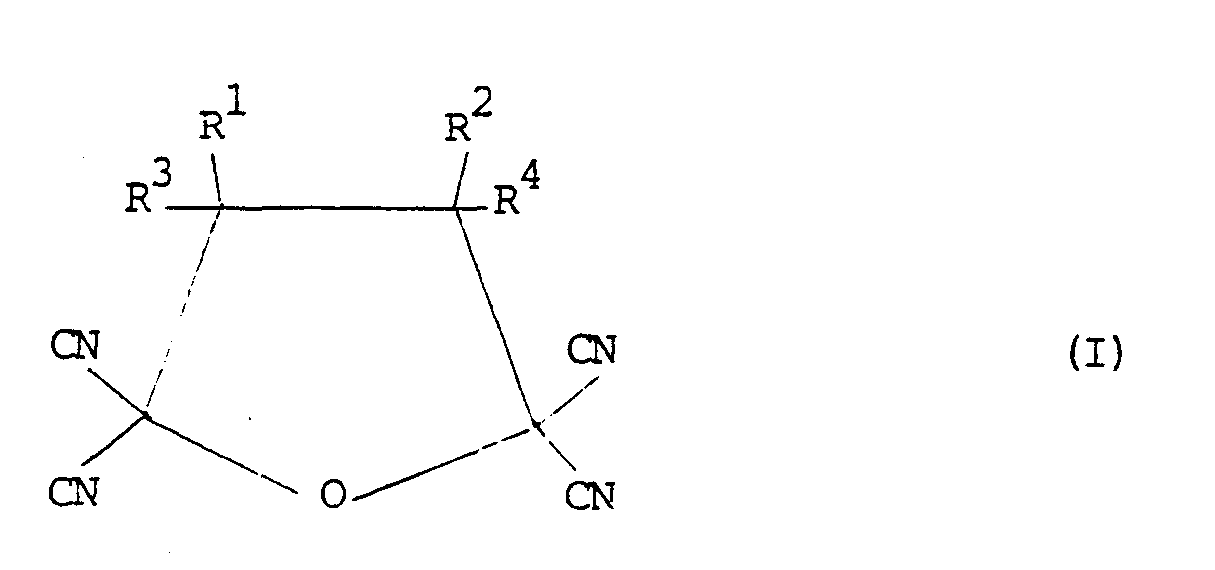
wherein each of R' and R2 independently represents a hydrogen atom or an optionally substituted alkyl, alkenyl,
alkynyl, aryl or aralkyl group; or an optionally substituted cycloalkyl, bicycloalkyl,
cycloalkenyl or bicycloalkenyl group containing up to 12 ring atoms, in which at least
one methylene group is optionally replaced by an oxygen atom or by a sulphone or sulphoxide
group; or a group of general formula
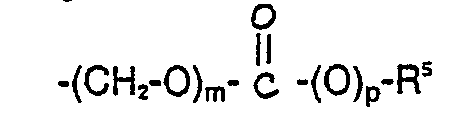
in which m is 0 and p is 0 or 1, or m is 1 and p is 0, and RS is an optionally substituted alkyl, alkenyl, aryl or aralkyl group; or R' and R2 together with the interjacent carbon atoms form an optionally substituted cycloalkylene,
bicycloalkylene, tricycloalkylene, cycloalkenylene, bicycloalkenylene or tricycloalkenylene
group containing up to 18 ring atoms, in which at least one methylene group is optionally
replaced by an oxygen or sulphur atom or by a sulphone or sulphoxide group; or an
optionally substituted dihydronaphthylene, tetrahydronaphthylene, dihydrophenanthrylene
or dihydroacenaphthylene group; each of R3 and R4 independently represents a hydrogen atom or an alkyl group or together represent
a single chemical bond; or R' and R3 together with the interadjacent carbon atom form an optionally substituted cycloalkyl,
bicycloalkyl, cycloalkenyl or bicycloalkenyl group containing up to 12 ring atoms,
in which at least one methylene group is optionally replaced by an oxygen atom or
a sulphone or sulphoxide group; provided that when R3 and R4 do not together represent a single chemical bond, at least one of R', R2, R3 and R4 is a hydrogen atom. Also certain of such compounds per se, and their preparation.
|
|
