|
(11) | EP 0 297 159 A1 |

| (12) | EUROPEAN PATENT APPLICATION |
|
|
|
|
||||||||||||||||||||||||
|
|||||||||||||||||||||||||
| (54) | [N-Acyl, 1,7-Di-Aline] calcitonins, method for their preparation, pharmaceutical compositions and use |
| (57) Peptides of the formula X [1,7-dialanine] calcitonin wherein X represents acyl groups for the acylation of the Nα-amino group and are radicals of carboxylic acids such as aliphatic, aromatic, araliphatic and heterocyclic carboxylic acids, especially of the lower monobasic alkanoic acids such as formic, acetic, propionic, and the various butyric, pentanoic, hexanoic and octanoic acid isomers, a method for their preparation, a pharmaceutical composition containing them as active ingredient and their use in the preparation of a medicament for the reduction of blood calcium levels are disclosed. |
[0001] This invention relates to calcitonin substitution analogs having biological activity and to processes for preparing such calcitonin analogs.
[0002] All known natural calcitonin peptides contain an amino acid sequence of 32 amino acids, and have a disulfide bond connecting the cysteinyl residues at positions one and seven. The natural calcitonins include the salmon, eel, bovine, porcine, ovine, rat and human calcitonins. Salmon calcitonin, for example, has the following formula:
[0003] In U.S. Patent Nos. 3,926,938, 4,062,815, 3,929,758, 4,033,940, 4,336,187, 4,388,235 and 4,391,747 are disclosed improves syntheses of calcitonins including the salmon calcitonin referred to above.
[0004] We have discovered synthetic calcitonin analogs of the above-mentioned naturally occurring calcitonin peptides with 32 amino acids that have biological activity of the same type as the known calcitonins. A significant difference in structure is that in our new peptides the cysteines at positions one and seven are replaced with alanines and the Nα is acylated. These new peptides are termed [Nα-Acyl 1,7-Di-Alanine] calcitonins using the IUPAC-IUP method of nomenclature for synthetic modifications of peptides [Biochem. J., (1984) 219, 345-377].
[0005] The peptides of the present invention are of the formula:
[X - 1,7,Alanine] Calcitonin
wherein X represents acyl groups for the acylation of the Nα-amino group and are radicals of carboxylic acids such as aliphatic, aromatic, araliphatic and heterocyclic carboxylic acids, especially of the lower monobasic alkanoic acids such as formic, acetic, propionic, and the various butyric, pentanoic, hexanoic and octanoic acid isomers.
[0008] As the term is generally used herein, "calcitonin" or "calcitonin sequences" refers to any of the available 32 amino acid peptides having some degree of effectiveness in decreasing blood calcium levels. A number of different types of calcitonin are known, for example, human, bovine, salmon, chicken, eel, or porcine. The amino acid sequences of these peptides are well-characterized, although the exact sequences may vary substantially between species in positions 8-31, residues 1-7, particularly the cysteine residues at positions 1 and 7, and the terminal proline have tended to be conserved to a large extent. The fact that it is possible to obtain similar biological activity by substitution alanines from the cysteines in these positions is thus particularly surprising. The present invention is intended to encompass N-acyl 1,7-di-alanine analogues of any of these biologically active peptides.
[0009] For example, the formula of [Nα-Propionyl, 1,7-Di-Alanine]salmon calcitonin having activity of the same type as known salmon calcitonin may be written as follows:
[0010] As may be seen from the formula given above, 32 amino acids are involved and in this formula the positions are numbered according to the accepted procedure beginning at position 1 for the Cys on one end of the chain, and ending with Pro at position 32 at the other end of the chain. For clarity, of description, this same numbering system will be followed in referring to the cycles of the synthesis. The assembly of the amino acids begins with cycle 32 which involves the coupling of proline and continues with cycle 31 which involves the coupling of threonine, etc.
[0011] In general terms, the products of the present invention may be prepared by any of the known methods of peptide synthesis. In principle, the process lies in performing a coupling condensation reaction between a terminal amino group of a first amino acid with a terminal carboxyl group of a second amino acid, to form a dipeptide, coupling a terminal amino group on the dipeptide with a terminal carboxyl on a third amino acid, repeating the coupling reaction with successive amino acids to obtain a calcitonin peptide sequence in which an alanine residue occupies position 1 and 7, and acylating Nα of the alanine in position 1.
[0012] In general we use a solid phase methodology of synthesis and start with a resin called benzhydrylamine resin (BHA resin). This resin is derived from a cross-linked polystyrene bead resin manufactured by copolymerization of styrene and divinylbenzene. Resin of this type is known and its preparation is further demonstrated by Pietta, et al. [Pietta, P.S. and Marshall, G.R., Chem. Commun., 650 (1970)], and Orlowski, et al. [J. Org. Chem., 41, 3701 (1976)]. The cross-linked polystyrene BHA resin is available from chemical supply houses. We use the designation
to represent the BHA resin in which Ⓟ is the polystyrene portion of the resin.
Resin Peptide Synthesis
[0013] In this synthesis the amino acids are added one at a time to the insoluble resin until the total peptide sequence has been built up on the resin. The functional groups of the amino acids are protected by blocking groups. The α-amino group of the amino acids is protected by a teritary butyloxycarbonyl group or an equivalent thereof. This α-tertiary butyloxycarbonyl group we designated as BOC. The hydroxyl functions of serine and threonine are protected by a benzyl or benzyl derivative group such as 4-methoxybenzyl, 4-methylbenzyl, 3,4-dimethylbenzyl, 4-chlorobenzyl, 2,6-dichlorobenzyl, 4-nitrobenzyl, benzhydryl or an equivalent thereof. We use the term Bz to represent the benzyl or benzyl derivative group.
[0014] The hydroxyl function of tyrosine may be unprotected, may be protected by a benzyl or benzyl derivative group as described above, as a Bz group, or may be protected by a benzyloxycarbonyl or a benzyloxycarbonyl derivative such as 2-chlorobenzyloxycarbonyl or 2-bromobenzyloxycarbonyl group or equivalent thereof. We use the term W to represent either no protective group, a Bz group, a benzyloxycarbonyl group or a benzyloxycarbonyl derivative group.
[0015] The guandine function of arginine may be protected by a nitro group, a tosyl group or an equivalent thereof. We use the character T to represent either a nitro group or a tosyl group. The ε-amino function of lysine may be protected by a benzyloxycarbonyl group or a benzyloxycarbonyl derivative such as a 2-chlorobenzyloxycarbonyl, 3,4-dimethylbenzyloxycarbonyl or equivalents thereof We use the character V to represent benzyloxycarbonyl group or a benzyloxycarbonyl derivative group. The protective groups used on the imidazole nitrogen of histine are the benzyloxycarbonyl group and benzyloxycarbonyl derivative such as described above for lysine and are designated as V. The γ-carboxylic acid group of glutamic acid is protected by a benzyl or benzyl derivative group such as described for the protection hydroxy function of serine and threonine. These protective groups are represented by the character Bz.
[0016] Preferred amino acid reactants for use in each of the 32 cycles of the synthesis of salmon calcitonin (used for exemplification only) are given in the following Table I:
CYCLE 32
Coupling Of Proline to BHA Resin
[0018] The reaction vessel used in all steps of the resin peptide synthesis may be a glass vessel equipped with inlet ports at the top for addition of materials and a sintered glass disk at the bottom for removal of soluble reaction mixtures and wash solvents by filtration. Filtration may be performed either by vacuum or the use of nitrogen pressure. The contents of the vessel may be agitated by shaking the entire vessel or by mechanical stirrer.
[0019] In cycle 32 the BHA resin is placed in the reaction vessel and suspended in a solvent such as methylene chloride, chloroform, dimethylformaide, benzene or equivalents thereof in proportions of about 3 to 12 ml. of solvent per gram of resin. To this is added BOC-L-proline in an amount of about 1 to 6 equivalents per free amine equivalent of the BHA resin employed. After a period of mixing of 5 to 10 minutes, a coupling reagent (CA) such as dicyclohexylcarbodiimide (DCC) may be added, or other diimide coupling agents may be used. The diimide coupling agent may be used in the amount of 0.5 to 2.0 equivalents per equivalent of BOC-L-proline used.
[0020] The BOC-L-proline may be coupled in the absence of a coupling reagent if its active ester derivative, its azide derivative, its symmetrical anhydride derivative, or a suitably chosen mixed anhydride derivative is used. Active ester derivatives that may be employed are 2-nitrophenyl ester, 4-nitrophenyl ester, pentafluorophenyl ester, N-hydroxysuccimide ester or equivalents thereof. The active esters are used in amounts of 1 to 10 equivalents per free amine equivalent of BHA resin.
[0021] The reaction mixture consisting of the BHA resin, the solvent, the BOC-L-proline, and the coupling reagent or BOC-L-proline active ester is stirred or shaken mechanically until the reaction is complete as indicated by a ninhydrin test [E. Kaiser, et al. , Anal. Biochem., 34, 595-8 (1970)] on a test sample. After completion of the coupling reaction, the BOC-L-proline resin may be washed with solvents such as methylene chloride, chloroform, methyl alcohol, benzene, dimethylformamide, or acetic acid. The amount of wash solvent may suitably be 5 to 20 ml. of solvent for each gram of BHA resin used initially. If it is desired to terminate the coupling reaction before completion, the washing procedure may be used and the remaining free amino groups on the BOC-L-proline resin may be blocked from further reaction by acetylation with an excess of acetylation reagents. The acetylation procedure may be performed by agitating the BOC-L-proline resin with a solution of the acetylation reagent for a period of 0.5 to 12 hours. Acetylation reagents such as N-acetylimidazole in methylene chloride solution or a mixture of acetic anhydride and triethylamine in chloroform may be used. The acetylation reagent may be used in the amount of 0.5 to 5.0 equivalents per equivalent of free amine titer of the starting BHA resin.
[0022] The coupling reaction to produce the BOC-L-proline resin may be described by the following formula:
Deprotection of BOC-L-Proline Resin
[0023] The BOC-L-proline resin produced as above described may be washed with a solvent such as referred to above and deprotected by agitating it with an agent such as a mixture of trifluoroacetic acid (TFA) in a solvent such as methylene chloride, chloroform, benzene or equivalents thereof. The amount of TFA in the solvent may vary from 10 to 100% of the mixture. The amount of TFA-solvent mixture may vary from 3 to 20 ml. per gram of BHA resin used initially. The reaction time may be from about 10 minutes to 4 hours. The deprotection step is terminated by filtration to remove the TFA-solvent mixture. The residual TFA may be removed from the L-proline resin by washing with 3 to 20 ml. per gram of BHA resin of a 5 to 30% of triethylamine solution in a solvent such as methylene chloride, chloroform, benzene or equivalents thereof. Other tertiary or secondary organic amines may be used in place of the triethylamine, such as trimethylamine, N-ethylpiperidine, diisopropylamine or equivalents thereof. The free amine titer of the L-proline resin may be determined by the Dorman titration procedure [Dorman, L.C., Tetrahedron Letters, 1969, 2319-21]. The deprotection reaction may be described by the following formula:
CYCLE 31
[0024] The prolyl-BHA resin obtained as a result of cycle 32 may be suspended in a coupling solvent, BOC-O-Bz-L-threonine added and the mixture equilibrated in the same manner. The coupling agent, DCC, may be added, after completion of the reaction as indicated by the isatin test [E. Kaiser, et al., Anal. Chem. Acta., 118, 149-51 (1980)], the reaction mixture may be removed from the BOC-O-Bz-threonylprolyl-BHA resin by filtration. The peptide resin may be washed with solvents. The amounts of reactants and solvents and reaction times may be the same as described in cycle 32. The BOC group may be removed from the peptide resin by the deprotection method described in cycle 32 The resulting O-Bz-threonylprolyl-BHA resin is then ready for cycle 30. The reactions of the cycle 31 may be shown by the following formula:
[0025] For convenience, we may write this resulting resin peptide using abbreviated nomenclature as follows:
CYCLE 30
[0026] In cycle 30, the coupling reaction and also the deprotection reaction may be performed in the same manner as in cycle 31 except that BOC-glycine is used in place of BOC-O-Bz-L-threonine. The reaction through coupling and deprotection may be written:
CYCLE 29
[0027] In cycle 29, the coupling and deprotection reactions may be performed in the same manner as in cycle 31 except for the substitution of BOC-O-Bz-L-serine as the amino acid derivative. This may be written:
CYCLE 28
[0028] In cycle 28, the coupling and deprotection reactions are performed as described in cycle 31 except that BOC-glycine is substituted as the amino acid reactant. These reactions through coupling and deprotection may be written as follows:
CYCLE 27
[0029] In this cycle, the coupling and deprotection reactions may be as in cycle 31 using the same amino acid reactant, resulting in the following compound:
CYCLE 26
[0030] In cycle 26, the coupling reaction is performed using an active ester derivative of BOC-L-asparagine. The active ester procedure is used in place of the DCC coupling agent with BOC-L-asparagine or BOC-L-glutamine. The reaction using the active ester derivative of BOC-L-asparagine may be performed in the amount of 2 to 10 equivalents per free amine equivalent of BHA resin in dimethylformamide, mixtures of dimethylformamide with benzene, methylene chloride or chloroform or with equivalents thereof in the amount of 2 to 20 ml. of solvent per gram of BHA resin used initially.
[0031] Reaction times range from 1 to 72 hours. The reaction mixture may be removed from the BOC peptide resin by filtration after completion of the reaction as indicated by a ninhydrin test. The active ester derivatives employed may be 2-nitrophenyl esters, 4-nitrophenyl esters, pentafluorophenyl esters, or equivalents thereof. We use AE to designate the active ester portion of the derivative. The coupling reaction may be written:
CYCLES 25-21
[0033] In each of cycles 25 to 21, the coupling and deprotection reactions may be conducted using the methods and proportions of reactants as in cycle 31, using BOC-O-Bz-L-threonine in cycle 25, BOC-ω-T-L-arginine in cycle 24, BOC-L-proline in cycle 23, BOC-W-L-tyrosine in cycle 22, and BOC-O-Bz-L-threonine in cycle 21. The compound resulting from the completion of cycle 21 may be written:
CYCLE 20
[0034] In cycle 20, the coupling and deprotection reactions may be performed using the methods and proportions of reactants as in cycle 26 using a BOC-L-glutamine active ester derivative as the amino acid derivative, resulting in the compound:
CYCLE 19
[0035] In cycle 19, the reactions are performed as in cycle 30 using BOC-L-leucine as the amino acid derivative. The compound resulting from cycle 19 is:
CYCLE 18
[0036] In cycle 18, we may use as the amino acid derivative BOC-ε-V-L-lysine . Otherwise, cycle 18 methods may be performed as in cycle 31 resulting in the compound.
CYCLES 17-15
[0037] Cycles 17 to 15 may be performed as in cycle 31 except for the use of BOC-N(im)-V-L-histidine in cycle 17, BOC-L-leucine as the reactant in cycle 16 and BOC-L-glutamic acid Bz ester (Bz represents the same groups as it represents for serine and threonine) as the reactant in cycle 15, resulting in the following compound from cycle 15:
CYCLES 14-8
[0038] Cycle 14 may be performed identically to cycle 20 using BOC-L-glutamine-AE as the amino acid derivative. Cycles 13 to 8 may be performed as in cycle 31 except for the use of BOC-O-Bz-L-serine in cycle 13, BOC-L-leucine in cycle 12, BOC-ε-V-L-lysine in cycle 11, BOC-glycine in cycle 10, BOC-L-leucine in cycle 9, and BOC-L-valine in cycle 8 resulting in the compound:
CYCLE 7
[0039] Cycle 7 may be performed as in cycle 31 except for the use of BOC-L-alanine for the amino acid derivative. The compound resulting from cycle 7 is described by the formula:
CYCLES 6-2
[0040] Cycles 6 to 4 may be performed as in cycle 31 except that BOC-O-Bz-L-threonine may be used as the amino acid derivative in cycle 6, BOC-O-Bz-L-serine may be used as the amino acid derivative in cycle 5 and cycle 2,and BOC-L-leucine may be used in cycle 4 as the amino acid derivative. Cycle 3 may be performed identically to cycle 26 using BOC-L-asparagine active ester. The compound resulting from cycle 2 is:
CYCLE 1
ACETYLATION CYCLE
[0042] The BOC group may be removed from the peptide resin by the deprotection method previously described. The resulting de-BOC'd 1 to 32 BHA resin peptide is then ready for coupling with propionic acid. This acylation cycle is performed identically to cycle 1 except that propionic acid is used instead of BOC-L-alanine. The compound resulting from the acylation cycle is illustrated by the formula:
[0043] The acylation cycle represents the completion of the resin peptide. The resin peptide may be removed from the reaction vessel and dried in a vacuum. The weight of the resin peptide may be expected to be from 2.0 to 3.5 times the weight of BHA resin used initially in the synthesis.
RESIN PEPTIDE SYNTHESIS
[0044] The peptide is cleaved from the resin peptide resulting from cycle 1 by treatment with liquid hydrogen fluoride (HF). The HF cleavage reaction may be performed by treating a mixture of the resin peptide and anisole (0.5 to 5 ml. for each gram of resin peptide) with liquid HF (2 to 20 ml. for each gram of resin peptide) for 0.5 to 20 hours at -20 degrees to +15 degrees centigrade. After the reaction period, the excess HF may be removed by evaporation and the resulting mixture of peptide and resin beads may be extracted with organic solvent such as ethyl acetate, diethyl ether, benzene or the like to remove the anisole and residual HF. The peptide may be separated from the resin beads by extraction into aqueous acetic acid.
[0046] Thus, the peptides obtained after HF cleavage is of the following type.
CH₃-CH₂-
-Ala-Ser-Asn-Leu-Ser-Thr-Ala-Val-Leu-Gly-Lys-Leu-Ser-Gln-Glu-Leu-His-Lys-Leu-Gln-Thr-Tyr-Pro-Arg-Thr-Asn-Thr-Gly-Ser-Gly-Thr-Pro-NH₂
Purification of the Crude [Nα-Propionyl-1,7-Di-Alanine] Salmon Calcitonin
[0048] The crude peptide solutions at pH 5.0 from the above synthesis may be concentrated using an ion-exchange procedure. The concentrate may be purified by a combination of gel-filtration procedures, ion-exchange chromatography methods and partition chromatography. The final purified product may be obtained from solution by freeze-drying as a fluffy white solid. The product gives the correct amino acid analysis for the desired peptide.
EXAMPLE 1
Resin Activation
[0050] The BHA resin (5g.) with an amino titer of 0.61 meq./g. was placed in the reactor vessel of a peptide synthesizer marketed by Vega Biochemicals of Tucson, Arizona. The resin was treated with 25 ml. of the following solvents filtering after each treatment: Methylene chloride for 2 minutes
Chloroform for 2 minutes two times each
10% triethylamine in chloroform for 5 minutes two times each
Chloroform for 2 minutes
Methylene chloride for 2 minutes three times each
Cycle 32
[0051] Coupling: The BHA resin, 25 ml. of methylene chloride and 1.31 g. (0.0061 moles) of BOC-L-proline was stirred for 10 minutes. 6.1 ml. of methylene chloride solution of dicyclohexylcarbodiimide (1 milliequivalent of DCC per 1 ml. of solution) was added to the reactor and the mixture agitated for 6 hours. The reation mixture was removed from the reactor by filtration and the BOC-prolyl BHA resin was subjected to the following successive 2 minute, 25 ml. washes, removing the wash by filtration each time: Methylene chloride two times
Methyl alcohol two times
methylene chloride three times
[0052] Acetylation: The resin was then agitated with a mixture of 1.5 ml. of triethylamine (TEA), 1 ml. of acetic anhydride and 25 ml. of chloroform for 2 hours. The reaction mixture was removed by filtration and the resin subjected to the following 2 minute, 25 ml. washes: Chloroform 2 times
Methyl alcohol two times
Methylene chloride three times
[0053] Deprotection: The BOC-protected resin was agitated for 5 minutes with a mixture of 15 ml. of trifluoroacetic acid (TFA) and 15 ml. of methylene chloride. This mixture was removed by filtration and the resin was agitated with a second mixture of 15 ml. of TFA and 15 ml. of methylene chloride for 30 minutes. The reaction mixture was removed by filtration and the resin subjected to the following 25 ml. washes: Methylene chloride two times two minutes each
Methyl alcohol two times two minutes each
Chloroform two times two minutes each
10% TEA in chloroform two times ten minutes each
Chloroform two times two minutes each
Methylene chloride two times two minutes each
[0054] The L-proline BHA resin was titrated to establish the amine or proline titer. This value was .55 milliequivalents of amine or proline per gram of resin.
Cycle 31:
[0055] Coupling: The L-prolyl resin, 25 ml. of methylene chloride and 1.64 g. (0.0053 mole) of BOC-O-benzyl-L-threonine were agitated for 10 minutes. Then 5.5 ml. of methylene chloride solution of dicyclohexylcarbodiimide (1 milliequivalent of DCC per 1 ml. of solution or a total of 0.0055 mole of DCC) was added to the reactor and the mixtue agitated for 2 hours. The reaction mixture was removed from the reactor and the resin was subjected to the following successive 2 minute, 25 ml. washes, removing the wash by filtration each time. Methylene chloride two times
Methyl alcohol two times
Methylene chloride three times
An isatin test was negative
Cycles 30 Through 27
[0057] The coupling and deprotection procedures used in three cycles were the same as in cycle 31 except that the following amino acid derivatives were used in place of the threonine derivative: Cycle 30--0.93 g. (0.0053 mole) of BOC glycine
Cycle 29--1.55 g. (0.0053 mole) of BOC-O-benzyl-L-serine
Cycle 28--The reactant used was the same as Cycle 30
Cycle 27--The reactant used was the same as Cycle 31
Cycle 26
[0058] Coupling: The peptide resin obtained from cycle 27 was washed twice with 25 ml. portions of dimethylformamide (DMF). The resin was then agitated for 24 hours with a soluiton of 2.82 g. (0.008 mole) of BOC-L-asparagine p-nitrophenyl ester in 35 ml. of DMF. The reaction mixture was filtered and the resin peptide subjected to two minute washes with two successive 25 ml. portions of the following solvents: DMF, methylene chloride, methanol, methylene chloride. Each individual solvent was removed by filtration. A ninhydrin test was negative.
Cycle 25
[0060] Coupling and deprotection procedures were the same as in cycle 31 using the same reactants and amounts.
Cycle 24
[0061] Coupling: The resin peptide obtained from cycle 25 was washed with two successive 25 ml. portions of DMF. The resin peptide was then agitated for 10 minutes with a mixture of 3.42 g. (0.008 mole) of BOC-N-ω-tosyl-L-arginine and 25 ml. of DMF. Then 8 ml. of DCC in methylene chloride (equivalent of 0.008 mole of DCC) was added and the mixture agitated for 6 hours. The reaction mixture was removed by filtration. The resin peptide was subjected to two minute washes with two successive 25 ml. portions of the following solvents: DMF, methylene chloride, methyl alcohol, methylene chloride. The ninhydrin test was negative.
Cycle 23
[0063] Coupling: The peptide resin obtained from cycle 24 was agitated for 10 minutes with 1.72 g. (0.008 mole) of BOC-L-proline and 25 ml. of methylene chloride 8 ml. of DCC in methylene chloride (equivalent to 0.008 mole of DCC) was added and the mixture agitated for 6 hours. The reaction mixture was removed by filtration and the resin peptide subjected to two minute washes with two successive 25 ml. portions of the following solvents: methylene chloride, methyl alcohol, methylene chloride. Each individual was removed by filtration. The ninhydrin test was negative.
Cycle 22 and 21
[0065] The coupling and deprotection procedures used in this cycle was the same as in cycle 23 except that in the coupling reaction the following amino acid derivative was used in place of BOC-L-proline. Cycle 22--4.07 g. (0.008 mole) BOC-O-bromobenzyloxycarbonyl-L-tyrosine
Cycle 21--2.47 g (0.008 mole) BOC-O-benzyl-L-threonine
Cycle 20
[0066] This procedure is the same as cycle 26 except that 2.94 g. (0.008 mole) of BOC-L-glutamine p-nitrophenyl ester is used in place of the asparagine derivative.
Cycles 19 through 15
[0067] The procedure is the same as used in cycle 30 except that the following amino acid derivatives were used in place of the threonine derivative: Cycle 19--1.32 g. (0.0053 mole) of BOC-L-leucine
Cycle 18--2.20 g. (0.0053 mole) of BOC-ε-2-chlorobenzyloxy-L-lysine
Cycle 17--2.06 g. (0.0053 mole) of BOC-N(im)carbobenzyloxy-L-histidine
Cycle 16--1.32 g. (0.0053 mole) of BOC-L-leucine
Cycle 15--1.79 g. (0.0053 mole) of BOC-L-glutamic acid-γ-benzyl ester
Cycle 14
Cycle 13
[0069] The procedure used was the same as was used in cycle 23 except that in the coupling reaction 2.36 g. (0.008 mole) of BOC-O-benzyl-L-serine was used in place of the proline derivative.
Cycles 12 through 9
[0070] The procedures used were the same as used in cycle 31 except in the coupling reactions the following amine acid derivatives were used in place of the threonine derivative. Cycle 12--Same reactants as used in cycle 19
Cycle 11--The reactants were the same as in cycle 18
Cycle 10--Same reactants as used in cycle 30
Cycle 9 --Same reactants as used in cycle 19
Cycle 8
[0071] Coupling: The resin peptide from cycle 9 was agitated for 10 minutes with 1.74 g. (0.008 mole) of BOC-L-valine and 25 ml. of methylene chloride Then 8 ml. of DCC in methylene chloride (equivalent to 0.008 mole of DCC) was added and the mixture agitated for 16 hours. The reaction mixture was removed by filtration. The resin peptide was subject to two minute washes with two successive 25 ml. portions of the following solvents: methylene chloride, methyl alcohol, methylene chloride. Each individucal wash was removed by filtration.
Cycle 7
[0073] The procedure was the same as used in cycle 31 except that in the coupling reaction 1.06 g. (0.0053) of BOC-L-alanine was used in place of the threonine derivative.
Cycle 6
Cycle 5
Cycle 4
Cycle 3
Cycle 2
Cycle 1
[0081] Propionolation: The resin peptide, 35 ml. of methylene chloride and 0.74 g. (0.01 mole) propionic acid were agitated for 10 minutes. Then 11 ml. of methylene chloride solution of dicyclohexylcarbodiimide (1 meq. of DCC per 1 ml.) was added to the reaction and the mixture agitated for 2 hours. The reaction mixture was removed from the reactor and the resin washed as described in cycle 31. The resin peptide was finally washed with two successive 25 ml. portions of n-hexane. The peptide material was removed from the reactor and dried in a vacuum oven at 40°C. at 0.1 mm. of Hg. for 24 hours.
Cleavage with Hydrogen Fluoride
[0082] The dried resin peptide (2 g.) and 2 ml. of anisole were placed in a Teflon reaction vessel. The vessel equipped with a Teflon coated magnet stirrer was placed in a dry ice-acetone bath and 15 ml. of hydrogen fluoride gas was condensed into the vessel. This mixture was stirred at 0 degrees centigrade in an ice bath for 1 hour. The hydrogen fluoride was removed by evaporation at reduced pressure. The residue was triturated with six 25 ml. portions of ethyl acetate. The peptide was extracted from the resin beads with 120 ml. of 0.1 molar aqueous acetic solution.
Purification of the Crude [Nα-Propionyl-1,7-Di-Alanine]SCT
[0083] The 200 ml. of solution from the above synthesis at pH 5.0 was concentrated using a SP-25 ion-exchange column. The 25 ml. concentrate removed from the column with 0.7 molar sodium chloride solution was desalted and purified by passing through a Sephadex G-25 (fine) gel-filtration column and eluting with 0.03 molar aqueous acetic acid solution. The [Nα-Propionyl-Di-Ala¹⁻⁷]SCT fraction from this column was adjusted to pH 6 by the addition of ammonium hydroxide solution. This solution was further purified by ion-exchange chromatography using a Whatman CM-52 column eluted with ammonium acetate buffer. The [Nα-Propionyl-Di-Ala-¹⁻⁷]SCT fraction from this column was adjusted to pH 5.0 by addition of glacial acetic acid. This solution was concentrated using a SP sephadex C-25 ion-exchange column. The 30 ml. concentrate removed from the column with 0.7 molar sodium chloride solution was desalted with a Sephadex G-25 (fine) gel-filtration column. The peptide fraction was collected and freeze dried. The product was further purified by partition chromatography using a Sephadex G-25 fine column and the solvent system: n-butanol, ethanol, 0.2 N ammonium acetate containing 0.04% acetic acid (4-1-5). The product elutes from the column at an Rf value of 0.68. The fractions containing the product were combined and the n-butanol removed by evaporation. The product was recovered by lyophilization. The solid was then gel filtered on a Sephadex G-25 (fine) column with 0.2 M acetic acid solution. The purified peptide fraction was collected and lyophilized.
[0084] The product was obtained as a fluffy white solid. Amino acid analysis of the product after acid hydrolysis in the presence of phenol gave the following ratios with the theoretical values given in parenthesis:
Asp. 2.0 (2), Ala 2.0 (2), Thr 5.2 (5), Ser 3.8 (4), Glu 2.8 (3), Pro 2.0 (2), Gly 3.0 (3), Val 0.9 (1), Leu 5.0 (5), His 0.92 (1), Lys 1.9 (2), Arg 0.94 (1), Tyr 0.91 (1).
Biological Assay of Calcitonin Analogs In Vivo
[0085] The biological potency of [Nα-Propionyl-Di-Ala1,7]salmon calcitonin was determined by comparing the reduction of serum calcium concentration which followed administration by graded doses of [Nα-Propionyl-Di-Ala1,7]SCT and synthetic salmon calcitonin standard. Rats were divided into four groups of seven animals, and each group was assigned at random to a dose of standard or test solution. Low and high doses were chosen from the linear portion of the dose-response curve. For the salmon calcitonin standard, the values were 0.7 and 2.1 mcg. peptide/100 g. body weight (BW). This dose approximates 3 and 9 MU/100 g. BW. Peptides were given by subcutaneous injection (0.2 ml./100 g. BW) and blood was withdrawn 1 hour later for serum calcium determination. Sera are processed and analyzed within two hours of collection. Results were analyzed within two hours of collection. Results were analyzed by a 2 X 2 parallel line assay [Gaddum, J.H., J. Pharm. Pharmacol., 6, 345 (1953)]. The standard salmon calcitonin used was independently determined to contain greater than 4,000 IU/mg/ [Nα-Propionyl-Di-Ala1,7]SCT assayed at 5450 IU/mg.
[0086] While only certain embodiments of our invention have been described in specific detail it will be apparent to those skilled in this art that many other specific embodiments may be practices and many changes may be made, all within the spirit of the invention and the scope of the appended claims.
1. Compounds of the formula
[X-1,7-Di-Alanine]Calcitonin
wherein X represents acyl groups for the acylation of the Nα-amino group and are radicals of carboxylic acids such as aliphatic, aromatic, araliphatic and heterocyclic carboxylic acids, especially of the lower monobasic alkanoic acids such as formic, acetic, propionic, and the various butyric, pentanoic, hexanoic and octanoic acid isomers.
[X-1,7-Di-Alanine]Calcitonin
wherein X represents acyl groups for the acylation of the Nα-amino group and are radicals of carboxylic acids such as aliphatic, aromatic, araliphatic and heterocyclic carboxylic acids, especially of the lower monobasic alkanoic acids such as formic, acetic, propionic, and the various butyric, pentanoic, hexanoic and octanoic acid isomers.
2. A calcitonin of Claim 1 in which the acyl group contains 1-10 carbon atoms.
3. [Nα-Propionyl-1,7-Di-Alanine]Calcitonin.
4. A peptide having the structure:
CH₃-CH₂-
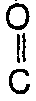
-Ala-Ser-Asn-Leu-Ser-Thr-Ala-Val-Leu-Gly-Lys-Leu-Ser-Gln-Glu-Ala-His-Lys-Leu-Gln-Thr-Tyr-Pro-Arg-Thr-Asn-Thr-Gly-Ser-Gly-Thr-Pro-NH₂ (Salmon),
CH₃-CH₂-

-Ala-Ser-Asn-Leu-Ser-Thr-Ala-Val-Leu-Gly-Lys-Leu-Ser-Gln-Glu-Ala-His-Lys-Leu-Gln-Thr-Tyr-Pro-Arg-Thr-Asp-Val-Gly-Ala-Gly-Thr-Pro-NH₂ (Eel), or
CH₃-CH₂-

-Ala-Ala-Asn-Leu-Ser-Thr-Ala-Val-Leu-Gly-Lys-Leu-Ser-Gln-Glu-Leu-His-Lys-Leu-Gln-Thr-Tyr-Pro-Arg-Thr-Asp-Val-Gly-Ala-Gly-Thr-Pro-NH₂ (Chicken).
CH₃-CH₂-
-Ala-Ser-Asn-Leu-Ser-Thr-Ala-Val-Leu-Gly-Lys-Leu-Ser-Gln-Glu-Ala-His-Lys-Leu-Gln-Thr-Tyr-Pro-Arg-Thr-Asn-Thr-Gly-Ser-Gly-Thr-Pro-NH₂ (Salmon),
CH₃-CH₂-
-Ala-Ser-Asn-Leu-Ser-Thr-Ala-Val-Leu-Gly-Lys-Leu-Ser-Gln-Glu-Ala-His-Lys-Leu-Gln-Thr-Tyr-Pro-Arg-Thr-Asp-Val-Gly-Ala-Gly-Thr-Pro-NH₂ (Eel), or
CH₃-CH₂-
-Ala-Ala-Asn-Leu-Ser-Thr-Ala-Val-Leu-Gly-Lys-Leu-Ser-Gln-Glu-Leu-His-Lys-Leu-Gln-Thr-Tyr-Pro-Arg-Thr-Asp-Val-Gly-Ala-Gly-Thr-Pro-NH₂ (Chicken).
5. The compound of Claim 1 wherein the calcitonin is a salmon calcitonin analog.
6. The compound of Claim 1 wherein the calcitonin is an eel calcitonin analog.
7. The compound of Claim 1 wherein the calcitonin is a chicken calcitonin analog.
8. A pharmaceutical composition comprising effective amount of any of the compounds
of Claims 1-7, in combination with a pharmaceutically acceptable carrier.
9. A method of preparing an [N α-Acyl, 1,7-Di-Alanine]Calcitonin which comprises coupling an amino group in a first
amino acid with a carboxyl group on a second amino acid to form a dipeptide, coupling
the amino group of the dipeptide with the carboxyl group of a third amino acid, repeating
the couplings with successive amino acids to obtain a calcitonin peptide sequence
in which an alanine residue occupies position 1 and 7, and acylating Nα of the alanine in position 1.
10. Use of the compounds of Claims 1 to 7 in the preparation of a medicament for
reducing blood calcium levels.
Claims for the following Contracting State(s): A, ES, GR
1. A method of preparing an [Nα-Acyl, 1,7-Di-Alanine] Calcitonin which comprises coupling an amino group in a first
amino acid with a carboxyl group on a second amino acid to form a dipeptide, coupling
the amino group of the dipeptide with the carboxyl group of a third amino acid, repeating
the couplings with successive amino acids to obtain a calcitonin peptide sequence
in which an alanine residue occupies position 1 and 7, and acylating Nα of the alanine in position 1.
2. Method according to claim 1, where acylation is carried out with formic, acetic,
propionic, butyric, pentanoic, hexanoic or octanoic acid or isomers thereof or derivatives
thereof.
3. Use of the final products of claim 1 or 2 in the preparation of a medicaments for
reducing blood calcium levels.