|
(11) | EP 0 482 671 B1 |

| (12) | EUROPEAN PATENT SPECIFICATION |
|
|
| (54) |
Vaccine against varicella-zoster virus Vakzin gegen Varicella Zoster Virus Vaccin contre le virus de Varicella Zoster |
|
|
|||||||||||||||||||||||||||||||||||
| Note: Within nine months from the publication of the mention of the grant of the European patent, any person may give notice to the European Patent Office of opposition to the European patent granted. Notice of opposition shall be filed in a written reasoned statement. It shall not be deemed to have been filed until the opposition fee has been paid. (Art. 99(1) European Patent Convention). |
BACKGROUND OF THE INVENTION
[0001] Chickenpox is caused by varicella-zoster virus (VZV), a member of the herpesvirus group. The disease occurs in persons with no prior VZV immunity. VZV-specific antibodies can be demonstrated shortly after onset of disease, decline during convalescence, but remain detectable for many years and correlate with immunity to the disease. Chickenpox is highly contagious; over 90% of the population becomes exposed to VZV before they are 20 years old. In most, if not all cases, VZV apparently becomes latent in dorsal root ganglion cells. From this latent state, VZV can reactivate and cause zoster even in the presence of specific antibodies, probably as a result of weakened cellular immunity. The disease is highly morbid to the immunosuppressed and to those beyond the second decade.
[0002] VZV has five major glycoproteins on its surface : gpll5 (115,000 dalton glycoprotein), gp105, gp92, gp83, gp55. These glycoproteins apparently are the products of three genes : gA (gp105), gB (gp115, in the non-reduced state, composed of the reduced species gp62, and gp57), and gC (gp92, gp83, gp55). Monoclonal antibodies to gA and gB display complement-independent neutralization, and monoclonal antibodies to gC display complement-dependent neutralization.
[0003] EP 211756 which is comprised in the state of the art only for assessing novelty according to Art 54(3) EPC, discloses a glycosylated protein from VZV-infected MRC-5 cells not totally purified, which can be used diagnostically to measure VZV antibody titers.
OBJECTS OF THE INVENTION
[0004] It is an object of the present invention to provide highly purified antigens which will prevent diseases associated with VZV infections. Another object is to provide methods for the preparation of these antigens. Another object is to provide methods for using the antigens to raise antibodies, both in vivo and in vitro, to VZV. Another object is to describe the full sequence of protein antigens which will include peptide antigens which may be synthesized by other means or expressed in expression vectors. These and other objects of the present invention will be apparent from the following description.
SUMMARY OF THE INVENTION
[0005] The DNA sequence of the VZV gB gene has been identified. A fragment of this sequence has been used to hybrid-select mRNA from VZV-infected cells. In vitro translational products from this mRNA have been immunoprecipitated by guinea pig antibodies raised to gB purified by monoclonal antibody affinity chromatography. Such proteins are useful for the preparation of a vaccine to VZV.
[0006] More accurately, the present invention provides an immunizing composition comprising an unglycosylated polypeptide as claimed in claims 1 to 3.
DETAILED DESCRIPTION OF THE INVENTION
[0007] The VZV DNA segment which encodes the protective immunogenic gB glycoproteins has been identified. More specifically, a 2.6 Kilobase pair (Kbp) DNA fragment whose respective nucleotide sequence and derived amino acid sequences have been located within the known sequence of the entire VZV genome.
[0008] Vectors containing all or part of this 2.6 Kbp DNA fragment, host cells which contain these vectors and which cells are capable of expressing all or part of the peptides encoded by the 2.6 Kbp fragment, are disclosed. In accordance with known techniques, it will be obvious to those skilled in the art that parts of the foregoing peptides could be chemically synthesized or modified and retain their immunogenicity. Therefore, chemical synthesis of domains of these proteins, especially domains including and surrounding hydrophilic regions and threonine or serine and asparagine-X-serine or asparagine-X-threonine residues wherein X is any amino acid residue, since these domains are likely to reside on the outer surface of the virus, can be performed.
[0009] The DNA segment which encodes RNA translatable to gB polypeptides is identified precisely as follows :
[0010] Several viral glycoproteins, gp115, gp62 and gp57 (also referred to as gp1 and gp3 or "disulfide-linked dimer") are crossreactive with monoclonal antibodies and have been proposed to be the products of the gB glycoprotein gene. In order to map this gene on the VZV genome, plasmids from a VZV genomic DNA library have been used to hybrid-select RNA from VZV-infected cells. In vitro translational products are immunoprecipitated by guinea pig antibodies raised to gB purified by monoclonal antibody affinity chromatography. These antibodies are capable of neutralizing viral infectivity. By this analysis, it is found that a 100 Kilodalton (KD) polypeptide can be immunoprecipitated from mRNA selected by the HindIII-D fragment. DNA sequence analysis of this region of the VZV genome reveals a 2.6 kbp open reading frame (ORF) which could encode a 100 KD protein with a glycoprotein-like structure (hydrophobic leader, hydrophobic anchor, 9 N-glycosylation recognition sites). This ORF DNA is cloned from the HindIII-D fragment and shown capable of hybrid-selecting mRNA with a 100 KD translational product. Furthermore, the immunoprecipitability of the 100 KD species can be blocked specifically by immune-affinity purified gB. In addition, VZV gB has been purified by immune-affinity chromatography. When injected to guinea pigs, this protein is capable of eliciting the formation of antibodies which neutralize VZV infectivity in vitro. Partial amino acid sequence analysis of the purified VZV gB reveals identity to the amino acid sequence imputed from the DNA sequence of the 2.6 kbp ORF. We conclude that this ORF in the HindIII-D fragment is the glycoprotein gB gene and specifies a gene product carrying neutralization epitopes.
[0011] In accordance with known techniques, it will be obvious to those skilled in the art that all or part of the above-mentioned DNA fragment can be placed into an expression vector system in order to produce all or part of the protective immunogenic polypeptide. Such an expression vector system often consists of a plasmid which is inserted into a prokaryotic or eukaryotic cell in order to direct expression of a foreign polypeptide. Such a plasmid usually contains sequences for selection of host cells containing the plasmid, for amplification of plasmid copy number within the host cell, for initiation of transcription of the foreign polypeptide, for termination of transcription of the foreign polypeptide, in addition to the coding sequence per se which specifies the foreign polypeptide. Therefore, the present invention also is directed to host cells and vectors containing all or part of the 2.6 Kbp DNA fragment.
[0012] Examples of suitable hosts for expression of VZV proteins include prokaryotic organisms, such as E. coli and B. subtilis, and eukaryotic organisms such as S. cerevisiae and continuous mammalian cell lines including but not limited to Chinese Hamster Ovary cells and Vero cells.
[0013] These proteins are useful individually or in combination when placed in a physiologically acceptable carrier, e.g., saline or phosphate buffered saline, to protect against VZV disease when administered to a member of a susceptible mammalian species, in amount of approximately 5 to 150 µg per dose, preferably from approximately 10 to 50 µg per dose. One or more doses may be administered to produce effective protection against VZV disease. The protein may be administered by injection, e.g., subcutaneously or intramuscularly. It is also to be understood that these proteins can be directly expressed in humans by means of appropriate viral expression vectors such as adeno, vaccinia, or herpes simplex.
[0014] The following examples illustrate the present invention without, however, limiting the same thereto.
EXAMPLE I
DNA fragment which can select RNA encoding the precursor protein to gB glycoproteins.
[0015] Cytoplasmic RNAs were prepared from VZV-infected MRC-5 cells as described (J. M. Chirgwin et al., Biochemistry 18: 5294 (1979)). The RNAs encoded by the different VZV HindIII fragments were selected by hybridization to cloned VZV HindIII DNA fragments (J. R. Ecker & R. W. Hyman, Proc. Natl. Acad. Sci. USA 79: 156 (1982)) bound to nitrocellulose (J. A. Cooper et al., J. Virology 37: 284 (1981)). These RNAs were translated in a rabbit reticulocyte lysate. The polypeptide products were immunoprecipitated by polyclonal monospecific guinea pig antibodies raised to gB purified by monoclonal antibody affinity chromatography. (This purification is described below in Example V). By this analysis, it was found that a 100 KD in vitro translational product from mRNA selected by the VZV HindIII-D fragment could be immunoprecipitated by the anti-gB antibodies which neutralize viral infectivity. (The neutralization data are described below in Example IV).
EXAMPLE II
DNA fragment of HindIII-D DNA containing a large ORF
[0016] Sequence analysis of the HindIII-D fragment from the VZV genome revealed an ORF which could encode a 100 KD protein with a glycoprotein-like structure (hydrophobic leader, hydrophobic anchor, 9 N-glycosylation recognition sites). A segment of this ORF DNA was cloned from the HindIII-D fragment and shown capable of hybrid selecting mRNA with a 100 KD translational product which was immunoprecipitable both by monospecific guinea pig sera and convalescent zoster sera. Furthermore, the immunoprecipitability by both sera of the 100 KD species could be blocked specifically by immune-affinity purified gB but not by another major VZV glycoprotein. Therefore, this segment of HindIII-D DNA was identified as the gB gene.
EXAMPLE III
Determination of nucleotide sequences of the 2.6 kbp segment of VZV DNA.
[0017] The complete nucleotide sequence of the VZV HindIII-D DNA segment contains several large open reading frames. One of these open reading frames is 2.6 kbp in length, encodes a 100 KD protein, and contains the segment described in Example II which encodes VZV gB antigens. The nucleotide sequence for the complete 2.6 kbp segment which encodes the gB glycoprotein is given below:
EXAMPLE IV
Purification of VZV gB Glycoprotein
[0019] Ascites fluids, carrying monoclonal antibody Bl (described in Keller et al., J. Virology 52: 293, 1984), were harvested from mice. An equal volume of 0.15 M NaCl was added. Then, a saturated (NH4)2SO4 solution was added in an equal total volume and held at 4°C overnight. This mixture was centrifuged at 10°C and 2000 rpm. The pellet was resuspended in distilled H2O (2 mg/ml) and dialyzed overnight against coupling buffer (0.1M NaHCO3, 0.5M NaCl, pH 8.4). One gram of cyanogen bromide-activated Sepharose 4B (Pharmacia, Piscataway, N.J.) was swollen in 0.001N HCl then decanted into a 60 ml coarse sintered glass funnel. This was washed with 200 ml 0.001N HCl, then 50 ml coupling buffer. The Sepharose was then mixed with 10 ml of monoclonal antibody solution and rotated for 2 hours at 23°C. Then, 80 µl ethanolamine was added and the solution was rotated for 1 hour at 23°C. The resin was poured into a disposable chromatography column (BioRad), drained and washed successively with 10 ml volumes of the following solutions: 1) coupling buffer; 2) 0.1M Na2HPO4; 0.5M NaCl, pH 8.2; 3) 0.1M NaOAc, 0.5M NaCl, pH 4.0; 4) 0.1M NaHBO4, pH 8.2; 5) 3M KSCN; 6) 0.1M NaHBO4, pH 8.2; then stored in 0.1M NaHBO4, pH 8.2 at 4°C prior to use.
[0020] VZV glycoproteins were purified from MRC-5 human diploid fibroblasts which were infected with VZV to the extent of 80% cytopathic effect. Cells in 750 cm2 roller bottles were washed twice with 0.15M NaCl, 0.01M Na2HPO4, pH 7.2 and drained well. Ten ml of 50 mM Tris, pH 7.5, 2% Triton X-100, 4 mM phenylmethylsulfonylfluoride (PMSF) were incubated 15 minutes to the bottle while rolling. The same 10 ml then were used to successively extract 9 more roller bottles. A fresh 10 ml aliquot of buffer was used to successively rinse the 10 roller bottles and pooled with the first aliquot, such that 20 ml of extract represent material from 10 roller bottles. Extracts were stored at -70°C until use.
[0021] Extracts were thawed and dialyzed overnight at 4°C against 0.15M NaCl, 0.01M Na2HPO4, 0.05% Triton X-100, pH 7.2, then clarified by centrifuging at 1500 rpm for 15 minutes at 4°C. 20 ml of extract were added to 1 g of monoclonal antibody-coupled resin and incubated overnight at 4°C with shaking. The slurry was centrifuged for 15 minutes at 1500 rpm at 4°C and washed three times with 0.1M NaHBO4, pH 8.2. The glycoprotein was eluted by incubation at 23°C with 10 ml 3M KSCN. The eluate was immediately dialyzed against 0.15M NaCl, 0.01M Na2HPO4, 0.05% Triton X-100, pH 7.2 overnight at 4°C and concentrated to approximately 1 mg/ml.
[0022] Of the immune-affinity purified gB, approximately 500 µg was loaded into the sample loop of a LCC (Liquid Chromatography Controller) 500 FPLC (Fast Protein Liquid Chromatography) (Pharmacia). The sample then was injected onto a Mono Q anion exchange column (Pharmacia) followed by a 5 ml wash with 20 mM Tris, pH 7.7, 20 mM CHAPS (Sigma). A gradient of 0-1M NaCl in 20 mM Tris, pH 7.5, 20 mM CHAPS was run over the column, and individual fractions were collected. At approximately 0.3M NaCl, there was eluted a single major homogeneous peak which was concentrated in a Centricon concentrator (Amicon) to a volume of 50 µl in 10 mM Tris, pH 7.5, 10 mM NaCl, 0.05% Triton X-100. This peak was verified as VZV gB by the following criteria. In silver strains of sodium dodecyl sulfate-polyacrylamide gel electrophoresis (SDS-PAGE) run under reducing conditions, the sample was resolved as two proteins of molecular weights 62,000 and 57,000 daltons, as described in Keller et al., ibid., i.e., gp62, gp57; Okuno et al., Virology 129: 357 (1983), i.e., gp5; Grose et al., Virology 132: 138 (1984), i.e., gp66, "disulfide-linked dimer"; Ferghani et al., J. Virology, 52: 55 (1984), i.e., 64K-65K. In silver strains of SDS-PAGE run under non-reducing conditions, the sample was resolved as a single protein of molecular weight 115,000, as described in Grose et al. ibid., i.e., gp 140, Vafai et al., J. Virology 52: 953 (1984), i.e., gp 130.
EXAMPLE V
Purified VZV gB polypeptide induces antibodies which neutralize VZV infectivity in vitro
[0023] Guinea pigs were inoculated intramuscularly with 20 micrograms in complete Freund's adjuvant of VZV gB (purified by immune-affinity chromatography as described above in Example IV), followed one month later by two inoculations each of ten micrograms of VZV gB in incomplete Freund's adjuvant spaced two weeks apart. Sera were obtained from the guinea pigs after these three inoculations. Each of the guinea pig sera were utilized in an in vitro VZV neutralization assay as described (Keller et al., ibid.). By this assay the post-immunization but not the pre-immunization sera elicited VZV neutralizing antibodies.
EXAMPLE VI
Amino acid analysis of purified VZV gB polypeptide
[0024] 300 µg of VZV gB (purified as described in Example IV) was subjected to amino-terminal sequence analysis using an Applied Biosystems Gas-Phase Sequenator [Hewick et al., J. Biol. Chem. 256: 7790 (1981)]. The PTH (phenylthiohydantoin) amino acids produced at each step were separated and quantitated by high performance liquid chromatography [Speiss et al., Proc. Natl. Acad. Sci., USA 70: 2974 (1979)].
[0025] The sequence analysis demonstrated that gB contains two distinct amino-termini consistent with the analysis described above in Example IV. Each cycle of the sequenator revealed 0, 1 or 2 identifiable amino acids. In all, 11 amino acids in gB were identified. Six of these could be aligned within the sequence of amino acids 9-20 imputed from the DNA sequence in Example III above. Five of these could be aligned within the sequence of amino acids 432-443 imputed from the DNA sequence in Example III above. Since the imputed amino acid sequence contains 868 amino acids, these sequence data of the purified VZV gB are consistent with a cleavage event that partitions the protein to two polypeptides, each containing approximately 430 amino acids. This is consistant with the closely similar molecular weights of the two reduced species of VZV gB, i.e., gp62 and gp57.
1. An immunogenic composition consisting of a nonglycosylated polypeptide having the
following sequence :
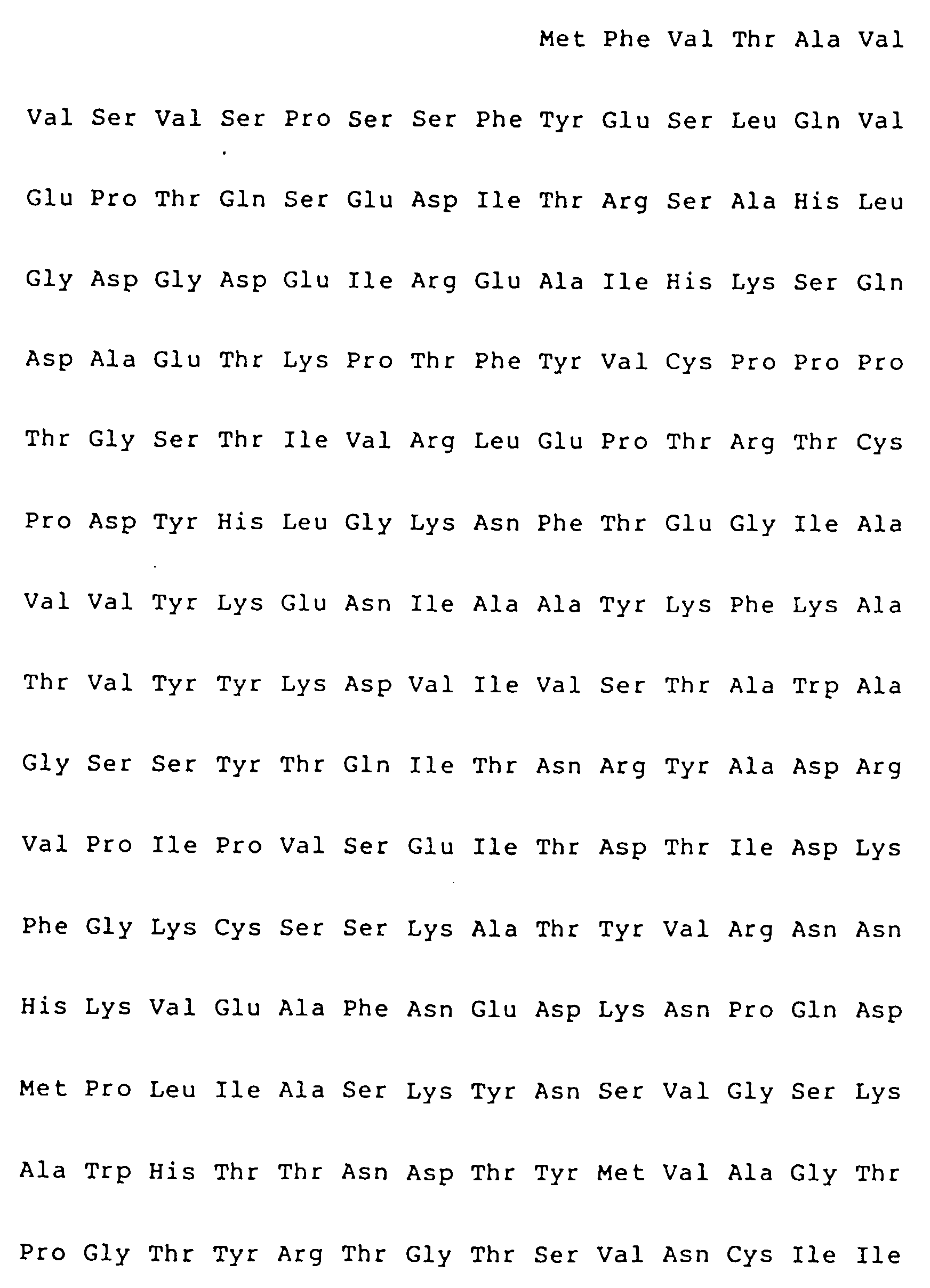
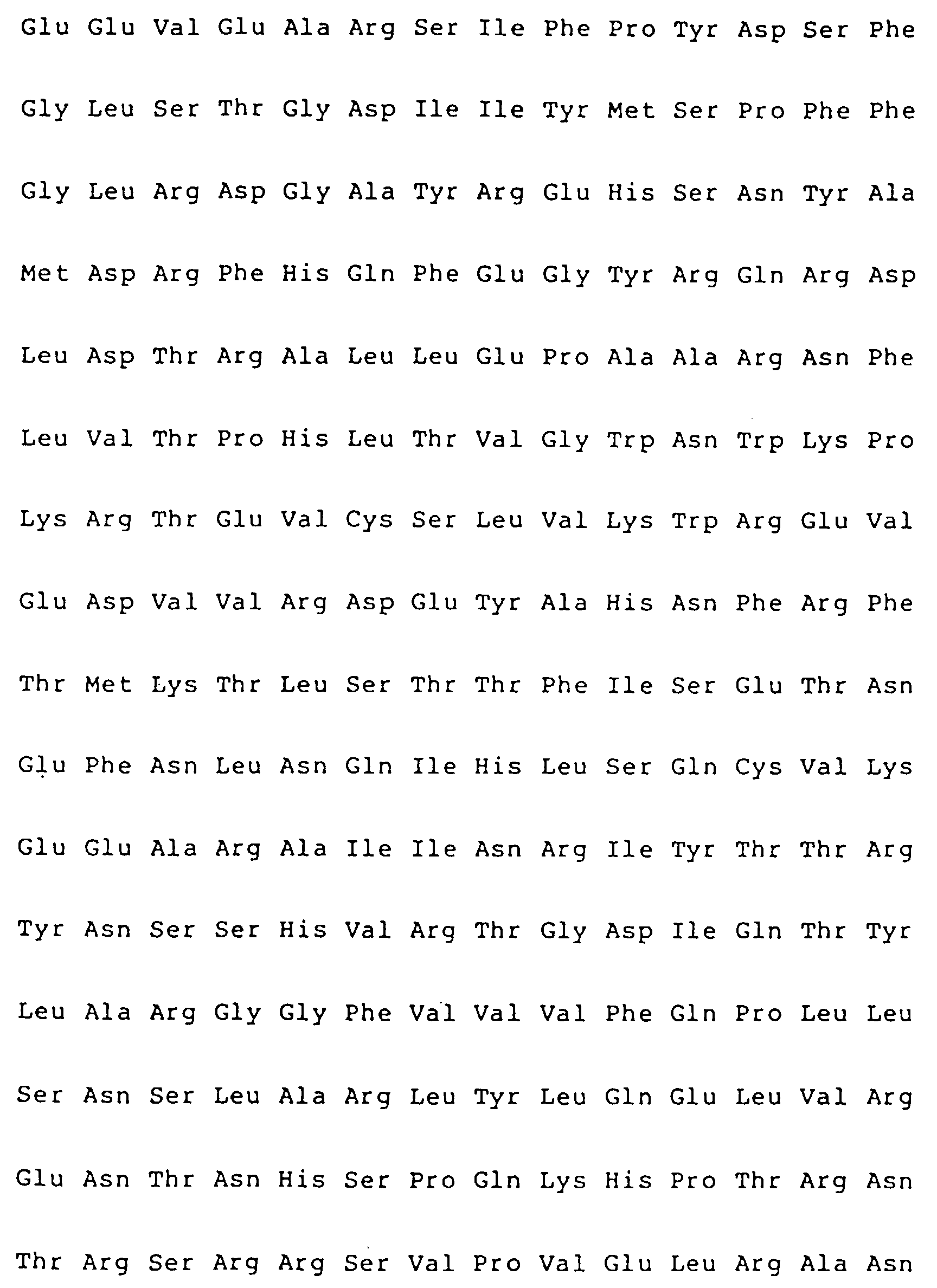
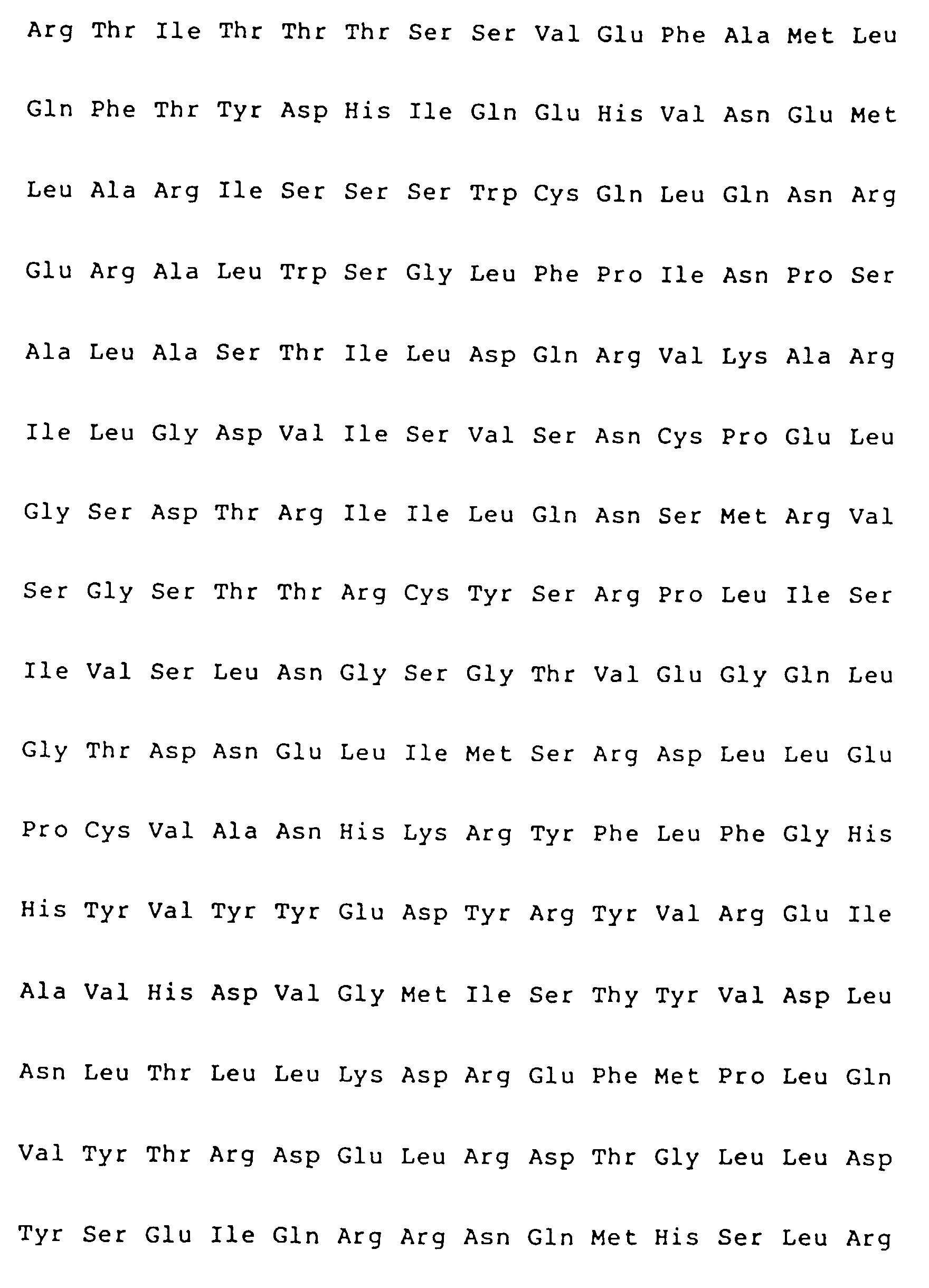
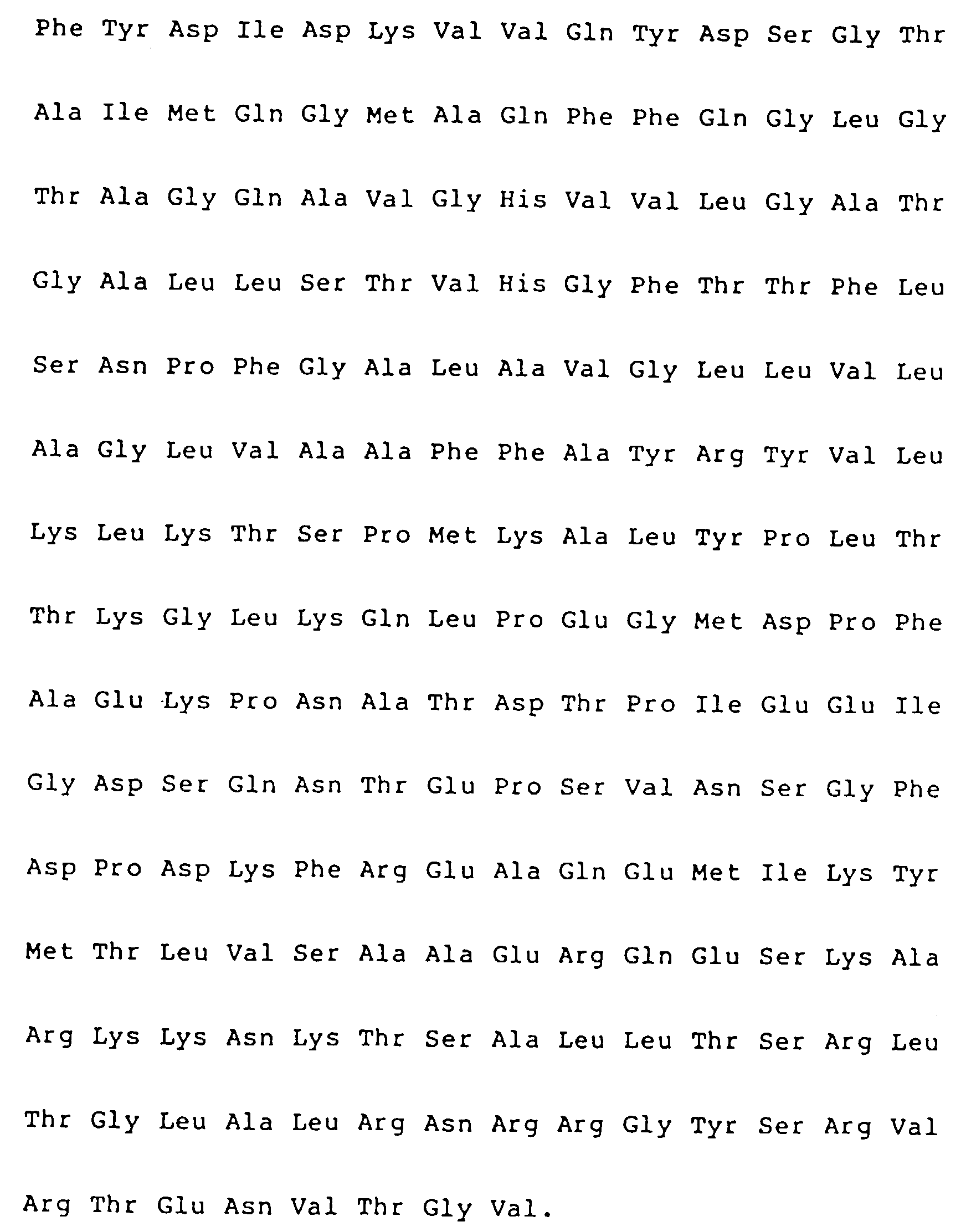
or an immunogenic subunit thereof and a physiologically accepatble carrier suitable for administration to a mammalian subject.
or an immunogenic subunit thereof and a physiologically accepatble carrier suitable for administration to a mammalian subject.
2. An immunogenic composition according to claim 1, comprising 5 µg to 150 µg of the
polypeptide or immunogenic subunit thereof.
3. An immunogenic composition accordinq to claims 1 or 2 wherein the physiologically
acceptable carrier is saline or phosphate buffered saline.
1. Immunogene Zusammensetzung, bestehend aus einem nichtglykosylierten Polypeptid mit
der folgenden Sequenz:
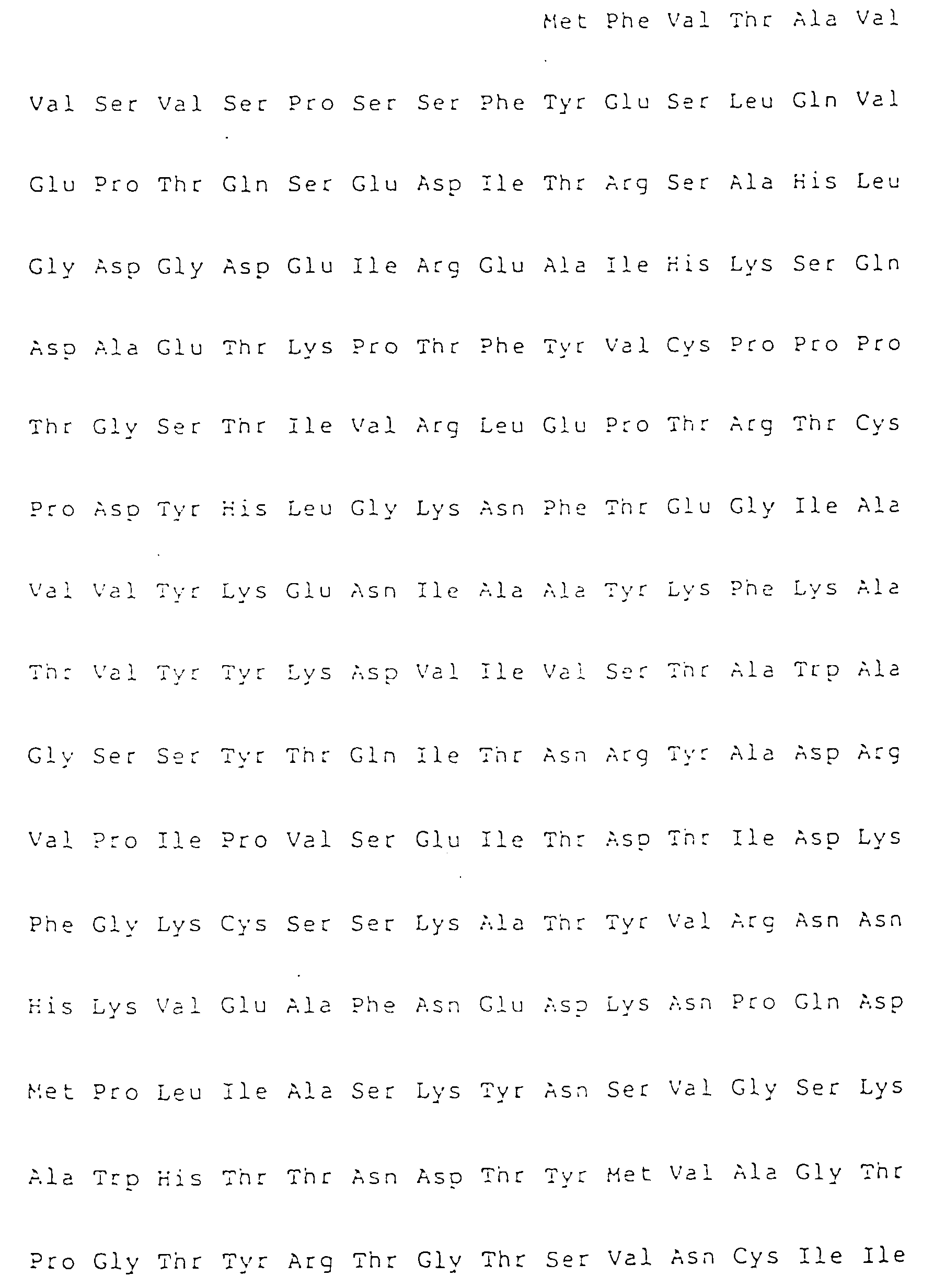
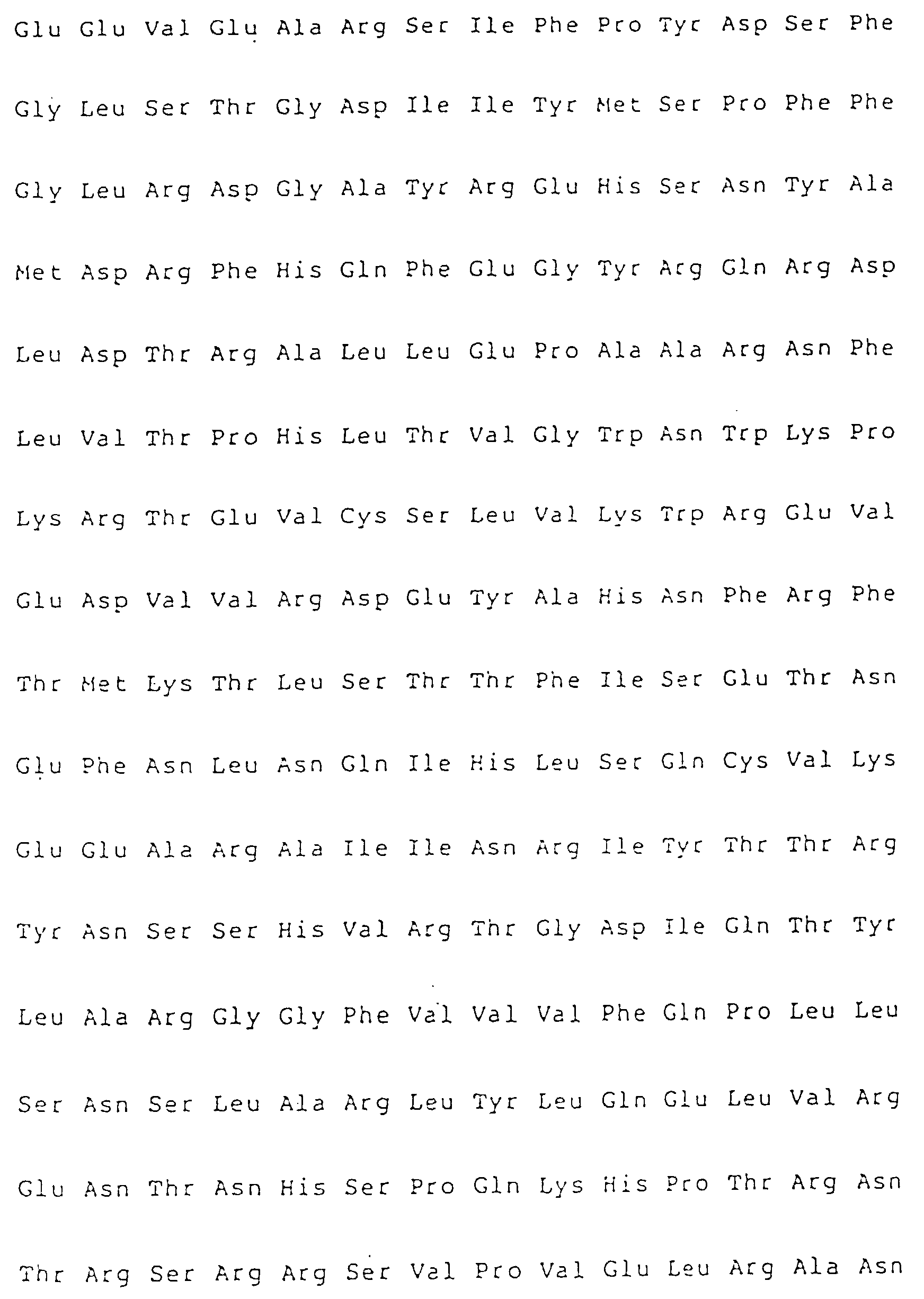
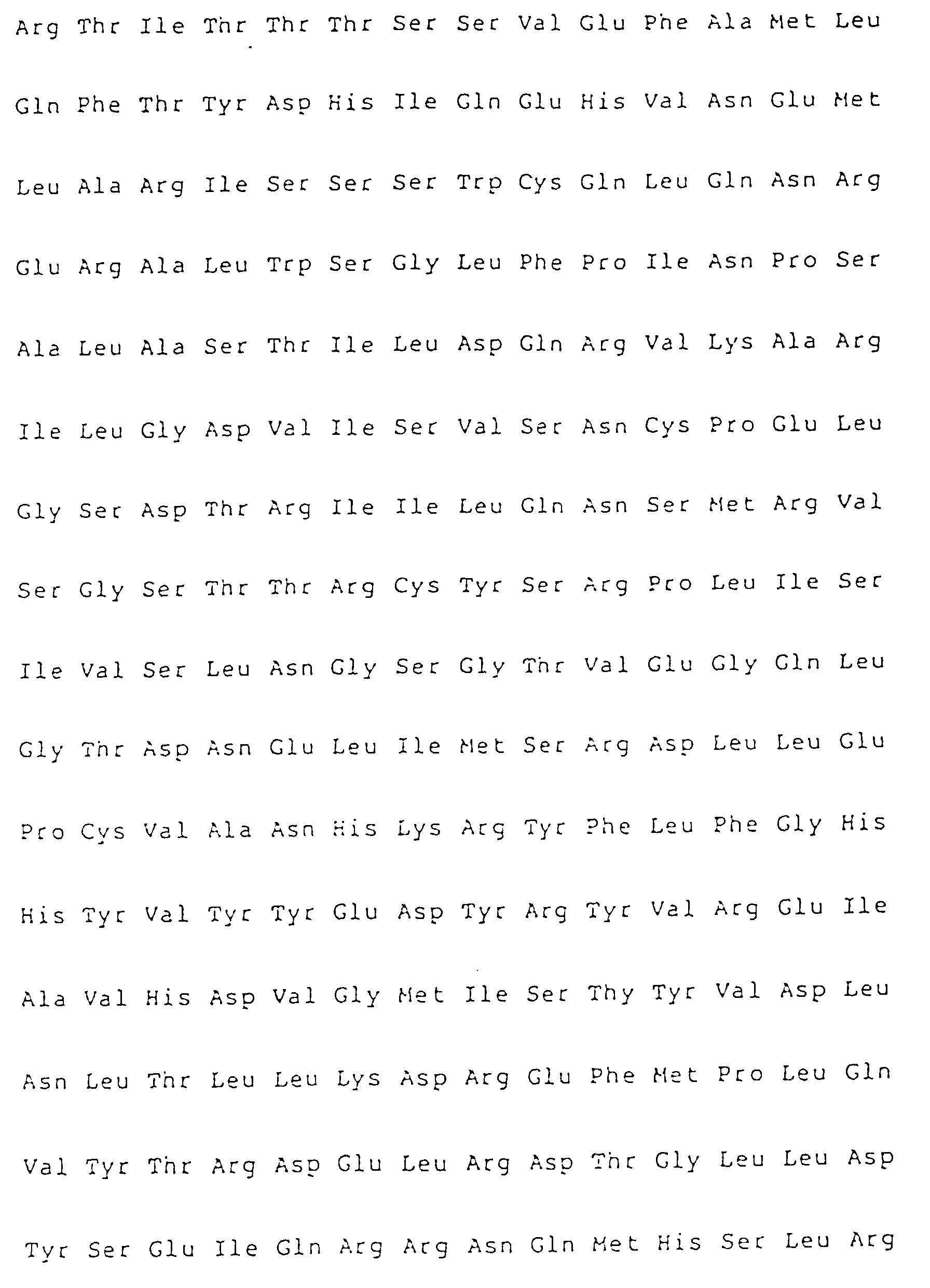
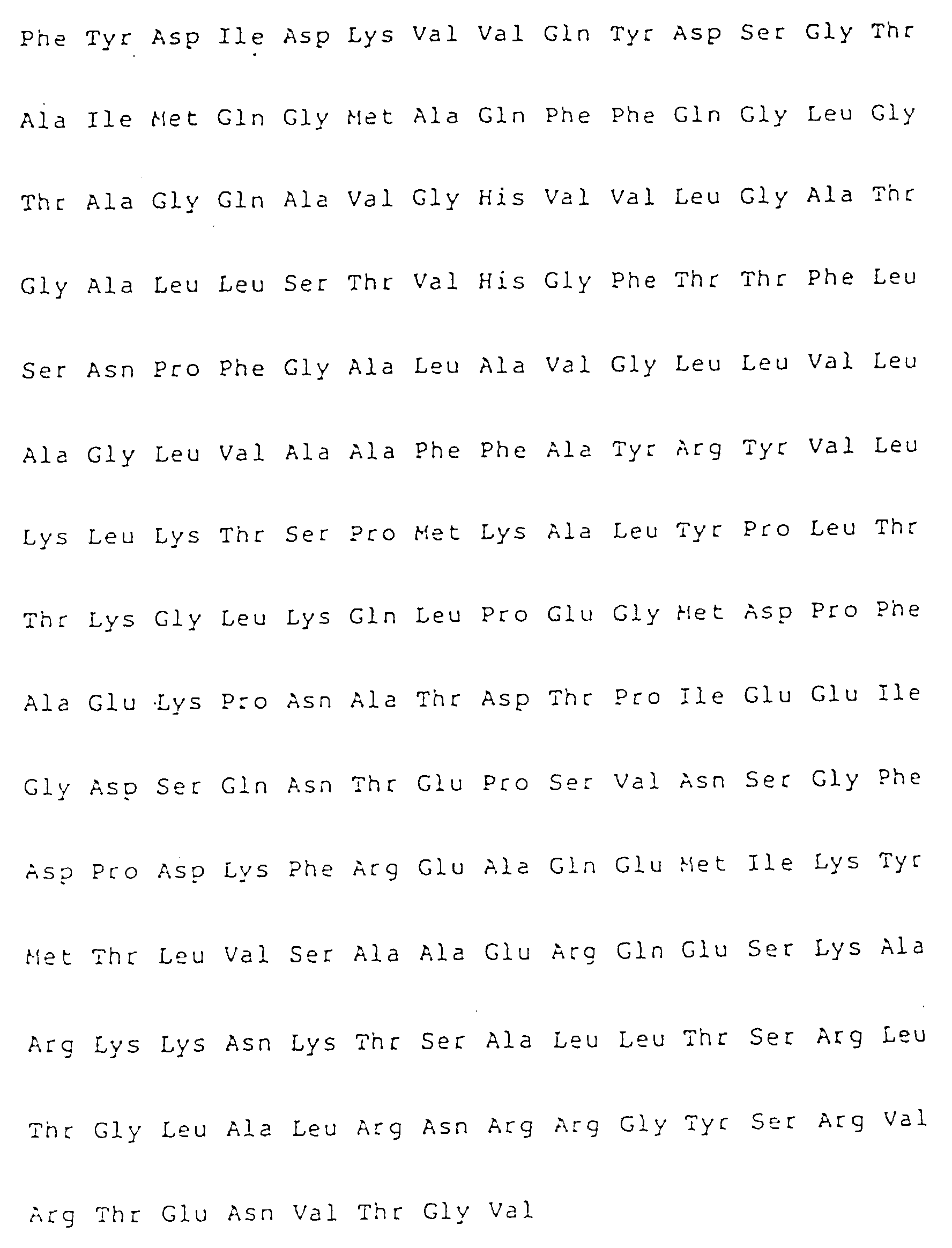
oder einer immunogenen Untereinheit davon und einem physiologisch verträglichen Träger, die sich zur Verabreichung an ein Säugetier eignet.
oder einer immunogenen Untereinheit davon und einem physiologisch verträglichen Träger, die sich zur Verabreichung an ein Säugetier eignet.
2. Immunogene Zusammensetzung nach Anspruch 1, umfassend 5 ug bis 150 ug des Polypeptides
oder der immunogenen Untereinheit davon.
3. Immunogene Zusammensetzung nach Anspruch 1 oder 2, wobei der physiologisch verträgliche
Träger Salzlösung oder phosphatgepufferte Salzlösung ist.
1. Composition immunogène constituée d'un polypeptide non-glycosylé ayant la séquence
suivante :
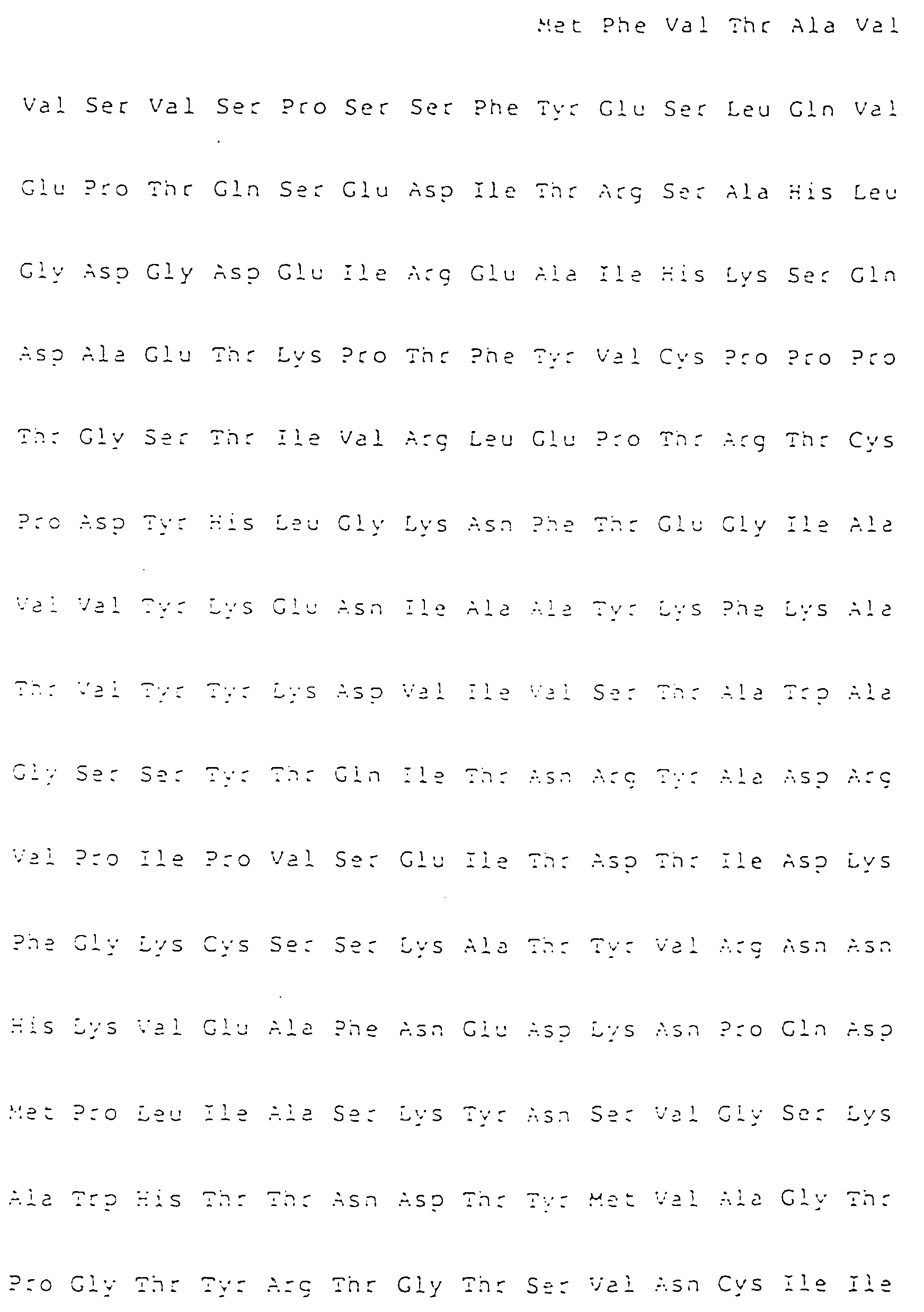
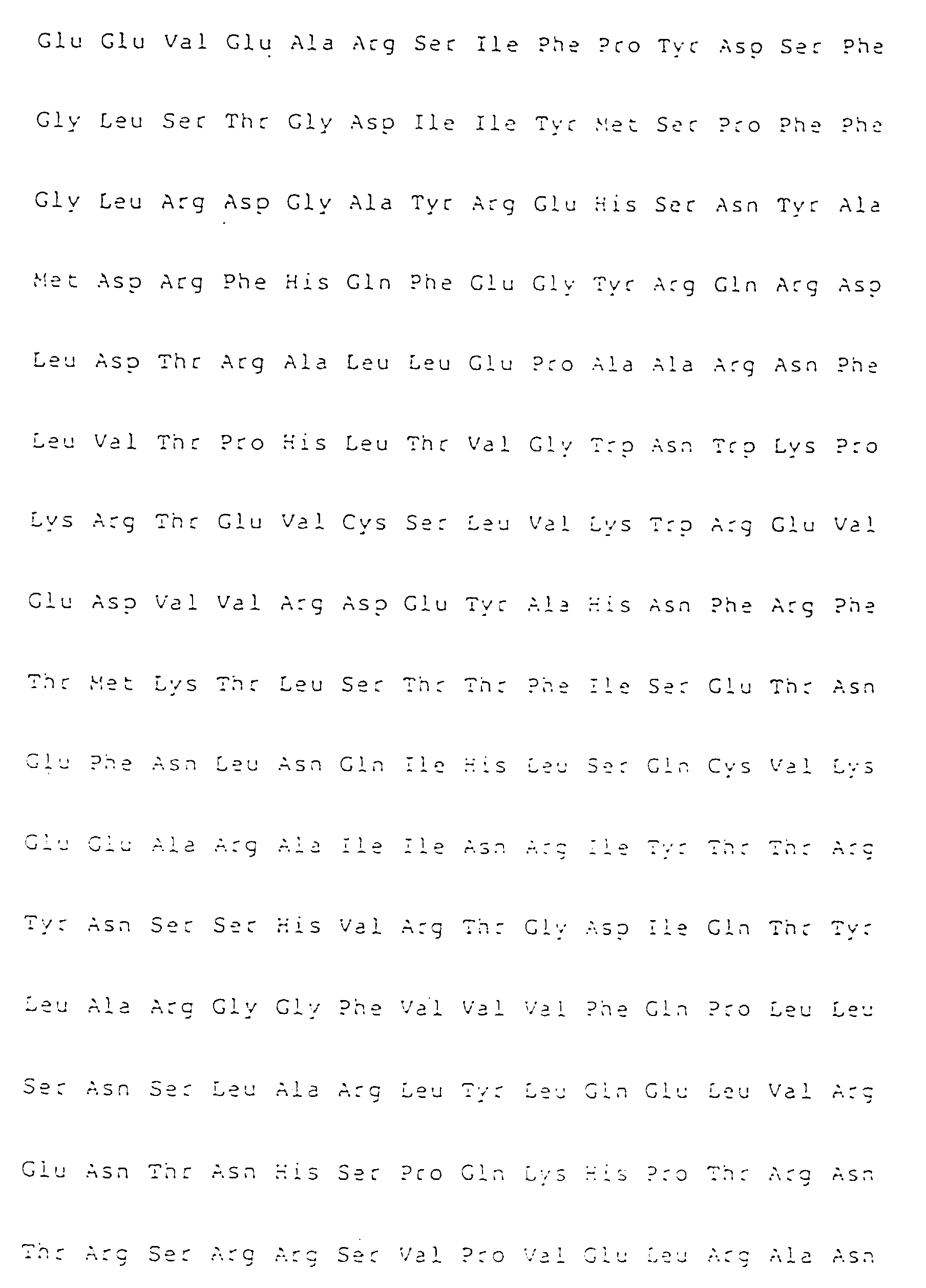
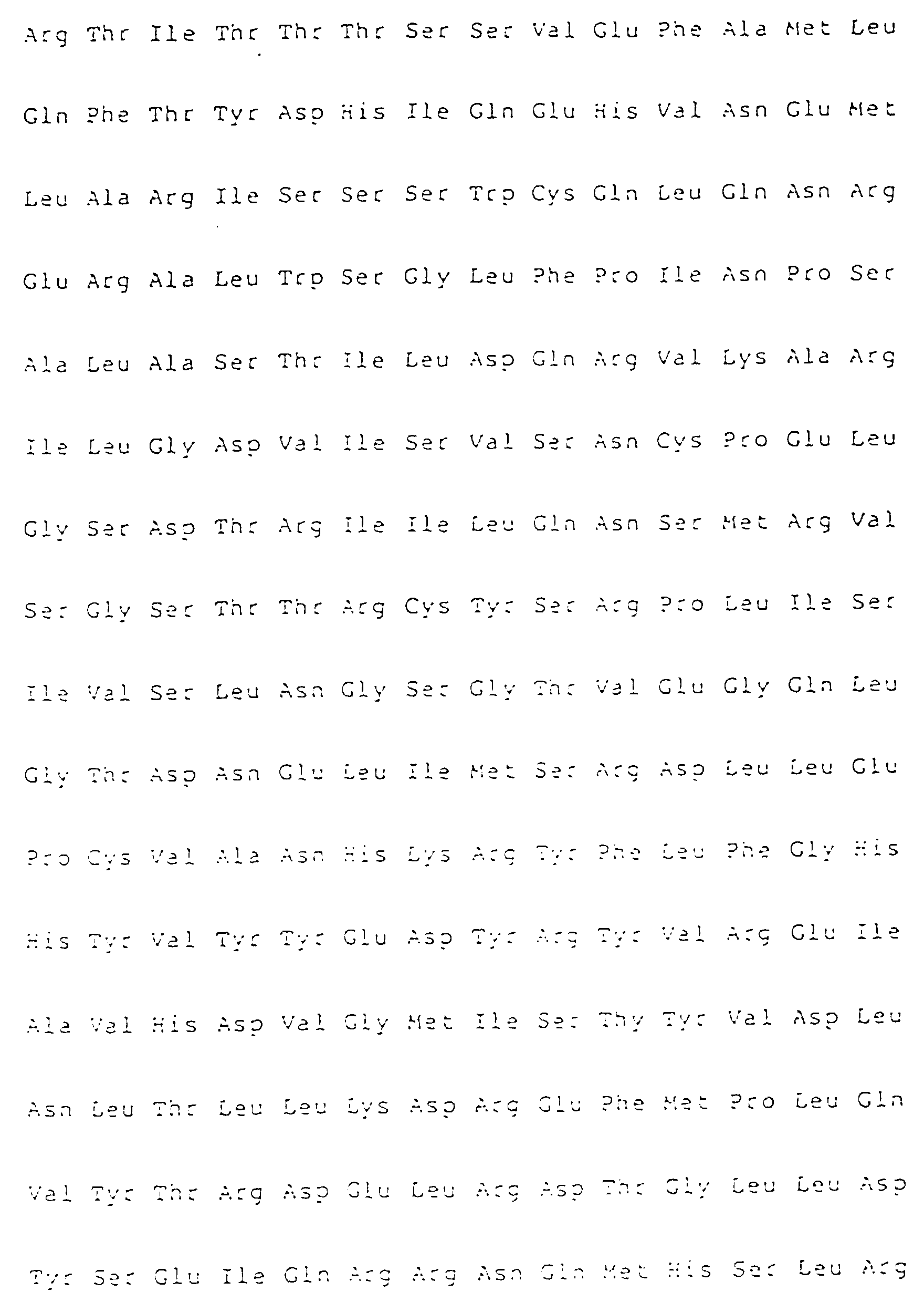
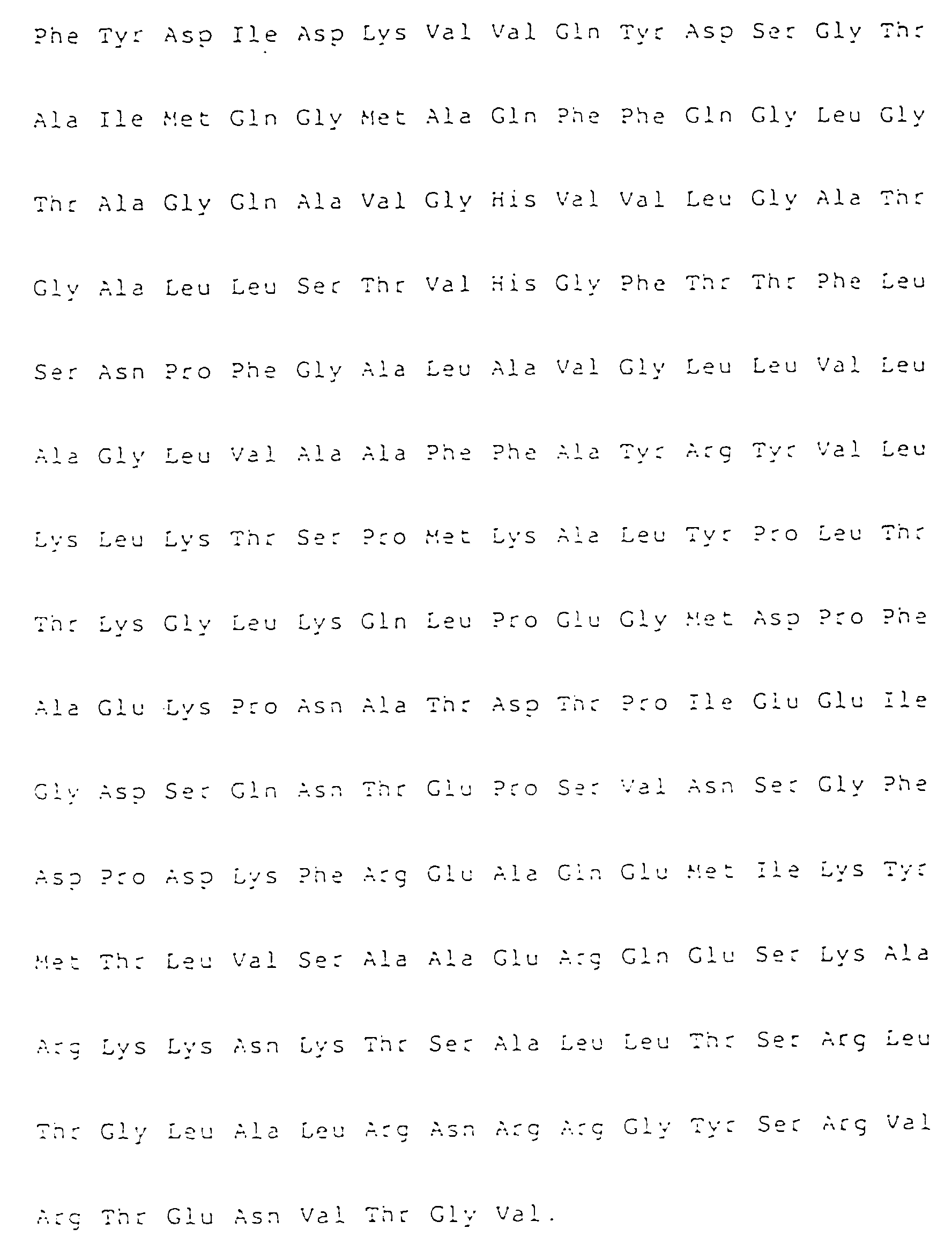
ou une sous-unité immunogène de cette composition, et un excipient acceptable d'un point de vue physiologique, convenant à une administration à un mammifère.
ou une sous-unité immunogène de cette composition, et un excipient acceptable d'un point de vue physiologique, convenant à une administration à un mammifère.
2. Composition immunogène selon la revendication 1, comprenant de 5 à 150 µg du polypeptide
ou une sous-unité immunogène de ce dernier.
3. Composition immunogène selon les revendications 1 ou 2, dans laquelle l'excipient
acceptable d'un point de vue physiologique est une solution salée ou une solution
salée tamponnée par un tampon phosphate.