| (19) |
 |
|
(11) |
EP 0 486 526 B2 |
| (12) |
NEW EUROPEAN PATENT SPECIFICATION |
| (45) |
Date of publication and mentionof the opposition decision: |
|
07.03.2001 Bulletin 2001/10 |
| (45) |
Mention of the grant of the patent: |
|
22.05.1996 Bulletin 1996/21 |
| (22) |
Date of filing: 07.08.1990 |
|
| (86) |
International application number: |
|
PCT/AU9000/337 |
| (87) |
International publication number: |
|
WO 9102/078 (21.02.1991 Gazette 1991/05) |
|
| (54) |
TUMOUR NECROSIS FACTOR BINDING LIGANDS
BINDELIGANDE FÜR TUMORNEKROSISFAKTOR
LIGANDS DE LIAISON DU FACTEUR DE NECROSE DE TUMEURS
|
| (84) |
Designated Contracting States: |
|
CH DE DK ES FR GB IT LI NL SE |
| (30) |
Priority: |
07.08.1989 AU 566289
24.11.1989 AU 757689
|
| (43) |
Date of publication of application: |
|
27.05.1992 Bulletin 1992/22 |
| (73) |
Proprietor: Peptech Limited |
|
Dee Why, NSW 2099 (AU) |
|
| (72) |
Inventors: |
|
- RATHJEN, Deborah, Anne
Thornleigh, NSW 2120 (AU)
- ASTON, Roger
West Pennant Hills, NSW 2120 (AU)
|
| (74) |
Representative: Sheard, Andrew Gregory et al |
|
Kilburn & Strode
20 Red Lion Street
London WC1R 4PJ
London WC1R 4PJ (GB) |
| (56) |
References cited: :
EP-A- 0 260 610
EP-A- 0 366 043
|
EP-A- 0 288 088
|
|
| |
|
|
- The Journal of Immunology, Vol.141, No.2, issued July 15,1988 (U.S.A.) SHALABY, M.R.,
et al, "The involvement of human tumor necrosis factors -alfa and -beta in the mixed
lymphocyte reaction" see page 499.
- Hybridoma, Vol.6, No.4, issued 1987, (U.S.A.), FENDLY, B.M., "Murine monoclonal antibodies
defining neutralizing epitopes on tumor necrosis factor", whole document.
- PATENTS ABSTRACTS OF JAPAN, C-678, page 112, JP,A, 1-268645 (TEIJIN LTD) 26 October
1989 (26.10.89).
|
|
| |
|
[0001] The present invention relates to ligands which bind to human tumour necrosis factor
alpha (TNF) in a manner such that upon binding the biological activity of TNF is modified.
The type of modification shown here is distinct from previous descriptions of antibodies
which bind to TNF alpha and inhibit all TNF alpha activity The new discovery shows
how the different activities of TNF alpha can be selectively inhibited or enhanced.
In addition, the present invention relates to a composition comprising a molecule
bound to TNF and to methods of therapy utilising TNF and molecules active against
TNF.
[0002] Tumor necrosis factor alpha (TNF) is a product of activated macrophages first observed
in the serum of experimental animals presensitized with
Bacillus Calmette-Guerin or
Corynebacterium parvum and challenged with endotoxin (LPS). Following the systematic administration of TNF
haemorrhagic necrosis was observed in some transplantable tumours of mice while
in vitro TNF caused cytolytic or cytostatic effects on tumour cell lines
[0003] In addition to its host-protective effect, TNF has been implicated as the causative
agent of pathological changes in septicemia, cachexia and cerebral malaria. Passive
immunization of mice with a polyclonal rabbit serum against TNF has been shown to
protect mice against the lethal effects of LPS endotoxin, the initiating agent of
toxic shock, when administered prior to infection.
[0004] The gene encoding TNF has been cloned allowing the usefulness of this monokine as
a potential cancer therapy agent to be assessed. While TNF infusion into cancer patients
in stage 1 clinical trials has resulted in tumour regression, side-effects such as
thrombocytopaenia, lymphocytopaenia, hepatotoxicity, renal impairment and hypertension
have also been reported These quite significant side-effects associated with the clinical
use of TNF are predictable in view of the many known effects of TNF. some of which
are listed in Table 1.
TABLE 1
| BIOLOGICAL ACTIVITIES OF TNF |
| - ANTI-TUMOUR |
| - ANTI-VIRAL |
| - ANTI-PARASITE |
FUNCTION
[0005]
cytotoxic action on tumour cells
pyrogenic activity
angiogenic activity
inhibition of lipoprotein lipase
activation of neutrophils
osteoclast activation
induction of endothelial, monocyte and tumour cell procoagulant activity
induction of surface antigens on endothelial cells
induction of IL-6
induction of c-myc and c-fos
induction of EGF receptor
induction of IL-1
induction of TNF synthesis
induction of GM-CSF synthesis
increased prostaglandin and collagenase synthesis
induction of acute phase protein C3
[0006] Of particular importance is the activation of coagulation which occurs as a consequence
of TNF activation of endothelium and also peripheral blood monocytes. Disseminated
intravascular coagulation is associated with toxic shock and many cancers including
gastro-intestinal cancer, cancer of the pancreas, prostate, lung, breast and ovary,
melanoma, acute leukaemia, myeloma, myeloproliferative syndrome and myeloblastic leukaemia
Clearly modifications of TNF activity such that tumour regression activity remains
intact but other undesirable effects such as activation of coagulation are removed
or masked would lead to a more advantageous cancer therapy. while complete abrogation
of TNF activity is sought for successful treatment of toxic shock.
[0007] Segregation of hormonal activity through the use of site-specific antibodies (both
polyclonal and monoclonal) can result in enhanced hormonal activity (Aston et al,
1989, Mol. Immunol.
26, 435). To date few attempts have been made to assign antigenicity or function to
particular regions of the TNF molecule for which the three-dimensional structure is
now known. Assignment of function to such regions would permit the development of
MAbs and other ligands of therapeutic use. Polyclonal antibodies to amino acids 1
to 15 have been reported to block Hela R19 cell receptor binding by TNF (Socher et
al, 1987, PNAS
84, 8829) whilst monoclonal antibodies recognising undefined conformational epitopes
on TNF have been shown to inhibit TNF cytotoxicity
in vitro (Bringman and Aggarwal, 1987, Hybridoma
6. 489). However, the effects of these antibodies on other TNF activities is unknown.
[0008] EP-A-0288088 discloses a limited number of monoclonal antibodies which are said to
bind to particular epitopes of human TNF These epitopes are contained in the 68th
to 97th, 7th to 37th. and 113th to 127th amino acids of human TNF.
[0009] EP-A-0260610 discloses monoclonal antibodies binding to human TNF including AM-195
secreted by cell line ECACC 87050801, which neutralises cylotoxic activity of human
TNF.
[0010] The present inventors have produced panels of monoclonal antibodies active against
human TNF and have characterised them with respect to their effects on the anti-tumour
effect of TNF (both
in vitro and
in vivo), TNF receptor binding, activation of coagulation (both
in vitro and
in vivo) and defined their topographic specificities. This approach has led the inventors
to show that different topographic regions of TNF alpha are associated with different
activities. Therefore the inventors enable the identification of antibodies or ligands
which selectively enhance or inhibit TNF alpha activity, thereby providing for improved
therapeutic agents and regimes including TNF alpha.
[0011] According to a first embodiment of the present invention, there is provided an antibody
or antibody fragment capable of binding to TNF, the antibody or antibody fragment
being characterised in that when it binds to TNF the induction of endothelial procoagulant
activity of the TNF is inhibited, the antibody or antibody fragment binding to the
TNF such that the epitope of the TNF defined by the topographic region of 1-18, 58-65,
115-125 and 138-149, or the topographic region of residues 1-18 and 108-128, or the
topographic region of residues 56-79, 110-127 and 135-155 or the topographic region
of residues 1-30, 117-128 and 141-153, or the topographic region of residues 1-18,
or the topographic region of residues 22-40, 49-97, 110-127 and 136-153, or the topographic
region of residues 1-20 and 76-90. or the topographic region of residues 22-40, 69-97,
105-128 and 135-155 is substantially prevented from binding to naturally occurring
biologically active ligands.
[0012] According to a second embodiment of the present invention there is provided an antibody
or antibody fragment capable of binding to human TNF. such that when it binds to TNF
the tumour fibrin deposition activity of the TNF is enhanced; the induction of endothelial
procoagulant activity of the TNF is unaffected and the cytotoxicity. tumour regression
and receptor binding activities of the TNF are inhibited, characterised in that when
the antibody or antibody fragment binds to the TNF, the epitope of the TNF defined
by the topographic regions of residues 12-22, 36-45, 96-105 and 132-157 is substantially
prevented from binding to naturally occurring biologically active ligands, and/or
the antibody or antibody fragment binds to human TNF in the topographic regions of
residues 12-22, 36-45, 96-105 and 132-157.
[0013] According to a third embodiment of the present invention, there is provided an antibody
or antibody fragment capable of binding to human TNF, such that the tumour fibrin
deposition, the induction of endothelial procoagulant, cytotoxicity, tumour regression
and receptor binding activities of the TNF are unaffected, characterised in that when
the antibody or antibody fragment binds to the TNF, the epitope of the TNF defined
by the topographic regions of residues 22-31 and 146-157 is substantially prevented
from binding to naturally occurring biologically active ligands, and/or the antibody
or antibody fragment binds to human TNF in the topographic regions of residues 22-31
and 146-157.
[0014] According to a fourth embodiment of the present invention, there is provided an antibody
capable of binding to human TNF, such that the induction of endothelial procoagulant
activity of the TNF is unaffected and the cytotoxicity, tumour regression, tumour
fibrin deposition and receptor binding activities of the TNF are inhibited characterised
in that when the antibody or antibody fragment binds to the TNF, the epitope of the
TNF defined by the topographic regions of residues 22-40 and either 49-98 or 70-87
is substantially prevented from binding to naturally occurring biologically active
ligands and/or the antibody or antibody fragment binds to human TNF in the topographic
region of residues 22-40 and either 49-98 or 70-87, wherein the antibody is not antibody
AM-195 secreted by cell line ECACC 87050801.
[0015] Preferred aspects of the present invention are given in the dependent claims.
[0016] The antibody or antibody fragment can be selected from the group consisting F(ab)
fragments, restructured anti-bodies (CDR grafted humanised antibodies) single domain
antibodies (dAbs) and single chain antibodies. However it is presently preferred that
the antibody or antibody fragment is a monoclonal antibody or F(ab) fragment thereof.
[0017] The present invention includes particular monoclonal antibodies or fragments thereof.
These antibodies are listed below :
A) A monoclonal antibody selected from the group consisting of the monoclonal antibodies
designated MAb 1, MAb 47 and MAb 54 (see claim 3). Samples of the hybridoma cell lines
which produce MAb 1, MAb 54 and MAb 47 have been deposited with the European Collection
of Animal Cell Cultures (ECACC), Vaccine Research and Production Laboratory, Public
Health Laboratory Service, Centre for Applied Microbiology and Research, Porton Down,
Salisbury, Wiltshire SP4 OJG, United Kingdom, MAb 1 was deposited on 3 August 1989
and accorded accession No. 89080301; MAb 54 was deposited on 31 August 1989 and accorded
accession No. 89083103; MAb 47 was deposited on 14 December 1989 and accorded accession
No. 89121402.
B) The monoclonal antibody designated MAb 42 (see claim 10). A sample of the hybridoma
cell line producing MAb 42 was deposited with the European Collection of Animal Cell
Cultures (ECACC), Vaccine Research and Production Laboratory, Public Health Laboratory
Service, Centre for Applied Microbiology and Research, Porton Down, Salisbury, Wiltshire
SP4 OJG, United Kingdom on 3 August 1989 and was accorded accession No. 89080304.
C) The monoclonal antibody designed MAb 25 (see claim 21). A sample of the hybridoma
cell line producing MAb 25 was deposited with the European Collection of Animal Cell
Cultures (ECACC), Vaccine Research and Production Laboratory, Public Health Laboratory
Service, Centre for Applied Microbiology and Research, Porton Down, Salisbury, Wiltshire
SP4 OJG, United Kingdom on 14 December 1989 and was accorded accession No.89121401.
D) The monoclonal antibody designated MAb 21 (see claim 17). A sample of the hybridoma
cell line producing MAb 21 was deposited with the European Collection of Animal Cell
Cultures (ECACC), Vaccine Research and Production Laboratory, Public Health Laboratory
Service, Centre for Applied Microbiology and Research, Porton Down, Salisbury, Wiltshire
SP4 OJG, United Kingdom on 25 January 1990 and was accorded accession No. 90012432.
E) The monoclonal antibody designated MAb 53 (see claim 19). A sample of the hybridoma
cell line producing MAb 53 was deposited with the European Collection of Animal Cell
Cultures (ECACC), Vaccine Research and Production Laboratory, Public Health Laboratory
Service, Centre for Applied Microbiology and Research, Porton Down, Salisbury, Wiltshire
SP4 OJG, United Kingdom on 25 January 1990 and was accorded accession No. 90012433.
F) The monoclonal antibody designated MAb 37 (see claim 23). A sample of the hybridoma
cell line producing MAb 37 was deposited with the European Collection of Animal Cell
Cultures (ECACC), Vaccine Research and Production Laboratory, Public Health Laboratory
Service, Centre for Applied Microbiology and Research, Porton Down, Salisbury, Wiltshire
SP4 OJG, United Kingdom on 3 August 1989 and was accorded accession No. 89080303.
[0018] The biological activities of TNF referred to herein by the terms "Tumour Regression",
"Induction of Endothelial Procoagulant", "Induction of Tumour Fibrin Deposition",
"Cytotoxicity" and "Receptor Binding" are to be determined by the methods described
below.
[0019] The term "single domain antibodies" as used herein is used to denote those antibody
fragments such as described in Ward et al
(Nature, 341, 544-546 (1989)) as suggested by these authors.
[0020] In order that the nature of the present invention may be more clearly understood,
preferred forms thereof will now be described with reference to the following example
and accompanying figures in which:-
Fig. 1 shows the results of a titration assay with MAb 1 against TNF;
Fig. 2 shows TNF MAb 1 scatchard plot and affinity determination;
Fig. 3 shows the effect of anti-TNF monoclonal antibodies 1 and 32 on TNF cytotoxicity
in WEHI-164 cells;
Fig. 4 shows the effect of MAb 1 on TNF-induced regression of a Meth A solid tumour;
Fig. 5 shows the effect of MAbs 1 and 25 on TNF-induced Meth A Ascites tumour regression;
Fig. 6 shows the effect of anti-TNF MAbs on induction of endothelial cell procoagulant
activity by TNF;
Fig. 7 shows incorporation of labelled fibrinogen into tumours of tumour-bearing mice
and the effect of anti-TNF MAbs:
Fig. 8 is a schematic representation of epitopes on TNF;
Fig. 9 shows the effect of anti-TNF MAbs on TNF-induced regression of WEHI-164 tumours;
Fig. 10 shows the enhancement of TNF regression activity by MAb 32 in two experiments:
Fig. 11 shows the enhancement of TNF-induced tumour regression by MAb 32 - dose response
at day 1 and day 2:
Fig. 12 shows binding of radio labelled TNF to receptors on bovine aortic endothelial
cells;
Fig. 13 shows receptor binding studies of TNF complexed with MAb 32 (
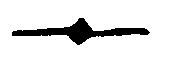
), control antibody (
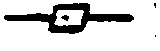
) and MAb 47 (
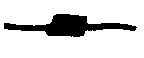
) on melanoma cell line MM418E:
Fig. 14 shows receptor binding studies of TNF complexed with MAb 32 (
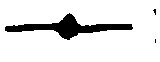
), control antibody (
) and MAb 47 (

) on melanoma cell line IGR3:
Fig. 15 shows receptor binding studies of TNF complexed with MAb 32 (
), control antibody (

) and MAb 47 (

) on bladder carcinoma cell line 5637;
Fig. 16 shows receptor binding studies of TNF complexed with MAb 32 (
), control antibody (
) and MAb 47 (
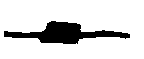
) on breast carcinoma cell line MCF7;
Fig. 17 shows receptor binding studies of TNF complexed with MAb 32 (
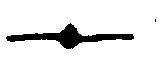
), control antibody (
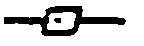
) and MAb 47 (
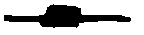
) on colon carcinoma cell line B10:
Fig. 18 shows the effect on TNF-mediated tumour regression in vivo by MAb 32 (

) control MAb (

) and MAb 47 (*):
Fig. 19 shows the effect on TNF-mediated tumour regression in vivo by control MAb, MAb 32 and univalent FAb' fragments of MAb 32;
Fig. 20 shows the effect on TNF induced tumour regression by control MAb (

), MAb 32 (

) and peptide 301 antiserum (

);
Fig. 21 shows MAb.32 reactivity with overlapping peptides of 10 AA length; and
Fig. 22 shows a schematic three dimensional representation of the TNF molecule.
Fig. 23 shows topographically the region of residues 1 - 20, 56 - 77, 108 - 127 and
138 - 149:
Fig. 24 shows topographically the region of residues 1 - 18 and 108..-128:
Fig. 25 shows topographically the region of residues 56-79, 110 - 127 and 136 - 155;
Fig. 26 shows topographically the region of residues 1 - 26, 117 - 128 and 141 - 153;
Fig. 27 shows topographically the region of residues 22 - 40, 49 - 97, 110 - 127 and
136 - 153;
Fig. 28 shows topographically the region of residues 12 - 22, 36 - 45, 96 - 105 and
132 - 157;
Fig. 29 shows topographically the region of residues 1 - 20 and 76 - 90;
Fig. 30 shows topographically the region of residues 22 - 40, 69 - 97, 105 - 128 and
135 - 155;
Fig. 31 shows topographically the region of residues 22 - 31 and 146 - 157;
Fig. 32 shows topographically the region of residues 49 - 98; and
Fig. 33 shows topographically the region of residues 22-40 and 70-87.
Animals and Tumour Cell Lines
[0021] In all experiments BALB/C female mice aged 10-12 weeks obtained from the CSIRO animal
facility were used. Meth A solid tumour and Meth A ascites tumour cell lines were
obtained from the laboratory of Dr. Lloyd J. Old (Sloan Kettering Cancer Centre) and
the WEHI-164 fibrosarcoma line was obtained from Dr. Geeta Chauhdri (John Curtin School
of Medical Research, Australian National University).
Fusions and Production of Hybridomas
[0022] Mice were immunised with 10 ug human recombinant TNF intra-peritoneally in Freund's
complete adjuvant. One month later 10 ug TNF in Freund's incomplete adjuvant was administered.
Six weeks later and four days prior to fusion selected mice were boosted with 10 ug
TNF in PBS. Spleen cells from immune mice were fused with the myeloma Sp2/0 according
to the procedure of Rathjen and Underwood (1986, Mol. Immunol.
23, 441). Cell lines found to secrete anti-TNF antibodies by radioimmunoassay were subcloned
by limiting dilution on a feeder layer of mouse peritoneal macrophages. Antibody subclasses
were determined by ELISA (Misotest, Commonwealth Serum Laboratories).
Radioimmunoassay
[0023] TNF was iodinated using lactoperoxidase according to standard procedures. Culture
supematants from hybridomas (50 ul) were incubated with 1251 TNF (20,000 cpm in 50
ul) overnight at 4°C before the addition of 100 ul Sac-Cel (donkey anti-mouse/rat
immunoglobulins coated cellulose, Wellcome Diagnostics) and incubated for a further
20 minutes at room temperature (20°C). Following this incubation 1 ml of PBS was added
and the tubes centrifuged at 2,500 rpm for 5 minutes. The supernatant was decanted
and the pellet counted for bound radioactivity.
Antibody-Antibody Competition Assays
[0024] The comparative specificites of the monoclonal antibodies were determined in competition
assays using either immobilized antigen (LACT) or antibody (PACT) (Aston and Ivanyi,
1985, Pharmac. Therapeut. 27, 403).
PACT
[0025] Flexible microtitre trays were coated with monoclonal antibody (sodium sulphate precipitated
globulins from mouse ascites fluid, 100 micrograms per ml in sodium bicarbonate buffer,
0.05M, pH 9.6) overnight at 4°C prior to blocking non-specific binding sites with
1% bovine serum albumin in PBS (BSA/PBS). The binding of 1251 TNF to immobilised antibody
was determined in the presence of varying concentrations of a second anti-TN F monoclonal
antibody. Antibody and TNF were added simultaneously and incubated for 24 hours prior
to washing with PBS (4 times) and counting wells for bound radioactivity. 100% binding
was determined in the absence of heterologous moncclonal antibody while 100% competition
was determined in the presence of excess homologous monoclonal antibody. All dilutions
were prepared in BSA/PBS.
LACT
[0026] The binding of protein A purified, radiolabelled monoclonal antibodies to TNF coated
microtitre wells was determined in the presence of varying concentrations of a second
monoclonal antibody. Microtitre plates were coated with TNF (50 micrograms per ml)
as described above. Quantities of competing antibodies (50 microlitres) were pre-incubated
on plates for 4 hour at 4°C prior to addition of 1251 monoclonal antibody (30,000
cpm) for a further 24 hours. Binding of counts to wells was determined after four
washes with PBS. 100% binding was determined in the absence of competing antibody
while 100% competition was determined in the presence of excess unlabelled monoclonal
antibody.
WEHI-164 Cytotoxicity Assay
[0027] Bioassay of recombinant TNF activity was performed according to Espevik and Nissen-Meyer
(1986, J. Immunol. Methods
95, 99). The effect of the monoclonal antibody on TNF activity was determined by the
addition of the monoclonal antibody to cell cultures at ABT90.
Tumour Regression Experiments
[0028] Modulation of TNF-induced tumour regression activity by monoclonal antibodies was
assessed in three tumour models: the subcutaneous tumours WEHI-164 and Meth A sarcoma
and the ascitic Meth A tumour. Subcutaneous tumours were induced by the injection
of approximately 5 x 10⁵ cells. This produced tumours of between 10 - 15 mm approximately
14 days later. Mice were injected intra-peritoneally with human recombinant TNF (10
micrograms) plus monoclonal antibody (200 microlitres ascites globulin) for four consecutive
days. Control groups received injections of PBS alone or TNF plus monoclonal antibody
against bovine growth hormone. At the commencement of each experiment tumour size
was measured with calipers in the case of solid tumours or tumour-bearing animals
weighed in the case of ascites mice. These measurements were taken daily throughout
the course of the experiment.
Radio-Receptor Assays
[0029] WEHI-164 cells grown to confluency were scrape harvested and washed once with 1%
BSA in Hank's balanced salt solution (HBSS, Gibco). 100 ul of unlabelled TNF (1-10,000
ng/tube) or monoclonal antibody (10 fold dilutions commencing 1 in 10 to 1 in 100,000
of ascitic globulin) was added to 50ul 125l TNF (50,000 cpm). WEHI cells were then
added (200 microlitres containing 2 x 10⁶ cells). This mixture was incubated in a
shaking water bath at 37°C for 3 hours. At the completion of this incubation 1 ml
of HBSS was added and the cells spun at 16,000 rpm for 30 seconds. The supernatant
was discarded and bound 1251 TNF in the cell pellet counted. All dilutions were prepared
in HBSS containing 1% BSA.
Procoagulant Induction by TNF on Endothelial Cells
[0030] Bovine aortic endothelial cells (passage 10) were grown in RPMI-1640 containing 10%
foetal calf serum (FCS), penicillin, streptomycin, and 2-mercaptoethanol at 37°C in
5% CO
2. For induction of procoagulant activity by TNF the cells were trypsinised and plated
into 24-well Costar trays according. to the protocol of Bevilacqua
et al., 1986 (PNAS
83, 4533). TNF (0-500 units/culture) and monoclonal antibody (1 in 250 dilution of ascitic
globulin) was added after washing of the confluent cell monolayer with HBSS. After
4 hours the cells were scrape harvested, frozen and sonicated. Total cellular procoagulant
activity was determined by the recalcification time of normal donor platelet-poor
plasma performed at 37°C, 100 microlitres of citrated platelet-poor plasma was added
to 100 ul of cell lysate and 100 ul of calcium chloride (30mM) and the time taken
for clot formation recorded. In some experiments tumour cell culture supernatant was
added to endothelial cells treated with TNF and/or monoclonal antibody (final concentration
of 1 in 2).
Incorporation of 1251 Fibrinogen into Tumours of Mice Treated with TNF and Monoclonal
Antibody
[0031] In order to examine the effect of TNF and monoclonal antibodies on fibrin formation
in vivo, BALB/c mice were injected subcutaneously with WEHI-164 cells (10
5 cells/animal). After 7 - 14 days, when tumours reached a size of approximately 1
cm in diameter, animals were injected intra-peritoneally with TNF (10 ug/animal) and
125l human fibrinogen (7.5ug/animal, 122uCi/mg Amersham) either alone or in the presence
of monoclonal antibody to human TNF (200ul/animal ascitic globulin). Monoclonal antibody
against bovine growth hormone was used as control monoclonal antibody. Two hours after
TNF infusion incorporation of 125l fibrinogen into mouse tissue was determined by
removing a piece of tissue, weighing it and counting the sample in a gamma counter.
[0032] In all 13 monoclonal antibodies reacting with human TNF were isolated. These monoclonal
antibodies were designated MAb 1, MAb 11, MAb12, MAb 20, MAb 21, MAb 25, MAb 31, MAb
32, MAb 37, MAb 42, MAb 47, MAb 53 and MAb 54. The effect of these monoclonal antibodies
on the bioactivity of human TNF is set out in Table 2.
[0033] As can be seen from Table 2, whilst some monoclonal antibodies inhibit both anti-tumour
activity and activation of coagulation by human TNF (MAb 1, 47 and 54) not all antibodies
which inhibit the anti-tumour activity inhibit activation of coagulation either
in vitro or
in vivo (MAb 11, 12, 25 and 53). Indeed MAb 21 which inhibited tumour regression enhanced
the activation of coagulation
in vivo.
TABLE 2
| EFFECT OF MONOCLONAL ANTIBODIES ON TNF BIOACTIVITY |
| |
MONOCLONAL ANTIBODY |
| TNF BIOACTIVITY |
1 |
11 |
12 |
20 |
21 |
25 |
31 |
32 |
37 |
42 |
47 |
53 |
54 |
| Cytotoxicity |
- |
- |
- |
0 |
- |
- |
0 |
0 |
0 |
0 |
- |
- |
- |
| Tumour Regression |
- |
- |
- |
0 |
- |
- |
0 |
+ |
0 |
0 |
- |
- |
- |
| Induction of |
- |
0 |
0 |
- |
- |
0 |
0 |
- |
0 |
- |
- |
- |
- |
| Procoagulant |
|
|
|
|
|
|
|
|
|
|
|
|
|
| (Endothelial) |
|
|
|
|
|
|
|
|
|
|
|
|
|
| Fibrin Deposition |
- |
- |
- |
+ |
+ |
+ |
+ |
+ |
0 |
- |
- |
0 |
- |
| (tumour) |
|
|
|
|
|
|
|
|
|
|
|
|
|
| Receptor Binding |
- |
- |
- |
0 |
- |
- |
0 |
+/0* |
0 |
0 |
- |
- |
- |
| (WEHI-164) |
|
|
|
|
|
|
|
|
|
|
|
|
|
| + Enhancement 0 No effect - Inhibition * Depending on MAb concentration in the case
of WEHI-164 tumour cells and tumour type (see Figs. 3,13-17). |
[0034] MAbs 1, 47 and 54, which have been shown in competition binding studies to share
an epitope on TNF. can be seen to have highly desirable characteristics in treatment
of toxic shock and other conditions of bacterial, viral and parasitic infection where
TNF levels are high requiring complete neutralisation of TNF. Other monoclonal antibodies
such as MAb 32 are more appropriate as agents for coadministration with TNF during
cancer therapy since they do not inhibit tumour regression but do inhibit activation
of coagulation. This form of therapy is particularly indicated in conjunction with
cytotoxic drugs used in cancer therapy which may potentiate activation of coagulation
by TNF (e.g. vinblastin, acyclovir, IFN alpha, IL-2, actinomycin D, AZT, radiotherapy,
adriamycin, mytomycin C, cytosine arabinoside, dounorubicin, cis-platin, vincristine,
5-flurouracil, bleomycin, (Watanabe N et al 1988 5 Immunopharmacol. Immuno-toxicol.
10 117-127) or in diseases where at certain stages TNF levels are low (e.g. AIDS) and
where individuals may have AIDS associated cancer e.g. Kaposi sarcoma, non-Hodgkins
lymphoma and squamous cell carcinoma.
[0035] Monoclonal antibody MAb 1 has been found to have the following characteristics:-
1. Binds human recombinant TNF alpha, but not human lymphotoxin (TNF beta) or human
interferon. Similarly MAb 1 does not cross-react with recombinant murine TNF (Fig.1).
2. MAb 1 is of the immunoglobulin type lgG1, K with an apparent affinity of 4.4 x
10-9 moles/litre (Fig. 2).
3. MAb neutralises the cytotoxic effect of recombinant human TNF on WEHI-164 mouse
fibrosarcoma cells in culture. One microgram of MAb 1 neutralizes approximately 156.25
units of TNF in vitro (Fig. 3).
4. MAb 1 neutralises the tumour regression activity of TNF in the following mouse
tumour models in vivo; WEHI-164 subcutaneous solid tumour, the Meth A subcutaneous solid tumour and the
Meth A ascites tumour (Figs. 4, 5 and 9).
5. MAb1 prevents cerebral damage caused by human TNF in mice infected with malarial
parasites.
6. In radioreceptor assays MAb 1 prevents binding of TNF to receptors on WEHI-164
cells (Table 3).
7. MAb 1 inhibits the induction of procoagulant activity (tissue factor) on cultured
bovine aortic endothelial cells (Fig 6).
8. MAb 1 reduces the uptake of 1251 fibrinogen into tumours of mice treated with TNF
(Fig. 7).
9. MAb 1 competes for binding of 1251 TNF and thus shares an overlapping epitope with
the following monoclonal antibodies: 21, 25, 32, 47, 54 and 37.
10 MAb 1 does not compete for binding of 1251 TNF with the following monoclonal antibodies:
11, 12, 42, 53, 31 and 20 (Fig. 8).
TABLE 3
| RADIORECEPTOR ASSAY: INHIBITION OF TNF BINDING TO WEHI-164 CELLS BY MAb 1 |
| TREATMENT |
% SPECIFIC BINDING |
| MAb 1 |
1/10 |
0 |
| |
1/100 |
21 |
| |
1/1,000 |
49 |
| |
1/10,000 |
73 |
| |
1/100,000 |
105 |
| cold TNF (ng/tube) |
|
|
| |
10,000 |
0 |
| |
5,000 |
0 |
| |
1,000 |
0 |
| |
500 |
10 |
| |
100 |
11 |
| |
10 |
64 |
| |
1 |
108 |
| |
0 |
100 |
[0036] Mab 32 is an IgG2b,K antibody with an affinity for human TNF alpha of 8.77 ×10
-9moles/litre as determined by Scatchard analysis. This monoclonal antibody does not
react with either human TNF beta (lymphotoxin) or mouse TNF alpha.
[0037] As shown in Figure 3 MAb 32 does not inhibit TNF cytoxicity
in vitro as determined in the WEHI-164 assay.
[0038] Monoclonal antibody 32 variably enhances TNF-induced tumour regression activity against
WEHI-164 fibrosarma tumours implanted subcutaneously into BALB/c mice at a TNF dose
of 10µg/day (see Figs. 10 and 11). This feature is not common to all monoclonal antibodies
directed against TNF (Fig. 9) but resides within the binding site specificity of MAb
32 (Fig. 8) which may allow greater receptor mediated uptake of TNF into tumour cells
(see Table 4).
TABLE 4
| BINDING OF TNF TO RECEPTORS ON WEHI-164 CELLS IN THE PRESENCE OF MAb 32 |
| |
% BINDING125 I-TNF |
| MAB DILUTION |
CONTROL MAB |
MAB 32 |
| 1/10 |
36 |
141 |
| 1/100 |
74 |
88 |
| 1/1000 |
101 |
83 |
| 1/10,000 |
92 |
82 |
| 1/100,000 |
97 |
93 |
[0039] Enhancement of TNF activity-by MAb 32 at lower doses of TNF is such that at least
tenfold less TNF is required to achieve the same degree of tumour regression (see
Fig. 11 and 18). The results for day 1, 2.5ug and lug TNF and day 2, 5ug, 2.5ug and
lug are statistically significant in a t-test at p <.01 level. This level of enhancement
also increases the survival rate of recipients since the lower dose of TNF used is
not toxic. Fig. 19 shows that univalent Fab fragments of MAb 32 also cause enhancement
of TNF-induced tumour regression in the same manner as whole MAb 32 (see below).
[0040] MAb 32 inhibits the expression of clotting factors on endothelial cells normally
induced by incubation of the cultured cells with TNF (see Fig. 6). This response may
be mediated by a previously unidentified TNF receptor which is distinct to the receptor
found on other cells.
[0041] Conversely, MAb 32 enhances the
in vivo activation of coagulation within the tumour bed as shown by the incorporation of
radiolabelled fibrinogen (Fig. 7). This may be due to activation of monocytes/macrophage
procoagulant and may provide further insight into the mechanism of TNF-induced tumour
regression.
[0042] The results obtained with MAb 32 are shown in comparison to other anti-TNF MAbs in
Table 2.
[0043] The ability of MAb 32 and MAb 47 to inhibit the binding of TNF to endothelial cells
was also assessed. Bovine aortic endothelial (BAE) cells (passage 11) were plated
in 24-well culture dishes (Corning) which had been pre-coated with gelatin (0.2%)
and grown to confluence in McCoys 5A (modified) medium supplemented with 20% foetal
calf serum. For the radio-receptor assay all dilutions (of cold TNF and MAbs) were
made in this medium. The BAE cells were incubated for one hour in the presence of
either cold TNF (0 to 100ng) or MAb (ascites globulins diluted 1/100 to 1/100,000)
and iodinated TNF (50,000 cpm). At the end of this time the medium was withdrawn and
the cells washed before being lysed with 1 M sodium hydroxide. The cell lysate was
then counted for bound radioactive TNF. Specific binding of labelled TNF to the cells
was then determined.
[0044] The results obtained in this assay with MAb 32, MAb 47 and a control MAb are set
out in Figure 12.
[0045] The results obtained in the clotting assay using BAE cells cultured in the presence
of TNF and anti-TNF MAb correlate with the results obtained in the BAE radioreceptor
assay i.e. MAbs which inhibit the induction of clotting factors on the surface of
endothelial cells (as shown by the increase in clotting time compared to TNF alone)
also inhibit the binding of TNF to its receptor. This is exemplified by MAbs 32 and
47.
[0046] MAb 32, which does not inhibit TNF binding to WEHI-164 cells, does inhibit binding
of TNF to endothelial cells. This result provides support for the hypothesis that
distinct functional sites exist on the TNF molecule and that these sites interact
with distinct receptor subpopulations on different cell types. Thus ligands which
bind to defined regions of TNF are able to modify the biological effects of TNF by
limiting its binding to particular receptor subtypes.
[0047] As shown in Figure 12 MAb 47 is a particularly potent inhibitor of TNF interaction
with endothelial cells, the percentage specific binding at a dilution of 1/100 to
1/10,000 being effectively zero
RECEPTOR BINDING STUDIES OF HUMAN TNF COMPLEXED WITH MAB 32 ON HUMAN CARCINOMA CELL
LINES IN VITRO
[0048] MAb 32 has been shown to enhance the anti-tumour activity of human TNF. The mechanisms
behind the enhancement may include restriction of TNF binding to particular (tumour)
receptor subtypes but not others (endothelial) with subsequent decrease in TNF toxicity
to non-tumour cells. This mechanism does not require enhanced uptake of TNF by tumour
cells in
in vitro assays. In addition, MAb 32 also potentiates the binding of human TNF directly to
TNF receptors on certain human carcinoma cell lines.
MATERIALS AND METHODS
[0049] The following human carcinoma cell lines have been assayed for enhanced receptor-mediated
uptake of TNF in the presence of MAb 32: B10, CaCo, HT 29, SKC01 (all colon carcinomas),
5637 (Bladder carcinoma), MM418E (melanoma), IGR3 (melanoma), MCF 7 (breast carcinoma).
The cells were propogated in either RPMI-1640 (MM418E) DMEM (CaCo and IGR 3) or Iscoves
modified DMEM (B10, HT 29, SK01, S637, MCF 7) supplemented with 10% foetal calf serum,
penecillin/streptomycin and L-glutamine. Receptor assays were performed as previously
described for endothelial cells except that the incubation time with iodinated TNF
was extended to 3 hours for all but the B10 cells for which the radiolabel was incubated
for 1 hour.
RESULTS
[0050] Enhanced TNF uptake was observed in the presence of MAb32 by the melanoma cell lines
tested MM418E and IGR 3 (Figs. 13 and 14), the bladder carcinoma 5637 (Fig. 15), and
the breast carcinoma MCF 7 (Fig. 16). MAb 32 did not affect TNF-receptor interaction
in any of the other cell lines as shown by B 10 (Fig. 17) MAb 47, which has been shown
to inhibit TNF binding to WEHI-164 cells and endothelial cells, and which also inhibits
TNF-mediated tumour regression was found to markedly inhibit TNF binding to all the
cell lines tested (Figs. 13-17).
CONCLUSIONS
[0051] Receptor binding analyses have indicated a second mechanism whereby MAb 32 may potentiate
the anti-tumour activity of TNF This second pathway for enhancement of TNF results
from increased uptake of TNF by tumour all receptors in the presence of MAb 32.
ENHANCEMENT OF TNF-MEDIATED TUMOUR REGRESSION IN VIVO BY MAB 32 OR UNIVALENT FAB'
FRAGMENTS OF MAB 32
[0052] Tumour regression studies were carried out as described above in mice carrying WEHI-164
subcutaneous tumours (N = 5 animals/group). Tumour size was determined daily during
the course of the experiment. The results obtained using MAb 32 are set out in Fig.
22 and show the mean +/- SD% change in tumour area at the completion of treatment
(day 2) (

MAb 32

control MAb: *MAb 47). Differences observed between control MAb-TNF and MAb 32-TNF
treated groups are statistically significant in a T-test at the p- < .01 level.
[0053] The results using the univalent FAb' fragments of MAb 32 are shown in Fig. 19. Tumour
size was determined daily during the course of the experiment. The results show the
mean SD% change in tumour area at the completion of treatment (day 2). Differences
between the control MAb-1 OF and MAb 32-TNF treated groups are statistically significant
in a T-test at the P- <.01 level.
TNF INDUCED TUMOUR REGRESSION : EFFECT OF ANTI-PEPTIDE 301 SERA
[0054] Fig. 20 shows the percent change in tumour area in tumour-bearing mice treated for
three days with TNF plus control MAb (antibody against bovine growth hormone), TNF
plus MAb 32 or TNF plus antiserum (globulin fraction) against peptide 301 In an unpaired
T-test the control group is significantly different from both of the test groups (MAb
32, antiserum 301) while the MAb 32 and peptide antiserum 301 groups are not significantly
different from each other. (control vs MAb 32, p <.002; control vs antipeptide 301,
p <.025). Thus antisera raised using a peptide which comprises part of the MAb 32
specificity, also causes TNF enhancement of tumour regression.
[0055] As shown in Fig. 9 competition binding studies has shown that the thirteen monoclonal
antibodies can be subdivided into two main groups, namely MAbs 1, 21, 47, 54, 37,
32 and 25 and MAbs 11, 12, 53 and 42. Experiments were then conducted to identify
the regions on human TNF recognised by these monoclonal antibodies.
IDENTIFICATION OF REGIONS ON HUMAN TNF RECOGNISED BY MONOCLONAL ANTIBODIES
Methods
[0056]
1. Overlapping peptides of 7 and 10 amino acid residues long were synthesized on polypropylene
pins according to the method of Geysen et al.,1984, PNAS 81, 3998-4002. The overlap
was of 6 and 9 residues respectively and collectively the peptides covered the entire
TNF amino acid sequence. The peptides were tested for reactivity with the MAbs by
ELISA. MAbs which had TNF reactivity absorbed from them by prior incubation with whole
TNF were also tested for reactivity with the peptides and acted as a negative control.
2. Longer peptides of TNF were synthesized as described below. These peptides were
used to raise antisera in sheep using the following protocol. Merino sheep were primed
with TNF peptide conjugated to ovalbumin and emulsified in Freunds Complete adjuvant
and boosted at 4 weekly intervals with peptide-ovalbumin and sera assayed for the
presence of anti-TNF antibody by radioimmunoassay. Of the peptides shown only peptides
275, 301, 305, 306 and 307 elicited sera reacting with whole TNF. The positive sera
were then used in competitive binding assays (PACT assays) with the MAbs.
[0057] The following peptides were synthesised and are described using the conventional
three letter code for each amino acid with the TNF sequence region indicated in brackets.
Peptide 275
[0058] 
Peptide 301
[0059] 
Peptide 302
[0060] 
Peptide 304
[0061] 
Peptide 305
[0062] 
Peptide 306
[0063] 
Peptide 307
[0064] 
Peptide 308
[0065] 
Peptide 309
[0066] 
Peptide 323
[0067] 
[0068] These peptides were synthesised using the following general protocol. All peptide
were synthesised using the Fmoc-polyamide method of solid phase peptide synthesis
(Atherton et al, 1978, J.Chem.Soc.Chem.Commun.,
13, 537-539). The solid resin used was PepSyn KA which is a polydimethylacrylamide gel
on Kieselguhr support with 4-hydroxymethylphenoxyacetic acid as the functionalised
linker (Atherton et al., 1975, J.Am.Chem. Soc.
97, 6584-6585).
[0069] The carboxy terminal amino acid was attached to the solid support by a DCC/DMAP-mediated
symmetrical-anhydride esterification.
[0070] All Fmoc-groups were removed by piperidine/DMF wash and peptide bonds were formed
either via pentafluorophenyl active esters or directly by BOP/NMM/HOBt (Castro's reagent)
(Fournier et al, 1989, Int.J.Peptide Protein Res.,
33, 133-139) except for certain amino acids as specified in Table 5.
[0071] Side chain protection chosen for the amino acids was removed concomittantly during
cleavage with the exception of Acm on cysteine which was left on after synthesis.
TABLE 5
| Amino Acid |
Protecting Group |
Coupling Method |
| Arg |
Mtr or Pmc |
Either |
| Asp |
OBut |
Either |
| Cys |
Acm (permanent) |
Either |
| Glu |
OBut |
Either |
| His |
Boc |
OPfp only |
| Lys |
Boc |
Either |
| Ser |
But |
BOP only |
| Thr |
But |
BOP only |
| Tyr |
But |
Either |
| Trp |
none |
Either |
| Asn |
none |
OPfp only |
| Gln |
none |
OPfp only |
Cleavage and Purification
[0072] Peptide 301, 302, 305 are cleaved form the resin with 95% TFA and 5% thioanisole
(1.5 h) and purified on reverse phase C4 column, (Buffer A - 0.1% aqueous TFA, Buffer
B - 80% ACN 20% A).
[0073] Peptide 303, 304 are cleaved from the resin with 95% TFA and 5% phenol (5-6 h) and
purified on reverse phase C4 column. (Buffers as above).
[0074] Peptide 306, 308 are cleaved from the resin with 95% TFA and 5% water (1.5 h) and
purified on reverse phase C4 column. (Buffers as above).
[0075] Peptide 309 Peptide was cleaved from the resin with 95% TFA and 5% thioanisole and
purified on reverse phase C4 column. (Buffers as above).
[0076] Peptide 307 Peptide was cleaved from the resin with a mixture of 93% TFA, 3.1% Anisole,
2.97% Ethylmethylsulfide and 0.95% Ethanedithiol (3 h) and purified on reverse phase
C4 column. (Buffers as above).
RESULTS
[0077] Typical results of MAb ELISA using the 7 and 10 mers are shown in Fig. 21. Together
with the results of PACT assays using the sheep anti-peptide sera (shown in Table
6) the following regions of TNF contain the binding sites of the anti-TNF MAbs.
- MAb 1:
- residues 1-18, 58-65, 115-125, 138-149
- MAb 11:
- residues 49-98
- MAb 12:
- residues 22-40, 70-87
- MAb 21:
- residues 1-18, 76-90
- MAb 25:
- residues 12-22, 36-45, 96-105, 132-157
- MAb 32:
- residues 1-26, 117-128, 141-153
- MAb 37:
- residues 22-31, 146-157
- MAb 42:
- residues 22-40, 49-96, 110-127, 136-153
- MAb 47:
- residues 1-18, 108-128
- MAb 53:
- residues 22-40, 69-97, 105-128, 135-155
- MAb 54:
- residues 56-79, 110-127, 136-155
TABLE 6
| COMPETITIVE BINDING OF TNF BY ANTI-TNF MONOCLONES IN THE PRESENCE OF ANTI PEPTIDE
SERA |
| MAB/PEPTIDE SERA |
| |
275 |
301 |
305 |
306 |
307 |
| 1 |
- |
+ |
- |
- |
- |
| 11 |
- |
+/- |
- |
- |
- |
| 12 |
- |
+ |
- |
- |
+ + |
| 21 |
- |
++ |
- |
- |
- |
| 25 |
- |
+ |
- |
- |
- |
| 32 |
- |
++++ |
+ |
+ |
- |
| 37 |
- |
+ |
+/- |
- |
+ |
| 47 |
- |
+ |
- |
- |
- |
| 53 |
- |
+ |
- |
- |
+ |
| 54 |
- |
+ |
- |
- |
- |
| 42 |
- |
+ |
+ |
- |
+ |
| Note 1: - indicates no competition, + indicates slight competititon at high concentration
of anti-peptide antisera |
| (1/50), ++++ indicates trong competition by anti-peptide sera equal to that of the
homologous MAb. |
| Note 2: Only peptide which elicited sera recognising whole TNF were used in this assay. |
CONCLUSIONS
[0078] Mapping of the regions recognised by each of the MAbs has indicated that MAbs in
group I (MAbs 1, 21, 47, 54, 37, 32 and 25) as shown. on the schematic diagram bind
TNF in the region of residues 1-18 with the exception of MAbs 37 and 54, while MAbs
in group II of the schematic diagram (MAbs 11,12, 53 and 42) bind TNF in the region
of residues 70-96 which encompasses a so-called pallendromic loop on the TNF 3-D structure.
MAbs which inhibit the induction of endothelial cell procoagulant activity (MAbs 1,
32, 42, 47, 54 and 53) all bind in the region of residues 108-128 which again contains
a loop structure in the 3-D model and may indicate that this region interacts with
TNF receptors which are found on endothelial cells but not tumour cells MAb 32 which
potentiates the in vivo tumour regression and antiviral activity of TNF is the only
antibody which binds all the loop regions associated with residues 1-26, 117-128,
and 141-153 and hence binding of these regions is crucial for enhanced TNF bioactivity
with concommittant reduction of toxicity for normal cells.
[0079] As is apparent from Table 2 MAb 1, 47 and 54 have the same effect on the bioactivity
of TNF From the results presented above it is noted that these three monoclonals bind
to similar regions of the TNF molecule. Accordingly, it is believed that a ligand
which binds to TNF in at least two regions selected from the group consisting predominately
of the region of residues 1-20, the region of residues 56-77, the region of residues
108-128 and the region of residues 138-149 will effect the bioactivity of TNF in a
manner similar to that of MAbs 1, 47 and 54. Similarly, it is believed that a ligand
which binds to TNF predominately in the regions of residues 1-20 and 76-90 will have
the same effect on the bioactivity of TNF as MAb 21. A ligand which binds to TNF predominately
in the regions of residues 22-40 and 69-97 will have the same effect on bioactivity
of TNF as MAb 12. A ligand which binds to TNF predominately in the regions of residues
1-30, 117-128, and 141-153 would be expected to have the same effect on the bioactivity
of TNF as MAb 32 and a ligand which binds to TNF predominately in the regions of residues
22-40, 49-97,110-127 and 136-153 would be expected to have the same effect on the
bioactivity of TNF as MAb 42. A ligand which binds to TNF predominately in the regions
of residues 22-31 and 146-157 would be expected to have the same effect on the bioactivity
of TNF as MAb 37 and a ligand which binds to TNF predominately in the regions of residues
22-40, 69-97, 105-128 and 135-155 would be expected to have the same effect on the
bioactivity of TNF as MAb 53
[0080] The present inventors have quite clearly shown that the bioactivity of TNF can be
altered by the binding of a ligand to the TNF, and that the effect on the bioactivity
is a function of the specificity of the ligand. For example, the binding of MAb 32
to TNF in the regions of residues 1-26, 117-128 and 141-153 results in the induction
of endothelial procoagulant activity of the TNF and binding of TNF to receptors on
endothelial cells being inhibited; the induction of tumour fibrin deposition and tumour
regression activities of the TNF being enhanced; the cytotoxicity being unaffected
and the tumour receptor binding activities of the TNF being unaffected or enhanced.
It is believed that this effect on the bioactivity of the TNF may be due to the prevention
of the binding of the epitope of the TNF recognised by MAb 32 to naturally occurring
biologically active ligands. Accordingly, it is believed that a similar effect to
that produced by MAb 32 could also be produced by a ligand which binds to a region
of TNF in a manner such that the epitope recognised by MAb 32 is prevented from binding
to naturally occurring biologically active ligands. This prevention of binding may
be due to steric hindrance or other mechanisms.
[0081] Accordingly, it is intended that the prevention of the binding of epitopes recognised
by the various monoclonal antibodies described herein to naturally occurring biologically
active ligands is within the scope of the present invention.
Claims for the following Contracting State(s): CH, DE, DK, FR, GB, IT, LI, NL, SE
1. An antibody or antibody fragment capable of binding to TNF, the antibody or antibody
fragment being characterised in that when it binds to TNF the induction of endothelial
procoagulant activity of the TNF is inhibited, the antibody or antibody fragment binding
to the TNF such that the epitope of the TNF defined by the topographic region of 1-18,
58-65, 115-125 and 138-149, or the topographic region of residues 1-18 and 108-128,
or the topographic region of residues 56-79, 110-127 and 135-155, or the topographic
region of residues 1-30, 117-128 and 141-153, or the topographic region of residues
1-18, or the topographic region of residues 22-40, 49-97, 110-127 and 136-153, or
the topographic region of residues 1-20 and 76-90, or the topographic region of residues
22-40, 69-97, 105-128 and 135-155 is substantially prevented from binding to naturally
occurring biologically active ligands.
2. An antibody or antibody fragment as claimed in claim 1 in which the antibody or antibody
fragment is further characterised in that when it binds to TNF the tumour regression,
induction of tumour fibrin deposition, cytotoxicity and receptor binding activites
of the TNF are inhibited, the antibody or antibody fragment binding to the TNF such
that the epitope of the TNF defined by the topographic regions of residues 1-18, 58-65,
115-125 and 138-149, or the topographic region of residues 1-18 and 108-128, or the
topographic region of residues 56-79, 110-127 and 135-155 is substantially prevented
from binding to naturally occurring biologically active ligands.
3. An antibody or antibody fragment as claimed in claim 1 or 2 in which the antibody
or antibody fragment is a monoclonal antibody selected from MAb 1 (ECACC 89080301),
MAb 54 (ECACC 89083103) and MAb 47 (ECACC 89121402) or a fragment thereof.
4. The use of an antibody or antibody fragment as claimed in claim 2 or 3 in the preparation
of an agent for the treatment of toxic shock.
5. An antibody or antibody fragment as claimed in claim 1 in which the antibody or antibody
fragment is further characterised in that when it binds to TNF the binding of the
TNF to receptors on endothelial cells is inhibited, the induction of tumour fibrin
deposition and tumour regression activities of the TNF are enhanced; the cytotoxicity
of the TNF is unaffected; and the tumour receptor binding activity of the TNF is unaffected
or enhanced; the antibody or antibody fragment binding to TNF such that the epitope
of the TNF defined by the topographic region of residues 1-30, 117-128 and 141-153
or the topographic region of residues 1-18 is substantially prevented from binding
to naturally occurring biologically active ligands.
6. An antibody or antibody fragment as claimed in claim 5 in which the antibody or antibody
fragment binds to human TNF in the topographic regions of residues 1-26, 117-128 and
141-153.
7. An antibody or antibody fragment as claimed in claim 6 in which the antibody or antibody
fragment is MAb 32 (ECACC 89080302) or a fragment thereof.
8. An antibody or antibody fragment as claimed in claim 5 in which the antibody or antibody
fragment binds to residues 1-18 of human TNF (peptide 301).
9. An antibody or antibody fragment as claimed in claim 1 in which the antibody or antibody
fragment is further characterised in that when it binds to TNF the cytotoxicity and
tumour regression activities of the TNF are unaffected; the induction of tumour fibrin
deposition activity of the TNF is inhibited and the receptor binding activities of
the TNF are unaffected; the antibody or antibody fragment binding to TNF such that
the epitope of the TNF defined by the topographic regions of residues 22-40, 49-97,
110-127 and 136-153 is substantially prevented from binding to naturally occurring
biologically active ligands.
10. An antibody or antibody fragment as claimed in claim 9 in which the antibody or antibody
fragment is MAb 42 (ECACC 89080304) or a fragment thereof.
11. The use of an antibody or antibody fragment as claimed in any one of claims 5 to 10,
in the preparation of an agent for the treatment of tumours inhibited by the action
of TNF.
12. The use as claimed in claim 11 in which the tumour is selected from the group consisting
of melanoma, breast and bladder carcinomas.
13. A product containing an antibody or antibody fragment as claimed in any one of claims
5 to 10 and a cytotoxic drug for simultaneous, sequential or separate administration
in cancer therapy.
14. A product as claimed in claim 13 in which the cytotoxic drug is selected from the
group consisting of vinblastic, acyclovir, interferon alpha, IL-2, actinomycin D,
AZT, adriamycin, mytomycin C, cytosine arabinoside, dounorubicin, cis-platin, vincristine,
5-flurouracil and bleomycin.
15. An antibody or antibody fragment as claimed in claim 1 in which the antibody or antibody
fragment is further characterised in that when it binds to TNF the tumour fibrin deposition
activity of the TNF is enhanced and the cytotoxicity, tumour regression, and receptor
binding activities of the TNF are inhibited, the antibody or antibody fragment binding
to TNF such that the epitope of the TNF defined by the topographic regions of residues
1-20 and 76-90 is substantially prevented from binding to naturally occurring biologically
active ligands.
16. An antibody or antibody fragment as claimed in claim 15 in which the antibody or antibody
fragment binds to TNF in the regions of residues 1-18 and 76-90.
17. An antibody or antibody fragment as claimed in claim 15 or 16 in which the antibody
or antibody fragment is MAb 21 (ECACC 90012432) or a fragment thereof.
18. An antibody or antibody fragment as claimed in claim 1 in which the antibody or antibody
fragment is further characterised in that when it binds to TNF the tumour fibrin deposition
activity of the TNF is unaffected and the cytotoxicity, tumour regression and receptor
binding activities of the TNF are inhibited, the antibody or antibody fragment binding
to TNF such that the epitope of the TNF defined by the topographic regions of residues
22-40, 69-97, 105-128 and 135-155 is substantially prevented from binding to naturally
occurring biologically active ligands.
19. An antibody or antibody fragment as claimed in claim 18 in which the antibody or antibody
fragment is MAb 53 (ECACC 90012433) or a fragment thereof.
20. An antibody or antibody fragment capable of binding to human TNF, such that when it
binds to TNF the tumour fibrin deposition activity of the TNF is enhanced; the induction
of endothelial procoagulant activity of the TNF is unaffected and the cytotoxicity,
tumour regression and receptor binding activities of the TNF are inhibited, characterised
in that when the antibody or antibody fragment binds to the TNF, the epitope of the
TNF defined by the topographic regions of residues 12-22, 36-45, 96-105 and 132-157
is substantially prevented from binding to naturally occurring biologically active
ligands, and/or the antibody or antibody fragment binds to human TNF in the topographic
regions of residues 12-22, 36-45, 96-105 and 132-157.
21. An antibody or antibody fragment as claimed in claim 20 in which the antibody or antibody
fragment is MAb 25 (ECACC 89121401) or a fragment thereof.
22. An antibody or antibody fragment capable of binding to human TNF, such that the tumour
fibrin deposition, the induction of endothelial procoagulant, cytotoxicity, tumour
regression and receptor binding activities of the TNF are unaffected, characterised
in that when the antibody or antibody fragment binds to the TNF, the epitope of the
TNF defined by the topographic regions of residues 22-31 and 146-157 is substantially
prevented from binding to naturally occurring biologically active ligands, and/or
the antibody or antibody fragment binds to human TNF in the topographic regions of
residues 22-31 and 146-157.
23. An antibody or antibody fragment as claimed in claim 22 in which the antibody or antibody
fragment is MAb 37 (ECACC 89090303) or a fragment thereof.
24. An antibody or antibody fragment capable of binding to human TNF, such that the induction
of endothelial procoagulant activity of the TNF is unaffected and the cytotoxicity,
tumour regression, tumour fibrin deposition and receptor binding activities of the
TNF are inhibited characterised in that when the antibody or antibody fragment binds
to the TNF, the epitope of the TNF defined by the topographic regions of residues
22-40 and either 49-98 or 70-87 is substantially prevented from binding to naturally
occurring biologically active ligands and/or the antibody or antibody fragment binds
to human TNF in the topographic region of residues 22-40 and either 49-98 or 70-87,
wherein the antibody is not antibody AM-195 secreted by cell line ECACC 87050801.
25. A composition comprising TNF and an antibody or antibody fragment as claimed in any
one of claims 1-3, 5-10 or 15-24, in which the ligand is bound to the TNF.
26. An antibody or antibody fragment as claimed in any of claims 1-3, 5-10 or 15-24 for
use in medicine.
Claims for the following Contracting State(s): ES
1. A process comprising providing an antibody or antibody fragment capable of binding
to TNF, the antibody or antibody fragment being characterised in that when it binds
to TNF the induction of endothelial procoagulant activity of the TNF is inhibited,
the antibody or antibody fragment binding to the TNF such that the epitope of the
TNF defined by the topographic region of 1-18, 58-65, 115-125 and 138-149, or the
topographic region of residues 1-18 and 108-128, or the topographic region of residues
56-79, 110-127 and 135-155, or the topographic region of residues 1-30, 117-128 and
141-153, or the topographic region of residues 1-18, or the topographic region of
residues 22-40, 49-97, 110-127 and 136-153, or the topographic region of residues
1-20 and 76-90, or the topographic region of residues 22-40, 69-97, 105-128 and 135-155
is substantially prevented from binding to naturally occurring biologically active
ligands.
2. A process comprising producing an antibody or antibody fragment as defined in claim
1 in which the antibody or antibody fragment is further characterised in that when
it binds to TNF the tumour regression, induction of tumour fibrin deposition, cytotoxicity
and receptor binding activites of the TNF are inhibited, the antibody or antibody
fragment binding to the TNF such that the epitope of the TNF defined by the topographic
regions of residues 1-18, 58-65, 115-125 and 138-149, or the topographic region of
residues 1-18 and 108-128, or the topographic region of residues 56-79, 110-127 and
135-155 is substantially prevented from binding to naturally occurring biologically
active ligands.
3. A process comprising producing an antibody or antibody fragment as defined in claim
1 or 2 in which the antibody or antibody fragment is a monoclonal antibody selected
from MAb 1 (ECACC 89080301), MAb 54 (ECACC 89083103) and MAb 47 (ECACC 89121402) or
a fragment thereof.
4. The use of an antibody or antibody fragment as defined in claim 2 or 3 in the preparation
of an agent for the treatment of toxic shock.
5. A process comprising producing an antibody or antibody fragment as defined in claim
1 in which the antibody or antibody fragment is further characterised in that when
it binds to TNF the binding of the TNF to receptors on endothelial cells is inhibited,
the induction of tumour fibrin deposition and tumour regression activities of the
TNF are enhanced; the cytotoxicity of the TNF is unaffected; and the tumour receptor
binding activity of the TNF is unaffected or enhanced; the antibody or antibody fragment
binding to TNF such that the epitope of the TNF defined by the topographic region
of residues 1-30, 117-128 and 141-153 or the topographic region of residues 1-18 is
substantially prevented from binding to naturally occurring biologically active ligands.
6. A process comprising producing an antibody or antibody fragment as defined in claim
5 in which the antibody or antibody fragment binds to human TNF in the topographic
regions of residues 1-26, 117-128 and 141-153.
7. A process comprising producing an antibody or antibody fragment as defined in claim
6 in which the antibody or antibody fragment is MAb 32 (ECACC 89080302) or a fragment
thereof.
8. A process comprising producing an antibody or antibody fragment as defined in claim
5 in which the antibody or antibody fragment binds to residues 1-18 of human TNF (peptide
301).
9. A process comprising producing an antibody or antibody fragment as defined in claim
1 in which the antibody or antibody fragment is further characterised in that when
it binds to TNF the cytotoxicity and tumour regression activities of the TNF are unaffected;
the induction of tumour fibrin deposition activity of the TNF is inhibited and the
receptor binding activities of the TNF are unaffected, the antibody or antibody fragment
binding to TNF such that the epitope of the TNF defined by the topographic regions
of residues 22-40, 49-97, 110-127 and 136-153 is substantially prevented from binding
to naturally occurring biologically active ligands.
10. A process comprising producing an antibody or antibody fragment as defined in claim
9 in which the antibody or antibody fragment is MAb 42 (ECACC 89080304) or a fragment
thereof.
11. The use of an antibody or antibody fragment as defined in any one of claims 5 to 10,
in the preparation of an agent for the treatment of tumours inhibited by the action
of TNF.
12. The use as defined in claim 11 in which the tumour is selected from the group consisting
of melanoma, breast and bladder carcinomas.
13. A process comprising producing a product containing an antibody or antibody fragment
as defined in any one of claims 5 to 10 and a cytotoxic drug for simultaneous, sequential
or separate administration in cancer therapy.
14. A process comprising producing a product as defined in claim 13 in which the cytotoxic
drug is selected from the group consisting of vinblastic, acyclovir, interferon alpha,
IL-2, actinomycin D, AZT, adriamycin, mytomycin C cytosine arabinoside, dounorubicin,
cis-platin, vincristine, 5-flurouracil and bleomycin.
15. A process comprising producing an antibody or antibody fragment as defined in claim
1 in which the antibody or antibody fragment is further characterised in that when
it binds to TNF the tumour fibrin deposition activity of the TNF is enhanced and the
cytotoxicity, tumour regression, and receptor binding activities of the TNF are inhibited,
the antibody or antibody fragment binding to TNF such that the epitope of the TNF
defined by the topographic regions of residues 1-20 and 76-90 is substantially prevented
from binding to naturally occurring biologically active ligands.
16. A process comprising producing an antibody or antibody fragment as defined in claim
15 in which the antibody or antibody fragment binds to TNF in the regions of residues
1-18 and 76-90.
17. A process comprising producing an antibody or antibody fragment as defined in claim
15 or 16 in which the antibody or antibody fragment is MAb 21 (ECACC 90012432) or
a fragment thereof.
18. A process comprising producing an antibody or antibody fragment as defined in claim
1 in which the antibody or antibody fragment is further characterised in that when
it binds to TNF the tumour fibrin deposition activity of the TNF is unaffected and
the cytotoxicity, tumour regression and receptor binding activities of the TNF are
inhibited, the antibody or antibody fragment binding to TNF such that the epitope
of the TNF defined by the topographic regions of residues 22-40, 69-97, 105-128 and
135-155 is substantially prevented from binding to naturally occurring biologically
active ligands.
19. A process comprising producing an antibody or antibody fragment as defined in claim
18 in which the antibody or antibody fragment is MAb 53 (ECACC 90012433) or a fragment
thereof.
20. A process comprising producing an antibody or antibody fragment capable of binding
to human TNF, such that when it binds to TNF the tumour fibrin deposition activity
of the TNF is enhanced; the induction of endothelial procoagulant activity of the
TNF is unaffected and the cytotoxicity, tumour regression and receptor binding activities
of the TNF are inhibited, characterised in that when the antibody or antibody fragment
binds to the TNF, the epitope of the TNF defined by the topographic regions of residues
12-22, 36-45, 96-105 and 132-157 is substantially prevented from binding to naturally
occurring biologically active ligands, and/or the antibody or antibody fragment binds
to human TNF in the topographic regions of residues 12-22, 36-45, 96-105 and 132-157.
21. A process comprising producing an antibody or antibody fragment as defined in claim
20 in which the antibody or antibody fragment is MAb 25 (ECACC 89121401) or a fragment
thereof.
22. A process comprising producing an antibody or antibody fragment capable of binding
to human TNF, such that the tumour fibrin deposition, the induction of endothelial
procoagulant, cytotoxicity, tumour regression and receptor binding activities of the
TNF are unaffected, characterised in that when the antibody or antibody fragment binds
to the TNF, the epitope of the TNF defined by the topographic regions of residues
22-31 and 146-157 is substantially prevented from binding to naturally occurring biologically
active ligands. and/or the antibody or antibody fragment binds to human TNF in the
topographic regions of residues 22-31 and 146-157.
23. A process comprising producing an antibody or antibody fragment as defined in claim
22 in which the antibody or antibody fragment is MAb 37 (ECACC 89090303) or a fragment
thereof.
24. A process comprising producing an antibody or antibody fragment capable of binding
to human TNF, such that the induction of endothelial procoagulant activity of the
TNF is unaffected and the cytotoxicity, tumour regression, tumour fibrin deposition
and receptor binding activities of the TNF are inhibited characterised in that when
the antibody or antibody fragment binds to the TNF, the epitope of the TNF defined
by the topographic regions of residues 22-40 and either 49-98 or 70-87 is substantially
prevented from binding to naturally occurring biologically active ligands and/or the
antibody or antibody fragment binds to human TNF in the topographic region of residues
22-40 and either 49-98 or 70-87, wherein the antibody is not antibody AM-195 secreted
by cell line ECACC 87050801.
25. A process comprising producing a composition comprising TNF and an antibody or antibody
fragment as defined in any one of claims 1-3, 5-10 or 15-24, in which the ligand is
bound to the TNF.
26. A process comprising producing an antibody or antibody fragment as defined in any
of claims 1-3, 5-10 or 15-24 for use in medicine.
Patentansprüche für folgende(n) Vertragsstaat(en): CH, DE, DK, FR, GB, IT, LI, NL,
SE
1. Antikörper oder Antikörperfragment mit der Fähigkeit zur Bindung an TNF, wobei der
Antikörper oder das Antikörperfragment dadurch gekennzeichnet ist, daß, wenn er bzw.
es an TNF bindet, die Aktivität des TNF zur Induktion von endothelialen Gerinnungsfaktorvorstufen
inhibiert wird, wobei der Antikörper oder das Antikörperfragment derart an den TNF
bindet, daß das Epitop des TNF, definiert durch die topographische Region von 1-18,
58-65, 115-125 und 138-149, oder die topographische Region der Reste 1-18 und 108-128,
oder die topographische Region der Reste 56-79, 110-127 und 135-155, oder die topographische
Region der Reste 1-30, 117-128 und 141-153, oder die topographische Region der Reste
1-18, oder die topographische Region der Reste 22-40, 49-97, 110-127 und 136-153,
oder die topographische Region der Reste 1-20 und 76-90, oder die topographische Region
der Reste 22-40, 69-97, 105-128 und 135-155, im wesentlichen an der Bindung an natürlich
vorkommende, biologisch aktive Liganden gehindert wird.
2. Antikörper oder Antikörperfragment nach Anspruch 1, wobei der Antikörper oder das
Antikörperfragment ferner dadurch gekennzeichnet ist, daß, wenn er bzw. es an TNF
bindet, die Aktivitäten des TNF zur Tumorrückbildung, zur Induktion der Tumor-Fibrinablagerung,
zur Zytotoxizität und zur Rezeptorbindung inhibiert werden, wobei der Antikörper oder
das Antikörperfragment derart an den TNF bindet, daß das Epitop des TNF, definiert
durch die topographischen Regionen der Reste 1-18, 58-65, 115-125 und 138-149, oder
die topographische Region der Reste 1-18 und 108-128, oder die topographische Region
der Reste 56-79, 110-127 und 135-155, im wesentlichen an der Bindung an natürlich
vorkommende, biologisch aktive Liganden gehindert wird.
3. Antikörper oder Antikörperfragment nach Anspruch 1 oder 2, wobei der Antikörper oder
das Antikörperfragment ein monoklonaler Antikörper, ausgewählt aus MAb 1 (ECACC 89080301),
MAb 54 (ECACC 89083103) und MAb 47 (ECACC 89121402), oder ein Fragment davon ist.
4. Verwendung eines Antikörpers oder eines Antikörperfragments gemäß Anspruch 2 oder
3 bei der Herstellung eines Mittels zur Behandlung eines Toxinschocks.
5. Antikörper oder Antikörperfragment nach Anspruch 1, wobei der Antikörper oder das
Antikörperfragment ferner dadurch gekennzeichnet ist, daß, wenn er bzw. es an TNF
bindet, die Bindung des TNF an Rezeptoren auf Endothelzellen inhibiert wird, die Aktivitäten
des TNF zur Induktion der Tumor-Fibrinablagerung und zur Tumorrückbildung verstärkt
werden, die Zytotoxizität des TNF nicht beeinflußt wird, und die Aktivität des TNF
zur Bindung an den Tumorrezeptor nicht beeinflußt oder verstärkt wird, wobei der Antikörper
oder das Antikörperfragment derart an TNF bindet, daß das Epitop des TNF, definiert
durch die topographische Region der Reste 1-30, 117-128 und 141-153 oder die topographische
Region der Reste 1-18, im wesentlichen an der Bindung an natürlich vorkommende, biologisch
aktive Liganden gehindert wird.
6. Antikörper oder Antikörperfragment nach Anspruch 5, wobei der Antikörper oder das
Antikörperfragment an den humanen TNF in den topographischen Regionen der Reste 1-26,
117-128 und 141-153 bindet.
7. Antikörper oder Antikörperfragment nach Anspruch 6, wobei der Antikörper oder das
Antikörperfragment der MAb 32 (ECACC 89080302) oder ein Fragment davon ist.
8. Antikörper oder Antikörperfragment nach Anspruch 5, wobei der Antikörper oder das
Antikörperfragment an die Reste 1-18 des humanen TNF (Peptid 301) bindet.
9. Antikörper oder Antikörperfragment nach Anspruch 1, wobei der Antikörper oder das
Antikörperfragment ferner dadurch gekennzeichnet ist, daß, wenn er bzw. es an TNF
bindet, die Aktivitäten des TNF zur Zytotoxizität und Tumorrückbildung nicht beeinflußt
werden, die Aktivität des TNF zur Induktion der Tumor-Fibrinablagerung inhibiert wird,
und die Aktivitäten des TNF zur Rezeptorbindung nicht beeinflußt werden, wobei der
Antikörper oder das Antikörperfragment derart an TNF bindet, daß das Epitop des TNF,
definiert durch die topographischen Regionen der Reste 22-40, 49-97, 110-127 und 136-153,
im wesentlichen an der Bindung an natürlich vorkommende, biologisch aktive Liganden
gehindert wird.
10. Antikörper oder Antikörperfragment nach Anspruch 9, wobei der Antikörper oder das
Antikörperfragment der MAb 42 (ECACC 89080304) oder ein Fragment davon ist.
11. Verwendung eines Antikörpers oder eines Antikörperfragments gemäß einem der Ansprüche
5 bis 10 bei der Herstellung eines Mittels zur Behandlung von Tumoren, die durch die
Wirkung von TNF inhibiert werden.
12. Verwendung nach Anspruch 11, bei der der Tumor ausgewählt wird aus der Gruppe bestehend
aus Melanom, Mamma- und Blasenkarzinomen.
13. Produkt, enthaltend einen Antikörper oder ein Antikörperfragment gemäß einem der Ansprüche
5 bis 10 und ein zytotoxisches Arzneimittel zur simultanen, sequentiellen oder gesonderten
Verabreichung im Rahmen einer Krebstherapie.
14. Produkt nach Anspruch 13, bei dem das zytotoxische Arzneimittel ausgewählt ist aus
der Gruppe bestehend aus Vinblastic, Azyklovir, Interferon-α, IL-2, Dactinomycin,
AZT, Adriamycin, Mytomycin C, Zytosinarabinosid, Daunorubicin, Cisplatin, Vincristin,
5-Fluorouracil und Bleomycin.
15. Antikörper oder Antikörperfragment nach Anspruch 1, wobei der Antikörper oder das
Antikörperfragment ferner dadurch gekennzeichnet ist, daß, wenn er bzw. es an TNF
bindet, die Aktivität des TNF zur Tumor-Fibrinablagerung verstärkt und die Aktivitäten
des TNF zur Zytotoxizität, zur Tumorrückbildung und zur Rezeptorbindung inhibiert
werden, wobei der Antikörper oder das Antikörperfragment derart an TNF bindet, daß
das Epitop des TNF, definiert durch die topographischen Regionen der Reste 1-20 und
76-90, im wesentlichen an der Bindung an natürlich vorkommende, biologisch aktive
Liganden gehindert wird.
16. Antikörper oder Antikörperfragment nach Anspruch 15, wobei der Antikörper oder das
Antikörperfragment an TNF in den Regionen der Reste 1-18 und 76-90 bindet.
17. Antikörper oder Antikörperfragment nach Anspruch 15 oder 16, wobei der Antikörper
oder das Antikörperfragment der MAb 21 (ECACC 90012432) oder ein Fragment davon ist.
18. Antikörper oder Antikörperfragment nach Anspruch 1, wobei der Antikörper oder das
Antikörperfragment ferner dadurch gekennzeichnet ist, daß, wenn er bzw. es an TNF
bindet, die Aktivität des TNF zur Tumor-Fibrinablagerung nicht beeinflußt wird und
die Aktivitäten des TNF zur Zytotoxizität, zur Tumorrückbildung und zur Rezeptorbindung
inhibiert werden, wobei der Antikörper oder das Antikörperfragment derart an TNF bindet,
daß das Epitop des TNF, definiert durch die topographischen Regionen der Reste 22-40,
69-97, 105-128 und 135-155, im wesentlichen an der Bindung an natürlich vorkommende,
biologisch aktive Liganden gehindert wird.
19. Antikörper oder Antikörperfragment nach Anspruch 18, wobei der Antikörper oder das
Antikörperfragment der MAb 53 (ECACC 90012433) oder ein Fragment davon ist.
20. Antikörper oder Antikörperfragment mit der Fähigkeit zur Bindung an den humanen TNF
in der Weise, daß, wenn er bzw. es an TNF bindet, die Aktivität des TNF zur Tumor-Fibrinablagerung
verstärkt wird, die Aktivität des TNF zur Induktion von endothelialen Gerinnungsfaktorvorstufen
nicht beeinflußt wird, und die Aktivitäten des TNF zur Zytotoxizität, zur Tumorrückbildung
und zur Rezeptorbindung inhibiert werden, dadurch gekennzeichnet, daß, wenn der Antikörper
oder das Antikörperfragment an den TNF bindet, das Epitop des TNF, definiert durch
die topographischen Regionen der Reste 12-22, 36-45, 96-105 und 132-157, im wesentlichen
an der Bindung an natürlich vorkommende, biologisch aktive Liganden gehindert wird,
und/oder daß der Antikörper oder das Antikörperfragment an den humanen TNF in den
topographischen Regionen der Reste 12-22, 36-45, 96-105 und 132-157 bindet.
21. Antikörper oder Antikörperfragment nach Anspruch 20, wobei der Antikörper oder das
Antikörperfragment der MAb 25 (ECACC 89121401) oder ein Fragment davon ist.
22. Antikörper oder Antikörperfragment mit der Fähigkeit zur Bindung an den humanen TNF
in der Weise, daß die Aktivitäten des TNF zur Tumor-Fibrinablagerung, zur Induktion
von endothelialen Gerinnungsfaktorvorstufen, zur Zytotoxizität, zur Tumorrückbildung
und zur Rezeptorbindung nicht beeinflußt werden, dadurch gekennzeichnet, daß, wenn
der Antikörper oder das Antikörperfragment an den TNF bindet, das Epitop des TNF,
definiert durch die topographischen Regionen der Reste 22-31 und 146-157, im wesentlichen
an der Bindung an natürlich vorkommende, biologisch aktive Liganden gehindert wird,
und/oder daß der Antikörper oder das Antikörperfragment an den humanen TNF in den
topographischen Regionen der Reste 22-31 und 146-157 bindet.
23. Antikörper oder Antikörperfragment nach Anspruch 22, wobei der Antikörper oder das
Antikörperfragment der MAb 37 (ECACC 89090303) oder ein Fragment davon ist.
24. Antikörper oder Antikörperfragment mit der Fähigkeit zur Bindung an den humanen TNF
in der Weise, daß die Aktivität des TNF zur Induktion von endothelialen Gerinnungsfaktorvorstufen
nicht beeinflußt wird, und die Aktivitäten des TNF zur Zytotoxizität, zur Tumorrückbildung,
zur Tumor-Fibrinablagerung und zur Rezeptorbindung inhibiert werden, dadurch gekennzeichnet,
daß, wenn der Antikörper oder das Antikörperfragment an den TNF bindet, das Epitop
des TNF, definiert durch die topographischen Regionen der Reste 22-40 und entweder
49-98 oder 70-87, im wesentlichen an der Bindung an natürlich vorkommende, biologisch
aktive Liganden gehindert wird, und/oder daß der Antikörper oder das Antikörperfragment
an den humanen TNF in der topographischen Region der Reste 22-40 und entweder 49-98
oder 70-87 bindet, wobei der Antikörper nicht der Antikörper AM-195 ist, der durch
die Zelllinie ECACC 87050801 sekretiert wird.
25. Zusammensetzung, umfassend TNF und einen Antikörper oder ein Antikörperfragment gemäß
einem der Ansprüche 1-3, 5-10 oder 15-24, bei der der Ligand an den TNF gebunden ist.
26. Antikörper oder Antikörperfragment nach einem der Ansprüche 1-3, 5-10 oder 15-24 zur
medizinischen Verwendung.
Patentansprüche für folgende(n) Vertragsstaat(en): ES
1. Verfahren, bei dem man einen Antikörper oder ein Antikörperfragment mit der Fähigkeit
zur Bindung an TNF bereitstellt, wobei der Antikörper oder das Antikörperfragment
dadurch gekennzeichnet ist, daß, wenn er bzw. es an TNF bindet, die Aktivität des
TNF zur Induktion von endothelialen Gerinnungsfaktorvorstufen inhibiert wird, wobei
der Antikörper oder das Antikörperfragment derart an den TNF bindet, daß das Epitop
des TNF, definiert durch die topographische Region von 1-18, 58-65, 115-125 und 138-149,
oder die topographische Region der Reste 1-18 und 108-128, oder die topographische
Region der Reste 56-79, 110-127 und 135-155, oder die topographische Region der Reste
1-30, 117-128 und 141-153, oder die topographische Region der Reste 1-18, oder die
topographische Region der Reste 22-40, 49-97, 110-127 und 136-153, oder die topographische
Region der Reste 1-20 und 76-90, oder die topographische Region der Reste 22-40, 69-97,
105-128 und 135-155, im wesentlichen an der Bindung an natürlich vorkommende, biologisch
aktive Liganden gehindert wird.
2. Verfahren, bei dem man einen Antikörper oder ein Antikörperfragment gemäß Definition
in Anspruch 1 herstellt, wobei der Antikörper oder das Antikörperfragment ferner dadurch
gekennzeichnet ist, daß, wenn er bzw. es an TNF bindet, die Aktivitäten des TNF zur
Tumorrückbildung, zur Induktion der Tumor-Fibrinablagerung, zur Zytotoxizität und
zur Rezeptorbindung inhibiert werden, wobei der Antikörper oder das Antikörperfragment
derart an den TNF bindet, daß das Epitop des TNF, definiert durch die topographischen
Regionen der Reste 1-18, 58-65, 115-125 und 138-149, oder die topographische Region
der Reste 1-18 und 108-128, oder die topographische Region der Reste 56-79, 110-127
und 135-155, im wesentlichen an der Bindung an natürlich vorkommende, biologisch aktive
Liganden gehindert wird.
3. Verfahren, bei dem man einen Antikörper oder ein Antikörperfragment gemäß Definition
in Anspruch 1 oder 2 herstellt, wobei der Antikörper oder das Antikörperfragment ein
monoklonaler Antikörper, ausgewählt aus MAb 1 (ECACC 89080301), MAb 54 (ECACC 89083103)
und MAb 47 (ECACC 89121402), oder ein Fragment davon ist.
4. Verwendung eines Antikörpers oder eines Antikörperfragments gemäß Definition in Anspruch
2 oder 3 bei der Herstellung eines Mittels zur Behandlung eines Toxinschocks.
5. Verfahren, bei dem man einen Antikörper oder ein Antikörperfragment gemäß Definition
in Anspruch 1 herstellt, wobei der Antikörper oder das Antikörperfragment ferner dadurch
gekennzeichnet ist, daß, wenn er bzw. es an TNF bindet, die Bindung des TNF an Rezeptoren
auf Endothelzellen inhibiert wird, die Aktivitäten des TNF zur Induktion der Tumor-Fibrinablagerung
und zur Tumorrückbildung verstärkt werden, die Zytotoxizität des TNF nicht beeinflußt
wird, und die Aktivität des TNF zur Bindung an den Tumorrezeptor nicht beeinflußt
oder verstärkt wird, wobei der Antikörper oder das Antikörperfragment derart an TNF
bindet, daß das Epitop des TNF, definiert durch die topographische Region der Reste
1-30, 117-128 und 141-153, oder die topographische Region der Reste 1-18, im wesentlichen
an der Bindung an natürlich vorkommende, biologisch aktive Liganden gehindert wird.
6. Verfahren, bei dem man einen Antikörper oder ein Antikörperfragment gemäß Definition
in Anspruch 5 herstellt, wobei der Antikörper oder das Antikörperfragment an den humanen
TNF in den topographischen Regionen der Reste 1-26, 117-128 und 141-153 bindet.
7. Verfahren, bei dem man einen Antikörper oder ein Antikörperfragment gemäß Definition
in Anspruch 6 herstellt, wobei dem der Antikörper oder das Antikörperfragment der
MAb 32 (ECACC 89080302) oder ein Fragment davon ist.
8. Verfahren, bei dem man einen Antikörper oder ein Antikörperfragment gemäß Definition
in Anspruch 5 herstellt, wobei der Antikörper oder das Antikörperfragment an die Reste
1-18 des humanen TNF (Peptid 301) bindet.
9. Verfahren, bei dem man einen Antikörper oder ein Antikörperfragment gemäß Definition
in Anspruch 1 herstellt, wobei der Antikörper oder das Antikörperfragment ferner dadurch
gekennzeichnet ist, daß, wenn er bzw. es an TNF bindet, die Aktivitäten des TNF zur
Zytotoxizität und zur Tumorrückbildung nicht beeinflußt werden, die Aktivität des
TNF zur Induktion der Turmo-Fibrinablagerung inhibiert wird, und die Aktivitäten des
TNF zur Rezeptorbindung nicht beeinflußt werden, wobei der Antikörper oder das Antikörperfragment
derart an TNF bindet, daß das Epitop des TNF, definiert durch die topographischen
Regionen der Reste 22-40, 49-97, 110-127 und 136-153, im wesentlichen an der Bindung
an natürlich vorkommende, biologisch aktive Liganden gehindert wird.
10. Verfahren, bei dem man einen Antikörper oder ein Antikörperfragment gemäß Definition
in Anspruch 9 herstellt, wobei der Antikörper oder das Antikörperfragment der MAb
42 (ECACC 89080304) oder ein Fragment davon ist.
11. Verwendung eines Antikörpers oder eines Antikörperfragments gemäß Definition in einem
der Ansprüche 5 bis 10 bei der Herstellung eines Mittels zur Behandlung von Tumoren,
die durch die Wirkung von TNF inhibiert werden.
12. Verwendung nach Anspruch 11, bei der der Tumor ausgewählt wird aus der Gruppe bestehend
aus Melanom, Mamma- und Blasenkarzinomen.
13. Verfahren, bei dem man ein Produkt, welches einen Antikörper oder ein Antikörperfragment
gemäß Definition in einem der Ansprüche 5 bis 10 und ein zytotoxisches Arzneimittel
enthält, zur simultanen, sequentiellen oder gesonderten Verabreichung im Rahmen einer
Krebstherapie herstellt.
14. Verfahren, bei dem man ein Produkt gemäß Definition in Anspruch 13 herstellt, wobei
das zytotoxische Arzneimittel ausgewählt wird aus der Gruppe bestehend aus Vinblastic,
Azyklovir, Interferon-α, IL-2, Dactinomycin, AZT, Adriamycin, Mytomycin C, Zytosinarabinosid,
Daunorubicin, Cisplatin, Vincristin, 5-Fluorouracil und Bleomycin.
15. Verfahren, bei dem man einen Antikörper oder ein Antikörperfragment gemäß Definition
in Anspruch 1 herstellt, wobei der Antikörper oder das Antikörperfragment ferner dadurch
gekennzeichnet ist, daß, wenn er bzw. es an TNF bindet, die Aktivität des TNF zur
Tumor-Fibrinablagerung verstärkt und die Aktivitäten des TNF zur Zytotoxizität, zur
Tumorrückbildung und zur Rezeptorbindung inhibiert werden, wobei der Antikörper oder
das Antikörperfragment derart an TNF bindet, daß das Epitop des TNF, definiert durch
die topographischen Regionen der Reste 1-20 und 76-90, im wesentlichen an der Bindung
an natürlich vorkommende, biologisch aktive Liganden gehindert wird.
16. Verfahren, bei dem man einen Antikörper oder ein Antikörperfragment gemäß Definition
in Anspruch 15 herstellt, wobei der Antikörper oder das Antikörperfragment an TNF
in den Regionen der Reste 1-18 und 76-90 bindet.
17. Verfahren, bei dem man einen Antikörper oder ein Antikörperfragment gemäß Definition
in Anspruch 15 oder 16 herstellt, wobei der Antikörper oder das Antikörperfragment
der MAb 21 (ECACC 90012432) oder ein Fragment davon ist.
18. Verfahren, bei dem man einen Antikörper oder ein Antikörperfragment gemäß Definition
in Anspruch 1 herstellt, wobei der Antikörper oder das Antikörperfragment ferner dadurch
gekennzeichnet ist, daß, wenn er bzw. es an TNF bindet, die Aktivität des TNF zur
Tumor-Fibrinablagerung nicht beeinflußt wird und die Aktivitäten des TNF zur Zytotoxizität,
zur Tumorrückbildung und zur Rezeptorbindung inhibiert werden, wobei der Antikörper
oder das Antikörperfragment derart an TNF bindet, daß das Epitop des TNF, definiert
durch die topographischen Regionen der Reste 22-40, 69-97, 105-128 und 135-155, im
wesentlichen an der Bindung an natürlich vorkommende, biologisch aktive Liganden gehindert
wird.
19. Verfahren, bei dem man einen Antikörper oder ein Antikörperfragment gemäß Definition
in Anspruch 18 herstellt, wobei der Antikörper oder das Antikörperfragment der MAb
53 (ECACC 90012433) oder ein Fragment davon ist.
20. Verfahren, umfassend die Herstellung eines Antikörpers oder eines Antikörperfragments
mit der Fähigkeit zur Bindung an den humanen TNF derart, daß, wenn er bzw. es an TNF
bindet, die Aktivität des TNF zur Tumor-Fibrinablagerung verstärkt wird, die Aktivität
des TNF zur Induktion von endothelialen Gerinnungsfaktorvorstufen nicht beeinflußt
wird, und die Aktivitäten des TNF zur Zytotoxizität, zur Tumorrückbildung und zur
Rezeptorbindung inhibiert werden, dadurch gekennzeichnet, daß, wenn der Antikörper
oder das Antikörperfragment an den TNF bindet, das Epitop des TNF, definiert durch
die topographischen Regionen der Reste 12-22, 36-45, 96-105 und 132-157, im wesentlichen
an der Bindung an natürlich vorkommende, biologisch aktive Liganden gehindert wird,
und/oder daß der Antikörper oder das Antikörperfragment an den humanen TNF in den
topographischen Regionen der Reste 12-22, 36-45, 96-105 und 132-157 bindet.
21. Verfahren, bei dem man ein Antikörper oder ein Antikörperfragment gemäß Definition
in Anspruch 20 herstellt, wobei der Antikörper oder das Antikörperfragment der MAb
25 (ECACC 89121401) oder ein Fragment davon ist.
22. Verfahren, umfassend die Herstellung eines Antikörpers oder eines Antikörperfragments
mit der Fähigkeit zur Bindung an den humanen TNF derart, daß die Aktivitäten des TNF
zur Tumor-Fibrinablagerung, zur Induktion von endothelialen Gerinnungsfaktorvorstufen,
zur Zytotoxizität, zur Tumorrückbildung und zur Rezeptorbindung nicht beeinflußt werden,
dadurch gekennzeichnet, daß, wenn der Antikörper oder das Antikörperfragment an den
TNF bindet, das Epitop des TNF, definiert durch die topographischen Regionen der Reste
22-31 und 146-157, im wesentlichen an der Bindung an natürlich vorkommende, biologisch
aktive Liganden gehindert wird, und/oder daß der Antikörper oder das Antikörperfragment
an den humanen TNF in den topographischen Regionen der Reste 22-31 und 146-157 bindet.
23. Verfahren, bei dem man einen Antikörper oder ein Antikörperfragment gemäß Definition
in Anspruch 22 herstellt, wobei der Antikörper oder das Antikörperfragment der MAb
37 (ECACC 89090303) oder ein Fragment davon ist.
24. Verfahren, umfassend die Herstellung eines Antikörpers oder eines Antikörperfragments
mit der Fähigkeit zur Bindung an den humanen TNF derart, daß die Aktivität des TNF
zur Induktion von endothelialen Gerinnungsfaktorvorstufen nicht beeinflußt werden,
und die Aktivitäten des TNF zur Zytotoxizität, zur Tumorrückbildung, zur Tumor-Fibrinablagerung
und zur Rezeptorbindung inhibiert werden, dadurch gekennzeichnet, daß, wenn der Antikörper
oder das Antikörperfragment an den TNF bindet, das Epitop des TNF, definiert durch
die topographischen Regionen der Reste 22-40 und entweder 49-98 oder 70-87, im wesentlichen
an der Bindung an natürlich vorkommende, biologisch aktive Liganden gehindert wird,
und/oder daß der Antikörper oder das Antikörperfragment an den humanen TNF in der
topographischen Region der Reste 22-40 und entweder 49-98 oder 70-87 bindet, wobei
der Antikörper nicht der Antikörper AM-195 ist, der durch die Zelllinie ECACC 87050801
sekretiert wird.
25. Verfahren, bei dem man eine Zusammensetzung herstellt, welche TNF und einen Antikörper
oder ein Antikörperfragment gemäß Definition in einem der Ansprüche 1-3, 5-10 oder
15-24 umfaßt, wobei der Ligand an den TNF gebunden ist.
26. Verfahren, bei dem man einen Antikörper oder ein Antikörperfragment gemäß Definition
in einem der Ansprüche 1-3, 5-10 oder 15-24 zur medizinischen Verwendung herstellt.
Revendications pour l'(les) Etat(s) contractant(s) suivant(s): CH, DE, DK, FR, GB,
IT, LI, NL, SE
1. Anticorps ou fragment d'anticorps capable de se fixer au TNF, l'anticorps ou fragment
d'anticorps étant caractérisé en ce que, lorsqu'il se fixe au TNF, l'induction de
l'activité procoagulante endothéliale du TNF est inhibée, l'anticorps ou le fragment
d'anticorps se liant au TNF de telle sorte que l'épitope du TNF défini par la région
topographique des résidus 1- 18, 58-65, 115-125 et 13-8-149, ou la région topographique
des résidus 1-18 et 108-128, ou la région topographique des résidus 56-79, 110-127
et 135-155, ou la région topographique des résidus 1-30, 117-128 et 141-153, ou la
région topographique des résidus 1-18, ou la région topographique des résidus 22-40,
49-97, 110-127 et 136-153, ou la région topographique des résidus 1-20 et 76-90, ou
la région topographique des résidus 22-40, 69-97, 105-128 et 135-155 ne peut pratiquement
pas se fixer aux ligands naturels biologiquement actifs.
2. Anticorps ou fragment d'anticorps tel que revendiqué dans la revendication 1, l'anticorps
ou le fragment d'anticorps étant en outre caractérisé par le fait que lorsqu'il se
fixe au TNF, la régression de la tumeur, l'induction du dépôt de fibrine tumorale,
la cytotoxicité et les activités de fixation au récepteur du TNF sont inhibées, l'anticorps
ou le fragment d'anticorps se fixant au TNF de telle sorte que l'épitope du TNF défini
par les régions topographiques des résidus 1-18, 58-65, 115-125 et 138-149, ou la
région topographique des résidus 1-18 et 108-128, ou la région topographique des résidus
1-18 et 108-128, ou la région topographique des résidus 56-79, 110-127 et 135-155,
ne peut pratiquement pas se fixer sur les ligands biologiquement actifs naturels.
3. Anticorps ou fragment d'anticorps tel que revendiqué dans la revendication 1 ou 2,
l'anticorps ou le fragment d'anticorps étant un anticorps monoclonal choisi parmi
MAb 1 (ECACC 89080301), MAb 54 (ECACC 89083103) et MAb 47 (ECACC 89121402) ou un fragment
de ceux-ci.
4. Utilisation d'un anticorps ou d'un fragment d'anticorps tel que revendiqué dans la
revendication 2 ou la revendication 3 dans la préparation d'un agent pour le traitement
de choc toxique.
5. Anticorps ou fragment d'anticorps tel que revendiqué dans la revendication 1, l'anticorps
ou le fragment d'anticorps étant en outre caractérisé par le fait que, lorsqu'il se
fixe au TNF, la fixation du TNF aux récepteurs des cellules endothéliales est inhibée,
l'induction du dépôt de fibrine tumorale et les activités de régression de tumeur
du TNF sont améliorées, la cytotoxicité du TNF n'est pas affectée, et l'activité de
fixation au récepteur de tumeur du TNF n'est pas affectée ou est améliorée, l'anticorps
ou le fragment d'anticorps se fixant au TNF de telle sorte que l'épitope du TNF défini
par la région topographique de résidus 1-30, 117-128 et 141-153 ou la région topographique
des résidus 1-18 ne peut pratiquement pas se fixer aux ligands biologiquement actifs
naturels.
6. Anticorps ou fragment d'anticorps tel que revendiqué dans la revendication 5, l'anticorps
ou le fragment d'anticorps se fixant au TNF humain dans les régions topographiques
des résidus 1-26, 117-128 et 141-153.
7. Anticorps ou fragment d'anticorps tel que revendiqué dans la revendication 6, l'anticorps
ou le fragment d'anticorps étant MAb 32 (ECACC 89080302) ou l'un de ses fragments.
8. Anticorps ou fragment d'anticorps tel que revendiqué dans la revendication 5, l'anticorps
ou le fragment d'anticorps se fixant aux résidus 1-18 du TNF humain (peptide 301).
9. Anticorps ou fragment d'anticorps tel que revendiqué dans la revendication 1, l'anticorps
ou le fragment d'anticorps étant en outre caractérisé par le fait que lorsqu'il se
fixe au TNF, la cytotoxicité et les activités de régression de tumeur du TNF ne sont
pas affectées, l'induction de l'activité de dépôt de fibrine tumorale du TNF est inhibée
et les activités de fixation au récepteur du TNF ne sont pas affectées, l'anticorps
ou le fragment d'anticorps se fixant sur le TNF de telle sorte que l'épitope du TNF
défini par les régions topographiques des résidus 22-40, 49-97, 110-127 et 136-153
ne peut pratiquement pas se fixer aux ligands biologiquement actifs naturels.
10. Anticorps ou fragment d'anticorps tel que revendiqué dans la revendication 9, l'anticorps
ou le fragment d'anticorps étant MAb 42 (ECACC 89080304) ou l'un de ses fragments.
11. Utilisation d'un anticorps ou d'un fragment d'anticorps tel que revendiqué dans l'une
quelconque des revendications 5 à 10 dans la préparation d'un agent pour le traitement
de tumeurs inhibées par l'action du TNF.
12. Utilisation telle que revendiquée dans la revendication 11, dans laquelle la tumeur
est choisie dans l'ensemble constitué de mélanome, carcinomes du sein et de la vessie.
13. Produit contenant un anticorps ou un fragment d'anticorps tel que revendiqué dans
l'une quelconque des revendications 5 à 10 et un médicament cytotoxique pour l'administration
simultanée, séquentielle ou séparée en traitement anticancéreux.
14. Produit tel que revendiqué dans la revendication 13, dans laquelle le médicament cytotoxique
est choisi dans l'ensemble constitué de vinblastine, acyclovir, interféron alpha,
IL-2, actinomycine D, AZT, adriamycine, mytomycine C, cytosine arabinoside, dounorubicine,
cis-platine, vincristine, 5-fluorouracil et bléomycine.
15. Anticorps ou fragment d'anticorps tel que revendiqué dans la revendication 1, l'anticorps
ou le fragment d'anticorps étant en outre caractérisé en ce que, lorsqu'il se fixe
au TNF, l'activité de dépôt de la fibrine tumorale du TNF est améliorée et la cytotoxicité,
les activités de régression de tumeur et de fixation au récepteur du TNF sont inhibées,
l'anticorps ou le fragment d'anticorps se fixant au TNF de telle sorte que l'épitope
du TNF défini par les régions topographiques des résidus 1-20 et 76-90 ne peut pratiquement
pas se fixer sur les ligands biologiquement actifs naturels.
16. Anticorps ou fragment d'anticorps tel que revendiqué dans la revendication 15, l'anticorps
ou le fragment d'anticorps se fixant au TNF dans les régions des résidus 1-18 et 76-90.
17. Anticorps ou fragment d'anticorps tel que revendiqué dans la revendication 15 ou la
revendication 16, l'anticorps ou le fragment d'anticorps étant MAb 21 (ECACC 90012432)
ou l'un de ses fragments.
18. Anticorps ou fragment d'anticorps tel que revendiqué dans la revendication 1, l'anticorps
ou le fragment d'anticorps étant en outre caractérisé par le fait que, lorsqu'il se
fixe au TNF, l'activité de dépôt de fibrine tumorale du TNF n'est pas affectée et
que la cytotoxicité, les activités de régression de tumeur et de fixation au récepteur
du TNF sont inhibées, l'anticorps ou le fragment d'anticorps se fixant au TNF de telle
sorte que l'épitope du TNF défini par les régions topographiques des résidus 22-40,
69-97, 105-128 et 135-155 ne peut pratiquement pas se fixer aux ligands biologiquement
actifs naturels.
19. Anticorps ou fragment d'anticorps tel que revendiqué dans la revendication 18, l'anticorps
ou le fragment d'anticorps étant MAb 53 (ECACC 90012433) ou l'un de ses fragments.
20. Anticorps ou fragment d'anticorps capable de se fixer au TNF humain, de telle sorte
que, lorsqu'il se fixe au TNF, l'activité de dépôt de fibrine tumorale du TNF est
activée, l'induction de l'activité procoagulante endothéliale du TNF n'est pas affectée
et la cytotoxicité et les activités de régression de tumeur et de fixation au récepteur
du TNF sont inhibées, et caractérisé en ce que, lorsque l'anticorps ou le fragment
d'anticorps se fixe au TNF, l'épitope du TNF défini par les régions topographiques
des résidus 12-22, 36-45, 96-105 et 132-157 ne peut pratiquement pas se fixer aux
ligands biologiquement actifs naturels, et/ou l'anticorps ou le fragment d'anticorps
se fixe au TNF humain dans les régions topographiques des résidus 12-22,36-45,96-105
et 132-157.
21. Anticorps ou fragment d'anticorps tel que revendiqué dans la revendication 20, l'anticorps
ou le fragment d'anticorps étant MAb 25 (ECACC 89121401) ou l'un de ses fragments.
22. Anticorps ou fragment d'anticorps capable de se fixer au TNF humain, de telle sorte
que le dépôt de fibrine tumorale, l'induction de procoagulant endothélial, la cytotoxicité
et les activités de régression tumorale et de fixation au récepteur du TNF ne sont
pas affectées, et caractérisé en ce que, lorsque l'anticorps ou le fragment d'anticorps
se fixe au TNF, l'épitope du TNF défini par les régions topographiques des résidus
22-31 et 146-157 ne peut pratiquement pas se fixer aux ligands biologiquement actifs
naturels, et/ou l'anticorps ou le fragment d'anticorps se fixe au TNF humain dans
les régions topographiques des résidus 22-31 et 146-157.
23. Anticorps ou fragment d'anticorps tel que revendiqué dans la revendication 22, l'anticorps
ou le fragment d'anticorps étant MAb 37 (ECACC 89090303) ou l'un de ses fragments.
24. Anticorps ou fragment d'anticorps capable de se fixer au TNF humain, de telle sorte
que l'induction de l'activité procoagulante endothéliale du TNF n'est pas affectée
et la cytotoxicité, les activités de régression de tumeur, de dépôt de fibrine tumorale
et de fixation au récepteur du TNF sont inhibées, et caractérisé en ce que, lorsque
l'anticorps ou le fragment d'anticorps se fixe au TNF, l'épitope du TNF défini par
les régions topographiques des résidus 22-40 et 49-98 ou 70-87 ne peut pratiquement
pas se fixer aux ligands biologiquement actifs naturels, et/ou l'anticorps ou le fragment
d'anticorps se fixe au TNF humain dans les régions topographiques des résidus 22-40
et 49-98 ou 70-87, l'anticorps n'étant pas l'anticorps AM-195 sécrété par la lignée
cellulaire ECACC 87050801.
25. Composition comprenant du TNF et un anticorps ou un fragment d'anticorps tel que revendiqué
dans l'une quelconque des revendications 1-3, 5-10 ou 15-24, dans laquelle le ligand
est fixé au TNF.
26. Anticorps ou fragment d'anticorps tel que revendiqué dans l'une quelconque des revendications
1-3, 5-10 ou 15-24 pour une utilisation en médecine.
Revendications pour l'(les) Etat(s) contractant(s) suivant(s): ES
1. Procédé comprenant la fourniture d'un anticorps ou fragment d'anticorps capable de
se fixer au TNF, l'anticorps ou fragment d'anticorps étant caractérisé en ce que,
lorsqu'il se fixe au TNF, l'induction de l'activité procoagulante endothéliale du
TNF est inhibée, l'anticorps ou le fragment d'anticorps se liant au TNF de telle sorte
que l'épitope du TNF défini par la région topographique des résidus 1-18, 58-65, 115-125
et 138-149, ou la région topographique des résidus 1-18 et 108-128, ou la région topographique
des résidus 56-79, 110-127 et 135-155, ou la région topographique des résidus 1-30,
117-128 et 141-153, ou la région topographique des résidus 1-18, ou la région topographique
des résidus 22-40, 49-97, 110-127 et 136-153, ou la région topographique des résidus
1-20 et 76-90, ou la région topographique des résidus 22-40, 69-97, 105-128 et 135-155
ne peut pratiquement pas se fixer aux ligands naturels biologiquement actifs.
2. Procédé comprenant la production d'un anticorps ou fragment d'anticorps tel que défini
dans la revendication 1, l'anticorps ou le fragment d'anticorps étant en outre caractérisé
par le fait que lorsqu'il se fixe au TNF, la régression de la tumeur, l'induction
du dépôt de fibrine tumorale, la cytotoxicité et les activités de fixation au récepteur
du TNF sont inhibées, l'anticorps ou le fragment d'anticorps se fixant au TNF de telle
sorte que l'épitope du TNF défini par les régions topographiques des résidus 1-18,
58-65, 115-125 et 138-149, ou la région topographique des résidus 1-18 et 108-128,
ou la région topographique des résidus 1-18 et 108-128, ou la région topographique
des résidus 56-79, 110-127 et 135-155, ne peut pratiquement pas se fixer sur les ligands
biologiquement actifs naturels.
3. Procédé comprenant la production d'un anticorps ou fragment d'anticorps tel que revendiqué
dans la revendication 1 ou 2, l'anticorps ou le fragment d'anticorps étant un anticorps
monoclonal choisi parmi MAb 1 (ECACC 89080301), MAb 54 (ECACC 89083103) et MAb 47
(ECACC 89121402) ou un fragment de ceux-ci.
4. Utilisation d'un anticorps ou d'un fragment d'anticorps tel que défini dans la revendication
2 ou la revendication 3 dans la préparation d'un agent pour le traitement de choc
toxique.
5. Procédé comprenant la production d'un anticorps ou fragment d'anticorps tel que défini
dans la revendication 1, l'anticorps ou le fragment d'anticorps étant en outre caractérisé
par le fait que lorsqu'il se fixe au TNF, la fixation du TNF aux récepteurs des cellules
endothéliales est inhibée, l'induction du dépôt de fibrine tumorale et les activités
de régression de tumeur du TNF sont améliorées, la cytotoxicité du TNF n'est pas affectée,
et l'activité de fixation au récepteur de tumeur du TNF n'est pas affectée ou est
améliorée, l'anticorps ou le fragment d'anticorps se fixant au TNF de telle sorte
que l'épitope du TNF défini par la région topographique de résidus 1-30, 117-128 et
141-153 ou la région topographique des résidus 1-18 ne peut pratiquement pas se fixer
aux ligands biologiquement actifs naturels.
6. Procédé comprenant la production d'un anticorps ou fragment d'anticorps tel que défini
dans la revendication 5, l'anticorps ou le fragment d'anticorps se fixant au TNF humain
dans les régions topographiques des résidus 1-26, 117-128 et 141-153.
7. Procédé comprenant la production d'un anticorps ou fragment d'anticorps tel que défini
dans la revendication 6, l'anticorps ou le fragment d'anticorps étant MAb 32 (ECACC
89080302) ou l'un de ses fragments.
8. Procédé comprenant la production d'un anticorps ou fragment d'anticorps tel que défini
dans la revendication 5, l'anticorps ou le fragment d'anticorps se fixant aux résidus
1-18 du TNF humain (peptide 301).
9. Procédé comprenant la production d'un anticorps ou fragment d'anticorps tel que défini
dans la revendication 1, l'anticorps ou le fragment d'anticorps étant en outre caractérisé
par le fait que lorsqu'il se fixe au TNF, la cytotoxicité et les activités de régression
de tumeur du TNF ne sont pas affectées, l'induction de l'activité de dépôt de fibrine
tumorale du TNF est inhibée et les activités de fixation au récepteur du TNF ne sont
pas affectées, l'anticorps ou le fragment d'anticorps se fixant sur le TNF de telle
sorte que l'épitope du TNF défini par les régions topographiques des résidus 22-40,
49-97, 110-127 et 136-153 ne peut pratiquement pas se fixer aux ligands biologiquement
actifs naturels.
10. Procédé comprenant la production d'un anticorps ou fragment d'anticorps tel que défini
dans la revendication 9, l'anticorps ou le fragment d'anticorps étant MAb 42 (ECACC
89080304) ou l'un de ses fragments.
11. Utilisation d'un anticorps ou d'un fragment d'anticorps tel que défini dans l'une
quelconque des revendications 5 à 10 dans la préparation d'un agent pour le traitement
de tumeurs inhibées par l'action du TNF.
12. Utilisation telle que définie dans la revendication 11, dans laquelle la tumeur est
choisie dans l'ensemble constitué de mélanome, carcinomes du sein et de la vessie.
13. Procédé comprenant la production d'un produit contenant un anticorps ou un fragment
d'anticorps tel que défini dans l'une quelconque des revendications 5 à 10 et un médicament
cytotoxique pour l'administration simultanée, séquentielle ou séparée en traitement
anticancéreux.
14. Procédé comprenant la production d'un produit tel que défini dans la revendication
13, où le médicament cytotoxique est choisi dans l'ensemble constitué de vinblastine,
acyclovir, interféron alpha, IL-2, actinomycine D, AZT, adriamycine, mytomycine C,
cytosine arabinoside, dounorubicine, cis-platine, vincristine, 5-fluorouracil et bléomycine.
15. Procédé comprenant la production d'un anticorps ou fragment d'anticorps tel que défini
dans la revendication 1, l'anticorps ou le fragment d'anticorps étant en outre caractérisé
en ce que, lorsqu'il se fixe au TNF, l'activité de dépôt de la fibrine tumorale du
TNF est améliorée et la cytotoxicité, les activités de régression de tumeur et de
fixation au récepteur du TNF sont inhibées, l'anticorps ou le fragment d'anticorps
se fixant au TNF de telle sorte que l'épitope du TNF défini par les régions topographiques
des résidus 1-20 et 76-90 ne peut pratiquement pas se fixer sur les ligands biologiquement
actifs naturels.
16. Procédé comprenant la production d'un anticorps ou fragment d'anticorps tel que défini
dans la revendication 15, l'anticorps ou le fragment d'anticorps se fixant au TNF
dans les régions des résidus 1-18 et 76-90.
17. Procédé comprenant la production d'un anticorps ou fragment d'anticorps tel que défini
dans la revendication 15 ou la revendication 16, l'anticorps ou le fragment d'anticorps
étant MAb 21 (ECACC 90012432) ou l'un de ses fragments.
18. Procédé comprenant la production d'un anticorps ou fragment d'anticorps tel que défini
dans la revendication 1, l'anticorps ou le fragment d'anticorps étant en outre caractérisé
par le fait que, lorsqu'il se fixe au TNF, l'activité de dépôt de fibrine tumorale
du TNF n'est pas affectée et que la cytotoxicité, les activités de régression de tumeur
et de fixation au récepteur du TNF sont inhibées, l'anticorps ou le fragment d'anticorps
se fixant au TNF de telle sorte que l'épitope du TNF défini par les régions topographiques
des résidus 22-40, 69-97, 105-128 et 135-155 ne peut pratiquement pas se fixer aux
ligands biologiquement actifs naturels.
19. Procédé comprenant la production d'un anticorps ou fragment d'anticorps tel que défini
dans la revendication 18, l'anticorps ou le fragment d'anticorps étant MAb 53 (ECACC
90012433) ou l'un de ses fragments.
20. Procédé comprenant la production d'un anticorps ou fragment d'anticorps capable de
se fixer au TNF humain, de telle sorte que, lorsqu'il se fixe au TNF, l'activité de
dépôt de fibrine tumorale du TNF est activée, l'induction de l'activité procoagulante
endothéliale du TNF n"est pas affectée et la cytotoxicité et les activités de régression
de tumeur et de fixation au récepteur du TNF sont inhibées, et caractérisé en ce que,
lorsque l'anticorps ou le fragment d'anticorps se fixe au TNF, l'épitope du TNF défini
par les régions topographiques des résidus 12-22, 36-45, 96-105 et 132-157 ne peut
pratiquement pas se fixer aux ligands biologiquement actifs naturels, et/ou l'anticorps
ou le fragment d'anticorps se fixe au TNF humain dans les régions topographiques des
résidus 12-22, 36-45, 96-105 et 132-157.
21. Procédé comprenant la production d'un anticorps ou fragment d'anticorps tel que défini
dans la revendication 20, l'anticorps ou le fragment d'anticorps étant MIAb 25 (ECACC
89121401) ou l'un de ses fragments.
22. Procédé comprenant la production d'un anticorps ou fragment d'anticorps capable de
se fixer au TNF humain, de telle sorte que le dépôt de fibrine tumorale, l'induction
de procoagulant endothélial, la cytotoxicité et les activités de régression tumorale
et de fixation au récepteur du TNF ne sont pas affectées, et caractérisé en ce que,
lorsque l'anticorps ou le fragment d'anticorps se fixe au TNF, l'épitope du TNF défini
par les régions topographiques des résidus 22-31 et 146-157 ne peut pratiquement pas
se fixer aux ligands biologiquement actifs naturels, et/ou l'anticorps ou le fragment
d'anticorps se fixe au TNF humain dans les régions topographiques des résidus 22-31
et 146-157.
23. Procédé comprenant la production d'un anticorps ou fragment d'anticorps tel que défini
dans la revendication 22, l'anticorps ou le fragment d'anticorps étant MAb 37 (ECACC
89090303) ou l'un de ses fragments.
24. Procédé comprenant la production d'un anticorps ou fragment d'anticorps capable de
se fixer au TNF humain, de telle sorte que l'induction de l'activité procoagulante
endothéliale du TNF n'est pas affectée et la cytotoxicité, les activités dc régression
de tumeur, de dépôt de fibrine tumorale et dc fixation au récepteur du TNF sont inhibées,
et caractérisé en ce que, lorsque l'anticorps ou le fragment d'anticorps se fixe au
TNF, l'épitope du TNF défini par les régions topographiques des résidus 22-40 et 49-98
ou 70-87 ne peut pratiquement pas se fixer aux ligands biologiquement actifs naturels,
et/ou l'anticorps ou le fragment d'anticorps se fixe au TNF humain dans les régions
topographiques des résidus 22-40 et 49-98 ou 70-87, l'anticorps n'étant pas l'anticorps
AM-195 sécrété par la lignée cellulaire ECACC 87050801.
25. Procédé comprenant la production d'une composition comprenant du TNF et un anticorps
ou un fragment d'anticorps tel que défini dans l'une quelconque des revendications
1-3, 5-10 ou 15-24, dans laquelle le ligand est fixé au TNF.
26. Procédé comprenant la production d'un anticorps ou fragment d'anticorps tel que défini
dans l'une quelconque des revendications 1-3, 5-10 ou 15-24 pour une utilisation en
médecine.