|
(11) | EP 0 664 126 A1 |

| (12) | EUROPEAN PATENT APPLICATION |
|
|
|
|
|||||||||||||||||||||||||||
| (54) | Inhibition of thrombin |
| (57) A method of inhibiting thrombin and its attending diseases and conditions comprising
administering to a human in need of treatment an effective amount of a compound having
the formula
wherein R¹ and R³ are independently hydrogen, -CH₃, wherein Ar is optionally substituted phenyl; R² is selected from the group consisting of pyrrolidino, hexamethyleneamino, and piperidino; or a pharmaceutically acceptable salt of solvate thereof. |
[0001] The process of blood coagulation, thrombosis, is triggered by a complex proteolytic cascade leading to the formation of thrombin. Thrombin proteolytically removes activation peptides from the Aα and Bβ-chains of fibrinogen, which is soluble in blood plasma, initiating insoluble fibrin formation.
[0002] Anti-coagulation is currently achieved by the administration of heparins and coumarins. Parenteral pharmacological control of coagulation and thrombosis is based on inhibition of thrombin through the use of heparins. Heparins act indirectly on thrombin by accelerating the inhibitory effect of endogenous antithrombin III (the main physiological inhibitor of thrombin). Because antithrombin III levels vary in plasma and because surface-bound thrombin seems resistant to this indirect mechanism, heparins can be an ineffective treatment. Because coagulation assays are believed to be associated with efficacy and safety, heparin levels must be monitored with coagulation assays (particularly the activated partial thromboplastin time (APTT) assay). Coumarins impede the generation of thrombin by blocking the posttranslational gamma-carboxylation in the synthesis of prothrombin and other proteins of this type. Because of their mechanism of action, the effect of coumarins can only develop slowly, 6-24 hours after administration. Further, they are not selective anticoagulants. Coumarins also require monitoring with coagulation assays (particularly the prothrombin time assay).
[0003] The present invention is directed to the discovery that the compounds of the present invention, as defined below, are thrombin inhibitors that have oral bioavailability.
[0004] This invention provides methods for inhibiting thrombin comprising administering to a human in need thereof an effective amount of a compound of formula I
wherein R¹ and R³ are independently hydrogen, -CH₃,
wherein Ar is optionally substituted phenyl;
R² is selected from the group consisting of pyrrolidino, hexamethyleneimino, and piperidino; and pharmaceutically acceptable salts and solvates thereof.
[0005] The current invention concerns the discovery that a select group of 2-phenyl-3-aroylbenzothiophenes (benzothiophenes), those of formula I, are useful for inhibiting thrombin. The use of the compounds as anticoagulants for prophylaxis and treatment of thromboembolic diseases such as venous thrombosis, pulmonary embolism, arterial thrombosis, in particular myocardial ischemia, myocardial infarction and cerebral thrombosis, general hypercoagulable states and local hypercoagulable states, such as following angioplasty and coronary bypass operations, and generalized tissue injury as it relates to the inflammatory process, is also encompassed. The methods of use provided by this invention are practiced by administering to a human or mammal in need thereof a dose of a compound of formula I or a pharmaceutically acceptable salt or solvate thereof, that is effective to inhibit thrombin or its attending diseases and conditions. The term inhibit is defined to include its generally accepted meaning which includes prophylactical administration to a human or mammal, and holding in check and/or treating excess thrombin in its attending diseases or conditions. As such, the present method includes both medical therapeutic and/or prophylactic treatment, as appropriate.
[0006] Raloxifene, a compound of this invention is the hydrochloride salt of a compound of formula 1, wherein R¹ and R³ are hydrogen and R² is 1-piperidinyl.
[0007] Generally, the compound is formulated with common excipients, diluents or carriers, and compressed into tablets, or formulated as elixirs or solutions for convenient oral administration, or administered by the intramuscular or intravenous routes. The compounds can be administered transdermally, and may be formulated as sustained release dosage forms and the like.
[0008] The compounds used in the methods of the current invention can be made according to established procedures, such as those detailed in U.S. Patent Nos. 4,133,814, 4,418,068, and 4,380,635 all of which are incorporated by reference herein. In general, the process starts with a benzo[b]thiophene having a 6-hydroxyl group and a 2-(4-hydroxyphenyl) group. The starting compound is protected, acylated, and deprotected to form the formula I compounds. Examples of the preparation of such compounds are provided in the U.S. patents discussed above. Optionally substituted phenyl includes phenyl and phenyl substituted once or twice with C₁-C₆ alkyl, C₁-C₄ alkoxy, hydroxy, nitro, chloro, fluoro, or tri(chloro or fluoro)methyl.
[0009] The compounds used in the methods of this invention form pharmaceutically acceptable acid and base addition salts with a wide variety of organic and inorganic acids and bases and include the physiologically acceptable salts which are often used in pharmaceutical chemistry. Such salts are also part of this invention. Typical inorganic acids used to form such salts include hydrochloric, hydrobromic, hydroiodic, nitric, sulfuric, phosphoric, hypophosphoric and the like. Salts derived from organic acids, such as aliphatic mono and dicarboxylic acids, phenyl substituted alkanoic acids, hydroxyalkanoic and hydroxyalkandioic acids, aromatic acids, aliphatic and aromatic sulfonic acids, may also be used. Such pharmaceutically acceptable salts thus include acetate, phenylacetate, trifluoroacetate, acrylate, ascorbate, benzoate, chlorobenzoate, dinitrobenzoate, hydroxybenzoate, methoxybenzoate, methylbenzoate, o-acetoxybenzoate, naphthalene-2-benzoate, bromide, isobutyrate, phenylbutyrate, β-hydroxybutyrate, butyne-1,4-dioate, hexyne-1,4-dioate, caprate, caprylate, chloride, cinnamate, citrate, formate, fumarate, glycollate, heptanoate, hippurate, lactate, malate, maleate, hydroxymaleate, malonate, mandelate, mesylate, nicotinate, isonicotinate, nitrate, oxalate, phthalate, teraphthalate, phosphate, monohydrogenphosphate, dihydrogenphosphate, metaphosphate, pyrophosphate, propiolate, propionate, phenylpropionate, salicylate, sebacate, succinate, suberate, sulfate, bisulfate, pyrosulfate, sulfite, bisulfite, sulfonate, benzene-sulfonate, p-bromophenylsulfonate, chlorobenzenesulfonate, ethanesulfonate, 2-hydroxyethanesulfonate, methanesulfonate, naphthalene-1-sulfonate, naphthalene-2-sulfonate, p-toluenesulfonate, xylenesulfonate, tartarate, and the like. A preferred salt is the hydrochloride salt.
[0010] The pharmaceutically acceptable acid addition salts are typically formed by reacting a compound of formula I with an equimolar or excess amount of acid. The reactants are generally combined in a mutual solvent such as diethyl ether or benzene. The salt normally precipitates out of solution within about one hour to 10 days and can be isolated by filtration or the solvent can be stripped off by conventional means.
[0011] Bases commonly used for formation of salts include ammonium hydroxide and alkali and alkaline earth metal hydroxides, carbonates, as well as aliphatic and primary, secondary and tertiary amines, aliphatic diamines. Bases especially useful in the preparation of addition salts include ammonium hydroxide, potassium carbonate, methylamine, diethylamine, ethylene diamine and cyclohexylamine.
[0012] The pharmaceutically acceptable salts generally have enhanced solubility characteristics compared to the compound from which they are derived, and thus are often more amenable to formulation as liquids or emulsions.
[0013] Pharmaceutical formulations can be prepared by procedures known in the art. For example, the compounds can be formulated with common excipients, diluents, or carriers, and formed into tablets, capsules, suspensions, powders, and the like. Examples of excipients, diluents, and carriers that are suitable for such formulations include the following: fillers and extenders such as starch, sugars, mannitol, and silicic derivatives; binding agents such as carboxymethyl cellulose and other cellulose derivatives, alginates, gelatin, and polyvinyl pyrrolidone; moisturizing agents such as glycerol; disintegrating agents such as calcium carbonate and sodium bicarbonate; agents for retarding dissolution such as paraffin; resorption accelerators such as quaternary ammonium compounds; surface active agents such as cetyl alcohol, glycerol monostearate; adsorptive carriers such as kaolin and bentonite; and lubricants such as talc, calcium and magnesium stearate, and solid polyethyl glycols.
[0014] The compounds can also be formulated as elixirs or solutions for convenient oral administration or as solutions appropriate for parenteral administration, for instance by intramuscular, subcutaneous or intravenous routes. Additionally, the compounds are well suited to formulation as sustained release dosage forms and the like. The formulations can be so constituted that they release the active ingredient only or preferably in a particular part of the intestinal tract, possibly over a period of time. The coatings, envelopes, and protective matrices may be made, for example, from polymeric substances or waxes.
[0015] The particular dosage of a compound of formula I required to inhibit thrombin in the appropriate diseases and conditions, according to this invention will depend upon the severity and nature of the condition, the route of administration, and related factors that will be decided by the attending physician. Generally, accepted and effective daily doses will be from about 0.1 to about 1000 mg/day, and more typically from about 50 to about 200 mg/day. Such dosages will be administered to a subject in need of treatment from once to about three times each day, or more often as needed to effectively inhibit thrombin or its attending diseases or conditions.
[0016] It is usually preferred to administer a compound of formula I in the form of an acid addition salt, as is customary in the administration of pharmaceuticals bearing a basic group, such as the piperidino ring. It is also advantageous to administer such a compound by the oral route. For such purposes the following oral dosage forms are available.
Formulations
[0017] In the formulations which follow, "active ingredient" means a compound of formula I.
Formulation 1: Gelatin Capsules
Hard gelatin capsules are prepared using the following:
| Ingredient | Quantity (mg/capsule) |
| Active ingredient | 0.1 - 1000 |
| Starch, NF | 0 - 650 |
| Starch flowable powder | 0 - 650 |
| Silicone fluid 350 centistokes | 0 - 15 |
Examples of specific capsule formulations of raloxifene that have been made include those shown below:
Formulation 2: Raloxifene capsule
| Ingredient | Quantity (mg/capsule) |
| Raloxifene | 1 |
| Starch, NF | 112 |
| Starch flowable powder | 225.3 |
| Silicone fluid 350 centistokes | 1.7 |
Formulation 3: Raloxifene capsule
| Ingredient | Quantity (mg/capsule) |
| Raloxifene | 5 |
| Starch, NF | 108 |
| Starch flowable powder | 225.3 |
| Silicone fluid 350 centistokes | 1.7 |
Formulation 4: Raloxifene capsule
| Ingredient | Quantity (mg/capsule) |
| Raloxifene | 10 |
| Starch, NF | 103 |
| Starch flowable powder | 225.3 |
| Silicone fluid 350 centistokes | 1.7 |
Formulation 5: Raloxifene capsule
| Ingredient | Quantity (mg/capsule) |
| Raloxifene | 50 |
| Starch, NF | 150 |
| Starch flowable powder | 397 |
| Silicone fluid 350 centistokes | 3.0 |
The specific formulations above may be changed in compliance with the reasonable variations provided.
A tablet formulation is prepared using the ingredients below:
Formulation 6: Tablets
| Ingredient | Quantity (mg/tablet) |
| Active ingredient | 0.1 - 1000 |
| Cellulose, microcrystalline | 0 - 650 |
| Silicon dioxide, fumed | 0 - 650 |
| Stearate acid | 0 - 15 |
Alternatively, tablets each containing 0.1 - 1000 mg of active ingredient are made up as follows:
Formulation 7: Tablets
| Ingredient | Quantity (mg/tablet) |
| Active ingredient | 0.1 - 1000 |
| Starch | 45 |
| Cellulose, microcrystalline | 35 |
| Polyvinylpyrrolidone | 4 |
| (as 10% solution in water) | |
| Sodium carboxymethyl cellulose | 4.5 |
| Magnesium stearate | 0.5 |
| Talc | 1 |
The active ingredient, starch, and cellulose are passed through a No. 45 mesh U.S. sieve and mixed thoroughly. The solution of polyvinylpyrrolidone is mixed with the resultant powders which are then passed through a No. 14 mesh U.S. sieve. The granules so produced are dried at 50°-60° C and passed through a No. 18 mesh U.S. sieve. The sodium carboxymethyl starch, magnesium stearate, and talc, previously passed through a No. 60 U.S. sieve, are then added to the granules which, after mixing, are compressed on a tablet machine to yield tablets.
Suspensions each containing 0.1 - 1000 mg of medicament per 5 mL dose are made as follows:
Formulation 8: Suspensions
| Ingredient | Quantity (mg/5 ml) |
| Active ingredient | 0.1 - 1000 mg |
| Sodium carboxymethyl cellulose | 50 mg |
| Syrup | 1.25 mg |
| Benzoic acid solution | 0.10 mL |
| Flavor | q.v. |
| Color | q.v. |
| Purified water to | 5 mL |
[0018] The invention in one of its aspects provides a method of inhibiting thrombin in mammals comprising administering to a mammal in need of treatment an effective (thrombin inhibiting) dose of a compound of formula I.
[0019] The thrombin inhibition contemplated by the present method includes both medical therapeutic and/or prophylactic treatment as appropriate.
[0020] In a further embodiment the invention relates to treatment, in a human or animal, of conditions where inhibition of thrombin is required. The compounds of the invention are expected to be useful in animals, including man, in treatment or prophylaxis of thrombosis and hypercoagulability in blood and tissues. Disease states in which the compounds have a potential utility are in treatment or prophylaxis of thrombosis and hypercoagulability in blood and tissues. Disease states in which the compounds have a potential utility, in treatment and/or prophylaxis, include venous thrombosis and pulmonary embolism, arterial thrombosis, such as in myocardial ischemia, myocardial infarction, unstable angina, thrombosis-based stroke and peripheral arterial thrombosis. Further, the compounds have expected utility in the treatment or prophylaxis of atherosclerotic diseases such as coronary arterial disease, cerebral arterial disease and peripheral arterial disease. Further, the compounds are expected to be useful together with thrombolytics in myocardial infarction. Further, the compounds have expected utility in prophylaxis for reocclusion after thrombolysis, percutaneous transluminal angioplasty (PTCA) and coronary bypass operations. Further, the compounds have expected utility in prevention of rethrombosis after microsurgery. Further, the compounds are expected to be useful in anticoagulant treatment in connection with artificial organs and cardiac valves. Further, the compounds have expected utility in anticoagulant treatment in hemodialysis and disseminated intravascular coagulation. A further expected utility is in rinsing of catheters and mechanical devices used in patients in vivo, and as an anticoagulant for preservation of blood, plasma and other blood products in vitro. Still further, the compounds have expected utility in other diseases where blood coagulation could be a fundamental contributing process or a source of secondary pathology, such as cancer, including metastasis, inflammatory diseases, including arthritis, and diabetes. The anti-coagulant compound is administered orally, parenterally e.g. by intravenous infusion (iv), intramuscular injection (im) or subcutaneously (sc).
[0021] The method of this invention also is practiced in conjunction with a clot lysing agent e.g. tissue plasminogen activator (tPA), modified tPA, streptokinase or urokinase. In cases when clot formation has occurred and an artery or vein is blocked, either partially or totally, a clot lysing agent is usually employed. A compound of the invention can be administered prior to or along with the lysing agent or subsequent to its use alone or along with the lysing agent and preferably further is administered along with aspirin to prevent the reoccurrence of clot formation.
[0022] The method of this invention is also practiced in conjunction with a platelet glycoprotein IIb-IIIa receptor antagonist, that inhibits platelet aggregation. A compound of the invention can be administered prior to or along with the IIb-IIIa receptor antagonist or subsequent to its use to prevent the occurrence or reoccurrence of clot formation.
[0023] The method of this invention is also practiced in conjunction with aspirin. A compound of the invention can be administered prior to or along with aspirin or subsequent to its use to prevent the occurrence or reoccurrence of clot formation. As stated above, preferably a compound of the present invention is administered in conjunction with a clot lysing agent and aspirin.
[0024] The ability of the compounds of the present invention to be an effective thrombin inhibitor was evaluated in one or more of the following assays.
[0025] The compounds provided by the invention (formula 1) inhibit the action of thrombin in mammals. The inhibition of thrombin maybe demonstrated by in vitro inhibition of the amidase activity of thrombin as measured in an assay in which thrombin hydrolyzes the chromogenic substrate, N-benzoyl-D-phenylalanyl-L-valyl-L-arginyl-p-nitroanilide, N-benzoyl-D-Phe-L-Val-L-Arg-p-nitroanilide.
[0026] The assay was carried out by mixing 50 µl buffer (0.03M Tris, 0.15M NaCl, pH 7.4) with 25 µl of human thrombin solution (purified human thrombin, Enzyme Research Laboratories, South Bend, Indiana, at 8 NIH units/ml) and 25 µl of test compound in a solvent (50% water and 50% methanol (viv)). Then 150 µl of an aqueous solution of the chromogenic substrate (at 0.25 mg/ml) are added and the rates of hydrolysis of the substrate were measured by monitoring the reactions at 405 nm for the release of p-nitroaniline. Standard curves were constructed by plotting free thrombin concentration against hydrolysis rate. The hydrolysis rates observed with test compounds are then converted to "free thrombin" values in the respective assays by use of the standard curves. The bound thrombin (bound to test compound) was calculated by subtracting the amount of free thrombin observed in each assay from the known initial amount of thrombin used in the assay. The amount of free inhibitor in each assay was calculated by subtracting the number of moles of bound thrombin from the number of moles of added inhibitor (test compound).
[0027] The Kass value is the hypothetical equilibrium constant for the reaction between thrombin and the test compound (I).
Kass was calculated for a range of concentrations of test compounds and the mean value is reported in units of liters per mole.
[0028] By substantially following the procedures described above for human thrombin, and using other human blood coagulation system serine proteases with the appropriate chromogenic substrates identified below, the selectivity of the compounds of the present invention with respect to the coagulation factor serine proteases are determined.
[0029] Human factors Xa, IXa, XIa, and XIIa are purchased from Enzyme Research Laboratories, South Bend, Indiana; human urokinase from Leo Pharmaceuticals, Denmark; and recombinant activated Protein C (aPC) is prepared at Eli Lilly and Co. substantially according to U.S. Patent 4,981,952 incorporated by reference herein in its entirety. Chromogenic substrates: N-Benzoyl-Ile-Glu-Gly-Arg-p-nitroanilide (for factor Xa); N-Cbz-D-Arg-Gly-Arg-p-nitroanilide (for factor IXa assay as the factor Xa substrate); Pyroglutamyl-Pro-Arg-p-nitroanilide (for Factor XIa and for aPC); H-D-Pro-Phe-Arg-p-nitroanilide (for factor XIIa); and Pyroglutamyl-Gly-Arg-p-nitroanilide (for urokinase); are purchased from KabiVitrum, Stockholm, Sweden, or from Midwest Biotech, Fishers, Indiana. Bovine trypsin is purchased from Worthington Biochemicals, Freehold, New Jersey, and human plasma kallikrein from Kabi Vitrum, Stockholm, Sweden. Chromogenic substrate H-D-Pro-Phe-Arg-p-nitroanilide for plasma kallikrein is purchased from Kabi Vitrum, Stockholm, Sweden. N-Benzoyl-Phe-ValArg-p-nitroanilide, the substrate for thrombin and for trypsin, is synthesized according to procedures described above for the compounds of the present invention, using known methods of peptide coupling from commercially available reactants.
[0030] Human plasmin is purchased from Boehringer Mannheim, Indianapolis, Indiana; nt-PA is purchased as single chain activity reference from American Diagnostica, Greenwich, Connecticut; modified t-PA6 (mt-PA6) is prepared at Eli Lilly and Company by procedure known in the art (See, Burck, et al., J. Biol. Chem., 265, 5120-5177 (1990). Plasmin chromogenic substrate H-D-Val-Leu-Lys-p-nitroanilide and tissue plasminogen activator (t-PA) substrate H-D-Ile-Pro-Arg-p-nitroanilide are purchased from Kabi Vitrum, Stockholm, Sweden.
[0031] In the chromogenic substrates described above the three-letter symbols Ile, Glu, Gly, Pro, Arg, Phe, Val, Leu and Lys are used to indicate the corresponding amino acid group isoleucine, glutamic acid, glycine, proline, arginine, phenylalanine, valine, leucine and lysine, respectively.
[0032] Thrombin inhibitors preferably should spare fibrinolysis induced by urokinase, tissue plasminogen activator (t-PA) and steptokinase. This would be important to the therapeutic use of such agents as an adjunct to streptokinase, t-PA or urokinase thrombolytic therapy and to the use of such agents as an endogenous fibrinolysis-sparing (with respect to t-PA and urokinase) antithrombotic agents. In addition to the lack of interference with the amidase activity of the fibrinolytic proteases, such fibrinolytic system sparing can be studied by the use of human plasma clots and their lysis by the respective fibrinolytic plasminogen activators.
Materials
[0033] Dog plasma is obtained from conscious mixed-breed hounds (either sex Hazelton-LRE, Kalamazoo, Michigan, U.S.A.) by venipuncture into 3.8 percent citrate. Fibrinogen is prepared from fresh dog plasma and human fibrinogen is prepared from in-date ACD human blood at the fraction I-2 according to previous procedures and specifications. Smith, Biochem. J., 185, 1-11 (1980); and Smith, et al., Biochemistry, 11, 2958-2967, (1972). Human fibrinogen (98 percent pure/plasmin free) is from American Diagnostica, Greenwich, Connecticut. Radiolabeling of fibrinogen I-2 preparations is performed as previously reported. Smith, et al., Biochemistry, 11, 2958-2967, (1972). Urokinase is purchased form Leo Pharmaceuticals, Denmark, as 2200 Ploug units/vial. Streptokinase is purchased from Hoechst-Roussel Pharmaceuticals, Somerville, New Jersey.
Methods - Effects on Lysis of Human Plasma Clots by t-PA
[0034] Human plasma clots are formed in micro test tubes by adding 50 ul thrombin (73 NIH unit/ml) to 100 ul human plasma which contains 0.0229 uCi 125-iodine labeled fibrinogen. Clot lysis is studied by overlaying the clots with 50 ul of urokinase or streptokinase (50, 100, or 1000 unit/ml) and incubating for 20 hours at room temperature. After incubation the tubes are centrifuged in a Beckman Microfuge. 25 ul of supernate is added into 1.0 ml volume of 0.03 M tris/0.15 M NaCl buffer for gamma counting. Counting controls 100 percent lysis are obtained by omitting thrombin (and substituting buffer). The thrombin inhibitors are evaluated for possible interference with fibrinolysis by including the compounds in the overlay solutions at 1, 5, and 10 ug/ml concentrations. Rough approximations of IC₅₀ values are estimated by linear extrapolations from data points to a value which would represent 50 percent of lysis for that particular concentration of fibrinolytic agent.
Anticoagulant Activity
Materials
[0035] Dog plasma and rat plasma are obtained from conscious mixed-breed hounds (either sex, hazelton-LRE, Kalamazoo, Michigan, U.S.A.) or from anesthetized male Sprague-Dawley rats (Harlan Sprague-Dawley, Inc., Indianapolis, Indiana, U.S.A.). by venipuncture into 3.8 percent citrate. Fibrinogen is prepared from in-date ACD human blood as the fraction I-2 according to previous procedures and specifications. Smith, Biochem. J., 185, 1-11 (1980); and Smith, et al., Biochemistry, 11, 2958-2967 (1972). Human fibrinogen is also purchased as 98 percent pure/plasmin free from American Diagnostica, Greenwich, Connecticut. Coagulation reagents ACTIN, Thromboplastin, and Human plasma are from Baxter Healthcare Corp., Dade Division, Miami, Florida. Bovine thrombin from Parke-Davis (Ann Detroit, Michigan) is used for coagulation assays in plasma.
Methods
Anticoagulation Determinations
[0036] Coagulation assay procedures are as previously described. Smith, et al., Thrombosis Research, 50, 163-174 (1988). A CoAScreener coagulation instrument (American LABor, Inc.) is used for all coagulation assay measurements. The prothrombin time (PT) is measured by adding 0.05 ml saline and 0.05 ml Thromboplastin-C reagent to 0.05 ml test plasma. The activated partial thromboplastin time (APTT) is measured by incubation of 0.05 ml test plasma with 0.05 ml Actin reagent for 120 seconds followed by 0.05 ml CaCl₂ (0.02 M). The thrombin time (TT) is measured by adding 0.05 ml saline and 0.05 ml thrombin (10 NIH units/ml) to 0.05 ml test plasma. The compounds of formula I are added to human or animal plasma over a wide range of concentrations to determine prolongation effects on the APTT, PT, and TT assays. Linear extrapolations are performed to estimate the concentrations required to double the clotting time for each assay.
Animals
[0037] Male Sprague Dawley rats (350-425 gm, Harlan Sprague Dawley Inc., Indianapolis, IN) are anesthetized with xylazine (20 mg/kg, s.c.) and ketamine (120 mg/kg, s.c.) and maintained on a heated water blanket (37°C). The jugular vein(s) is cannulated to allow for infusions.
Arterio-Venous shunt model
[0038] The left jugular vein and right carotid artery are cannulated with 20 cm lengths of polyethylene PE 60 tubing. A 6 cm center section of larger tubing (PE 190) with a cotton thread (5 cm) in the lumen, is friction fitted between the longer sections to complete the arterio-venous shunt circuit. Blood is circulated through the shunt for 15 min before the thread is carefully removed and weighed. The weight of a wet thread is subtracted from the total weight of the thread and thrombus (see J.R. Smith, Br J Pharmacol, 77:29,1982).
FeCl₃ model of arterial injury
The carotid arteries are isolated via a midline ventral cervical incision. A thermocouple is placed under each artery and vessel temperature is recorded continuously on a strip chart recorder. A cuff of tubing (0.058 ID x 0.077 OD x 4 mm, Baxter Med. Grade Silicone), cut longitudinally, is placed around each carotid directly above the thermocouple. FeCl₃ hexahydrate is dissolved in water and the concentration (20 percent) is expressed in terms of the actual weight of FeCl₃ only. To injure the artery and induce thrombosis, 2.85 ul is pipetted into the cuff to bathe the artery above the thermocouple probe. Arterial occlusion is indicated by a rapid drop in temperature. The time to occlusion is reported in minutes and represented the elapsed time between application of FeCl₃ and the rapid drop in vessel temperature (see K.D. Kurz, Thromb. Res., 60:269,1990).
Spontaneous thrombolysis model
[0039] In vitro data suggests that the peptide thrombin inhibitors inhibit thrombin and other serine proteases, such as plasmin and tissue plasminogen activator. To assess if the compounds inhibit fibrinolysis in vivo, the rate of spontaneous thrombolysis is determined by implanting a labeled whole blood clot into the pulmonary circulation. Rat blood (1 ml) is mixed rapidly with bovine thrombin (4 IU, Parke Davis) and ¹²⁵I human fibrogen (5 µCi, ICN), immediately drawn into silastic tubing and incubated at 37°C for 1 hour. The aged thrombus is expelled from the tubing, cut into 1 cm segments, washed 3X in normal saline and each segment is counted in a gamma counter. A segment with known counts is aspirated into a catheter that is subsequently implanted into the jugular vein. The catheter tip is advanced to the vicinity of the right atrium and the clot is expelled to float into the pulmonary circulation. One hour after implant, the heart and lungs are harvested and counted separately. Thrombolysis is expressed as a percentage where:
The fibrinolytic dissolution of the implanted clot occurs time-dependently (see J.P. Clozel, Cardiovas. Pharmacol., 12:520, 1988).
Coagulation parameters
[0040] Plasma thrombin time (TT) and activated partial thromboplastin time (APTT) are measured with a fibrometer. Blood is sampled from a jugular catheter and collected in syringe containing sodium citrate (3.8 percent, 1 part to 9 parts blood). To measure TT, rat plasma (0.1 ml) is mixed with saline (0.1 ml) and bovine thrombin (0.1 ml, 30 U/ml in TRIS buffer; Parke Davis) at 37°C. For APTT, plasma (0.1 ml) and APTT solution (0.2 ml, Organon Teknika) are incubated for 5 minutes (37°C) and CaCl₂ (0.025M) is added to start coagulation. Assays are done in duplicate and averaged.
Index of Bioavailability
[0041] A measure of bioactivity, plasma thrombin time (TT), serve as a substitute for the assay of parent compound on the assumption that increments in TT resulted from thrombin inhibition by parent only. The time course of the effect of the thrombin inhibitor upon TT is determined after i.v bolus administration to anesthetized rats and after oral treatment of fasted conscious rats. Due to limitations of blood volume and the number of points required to determine the time course from time of treatment to the time when the response returned to pretreatment values, two populations of rats are used. Each sample population represented alternating sequential time points. The average TT over the time course is used to calculate area under the curve (AUC). The index of bioavailability is calculated by the formula shown below and is expressed as percent relative activity.
The area under the curve (AUC) of the plasma TT time course is determined and adjusted for the dose. This index of bioavailability is termed "% Relative Activity" and is calculated as
Compounds
[0042] Compound solutions are prepared fresh daily in normal saline and are injected as a bolus or are infused starting 15 minutes before and continuing throughout the experimental perturbation. Bolus injection volume is 1 ml/kg for i.v., and 5 ml/kg for p.o. and infusion volume is 3 ml/hr.
Statistics
[0043] Results are expressed as means +/- SEM. One-way analysis of variance is used to detect statistically significant differences and then Dunnett's test is applied to determine which means are different. Significance level for rejection of the null hypothesis of equal means is P<0.05.
Animals
[0044] Male dogs (Beagles; 18 months - 2 years; 12-13 kg, Marshall Farms, North Rose, New York 14516) are fasted overnight and fed Purina certified Prescription Diet (Purina Mills, St. Louis, Missouri) 240 minutes after dosing. Water is available ad libitum. The room temperature is maintained between 66-74°F; 45-50 percent relative humidity; and lighted from 0600-1800 hours.
Pharmacokinetic model.
[0045] Test compound is formulated immediately prior to dosing by dissolving in sterile 0.9 percent saline to a 5 mg/ml preparation. Dogs are given a single 2 mg/kg dose of test compound by oral gavage. Blood samples (4.5 ml) are taken from the cephalic vein at 0.25, 0.5, 0.75, 1,2,3,4 and 6 hours after dosing. Samples are collected in citrated Vacutainer tubes and kept on ice prior to reduction to plasma by centrifugation. Plasma samples are derivatized with dinitrophenylhydrazine and analyzed by HPLC (Zorbax SB-C8 column) eluting with methanol/500 mM sodium acetate adjusted to pH7 with phosphoric acid (60:40, v/v). Plasma concentration of test compound is recorded and used to calculate the pharmacokinetic parameters: elimination rate constant, Ke; total clearance, Clt; volume of distribution, VD; time of maximum plasma test compound concentration, Tmax; maximum concentration of test compound of Tmax, Cmax; plasma half-life, t0.5; and area under the curve, A.U.C.; fraction of test compound absorbed, F.
Canine Model of Coronary Artery Thrombosis
[0046] Surgical preparation and instrumentation of the dogs is as described in Jackson, et al., Circulation, 82, 930-940 (1990). Mixed-breed hounds (aged 6-7 months, either sex, Hazelton-LRE, Kalamazoo, MI, U.S.A.) are anesthetized with sodium pentobarbital (30 mg/kg intravenously, i.v.), intubated, and ventilated with room air. Tidal volume and respiratory rates are adjusted to maintain blood PO₂, PCO₂, and pH within normal limits. Subdermal needle electrodes are inserted for the recording of a lead II ECG.
[0047] The left jugular vein and common carotid artery are isolated through a left mediolateral neck incision. Arterial blood pressure (ABP) is measured continuously with a precalibrated Millar transducer (model (MPC-500, Millar Instruments, Houston, TX, U.S.A.) inserted into the carotid artery. The jugular vein is cannulated for blood sampling during the experiment. In addition, the femoral veins of both hindlegs are cannulated for administration of test compound.
[0048] A left thoracotomy is performed at the fifth intercostal space, and the heart is suspended in a pericardial cradle. A 1- to 2-cm segment of the left circumflex coronary artery (LCX) is isolated proximal to the first major diagonal ventricular branch. A 26-gauge needle-tipped wire anodal electrode (Teflon-coated, 30-gauge silverplated copper wire) 3-4 mm long is inserted into the LCX and placed in contact with the intimal surface of the artery (confirmed at the end of the experiment). The stimulating circuit is completed by placing the cathode in a subcutaneous (s.c.) site. An adjustable plastic occluder is placed around the LCX, over the region of the electrode. A precalibrated electromagnetic flow probe (Carolina Medical Electronics, King, NC, U.S.A.) is placed around the LCX proximal to the anode for measurement of coronary blood flow (CBF). The occluder is adjusted to produce a 40-50 percent inhibition of the hyperemic blood flow response observed after 10-s mechanical occlusion of the LCX. All hemodynamic and ECG measurements are recorded and analyzed with a data acquisition system (model M3000, Modular Instruments, Malvern, PA. U.S.A.).
Thrombus Formation and Compound Administration Regimens
[0049] Electrolytic injury of the intima of the LCX is produced by applying 100-µA direct current (DC) to the anode. The current is maintained for 60 min and then discontinued whether the vessel has occluded or not. Thrombus formation proceeds spontaneously until the LCX is totally occluded (determined as zero CBF and an increase in the S-T segment). Compound administration is started after the occluding thrombus is allowed to age for 1 hour. A 2-hour infusion of the compounds of the present invention at doses of 0.5 and 1 mg/kg/hour is begun simultaneously with an infusion of thrombotic agent (e.g. tissue plasminogen activator, streptokinase, APSAC). Reperfusion is followed for 3 hour after administration of test compound. Reocclusion of coronary arteries after successful thrombolysis is defined as zero CBF which persisted for ≧ 30 minutes.
Hematology and template bleeding time determinations
[0050] Whole blood cell counts, hemoglobin, and hematocrit values are determined on a 40-µl sample of citrated (3.8 percent ) blood (1 part citrate:9 parts blood) with a hematology analyzer (Cell-Dyn 900, Sequoia-Turner. Mount View, CA, U.S.A.). Gingival template bleeding times are determined with a Simplate II bleeding time device (Organon Teknika Durham, N.C., U.S.A.). The device is used to make 2 horizontal incisions in the gingiva of either the upper or lower left jaw of the dog. Each incision is 3 mm wide x 2 mm deep. The incisions are made, and a stopwatch is used to determine how long bleeding occurs. A cotton swab is used to soak up the blood as it oozes from the incision. Template bleeding time is the time from incision to stoppage of bleeding. Bleeding times are taken just before administration of test compound (0 min), 60 min into infusion, at conclusion of administration of the test compound (120 min), and at the end of the experiment.
[0051] All data are analyzed by one-way analysis of variance (ANOVA) followed by Student-Neuman-Kuels post hoc t test to determine the level of significance. Repeated-measures ANOVA are used to determine significant differences between time points during the experiments. Values are determined to be statistically different at least at the level of p<0.05. All values are mean ± SEM. All studies are conducted in accordance with the guiding principles of the American Physiological Society. Further details regarding the procedures are described in Jackson, et al., J. Cardiovasc. Pharmacol., 21, 587-599 (1993).
1. The use of a compound having the formula

wherein R¹ and R³ are independently hydrogen, -CH₃,

wherein Ar is optionally substituted phenyl;
R² is selected from the group consisting of pyrrolidino and piperidino; or a pharmaceutically acceptable salt or solvate thereof, in the preparation of a medicament useful for inhibiting thrombin.
wherein R¹ and R³ are independently hydrogen, -CH₃,
wherein Ar is optionally substituted phenyl;
R² is selected from the group consisting of pyrrolidino and piperidino; or a pharmaceutically acceptable salt or solvate thereof, in the preparation of a medicament useful for inhibiting thrombin.
2. The use of Claim 1 wherein said compound is the hydrochloride salt thereof.
3. The use of Claim 1 wherein said medicament is prophylactic.
4. The use of Claim 1 wherein said compound is

or its hydrochloride salt.
or its hydrochloride salt.
5. The use of a compound having the formula

wherein R¹ and R³ are independently hydrogen, -CH₃,

wherein Ar is optionally substituted phenyl;
R² is selected from the group consisting of pyrrolidino and piperidino; or a pharmaceutically acceptable salt or solvate thereof, in the preparation of a medicament useful for inhibiting an attending disease or condition where inhibition of thrombin is required.
wherein R¹ and R³ are independently hydrogen, -CH₃,
wherein Ar is optionally substituted phenyl;
R² is selected from the group consisting of pyrrolidino and piperidino; or a pharmaceutically acceptable salt or solvate thereof, in the preparation of a medicament useful for inhibiting an attending disease or condition where inhibition of thrombin is required.
6. The use of Claim 5 wherein said compound is the hydrochloride salt thereof.
7. The use of Claim 5 wherein said medicament is prophylactic.
8. The use of Claim 5 wherein said compound is
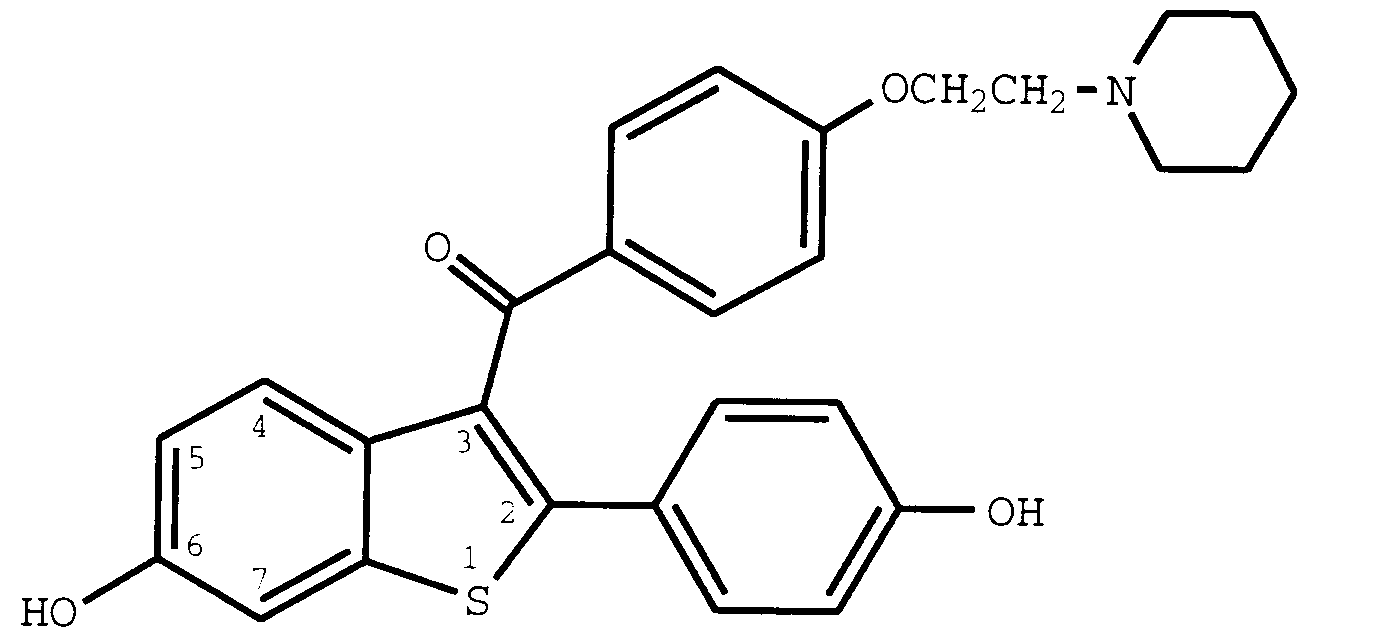
or its hydrochloride salt.
or its hydrochloride salt.