| (19) |
 |
|
(11) |
EP 0 848 344 B2 |
| (12) |
NEW EUROPEAN PATENT SPECIFICATION |
| (45) |
Date of publication and mentionof the opposition decision: |
|
12.07.2006 Bulletin 2006/28 |
| (45) |
Mention of the grant of the patent: |
|
16.10.2002 Bulletin 2002/42 |
| (22) |
Date of filing: 04.12.1997 |
|
| (51) |
International Patent Classification (IPC):
|
|
| (54) |
A scanning reader of an optical code placed on an article in movement and a method
of scanning said optical code by means of said reader
Vorrichtung zum Abtasten eines sich auf einem bewegenden Artikel befindlichen optischen
Kodes und Verfahren zum Abtasten eines solchen optischen Kodes mittels dieser Abtastvorrichtung
Appareil de balayage d'un code optique se trouvant sur un article en mouvement et
méthode de balayage d'un tel code optique par moyen d'un tel appareil de balayage
|
| (84) |
Designated Contracting States: |
|
AT BE CH DE DK ES FR GB GR IT LI NL PT SE |
| (30) |
Priority: |
11.12.1996 IT MI962595
|
| (43) |
Date of publication of application: |
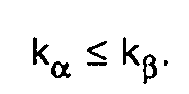
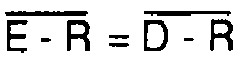
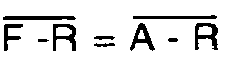
|
17.06.1998 Bulletin 1998/25 |
| (73) |
Proprietor: DATALOGIC S.P.A. |
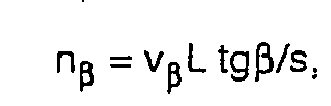
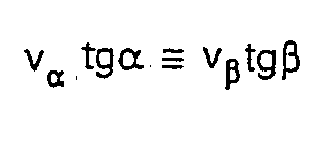
|
40012 Lippo di Calderara di Reno (Bologna) (IT) |
|
| (72) |
Inventor: |
|
- Girotti, Lorenzo
40121 Bologna (IT)
|
| (74) |
Representative: Checcacci, Giorgio et al |
|
Porta, Checcacci & Associati S.p.A.
Via Trebbia, 20
20135 Milano
20135 Milano (IT) |
| (56) |
References cited: :
EP-A- 0 341 717
EP-A- 0 444 958
US-A- 5 392 150
|
EP-A- 0 396 485
EP-A- 0 652 530
|
|
| |
|
|
- PATENT ABSTRACTS OF JAPAN vol. 4, no. 142 (P-030), 7 October 1980 & JP 55 092972 A
(NEC CORP), 14 July 1980,
|
|
| |
|
[0001] The present invention relates to a scanning reader of an optical code placed on an
article in movement and a method of scanning said optical code by means of said reader.
[0002] The term "optical code" is intended to mean a set of graphic markings (placed on
a label or directly on a product or on any other support) by means of which a piece
of information is coded as a sequence of white areas and black areas or of variously
coloured areas, arranged according to one or more directions. Examples of such codes
are the bar codes, the two-dimensional codes, the colour codes and the like.
[0003] Generally, a scanning reader of an optical code placed on an article in movement
comprises a source of light capable of generating a beam of coherent light and suitable
optical components capable of focusing the light beam on the code, forming a scanning
line. The light diffused by the optical code, consisting of a series of impulses,
is directed to a photodetector that emits electrical signals representative of the
detected light. The electrical signals are decoded in an electrical or electronic
circuit that provides data capable of describing the optical code.
[0004] If the optical code is of the bar type, as is commonly the case, in order to read
it correctly, the light beam is focused on the code so that the projection of its
cross-section on the code has precise dimensions, determined by the thickness of the
bars of the code. In fact, the reading of the code would be incorrect if the cross-section
of the light beam were to cover more than two bars.
[0005] US 5 392 150 discloses a hand-held portable bar code reader comprising a laser beam
source, a crystal resonant scanner, a photodetector and a concave mirror. In one embodiment,
the concave mirror and the resonant scanner are integrally coupled to each other and
can be angularly moved by a step motor about a horizontal axis. When they are angularly
moved, the bar code reader can scan a surface in a raster scanning mode.
[0006] EP 0 396 485 discloses an optical bar code scanner with an asymmetrical rotating
deflector wich deflect the light beam generated by a light source and causes it to
focus at different focal points outside a scanning window of the scanner.
[0007] In a number of cases the article is transported by a conveyor belt and the reader
is located along the path of the article so as to be able to read the optical code
that is applied in a random position on one of its walls. If the optical code is on
a side wall, substantially parallel to the direction of movement of the article, the
optical code reader is placed in front of such wall. The beam of scanning light has
a direction that is substantially orthogonal to the wall on which there is the optical
code and, whatever the position of the optical code with respect to the wall, on the
top, on the bottom, in the centre or on the sides, the reading does not exhibit any
problems. On the other hand, if the optical code is placed on afront or rear wall
of the article, substantially orthogonal to the direction of movement, the reader
is placed above the conveyor belt and, thus, above the front or rear wall on which
there is the code and the article, with its movement, gets closer to it or moves away
from it. The beam of scanning light has a direction oblique with respectto the optical
code and it is difficult to make a sufficient number of useful scans while the article
is in the range of depth of the light beam that, generally, is fairly narrow.
[0008] JP 55 092972-A discloses a method to read a bar code label stuck to a flank or top
surface of a commodity conveyed on a conveyor. When the commodity reaches a previously
determined read position on the conveyor, the bar code label is read out by a bar-code
reader provided in slanting direction at a fixed angle of 45 degree from the commodity
to a line perpendicular to the top surface or to the flank of the commodity.
EP 0 650 134 A2 discloses a scanner arranged outside the movement path of an object
and directed towards the front surface, seen in the movement direction, of the object.
The scanner generates a scanning light beam moving line by line over a surface of
the object. An advancing means for the displacement of the scanning line is provided
in such a way that the distance of the scanner from the scanning line on the surface
of the object stays at least essentially the same.
[0009] It is a first object of the invention to provide a scanning reader according to claim
1.
[0010] When particular requirements so demand, said generation means form more than two
beams of light, for example three or four beams.
[0011] Generally, the number of scans per second executed by said beams of light are not
the same.
[0012] Preferably, the number of scans per second executed by said beams of light is such
that the number of useful scans on said code is substantially constant.
[0013] Advantageously, the ratio between the number of scans per unit of time of each light
beam is inversely proportional to the angle of the plane containing the same beam
with respect to the front wall.
[0014] Generally, said generation means comprise at least one source of a light beam and
deflection means of said beam.
[0015] Preferably, the deflection means comprise a polygonal rotor having mirror faces.
[0016] Advantageously, the polygonal rotor comprises at least one prefixed number of mirrors
inclined by a first prefixed angle δ
1 with respect to the axis of rotation of said rotor and a second prefixed number of
mirrors inclined by a second prefixed angle δ
2 with respect to the axis of rotation of said rotor.
[0017] When particular requirements so demand, said polygonal rotor comprises a first prefixed
number of mirrors inclined by a first prefixed angle with respect to the axis of rotation
of said rotor, a second prefixed number of mirrors inclined by a second prefixed angle
with respect to the axis of rotation of said rotor and a third prefixed number of
mirrors inclined by a third prefixed angle with respect to the axis of rotation of
said rotor.
[0018] When required, said polygonal rotor comprises a first prefixed number of mirrors
inclined by a first prefixed angle with respect to the axis of rotation of said rotor,
a second prefixed number of mirrors inclined by a second prefixed angle with respect
to the axis of rotation of said rotor, a third prefixed number of mirrors inclined
by a third prefixed angle with respect to the axis of rotation of said rotor and a
fourth prefixed number of mirrors inclined by a fourth prefixed angle with respect
to the axis of rotation of said rotor.
[0019] Advantageously said angles δ
1 and δ
2 of said mirrors are supplementary.
[0020] Preferably, said angle δ
1 ranges from +5° to +15° and even more preferably from +7° to +9°. The values of δ
2 are supplementary to those of δ
1.
[0021] According to a preferred embodiment, said polygonal rotor has ten mirror faces with
a sequence of the mirrors of: 3 -1 - 2 -1 - 2 - 1.
[0022] It is a second object of the invention to provide a method of scanning an optical
code placed on a front wall of an article according to claim 28.
[0023] The invention has the advantage of increasing the depth of the field for reading
the optical code, that is to say the distance between maximum and minimum height of
the label with respect to the wall of the article, and it allows accurate readings
of the optical to be taken whatever its position may be on the wall suitably selecting
the angles of inclination of the planes containing the beams of light.
[0024] Features and advantages of the invention will now be illustrated with reference to
an embodiment represented as a non-limiting example in the enclosed figures, wherein:
Fig. 1 is a schematic, perspective view of a scanning reader made according to the
invention and of a conveyor belt with an article placed on it;
Fig. 2 is a schematic representation of the scanning reader of Fig. 1;
Fig. 3 is a perspective view of a polygonal rotor with mirrors of the scanning reader
of Fig. 1;
Fig. 4 is a schematic representation of the scanning reader, of the conveyor belt
and of the article placed on it shown in Fig. 1, that highlights the magnitudes at
stake and the ratios between them.
[0025] In Fig. 1 there is represented schematically a scanning reader 1 and an article 2
placed on a conveyor belt 3 that makes it move forward in the direction of the reader
1 (arrow 4). On a vertical front wall 5 of the article 2 there is a label 6 on which
an optical bar code 7 is printed. The reader 1 emits a light beam 8
α having an axis 9 that lies on a plane inclined by an angle α with respect to the
wall 5. The beam 8
α, with inclination α, executes a scanning line 81 substantially horizontal and orthogonal
to the bar code 7, that allows an upper area of the wall 5 to be explored. Then, the
light beam 8
α is deflected sharply downward and forms a light beam 8
β that has axis 11 lying on a plane inclined by an angle β with respect to the wall
5. The beam 8 with inclination β executes a scanning line 82 on the wall 5 also having
a substantially horizontal direction that allows a lower area of the wall 5 to be
explored.
[0026] Suitable deflection and scanning means of the reader 1, that will be described later,
project the light beam 8
α with a scanning frequency v
α that is inversely proportional to the angle of inclination α. The abovementioned
deflection and scanning means project the same light beam 8
β with a scanning frequency v
β that is inversely proportional to the angle of inclination β.
[0027] In Fig. 2 there is shown a reader 1 comprising a laser source 10 of a light beam
8 and optical components 12 capable of focusing the beam 8 at a prefixed distance
with a preselected depth of field.
[0028] The light beam 8 is emitted by the source 10 with a preselected initial inclination
ϕ with respect to the vertical wall 5 and it is directed on a polygonal rotor with
mirrors 13, rotating at preselected speed, capable of deflecting the beam 8 according
to two angles α and β and giving rise first to the beam 8
α and then to the beam 8
β, forming the scanning lines 81 and 82.
[0029] The rotor 13, as shown in Fig. 3, is endowed with ten faces formed by mirrors having
a preselected inclination with respect to the axis of rotation 14. In particular a
group of mirror faces 131 is inclined with respect to the axis 14 by an angle δ
1 = α - β/2, while another group of mirror faces 132 is inclined with respect to the
axis 14 by an angle δ
2 = 180° - δ
1. In the polygonal rotor 13 the ten mirror faces have successive inclinations δ
1 and δ
2 according to the sequence 3-1-2-1-2-1, that is to say three mirror faces 131 inclined
by δ
1, are followed by one mirror face 132 inclined by δ
2; the latter is followed by two faces 131 inclined by δ
1, then there is one mirror face 132 inclined by δ
2, after this two faces 131 inclined by δ
1 and lastly one mirror face 132 inclined by δ
2.
[0030] Advantageously, the angle δ
1 ranges from +5° to +15° and, preferably, from +7° to +9°. The values of δ
2 are supplementary to those of δ
1.
[0031] The beam 8 is deflected by the rotor 13 toward the wall 5 of the article 2 and, due
to the effect of the rotation of the rotor 13 and of the different inclinations of
its faces 131 and 132, it assumes the two inclinations α and β where it forms the
two scanning lines 81 and 82.
[0032] The light incident on the bar code 7 is diffused back toward the rotor 13 that deflects
it toward a beam splitter 15. From the beam splitter 15 the light is directed toward
an optical system 16 that focuses it on a photodetector 18. The photodetector 18 emits
an electrical signal representative of the optical signal that is sent to a microprocessor
unit of digitalisation and then of decoding 19. From the decoding unit 19 a signal
is emitted corresponding to the image of the bar code scanned by the beam 8
α or by the beam 8
β.
[0033] In case it is required to have a larger number of angles of inclination of the beam
8, say three or four, a rotor with mirrors 13 is used having a preselected number
of faces inclined by a third angle δ
3 and possibly by a fourth angle δ
4 with respect to the axis of rotation 14, suitably selecting the sequence of the mirrors.
[0034] According to a variant of the invention, instead of the polygonal rotor with mirrors
a mirror oscillating in jerks is used that moves between two or more positions that
allow the desired angles of deflection of the light beam generated by the laser source
to be obtained.
[0035] According to another variant of the invention, the same laser source is driven to
oscillate in jerks between two or more positions that allow the desired angles of
deflection of the light beam to be obtained.
[0036] With the scanning reader of the invention several advantages are obtained. The distance
range along the direction of forward movement of the article 2 wherein it is possible
to read the optical code 7 is increased considerably and a number of useful scans
on the optical code 7 is obtained that is substantially constant for the two scanning
lines 81 and 82 associated with the inclination angles α and β.
[0037] In particular, the reader 1 takes a reading of the optical code 7 in an distance
range, along the direction of forward movement of the article 2, that is greater than
the distance range that can be obtained with the beam 8 inclined by the angle α only
or by the angle β only or by an angle intermediate between α and β.
[0038] In fact, as shown in Fig. 4, and defining :
h = height of the reader 1,
k1 = minimum height of the label 6 on the wall 5,
k2= maximum height of the label 6 on the wall 5,
with the beam 8
α lying in a plane inclined by the angle α the reader 1 should have a depth of field

while with the beam 8
β lying in a plane inclined by the angle β the reader 1 should have a depth of field

[0039] Since in order to read the code it is sufficient for only one of the beams 8
α and 8
β to strike the code at a distance within the depth of field of the reader 1, the minimum
depth of field required for said reader is equal to

[0040] In the preceding expression there must, however, be a portion of superimposition,
that is an area wherein the code is scanned by both beams 8
α and 8
β. Indicating with k
β the maximum height at which it is possible to read the label with the beam 8
β and k
α the minimum height at which it is possible to read the label with the beam 8
α, the portion of superimposition ranges from k
α and k
β, that is
[0041] Since
and
the preceding expression becomes

[0042] If this expression is not satisfied the beam has to have three or more angles of
inclination.
[0043] The reader 1 is capable of executing a number of useful scans on the code with the
beam 8
α, inclined by the angle α, that is substantially equal to the number of useful scans
on the code with the beam 8
β, inclined by the angle β.
[0044] In fact, the number of useful scans on the code of the beam 8
α, with inclination α is

and the number of useful scans on the code of the beam 8
β with inclination β is
where v
α and v
β are the number of scans per second that the reader 1 reserves for the beam with inclination
α and with inclination β, respectively, L is the height of the bar code 7 and s is
the speed of forward movement of the article 2.
[0045] In order to obtain n
α ≡ n
β it must be that
that is to say the beam 8
α with inclination a must execute a number of scans per second inversely proportional
to the tangent of the angle α and beam 8
β with inclination β must execute a number of scans per second inversely proportional
to the tangent of the angle β.
[0046] In particular, positioning the reader 1 so as to form angles α and β equal to 45°
and 65°, the ratio between the optimum number of scans per second v
α/v
β = 7/3.
[0047] The scanning reader made according to the invention has been tested under three different
operating conditions and the results of them tests are given below.
[0048] The results of test 1 are given in Table 1.
Table 1
| Bar code resolution (mm) |
0.3 |
|
| Height of reader (h) (mm) |
530 |
|
| Minimum height of label (k1) (mm) |
0 |
|
| Maximum height of label (k"9 (mm) |
300 |
|
| Minimum reading distance (A-R) (mm) |
400 |
|
| Maximum reading distance (E-R) (mm) |
700 |
|
| Angles of the light beam |
β = 40° |
α = 60° |
| Reading height corresponding to the minimum reading distance (mm) |
211 |
318 |
| Reading height corresponding to the maximum reading distance (mm) |
-18 |
168 |
| Depth of field of the single beam (mm) |
229 |
150 |
| Actual resulting depth of field (mm) |
336 |
[0049] What is meant by reading height corresponding to the minimum distance is the difference
between the height of the reader and the projection of the minimum reading distance
on the wall 5, that in Fig. 4 corresponds to k
β (β) or k2 (α). What is meant by reading height corresponding to the maximum distance
is the difference between the height of the reader and the projection of the maximum
reading distance on the wall 5, that in Fig. 4 corresponds to k1 (β) or k
α (α).
[0050] The negative value (-18) derives from the fact that the origin of the ordinates coincides
with the upper end of the segmentthat represents the minimum height K1. In the particular
case illustrated in Fig. 4 the origin of the ordinates thus coincides with the point
D.
[0051] Using a polygonal rotor with mirrors like that of Fig. 3, having δ
1 = α - β/2 = 10° and δ
2 = 170°, the reader with the characteristics indicated in Table 1 can achieve a reading
field on the wall of the article that contains the code having a height (actual depth
of field) equal to 336 mm, while the beam inclined by 40° alone would have a depth
of field of 229 mm and the beam inclined by 60° alone would have a depth of field
of 150 mm.
[0052] The results of test 2 are given in Table 2.
Table 2
| Bar code resolution (mm) |
0.15 |
|
|
| Height of reader (h) (mm) |
383 |
|
|
| Minimum height of label (k1) (mm) |
0 |
|
|
| Maximum height of label (k2) (mm) |
180 |
|
|
| Minimum reading distance (mm) |
400 |
|
|
| Maximum reading distance (mm) |
500 |
|
|
| Angles of the light beam |
θ = 40° |
γ = 50° |
β = 56° |
α = 60° |
| Reading height corresponding to the minimum reading distance (mm) |
76 |
126 |
159 |
183 |
| Reading height corresponding to the maximum reading distance (mm) |
0 |
61 |
103 |
133 |
| Depth of field of the single beam (mm) |
76 |
65 |
56 |
50 |
| Actual resulting depth of field (mm) |
183 |
[0053] Using a polygonal rotor with mirrors with δ
1 = 10°, δ
2 = 0°, δ
3 = 174°, δ
4 = 170°, with the reader having the characteristics indicated in Table 2, a reading
field is achieved on the wall of the article that contains the code, having a height
(actual depth of field) equal to 183 mm.
[0054] Lastly a comparison test has been executed between a traditional scanning reader,
endowed with a light beam having a single inclination, and a scanning reader made
according to the invention, endowed with a light beam capable of assuming two different
inclinations. The results of the third test are given in Table 3.
Table 3
| |
traditional reader |
reader of the invention |
| Minimum reading distance (mm) |
400 |
400 |
| Maximum reading distance (mm) |
700 |
700 |
| Initial depth of field (mm) |
300 |
300 |
| Minimum height of label (mm) |
0 |
0 |
| Maximum height of label (mm) |
360 |
360 |
| Height of reader (mm) |
574 |
495 |
| Angles of the light beam |
35° |
45° |
65° |
| Reading height corresponding to the maximum reading distance (mm) |
0 |
0 |
199 |
| Reading heightcorresponding to the minimum reading distance (mm) |
246 |
212 |
326 |
| Maximum depth of field (mm) |
246 |
326 |
| Height of label (mm) |
17 |
17 |
| Apparent height of label (mm) |
11.9 |
17.00 |
36.46 |
| Speed of article (m/sec) |
2 |
2 |
2 |
| Apparent speed (m/sec) |
2.86 |
2.00 |
0.93 |
| Number of scans/sec |
800 |
560 |
240 |
| Number of useful scans on code |
4.76 |
4.76 |
4.37 |
| Time of dwell on code (ms) |
5.95 |
8.50 |
18.23 |
[0055] The apparent speed is represented by the speed of the article/tangent of the angle
of the beam.
[0056] The apparent height of the label is represented by the height of the label x the
tangent of the angle of the beam.
[0057] The figures given in Table 3 highlight that a light beam having two inclinations
(α = 65°; β = 45°) allows an actual depth of field to be obtained equal to 326 mm
against an actual depth of field of 246 mm that can be obtained with a light beam
having a single inclination (angle of 35°).
[0058] Moreover, the beam having two inclinations provides a number of useful scans on the
code equal to 4.76 for the 45° angle and 4.37 for the 65° angle, while the beam having
a single inclination of 35° provides a number of useful scans on the code equal to
4.76. And this occurs in spite of the traditional reader providing 800 scans/sec on
the single beam, while the reader of the invention, using a rotor 13 with mirrors
having seven mirrors to generate the beam β and three mirrors for the beam α, provides
560 scans/sec for the beam β and 240 scans/sec for the beam α, respectively, for a
total of 800 scans/sec.
1. A scanning reader (1) of an optical code (7) placed on a wall of an article (2) in
relative movement toward said reader (1), said reader (1) comprising generation means
(10, 13) capable of forming at least one scanning light beam (8) lying on a plane
inclined by a prefixed angle (ϕ) with respect to said wall and capable of reading
said optical code (7) within a prefixed distance range along the direction of said
forward movement of said article (2),
wherein
- said optical code is placed on a front wall (5) of the article (2) and has a random
position on said front wall (5), and
- said generation means (10, 13) form at least one first and one second scanning light
beam (8α, 8β) lying in planes inclined by a first and by a second prefixed angle (α, β) with respect
to said front wall (5) in such a way that, in connection with said movement of the
article (2), said first scanning light beam (8α) explores a first area of said front wall by means of a first plurality of scanning
lines (81) and said second scanning light beam (8β) explores a second area of said front wall by means of a second plurality of scanning
lines (82) so that said first scanning light beam (8α) is capable of reading said optical code (7) within a first prefixed distance range
along the direction of said forward movement of said article (2) and said second scanning
light beam (8β) is capable of reading said optical code (7) within a second prefixed distance range
along the direction of said forward movement of said article (2), the overall distance
range within which said first and second scanning light beams (8α, 8β) are capable of reading said optical code being greater than the prefixed distance
range that can be reached by one scanning light beam only.
2. A reader according to claim 1, characterized in that each of said angles of inclination (α, β) ranges from 10°to 80°.
3. A reader according to claim 2, characterized in that each of said angles of inclination (α, β) ranges from 30° to 70°.
4. A reader according to claim 3, characterized in that each of said angles of inclination (α, β) ranges from 40° to 60°.
5. A reader according to claim 1, characterized in that to said first angle of inclination (α) there corresponds an upper scanning line (81)
and to said second angle of inclination (β) there corresponds a lower scanning line
(82), said first angle (α) being greater than said second angle (β).
6. A reader according to claim 5, characterized in that said first angle of inclination (α) ranges from 50° to 70° and said second angle
of inclination (β) ranges from 30° to 50°.
7. A reader according to claim 6, characterized in that said first angle of inclination (α) is equal to 60° and said second angle of inclination
(β) is equal to 40°.
8. A reader according to claim 1, characterized in that said generation means (10,13) form at least one third scanning light beam inclined
by a third prefixed angle with respect to said front wall (5), said third scanning
light beam exploring a third area of said front wall (5) by means of a third plurality
of scanning lines, said third prefixed angle having a value intermediate between said
first and second angle.
9. A reader according to claim 1, characterized in that said generation means (10, 13) form at least one third and one fourth scanning light
beam inclined by a third and a fourth prefixed angle with respect to said front wall
(5), said third and fourth scanning light beam exploring a third and a fourth area
of said front wall (5) by means of a third and fourth plurality of scanning lines,
said third and fourth prefixed angle having values intermediate between said first
and second angle.
10. A reader according to claim 1, characterized in that said generation means (10, 13) form said first beam (8α), that generates said first plurality of scanning lines (81), with a first prefixed
number of scans per unit of time (vα) and said second beam (8β), that generates said second plurality of scanning lines (82), with a second prefixed
number of scans per unit of time (vβ), the sum of said first and second number of scans per unit of time (vα, vβ) being equal to the total value of scans per unit of time emitted by said generation
means (10, 13).
11. A reader according to claims 1 and 8, characterized in that said generation means (10, 13) form said first beam, that generates said first plurality
of scanning lines, with a first prefixed number of scans per unit of time, said second
beam, that generates said second plurality of scanning lines with a second prefixed
number of scans per unit of time and said third beam, that generates said third plurality
of scanning lines, with a third prefixed number of scans per unit of time, the sum
of said first, second and third number of scans per unit of time being equal to the
total value of scans per unit of time emitted by said generation means (10, 13).
12. A reader according to claims 1 and 9, characterized in that said generation means (10, 13) form said first beam, that generates said first plurality
of scanning lines, with a first prefixed number of scans per unit of time, said second
beam, that generates said second plurality of scanning lines, with a second prefixed
number of scans per unit of time, said third beam, that generates said third plurality
of scanning lines, with a third prefixed number of scans per unit of time and said
fourth beam, that generates said fourth plurality of scanning lines with a fourth
prefixed number of scans per unit of time, the sum of said first, second, third and
fourth number of scans per unit of time being equal to the total value of scans per
unit of time emitted by said generation means (10, 13).
13. A reader according to claim 10, characterized in that said first and second number of scans per unit of time (vα, vβ) are selected so that the number of useful scans (nα, nβ) on said optical code (7) for each of said pluralities of scanning lines (81, 82)
is substantially constant.
14. A reader according to claim 11, characterized in that said first, second and third number of scans per unit of time are selected so that
the number of useful scans on said optical code (7) for each of said pluralities of
scanning lines is substantially constant.
15. A reader according to claim 12, characterized in that said first, second, third and fourth number of scans per unit of time are selected
so that the number of useful scans on said optical code (7) for each of said pluralities
of scanning lines is substantially constant.
16. A reader according to claims 10, 11 and 12, characterized in that the ratio between the number of scans per unit of time of each light beam (vα, vβ) is inversely proportional to the tangent of the angle of the same beam (tgα, tgβ)
with respect to the front wall (5).
17. A reader according to claim 13, characterized in that the ratio between the first and the second number of scans per unit of time (vα, vβ) is equal to 7/3.
18. A reader according to claim 1, wherein said generation means comprise at least one
source (10) of a light beam (8) and deflection means of said beam (8) optically associated
with said source of light (10), characterized in that said deflection means comprise an oscillating mirror whose inclination is periodically
changed.
19. A reader according to claim 1, wherein said generation means comprise at least one
laser source (10) of a light beam (8), characterized in that said laser source (10) is driven to oscillate in jerks between two or more positions.
20. A reader according to claim 1, wherein said generation means (10, 13) comprise at
least one source (10) of a light beam (8) and deflection means (13) of said beam (8)
optically associated with said source, characterized in that said deflection means (13) comprise a polygonal rotor rotating at prefixed speed
on the faces (131, 132) of which there are mirrors.
21. A reader according to claims 1 and 20, characterized in that said polygonal rotor (13) comprises a first prefixed number of mirrors (131) inclined
by a first prefixed angle δ1 with respect to the axis of rotation (14) of said rotor (13) and a second prefixed
number of mirrors (132) inclined by a second prefixed angle δ2 with respect to the axis of rotation (14) of said rotor (13), said first prefixed
number of mirrors (131) forming said first light beam (8α), said second prefixed number of mirrors (132) forming said second light beam (8β).
22. A reader according to claims 8 and 20, characterized in that said polygonal rotor comprises a first prefixed number of mirrors inclined by a first
prefixed angle with respectto the axis of rotation of said rotor, a second prefixed
number of mirrors inclined by a second prefixed angle with respect to the axis of
rotation of said rotor and a third prefixed number of mirrors inclined by a third
prefixed angle with respect to the axis of rotation of said rotor, said first prefixed
number of mirrors forming said first light beam, said second prefixed number of mirrors
forming said second light beam and said third prefixed number of mirrors forming said
third light beam.
23. A reader according to claims 9 and 20, characterized in that said polygonal rotor comprises a first prefixed number of mirrors inclined by a first
prefixed angle with respectto the axis of rotation of said rotor, a second prefixed
number of mirrors inclined by a second prefixed angle with respect to the axis of
rotation of said rotor, a third prefixed number of mirrors inclined by a third prefixed
angle with respect to the axis of rotation of said rotor and a fourth prefixed number
of mirrors inclined by a fourth prefixed angle with respect to the axis of rotation
of said rotor, said first prefixed number of mirrors forming said first light beam,
said second prefixed number of mirrors forming said second light beam, said third
prefixed number of mirrors forming said third light beam and said fourth prefixed
number of mirrors forming said fourth light beam.
24. A reader according to claim 21, characterized in that said angles δ1, δ2 of said mirrors (131, 132) of said rotor (13) are supplementary.
25. A reader according to claim 24, characterized in that said angle δ1 ranges from +5° to +15°
26. A reader according to claim 25, characterized in that said angle δ1 ranges from +7° to +9°
27. A reader according to claim 21, characterized in that said polygonal rotor (13) has ten faces and a sequence of the mirrors of 3 - 1 -
2 - 1 - 2 - 1.
28. A method of scanning an optical code (7) placed on a front wall (5) of an article
(2) in movement toward a scanning reader (1) and having a random position on said
front wall (5), comprising
- forming at least one first and one second scanning light beam (8α, 8β) lying in planes inclined by a first and by a second prefixed angle (α, β) with respect
to said front wall, and capable of reading said optical code (7) within a corresponding
prefixed distance range along the direction of forward movement of said article (2),
- causing said first scanning light beam (8α) to explore in connection with said movement of said article (2) a first area of
said front wall (5) by means of a first plurality of scanning lines (81), and
- causing said second scanning light beam (8β) to explore in connection with said movement of said article (2) a second area of
said front wall (5) by means of a second plurality of scanning lines (82) so that
- said first scanning light beam (8α) reads said optical code (7) within a first prefixed distance range along the direction
of forward movement of said article (2) and
- said second scanning light beam (8β) reads said optical code (7) within a second prefixed distance range along the direction
of forward movement of said article (2),
the overall distance range within which said first and second scanning light beams
(8
α, 8
β) read said optical code (7) being greater than the prefixed distance range that can
be reached by one scanning light beam only.
1. Scanner-Lesegerät (1) für einen optischen Code (7), der sich auf einer Seite eines
Artikels (2) befindet, der sich auf das Lesegerät (1) zu bewegt, wobei das Lesegerät
(1) eine Erzeugungseinrichtung (10, 13) umfaßt, die in der Lage ist, wenigstens einen
Abtastlichtstrahl (8) zu bilden, der in einer Ebene liegt, die gegenüber der besagten
Seite um einen vorbestimmten Winkel (ϕ) geneigt ist, und in der Lage ist, den optischen
Code (7) in einem vorbestimmten Bereich von Abständen entlang der Richtung der Vorwärtsbewegung
des Artikels (2) zu lesen, wobei
- der optische Code sich auf einer Vorderseite (5) des Artikels (2) befindet und eine
zufällige Position auf der Vorderseite (5) einnimmt, und
- die Erzeugungseinrichtung (10, 13) wenigstens einen ersten und einen zweiten Abtastlichtstrahl
(8α, 8β) bilden, die in Ebenen liegen, die gegenüber der Vorderseite (5) um einen ersten
und einen zweiten vorbestimmten Winkel (α, β) in einer solchen Weise geneigt sind,
daß in Verbindung mit der Bewegung des Artikels (2) der erste Abtastlichtstrahl (8α) einen ersten Bereich der Vorderseite mittels einer ersten Mehrzahl von Abtastlinien
(81) untersucht und der zweite Abtastlichtstrahl (8β) einen zweiten Bereich der Vorderseite mittels einer zweiten Mehrzahl von Abtastlinien
(82) untersucht, so daß der erste Abtastlichtstrahl (8α) in der Lage ist, den optischen Code (7) in einem ersten vorbestimmten Bereich von
Abständen entlang der Richtung der Vorwärtsbewegung des Artikels (2) zu lesen und
der zweite Abtastlichtstrahl (8β) in der Lage ist, den optischen Code (7) in einem zweiten vorbestimmten Bereich von
Abständen entlang der Richtung der Vorwärtsbewegung des Artikels (2) zu lesen, wobei
der Gesamtbereich der Abstände, innerhalb dessen der erste und der zweite Abtastlichtstrahl
(8α, 8β) in der Lage sind, den optischen Code zu lesen, größer ist, als der vorbestimmte
Bereich von Abständen, der durch nur einen Abtastlichtstrahl erreicht werden kann.
2. Lesegerät nach Anspruch 1, dadurch gekennzeichnet, daß jeder der Neigungswinkel (α, β) im Bereich von 10° bis 80° liegt.
3. Lesegerät nach Anspruch 2, dadurch gekennzeichnet, daß jeder der Neigungswinkel (α, β) im Bereich von 30° bis 70° liegt.
4. Lesegerät nach Anspruch 3, dadurch gekennzeichnet, daß jeder der Neigungswinkel (α, β) im Bereich von 40° bis 60° liegt.
5. Lesegerät nach Anspruch 1, dadurch gekennzeichnet, daß dem ersten Neigungswinkel (α) eine obere Abtastlinie (81) entspricht und dem zweiten
Neigungswinkel (β) eine untere Abtastlinie (82) entspricht, wobei der erste Winkel
(α) größer ist als der zweite Winkel (β).
6. Lesevorrichtung gemäß Anspruch 5, dadurch gekennzeichnet, daß der erste Neigungswinkel (α) im Bereich von 50° bis 70° liegt und der zweite Neigungswinkel
(β) im Bereich von 30° bis 50° liegt.
7. Lesegerät nach Anspruch 6, dadurch gekennzeichnet, daß der erste Neigungswinkel (α) 60° beträgt und der zweite Neigungswinkel (β) 40° beträgt.
8. Lesegerät nach Anspruch 1, dadurch gekennzeichnet, daß die Erzeugungseinrichtung (10, 13) wenigstens einen dritten Abtastlichtstrahl bildet,
der gegenüber der Vorderseite (5) um einen dritten vorbestimmten Winkel geneigt ist,
wobei der dritte Abtastlichtstrahl einen dritten Bereich der Vorderseite (5) mittels
einer dritten Mehrzahl von Abtastlinien untersucht, wobei der dritte vorbestimmte
Winkel einen Wert zwischen dem ersten und dem zweiten Winkel besitzt.
9. Lesegerät nach Anspruch 1, dadurch gekennzeichnet, daß die Erzeugungseinrichtung (10, 13) wenigstens einen dritten und einen vierten Abtastlichtstrahl
bildet, die um einen dritten und einen vierten vorbestimmten Winkel gegenüber der
Vorderseite (5) geneigt sind, wobei der dritte und der vierte Abtastlichtstrahl einen
dritten und einen vierten Bereich der Vorderseite (5) mittels einer dritten und einer
vierten Mehrzahl von Abtastlinien untersuchen, wobei der dritte und vierte vorbestimmte
Winkel Werte zwischen dem ersten und den zweiten Winkel besitzen.
10. Lesegerät nach Anspruch 1, dadurch gekennzeichnet, daß die Erzeugungseinrichtungen (10, 13) den ersten Strahl (8α), der die erste Mehrzahl von Abtastlinien (81) erzeugt, mit einer ersten vorbestimmten
Anzahl von Abtastungen pro Zeiteinheit (vα), und den zweiten Strahl (8β), der die zweite Mehrzahl von Abtastlinien (82) erzeugt, mit einer zweiten vorbestimmten
Anzahl von Abtastungen pro Zeiteinheit (vβ) bildet, wobei die Summe der ersten und zweiten Anzahl von Abtastungen pro Zeiteinheit
(vα, vβ) gleich dem Gesamtwert von Abtastungen pro Zeiteinheit ist, die von der Erzeugungseinrichtung
(10, 13) abgegeben werden.
11. Lesegerät nach Anspruch 1 und 8, dadurch gekennzeichnet, daß die Erzeugungseinrichtung (10, 13) den ersten Strahl, der die erste Mehrzahl von
Abtastlinien erzeugt, mit einer ersten Anzahl von Abtastungen pro Zeiteinheit, den
zweiten Strahl, der eine zweite Mehrzahl von Abtastlinien erzeugt, mit einer zweiten
vorbestimmten Anzahl von Abtastungen pro Zeiteinheit, und den dritten Strahl, der
die dritte Mehrzahl von Abtastlinien erzeugt, mit einer dritten vorbestimmten Anzahl
von Abtastungen pro Zeiteinheit bildet, wobei die Summe der ersten, zweiten und dritten
Anzahl von Abtastungen pro Zeiteinheit gleich dem Gesamtwert von Abtastungen pro Zeiteinheit
ist, die von den Erzeugungseinrichtungen (10, 13) abgegeben werden.
12. Lesegerät nach Anspruch 1 und 9, dadurch gekennzeichnet, daß die Erzeugungseinrichtung (10, 13) den ersten Strahl, der die erste Mehrzahl von
Abtastlinien erzeugt, mit einer ersten vorbestimmten Anzahl von Abtastungen pro Zeiteinheit,
den zweiten Strahl, der die zweite Mehrzahl von Abtastlinien erzeugt, mit einer zweiten
vorbestimmten Anzahl von Abtastungen pro Zeiteinheit, den dritten Strahl, der die
dritte Mehrzahl von Abtastlinien erzeugt, mit einer dritten vorbestimmten Anzahl von
Abtastungen pro Zeiteinheit, und den vierten Strahl, der die vierte Mehrzahl von Abtastlinien
erzeugt, mit einer vierten vorbestimmten Anzahl von Abtastungen pro Zeiteinheit bildet,
wobei die Summe der ersten, zweiten, dritten und vierten Anzahl von Abtastungen pro
Zeiteinheit gleich dem Gesamtwert von Abtastungen pro Zeiteinheit ist, die von den
Erzeugungseinrichtungen (10, 13) abgegeben werden.
13. Lesegerät nach Anspruch 10, dadurch gekennzeichnet, daß die erste und zweite Anzahl von Abtastungen pro Zeiteinheit (vα, vβ) so gewählt sind, daß die Anzahl verwendbarer Abtastungen (nα, nβ) auf dem optischen Code (7) für jede der Mehrzahlen von Abtastlinien (81, 82) im
wesentlichen konstant ist.
14. Lesegerät nach Anspruch 11, dadurch gekennzeichnet, daß die erste, zweite und dritte Anzahl von Abtastungen pro Zeiteinheit so gewählt sind,
daß die Anzahl verwendbarer Abtastungen auf dem optischen Code (7) für jede der Mehrzahlen
von Abtastlinien im wesentlichen konstant ist.
15. Lesegerät nach Anspruch 12, dadurch gekennzeichnet, daß die erste, zweite, dritte und vierte Anzahl von Abtastungen pro Zeiteinheit so gewählt
sind, daß die Anzahl verwendbarer Abtastungen auf dem optischen Code (7) für jede
der Mehrzahlen von Abtastlinien im wesentlichen konstant ist.
16. Lesegerät nach Anspruch 10, 11 und 12, dadurch gekennzeichnet, daß das Verhältnis zwischen der Anzahl von Abtastungen pro Zeiteinheit jedes Lichtstrahls
(vα, vβ) umgekehrt proportional zu dem Tangens des Winkels des gleichen Strahls (tg α, tg
β) gegenüber der Vorderseite (5) ist.
17. Lesegerät nach Anspruch 13, dadurch gekennzeichnet, daß das Verhältnis zwischen der ersten und der zweiten Anzahl von Abtastungen pro Zeiteinheit
(vα, vβ) gleich 7/3 ist.
18. Lesegerät nach Anspruch 1, bei dem die Erzeugungseinrichtungen wenigstens eine Quelle
(10) eines Lichtstrahls (8) und eine Ablenkeinrichtung für den Lichtstrahl (8) umfassen,
die optisch der Lichtquelle (10) zugeordnet ist, dadurch gekennzeichnet, daß die Ablenkeinrichtung einen oszillierenden Spiegel umfaßt, dessen Neigung sich periodisch
ändert.
19. Lesegerät nach Anspruch 1, bei dem die Erzeugungseinrichtung wenigstens eine Laserquelle
(10) eines Lichtstrahls (8) umfassen, dadurch gekennzeichnet, daß die Laserquelle (10) so betrieben wird, daß sie ruckartig zwischen zwei oder mehreren
Positionen oszilliert.
20. Lesegerät nach Anspruch 1, bei dem die Erzeugungseinrichtung (10, 13) wenigstens eine
Quelle (10) eines Lichtstrahls (8) und eine Ablenkeinrichtung (13) für den Lichtstrahl
(8) umfassen, die optisch der Quelle zugeordnet ist, dadurch gekennzeichnet, daß die Ablenkeinrichtung (13) einen polygonalen Rotor umfaßt, der sich mit einer vorbestimmten
Geschwindigkeit dreht und an dessen Flächen (131, 132) Spiegel vorhanden sind.
21. Lesegerät nach Anspruch 1 und 20, dadurch gekennzeichnet, daß der polygonale Rotor (13) eine erste vorbestimmte Anzahl von Spiegeln (131), die
um einen vorbestimmten Winkel δ1 gegenüber der Drehachse (14) des Rotors (13) geneigt sind, und eine zweite vorbestimmte
Anzahl von Spiegeln (132), die um einen zweiten vorbestimmten Winkel δ2 gegenüber der Drehachse (14) des Rotors (13) geneigt sind, umfaßt, wobei die erste
vorbestimmte Anzahl von Spiegeln (131) den ersten Lichtstrahl (8α) bildet und die zweite vorbestimmte Anzahl von Spiegeln (132) den zweiten Lichtstrahl
(8β) bildet.
22. Lesegerät nach Anspruch 8 und 20, dadurch gekennzeichnet, daß der polygonale Rotor eine erste vorbestimmte Anzahl von Spiegeln, die um einen ersten
vorbestimmten Winkel gegenüber der Drehachse des Rotors geneigt sind, eine zweite
vorbestimmte Anzahl von Spiegeln, die um einen zweiten vorbestimmten Winkel gegenüber
der Drehachse des Rotors geneigt sind, und eine dritte vorbestimmte Anzahl von Spiegeln,
die um einen dritten vorbestimmten Winkel gegenüber der Drehachse des Rotors geneigt
sind, umfaßt, wobei die erste vorbestimmte Anzahl von Spiegeln den ersten Lichtstrahl
bildet, die zweite vorbestimmte Anzahl von Spiegeln den zweiten Lichtstrahl bildet
und die dritte vorbestimmte Anzahl von Spiegeln den dritten Lichtstrahl bildet.
23. Lesegerät nach Anspruch 9 und 20, dadurch gekennzeichnet, daß der polygonale Rotor eine erste vorbestimmte Anzahl von Spiegeln, die um einen ersten
vorbestimmten Winkel gegenüber der Drehachse des Rotors geneigt sind, eine zweite
vorbestimmte Anzahl von Spiegeln, die um einen zweiten vorbestimmten Winkel gegenüber
der Drehachse des Rotors geneigt sind, eine dritte vorbestimmte Anzahl von Spiegeln,
die um einen dritten vorbestimmten Winkel gegenüber der Drehachse des Rotors geneigt
sind, und eine vierte vorbestimmte Anzahl von Spiegeln, die um einen vierten vorbestimmten
Winkel gegenüber der Drehachse des Rotors geneigt sind, umfaßt, wobei die erste vorbestimmte
Anzahl von Spiegeln den ersten Lichtstrahl bildet, die zweite vorbestimmte Anzahl
von Spiegeln den zweiten Lichtstrahl bildet, die dritte vorbestimmte Anzahl von Spiegeln
den dritten Lichtstrahl bildet und die vierte vorbestimmte Anzahl von Spiegeln den
vierten Lichtstrahl bildet.
24. Lesegerät nach Anspruch 21, dadurch gekennzeichnet, daß der Winkel δ1, δ2 der Spiegel (131, 132) des Rotors (13) supplementär sind.
25. Lesegerät nach Anspruch 24, dadurch gekennzeichnet, daß der Winkel δ1 im Bereich von +5° bis +15° liegt.
26. Lesegerät nach Anspruch 25, dadurch gekennzeichnet, daß der Winkel δ1 im Bereich von +7° bis +9° liegt.
27. Lesegerät nach Anspruch 21, dadurch gekennzeichnet, daß der polygonale Rotor (13) zehn Flächen und eine Abfolge der Spiegel von 3-1-2-1-2-1
besitzt.
28. Verfahren zum Abtasten eines optischen Codes (7), der sich auf einer Vorderseite (5)
eines Artikels (10) befindet, der sich auf ein Scanner-Lesegerät (1) zu bewegt und
eine zufällige Position auf der Vorderseite (5) einnimmt, welches folgendes umfaßt:
- Bilden wenigstens eines ersten und eines zweiten Abtastlichtstrahls (8α, 8β), die in Ebenen liegen, welche um einen ersten und einen zweiten vorbestimmten Winkel
(α, β) gegenüber der Vorderseite geneigt sind, und in der Lage sind, den optischen
Code (7) in einem entsprechenden vorbestimmten Bereich von Abständen entlang der Richtung
der Vorwärtsbewegung des Artikels (2) zu lesen,
- Verursachen, daß der erste Abtastlichtstrahl (8α) in Verbindung mit der Bewegung des Artikels (2) einen ersten Bereich der Vorderseite
(5) mittels einer ersten Mehrzahl von Abtastlinien (81) untersucht, und
- Verursachen, daß der zweite Abtastlichtstrahl (8β) in Verbindung mit der Bewegung des Artikels (2) einen zweiten Bereich der Vorderseite
(5) mittels einer zweiten Mehrzahl von Abtastlinien (82) untersucht, so daß:
- der erste Abtastlichtstrahl (8α) den optischen Code (7) in einem ersten vorbestimmten Bereich von Abständen entlang
der Richtung der Vorwärtsbewegung des Artikels (2) liest und
- der zweite Abtastlichtstrahl (8β) den optischen Code (7) in einem zweiten vorbestimmten Bereich von Abständen entlang
der Richtung der Vorwärtsbewegung des Artikels (2) liest,
wobei der gesamte Bereich von Abständen, innerhalb dessen der erste und zweite Abtastlichtstrahl
(8
α, 8
β) den optischen Code (7) lesen, größer ist als der vorbestimmte Bereich von Abständen,
der von nur einem Abtastlichtstrahl erreicht werden kann.
1. Lecteur à balayage (1) d'un code optique (7) placé sur une paroi d'un article (2)
en mouvement relatif vers ce lecteur (1), ce lecteur (1) comprenant des moyens générateurs
(10, 13) capables de former au moins un faisceau lumineux de balayage (8) s'étendant
sur un plan incliné d'un angle prédéterminé (ϕ) par rapport à ladite paroi et capable
de lire le code optique (7) sur une gamme de distances prédéterminée le long de la
direction dudit mouvement d'avancement de l'article (2),
dans lequel :
le code optique est placé sur une paroi frontale (5) de l'article (2) et occupe une
position aléatoire sur la paroi frontale (5), et
les moyens générateurs (10, 13) forment au moins un premier et un deuxième faisceau
lumineux de balayage (8α, 8β) s'étendant dans des plans inclinés d'un premier et d'un deuxième angle prédéterminé
(α, β) par rapport à la paroi frontale (5) de telle manière qu'en liaison avec ledit
mouvement de l'article (2) le premier faisceau lumineux de balayage (8α) explore une première zone de la paroi frontale au moyen d'une première pluralité
de lignes de balayage (81) et le deuxième faisceau lumineux de balayage (8β) explore une deuxième zone de la paroi frontale au moyen d'une deuxième pluralité
de lignes de balayage (82), de sorte que le premier faisceau lumineux de balayage
(8α) est capable de lire le code optique (7) dans une première gamme de distances prédéterminée
le long de la direction du mouvement d'avancement de l'article (2) et le deuxième
faisceau lumineux de balayage (8β) est capable de lire le code optique (7) dans une deuxième gamme de distances prédéterminée
le long de la direction du mouvement d'avancement de l'article (2), la gamme de distances
totale dans laquelle les premier et deuxième faisceaux lumineux de balayage (8α, 8β) sont capables de lire le code optique étant plus grande que la gamme de distances
prédéterminée qui peut être atteinte par un seul faisceau lumineux de balayage.
2. Lecteur selon la revendication 1, caractérisé en ce que chacun des angles d'inclinaison (α, β) est dans la gamme allant de 10° à 80°.
3. Lecteur selon la revendication 2, caractérisé en ce que chacun des angles d'inclinaison (α, β) est dans la gamme allant de 30° à 70°.
4. Lecteur selon la revendication 3, caractérisé en ce que chacun des angles d'inclinaison (α, β) est dans la gamme allant de 40° à 60°.
5. Lecteur selon la revendication 1, caractérisé en ce qu'au premier angle d'inclinaison (α) correspond une ligne de balayage supérieure (81),
et qu'au deuxième angle d'inclinaison (β) correspond une ligne de balayage inférieure
(82), le premier angle (α) étant plus grand que le deuxième angle (β).
6. Lecteur selon la revendication 5, caractérisé en ce que le premier angle d'inclinaison (α) est dans la gamme allant de 50° à 70°, et le deuxième
angle d'inclinaison (β) est dans la gamme allant de 30° à 50°.
7. Lecteur selon la revendication 6, caractérisé en ce que le premier angle d'inclinaison (α) est égal à 60°, et le deuxième angle d'inclinaison
(β) est égal à 40°.
8. Lecteur selon la revendication 1, caractérisé en ce que les moyens générateurs (10, 13) forment au moins un troisième faisceau lumineux de
balayage incliné d'un troisième angle prédéterminé par rapport à la paroi frontale
(5), le troisième faisceau de balayage explorant une troisième zone de la paroi frontale
(5) au moyen d'une troisième pluralité de lignes de balayage, le troisième angle prédéterminé
ayant une valeur intermédiaire entre le premier et le deuxième angle.
9. Lecteur selon la revendication 1, caractérisé en ce que les moyens générateurs (10, 13) forment au moins un troisième et un quatrième faisceau
lumineux de balayage inclinés d'un troisième et d'un quatrième angle prédéterminé
par rapport à la paroi frontale (5), le troisième et le quatrième faisceau de balayage
explorant une troisième et une quatrième zone de la paroi frontale (5) au moyen d'une
troisième et d'une quatrième pluralité de lignes de balayage, les troisième et quatrième
angles prédéterminés ayant des valeurs intermédiaires entre le premier et le deuxième
angle.
10. Lecteur selon la revendication 1, caractérisé en ce que les moyens générateurs (10, 13) forment le premier faisceau (8α) qui génère la première pluralité de lignes de balayage (81) avec un premier nombre
prédéterminé de balayages par unité de temps (Vα), et le deuxième faisceau (8β) qui génère la deuxième pluralité de lignes de balayage (82) avec un deuxième nombre
prédéterminé de balayages par unité de temps (Vβ), la somme des premier et deuxième nombres de balayages par unité de temps (Vα, Vβ) étant égale à la valeur totale des balayages par unité de temps émis par les moyens
générateurs (10, 13).
11. Lecteur selon les revendications 1 et 8, caractérisé en ce que les moyens générateurs (10, 13) forment le premier faisceau, qui génère la première
pluralité de lignes de balayage avec un premier nombre prédéterminé de balayages par
unité de temps, le deuxième faisceau qui génère la deuxième pluralité de lignes de
balayage avec un deuxième nombre prédéterminé de balayages par unité de temps, et
le troisième faisceau qui génère la troisième pluralité de lignes de balayage avec
un troisième nombre prédéterminé de balayages par unité de temps, la somme des premier,
deuxième et troisième nombres de balayages par unité de temps étant égale à la valeur
totale des balayages par unité de temps émis par les moyens générateurs (10, 13).
12. Lecteur selon les revendications 1 et 9, caractérisé en ce que les moyens générateurs (10, 13) forment le premier faisceau qui génère la première
pluralité de lignes de balayage avec un premier nombre prédéterminé de balayages par
unité de temps (Vα), le deuxième faisceau qui génère la deuxième pluralité de lignes de balayage avec
un deuxième nombre prédéterminé de balayages par unité de temps, le troisième faisceau
qui génère la troisième pluralité de lignes de balayage avec un troisième nombre prédéterminé
de balayages par unité de temps, et le quatrième faisceau qui génère la quatrième
pluralité de lignes de balayage avec un quatrième nombre prédéterminé de balayages
par unité de temps, la somme des premier, deuxième, troisième et quatrième nombres
de balayages par unité de temps étant égale à la valeur totale des balayages par unité
de temps émis par les moyens générateurs (10, 13).
13. Lecteur selon la revendication 10, caractérisé en ce que les premier et deuxième nombres de balayages par unité de temps (Vα, Vβ) sont sélectionnés de façon que le nombre de balayages utiles (nα, nβ) sur le code optique (7) pour chacune desdites pluralités de lignes de balayage (81,
82) soit sensiblement constant.
14. Lecteur selon la revendication 11, caractérisé en ce que les premier, deuxième et troisième nombres de balayages par unité de temps sont sélectionnés
de façon que le nombre de balayages utiles sur le code optique (7) pour chacune desdites
pluralités de lignes de balayage soit sensiblement constant.
15. Lecteur selon la revendication 12, caractérisé en ce que les premier, deuxième, troisième et quatrième nombres de balayages par unité de temps
sont sélectionnés de façon que le nombre de balayages utiles sur le code optique (7)
pour chacune desdites pluralités de lignes de balayage soit sensiblement constant.
16. Lecteur selon les revendications 10, 11 et 12, caractérisé en ce que le rapport entre le nombre de balayages par unité de temps de chaque faisceau lumineux
(Vα, Vβ) est inversement proportionnel à la tangente de l'angle du même faisceau (tgα, tgβ)
par rapport à la paroi frontale (5).
17. Lecteur selon la revendication 13, caractérisé en ce que le rapport entre le premier et le deuxième nombre de balayages par unité de temps
(Vα, Vβ) est égal à 7/3.
18. Lecteur selon la revendication 1, dans lequel les moyens générateurs comprennent au
moins une source (10) d'un faisceau lumineux (8) et des moyens déflecteurs de ce faisceau
(8) associés optiquement avec la source lumineuse (10), caractérisé en ce que les moyens déflecteurs comprennent un miroir oscillant dont l'inclinaison est changée
périodiquement.
19. Lecteur selon la revendication 1, dans lequel les moyens générateurs comprennent au
moins une source laser (10) d'un faisceau lumineux (8), caractérisé en ce que la source laser (10) est pilotée pour osciller par à-coups entre au moins deux positions.
20. Lecteur selon la revendication 1, dans lequel les moyens générateurs (10, 13) comprennent
au moins une source (10) d'un faisceau lumineux (8) et des moyens déflecteurs de ce
faisceau (8) associés optiquement avec la source, caractérisé en ce que les moyens déflecteurs comprennent un rotor polygonal tournant à vitesse prédéterminée,
sur les faces (131, 132) duquel il y a des miroirs.
21. Lecteur selon les revendications 1 et 20, caractérisé en ce que le rotor polygonal (13) comprend un premier nombre prédéterminé de miroirs (131)
inclinés d'un premier angle prédéterminé (δ1) par rapport à l'axe de rotation (14)
du rotor (13) et un deuxième nombre prédéterminé de miroirs (132) inclinés d'un deuxième
angle prédéterminés (δ2) par rapport à l'axe de rotation (14) du rotor (13), le premier
nombre prédéterminé de miroirs (131) formant le premier faisceau lumineux (8α), le deuxième nombre prédéterminé de miroirs (132) formant le deuxième faisceau lumineux
(8β).
22. Lecteur selon les revendications 8 et 20, caractérisé en ce que le rotor polygonal comprend un premier nombre prédéterminé de miroirs inclinés d'un
premier angle prédéterminé par rapport à l'axe de rotation du rotor, un deuxième nombre
prédéterminé de miroirs incliné d'un deuxième angle prédéterminé par rapport à l'axe
de rotation du rotor, et un troisième nombre prédéterminé de miroirs inclinés d'un
troisième angle prédéterminé par rapport à l'axe de rotation du rotor, le premier
nombre prédéterminé de miroirs formant le premier faisceau lumineux, le deuxième nombre
prédéterminé de miroirs formant le deuxième faisceau lumineux et le troisième nombre
prédéterminé de miroirs formant le troisième faisceau lumineux.
23. Lecteur selon les revendications 9 et 20, caractérisé en ce que le rotor polygonal comprend un premier nombre prédéterminé de miroirs inclinés d'un
premier angle prédéterminé par rapport à l'axe de rotation du rotor, un deuxième nombre
prédéterminé de miroirs inclinés d'un deuxième angle prédéterminé par rapport à l'axe
de rotation du rotor, un troisième nombre prédéterminé de miroirs inclinés d'un troisième
angle prédéterminé par rapport à l'axe de rotation du rotor et un quatrième nombre
prédéterminé de miroirs inclinés d'un quatrième angle prédéterminé par rapport à l'axe
de rotation du rotor, le premier nombre prédéterminé de miroirs formant le premier
faisceau lumineux, le deuxième nombre prédéterminé de miroirs formant le deuxième
faisceau lumineux, le troisième nombre prédéterminé de miroirs formant le troisième
faisceau lumineux, et le quatrième nombre prédéterminé de miroirs formant le quatrième
faisceau lumineux.
24. Lecteur selon la revendication 21, caractérisé en ce que les angles δ1, δ2 des miroirs (131, 132) du rotor (13) sont supplémentaires.
25. Lecteur selon la revendication 24, caractérisé en ce que l'angle δ1 est dans la gamme allant de +5° à +15°.
26. Lecteur selon la revendication 25, caractérisé en ce que l'angle δ1 est dans la gamme allant de +7° à +9°.
27. Lecteur selon la revendication 21, caractérisé en ce que le miroir polygonal (13) possède dix faces et une séquence des miroirs qui est de
3-1-2-1-2-1.
28. Procédé pour balayer un code optique (7) placé sur une paroi frontale (5) d'un article
(2) en mouvement vers un lecteur à balayage (1) et ayant une position aléatoire sur
la paroi frontale (5), comprenant :
- former au moins un premier et un deuxième faisceau lumineux de balayage (8α, 8β) s'étendant dans des plans inclinés d'un premier et d'un deuxième angle prédéterminé
(α, β) par rapport à la paroi frontale, et capables de lire le code optique (7) dans
une gamme de distances prédéterminée correspondante le long de la direction de mouvement
d'avancement de l'article (2),
- faire explorer par le premier faisceau lumineux de balayage (8α) en liaison avec ledit mouvement de l'article une première zone de la paroi frontale
(5) au moyen d'une première pluralité de lignes de balayage (81), et
- faire explorer par le deuxième faisceau lumineux de balayage (8β) en liaison avec ledit mouvement de l'article une deuxième zone de la paroi frontale
(5) au moyen d'une deuxième pluralité de lignes de balayage (82) de façon que :
- le premier faisceau lumineux de balayage (8α) lise le code optique (7) dans une première gamme de distances prédéterminée le long
de la direction d'avancement de l'article (2) et
- le deuxième faisceau lumineux de balayage (8β) lise le code optique (7) dans une deuxième gamme de distances prédéterminée le long
de la direction d'avancement de l'article (2) et
la gamme de distances totale sur laquelle les premier et deuxième faisceaux lumineux
de balayage (8
α, 8
β) lisent le code optique (7) étant plus grande que la gamme de distances prédéterminée
qui est à portée d'un seul faisceau lumineux de balayage.