|
(11) | EP 1 218 354 B1 |

| (12) | EUROPEAN PATENT SPECIFICATION |
|
|
| (54) |
QUINAZOLINE DERIVATIVES AND THEIR USE AS PHARMACEUTICALS CHINAZOLIN-DERIVATE UND IHRE VERWENDUNG ALS ARZNEIMITTEL DERIVES DE QUINAZOLINE ET LEUR UTILISATION COMME PRODUITS PHARMACEUTIQUES |
|
|
|||||||||||||||||||||||||||||||
|
||||||||||||||||||||||||||||||||
| Note: Within nine months from the publication of the mention of the grant of the European patent, any person may give notice to the European Patent Office of opposition to the European patent granted. Notice of opposition shall be filed in a written reasoned statement. It shall not be deemed to have been filed until the opposition fee has been paid. (Art. 99(1) European Patent Convention). |
[0001] The present invention relates to a novel quinazoline derivative, a process for its preparation, as well as pharmaceutical compositions containing it as active ingredient and its use in therapy.
[0002] Cancer (and other hyperproliferative disease) is characterised by uncontrolled cellular proliferation. This loss of the normal regulation of cell proliferation often appears to occur as the result of genetic damage to cellular pathways that control progress through the cell cycle.
[0003] In eukaryotes, the cell cycle is largely controlled by an ordered cascade of protein phosphorylation. Several families of protein kinases that play critical roles in this cascade have now been identified. The activity of many of these kinases is increased in human tumours when compared to normal tissue. This can occur by either increased levels of expression of the protein (as a result of gene amplification for example), or by changes in expression of co activators or inhibitory proteins.
[0004] The first identified, and most widely studied of these cell cycle regulators have been the cyclin dependent kinases (or CDKs). Activity of specific CDKs at specific times is essential for both initiation and coordinated progress through the cell cycle For example, the CDK4 protein appears to control entry into the cell cycle (the G0-G1-S transition) by phosphorylating the retinoblastoma gene product pRb. This stimulates the release of the transcription factor E2F from pRb, which then acts to increase the transcription of genes necessary for entry into S phase. The catalytic activity of CDK4 is stimulated by binding to a partner protein, Cyclin D. One of the first demonstrations of a direct link between cancer and the cell cycle was made with the observation that the Cyclin D1 gene was amplified and cyclin D protein levels increased (and hence the activity of CDK4 increased) in many human tumours (Reviewed in Sherr, 1996, Science 274: 1672-1677; Pines, 1995, Seminars in Cancer Biology 6: 63-72). Other studies (Loda et al., 1997, Nature Medicine 3(2): 231-234; Gemma et al., 1996, International Journal of Cancer 68(5): 605-11; Elledge et al. 1996, Trends in Cell Biology 6; 388-392) have shown that negative regulators of CDK function are frequently down regulated or deleted in human tumours again leading to inappropriate activation of these kinases.
[0005] More recently, protein kinases that are structurally distinct from the CDK family have been identified which play critical roles in regulating the cell cycle and which also appear to be important in oncogenesis. These include the newly identified human homologues of the Drosophila aurora and S.cerevisiae Ipl1 proteins. Drosophila aurora and S.cerevisiae Ipl1, which are highly homologous at the amino acid sequence level, encode serine/threonine protein kinases. Both aurora and Ipl1 are known to be involved in controlling the transition from the G2 phase of the cell cycle through mitosis, centrosome function, formation of a mitotic spindle and proper chromosome separation / segregation into daughter cells. The two human homologues of these genes, termed aurora1 and aurora2, encode cell cycle regulated protein kinases. These show a peak of expression and kinase activity at the G2/M boundary (aurora2) and in mitosis itself (auroral). Several observations implicate the involvement of human aurora proteins , and particularly aurora2 in cancer. The aurora2 gene maps to chromosome 20ql3, a region that is frequently amplified in human tumours including both breast and colon tumours. Aurora2 may be the major target gene of this amplicon, since aurora2 DNA is amplified and aurora2 mRNA overexpressed in greater than 50% of primary human colorectal cancers. In these tumours aurora2 protein levels appear greatly elevated compared to adjacent normal tissue. In addition, transfection of rodent fibroblasts with human aurora2 leads to transformation, conferring the ability to grow in soft agar and form tumours in nude mice (Bischoff et al., 1998, The EMBO Journal. 17(11): 3052-3065). Other work (Zhou et al., 1998, Nature Genetics. 20(2): 189-93) has shown that artificial overexpression of aurora2 leads to an increase in centrosome number and an increase in aneuploidy.
[0006] Importantly, it has also been demonstrated that abrogation of aurora2 expression and function by antisense oligonucleotide treatment of human tumour cell lines (WO 97/22702 and WO 99/3778) leads to cell cycle arrest in the G2 phase of the cell cycle and exerts an antiproliferative effect in these tumour cell lines. This indicates that inhibition of the function of aurora2 will have an antiproliferative effect that may be useful in the treatment of human tumours and other hyperproliferative diseases.
[0007] A number of quinazoline derivatives have been proposed hitherto for use in the inhibition of various kinases. For example, WO 96/09294, WO 96/33981, EP 0837 063 and US 5821246 describe the use of certain quinazoline compounds as receptor tyrosine kinase inhibitors, which may be useful in the treatment of proliferative disease. WO 97/22596, WO97/30035, WO98/13354 and WO97/32856 provide quinazoline derivatives which have inhibitory activity against receptor tyrosine kinase VEGF and other quinazoline derivatives are known to have activity against PDGF-R (EP 0860 433), EGF-R (US 5710158) as well as other tyrosine kinases (WO 99/35146, WO 99/35146).
[0008] The applicants have found a compound which inhibits the effect of the aurora2 kinase and which is thus of use in the treatment of proliferative disease such as cancer, in particular in such diseases such as colorectal or breast cancer where aurora 2 kinase is known to be active.
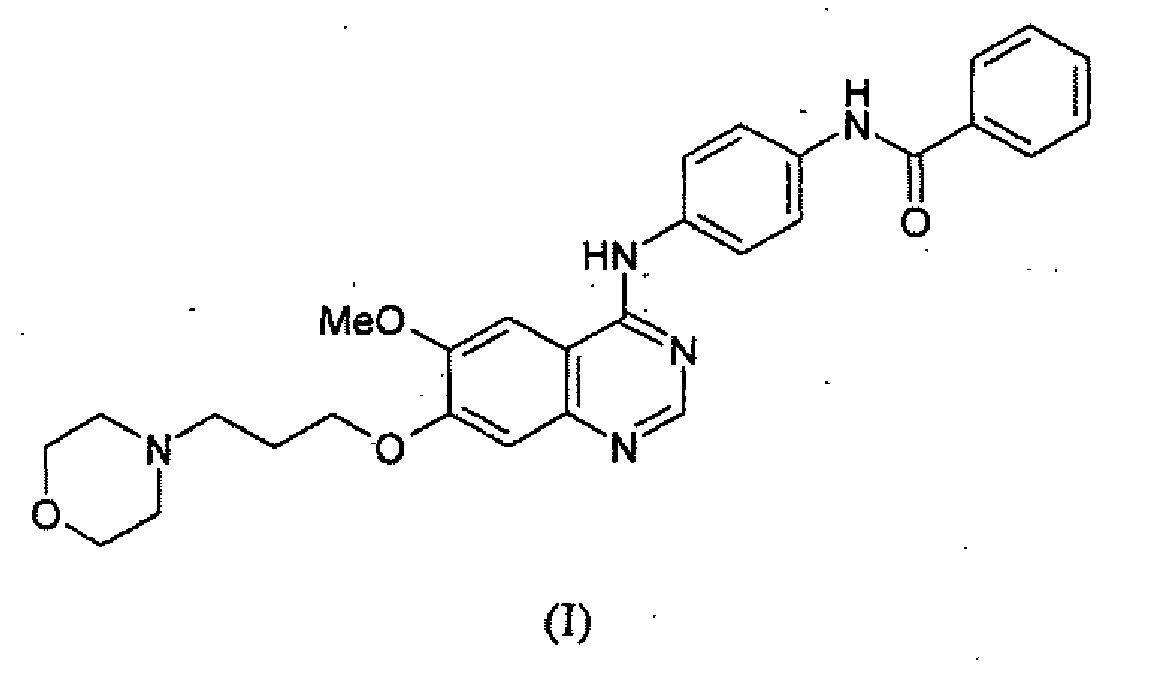
[0009] The present invention provides a compound of formula (I)
or a pharmaceutically acceptable salt thereof.
[0010] In particular, the compound of the invention is useful in the treatment of proliferative disease such as cancer, and in particular cancers where aurora 2 is upregulated such as colon or breast cancers.
[0011] Suitable pharmaceutically acceptable salts of the compound of formula (I) include acid addition salts such as methanesulfonate, fumarate, hydrochloride, hydrobromide, citrate, maleate and salts formed with phosphoric and sulphuric acid. There may be more than one cation or anion depending on the number of charged functions and the valency of the cations or anions. Where the compound of formula (I) includes an acid functionality, salts may be base salts such as an alkali metal salt for example sodium, an alkaline earth metal salt for example calcium or magnesium, an organic amine salt for example triethylamine, morpholine, N-methylpiperidine, N-ethylpiperidine, procaine, dibenzylamine, N,N-dibenzylethylamine or amino acids for example lysine. A preferred pharmaceutically acceptable salt is a sodium salt.
[0012] The compound of formula (I) may be prepared by methods known in the art or by analogous methods. For example, the compound of formula (I) can be prepared by
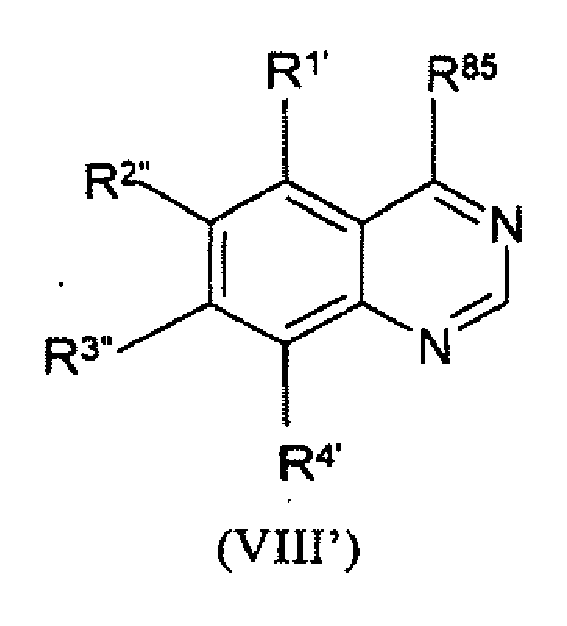
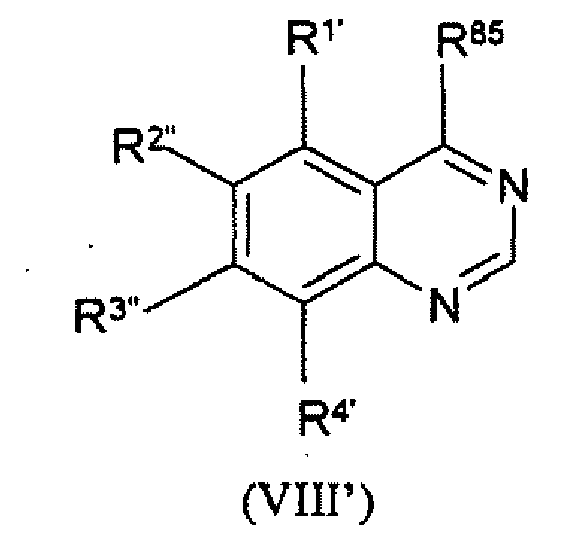
reacting a compound of formula (VIII')
where R1' is hydrogen or a precursor thereof;
R2" is methoxy, or a precursor thereof;
R3" is 3-morpholinopropoxy, or a precursor thereof;
R4' is hydrogen, or a precursor thereof,
and R85 is a leaving group,
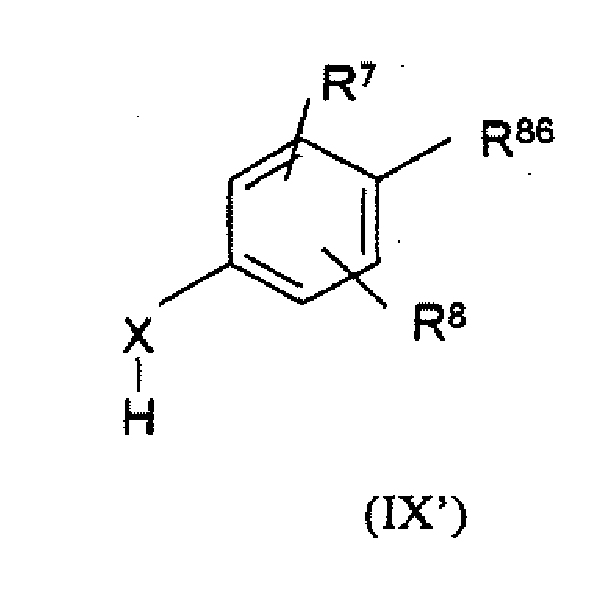
with a compound of formula (IX')
where X is N, R7 and R8 are hydrogen , and R86 is a group of formula NHZR64 where Z is CO, and R64 is phenyl; and thereafter if desired or necessary converting a group R1', R2", R3" or R4' to a group R1', R2", R3" and R4' respectively.
[0013] Suitable leaving groups for R85 include halo such as chloro, mesylate and tosylate. The reaction is suitably effected in an organic solvent such as an alcohol like isopropanol, at elevated temperatures, conveniently at the reflux temperature of the solvent.
[0014] The compounds of formula (I) is an inhibitor of aurora 2 kinase. As a result, this compound can be used to treat disease mediated by these agents, in particular proliferative disease.
[0015] In particular, the compound is used in methods of treatment of proliferative disease such as cancer and in particular cancers such as colorectal or breast cancer where aurora 2 is upregulated.
[0016] The compound of formula (I) are suitably applied in the form of a pharmaceutical composition. The compositions of the compound of formula (I) may be in a form suitable for oral use (for example as tablets, lozenges, hard or soft capsules, aqueous or oily suspensions, emulsions, dispersible powders or granules, syrups or elixirs), for topical use (for example as creams, ointments, gels, or aqueous or oily solutions or suspensions), for administration by inhalation (for example as a finely divided powder or a liquid aerosol), for administration by insufflation (for example as a finely divided powder) or for parenteral administration (for example as a sterile aqueous or oily solution for intravenous, subcutaneous, intramuscular or intramuscular dosing or as a suppository for rectal dosing).
[0017] The compositions of the invention may be obtained by conventional procedures using conventional pharmaceutical excipients, well known in the art. Thus, compositions intended for oral use may contain, for example, one or more colouring, sweetening, flavouring and/or preservative agents.
[0018] Suitable pharmaceutically acceptable excipients for a tablet formulation include, for example, inert diluents such as lactose, sodium carbonate, calcium phosphate or calcium carbonate, granulating and disintegrating agents such as corn starch or algenic acid; binding agents such as starch; lubricating agents such as magnesium stearate, stearic acid or talc; preservative agents such as ethyl or propyl p-hydroxybenzoate, and anti-oxidants, such as ascorbic acid. Tablet formulations may be uncoated or coated either to modify their disintegration and the subsequent absorption of the active ingredient within the gastrointestinal track, or to improve their stability and/or appearance, in either case, using conventional coating agents and procedures well known in the art.
[0019] Compositions for oral use may be in the form of hard gelatin capsules in which the active ingredient is mixed with an inert solid diluent, for example, calcium carbonate, calcium phosphate or kaolin, or as soft gelatin capsules in which the active ingredient is mixed with water or an oil such as peanut oil, liquid paraffin, or olive oil.
[0020] Aqueous suspensions generally contain the active ingredient in finely powdered form together with one or more suspending agents, such as sodium carboxymethylcellulose, methylcellulose, hydroxypropylmethylcellulose, sodium alginate, polyvinyl-pyrrolidone, gum tragacanth and gum acacia; dispersing or wetting agents such as lecithin or condensation products of an alkylene oxide with fatty acids (for example polyoxyethylene stearate), or condensation products of ethylene oxide with long chain aliphatic alcohols, for example heptadecaethyleneoxycetanol, or condensation products of ethylene oxide with partial esters derived from fatty acids and a hexitol such as polyoxyethylene sorbitol monooleate, or condensation products of ethylene oxide with long chain aliphatic alcohols, for example heptadecaethyleneoxycetanol, or condensation products of ethylene oxide with partial esters derived from fatty acids and a hexitol such as polyoxyethylene sorbitol monooleate, or condensation products of ethylene oxide with partial esters derived from fatty acids and hexitol anhydrides, for example polyethylene sorbitan monooleate. The aqueous suspensions may also contain one or more preservatives (such as ethyl or propyl p-hydroxybenzoate, anti-oxidants (such as ascorbic acid), colouring agents, flavouring agents, and/or sweetening agents (such as sucrose, saccharine or aspartame).
[0021] Oily suspensions may be formulated by suspending the active ingredient in a vegetable oil (such as arachis oil, olive oil, sesame oil or coconut oil) or in a mineral oil (such as liquid paraffin). The oily suspensions may also contain a thickening agent such as beeswax, hard paraffin or cetyl alcohol. Sweetening agents such as those set out above, and flavouring agents may be added to provide a palatable oral preparation. These compositions may be preserved by the addition of an anti-oxidant such as ascorbic acid.
[0022] Dispersible powders and granules suitable for preparation of an aqueous suspension by the addition of water generally contain the active ingredient together with a dispersing or wetting agent, suspending agent and one or more preservatives. Suitable dispersing or wetting agents and suspending agents are exemplified by those already mentioned above. Additional excipients such as sweetening, flavouring and colouring agents, may also be present.
[0023] The pharmaceutical compositions of the invention may also be in the form of oil-in-water emulsions. The oily phase may be a vegetable oil, such as olive oil or arachis oil, or a mineral oil, such as for example liquid paraffin or a mixture of any of these. Suitable emulsifying agents may be, for example, naturally-occurring gums such as gum acacia or gum tragacanth, naturally-occurring phosphatides such as soya bean, lecithin, an esters or partial esters derived from fatty acids and hexitol anhydrides (for example sorbitan monooleate) and condensation products of the said partial esters with ethylene oxide such as polyoxyethylene sorbitan monooleate. The emulsions may also contain sweetening, flavouring and preservative agents.
[0024] Syrups and elixirs may be formulated with sweetening agents such as glycerol, propylene glycol, sorbitol, aspartame or sucrose, and may also contain a demulcent, preservative, flavouring and/or colouring agent.
[0025] The pharmaceutical compositions may also be in the form of a sterile injectable aqueous or oily suspension, which may be formulated according to known procedures using one or more of the appropriate dispersing or wetting agents and suspending agents, which have been mentioned above. A sterile injectable preparation may also be a sterile injectable solution or suspension in a non-toxic parenterally-acceptable diluent or solvent, for example a solution in 1,3-butanediol.
[0026] Suppository formulations may be prepared by mixing the active ingredient with a suitable non-irritating excipient which is solid at ordinary temperatures but liquid at the rectal temperature and will therefore melt in the rectum to release the drug. Suitable excipients include, for example, cocoa butter and polyethylene glycols.
[0027] Topical formulations, such as creams, ointments, gels and aqueous or oily solutions or suspensions, may generally be obtained by formulating an active ingredient with a conventional, topically acceptable, vehicle or diluent using conventional procedure well known in the art.
[0028] Compositions for administration by insufflation may be in the form of a finely divided powder containing particles of average diameter of, for example, 30µ or much less, the powder itself comprising either active ingredient alone or diluted with one or more physiologically acceptable carriers such as lactose. The powder for insufflation is then conveniently retained in a capsule containing, for example, 1 to 50mg of active ingredient for use with a turbo-inhaler device, such as is used for insufflation of the known agent sodium cromoglycate.
[0029] Compositions for administration by inhalation may be in the form of a conventional pressurised aerosol arranged to dispense the active ingredient either as an aerosol containing finely divided solid or liquid droplets. Conventional aerosol propellants such as volatile fluorinated hydrocarbons or hydrocarbons may be used and the aerosol device is conveniently arranged to dispense a metered quantity of active ingredient.
[0030] For further information on Formulation the reader is referred to Chapter 25.2 in Volume 5 of Comprehensive Medicinal Chemistry (Corwin Hansch; Chairman of Editorial Board), Pergamon Press 1990.
[0031] The amount of active ingredient that is combined with one or more excipients to produce a single dosage form will necessarily vary depending upon the host treated and the particular route of administration. For example, a formulation intended for oral administration to humans will generally contain, for example, from 0.5 mg to 2 g of active agent compounded with an appropriate and convenient amount of excipients which may vary from about 5 to about 98 percent by weight of the total composition. Dosage unit forms will generally contain about 1 mg to about 500 mg of an active ingredient. For further information on Routes of Administration and Dosage Regimes the reader is referred to Chapter 25.3 in Volume 5 of Comprehensive Medicinal Chemistry (Corwin Hansch; Chairman of Editorial Board), Pergamon Press 1990.
[0032] The size of the dose for therapeutic or prophylactic purposes of the compound of Formula I will naturally vary according to the nature and severity of the conditions, the age and sex of the animal or patient and the route of administration, according to well known principles of medicine. As mentioned above, the compound of Formula I is useful in treating diseases or medical conditions which are due alone or in part to the effects of aurora 2 kinase.
[0033] In using a compound of Formula I for therapeutic or prophylactic purposes it will generally be administered so that a daily dose in the range, for example, 0.5 mg to 75 mg per kg body weight is received, given if required in divided doses. In general lower doses will be administered when a parenteral route is employed. Thus, for example, for intravenous administration, a dose in the range, for example, 0.5 mg to 30 mg per kg body weight will generally be used. Similarly, for administration by inhalation, a dose in the range, for example, 0.5 mg to 25 mg per kg body weight will be used.
[0034] The treatment defined hereinbefore may be applied as a sole therapy or may involve, in addition to the use of the compound, one or more other substances and/or treatments. Such conjoint treatment may be achieved by way of simultaneous, sequential or separate adminstration of the individual components of the treatment. In the field of medical oncology it is normal practice to use a combination of different forms of treatment to treat each patient with cancer. The other components of such conjoint treatment may be, for example, surgery, radiotherapy or chemotherapy. Such chemotherapy may include one or more of the following categories of therapeutic agents :-
- (i) anti-invasion agents (for example metalloproteinase inhibitors like marimastat and inhibitors of urokinase plasminogen activator receptor function);
- (ii) anti-proliferative/anti-neoplastic drugs and combinations thereof, as used in medical oncology, such as platinum derivatives (for example cis-platin, carboplatin); alkylating agents (for example cyclophosphamide, nitrogen mustard, melphalan, chlorambucil, busulphan and nitrosoureas); anti-metabolites (for example anti-folates such as fluoropyrimidines like 5-fluorouracil and tegafur, raltitrexed, methotrexate, cytosine arabinoside and hydroxyurea); anti-tumour antibiotics (for example anthracyclines like adriamycin, bleomycin, doxorubicin, daunomycin, epirubicin, idarubicin, mitomycin-C, dactinomycin and mithramycin); anti-mitotic agents (for example vinca alkaloids like vincristine, vinblastine, vindesine and vinorelbine and taxoids like taxol and taxotere); and topoisomerase inhibitors (for example epipodophyllotoxins like etoposide and teniposide, amsacrine, topotecan and camptothecin);
- (iii) cytostatic agents such as anti-oestrogens (for example tamoxifen, toremifene, raloxifene, droloxifene and iodoxyfene); anti-androgens (for example bicalutamide, flutamide, nilutamide and cyproterone acetate); LHRH antagonists or LHRH agonists (for example goserelin, leuprorelin and buserelin); progestogens (for example megestrol acetate); aromatase inhibitors (for example as anastrozole, letrazole, vorazole and exemestane) and inhibitors of 5-reductase such as finasteride;
- (iv) inhibitors of growth factor function, for example such inhibitors include growth factor antibodies, growth factor receptor antibodies, tyrosine kinase inhibitors and serine/threonine kinase inhibitors, for example inhibitors of the epidermal growth factor family (for example EGFR tyrosine kinase inhibitors) for example inhibitors of the platelet-derived growth factor family and for example inhibitors of the hepatocyte growth factor family; and
- (v) antiangiogenic agents such as those which inhibit vascular endothelial growth factor such as the compounds disclosed in International Patent Applications WO 97/22596, WO 97/30035, WO 97/32856 and WO 98/13354 and those that work by other mechanisms (for example linomide, inhibitors of integrin αvβ3 function and angiostatin).
[0035] Such combination products employ the compounds of this invention within the dosage range described hereinbefore and the other pharmaceutically-active agent within its approved dosage range.
[0036] The invention will now be illustrated in the following non limiting Examples, in which standard techniques known to the skilled chemist and techniques analogous to those described in these Examples may be used where appropriate, and in which, unless otherwise stated:
(i) evaporations were carried out by rotary evaporation in vacuo and work up procedures were carried out after removal of residual solids such as drying agents by filtration;
(ii) operations were carried out at ambient temperature, typically in the range 18-25°C and in air unless stated, or unless the skilled person would otherwise operate under an atmosphere of an inert gas such as argon;
(iii) column chromatography (by the flash procedure) and medium pressure liquid chromatography (MPLC) were performed on Merck Kieselgel silica (Art. 9385) or on Merck Lichroprep RP-18 (Art. 9303) reversed-phase silica, obtained from E. Merck, Darmstadt, Germany; bond elute chromatography was performed using Varian Mega Bond Elut cartridges (10 g, order code 1225-6034), obtained from Varian Sample Preparation Products, California, USA;
(iv) yields are given for illustration only and are not necessarily the maximum attainable;
(v) the structures of the end products of the formula (I) were generally confirmed by nuclear (generally proton) magnetic resonance (NMR) and mass spectral techniques; proton magnetic resonance chemical shift values were measured in deuterated DMSOd6 (unless otherwise stated) on the delta scale (ppm downfield from tetramethylsilane) using a Varian Gemini 2000 spectrometer operating at a field strength of 300MHz, or a Bruker DPX300 spectrometer operating at a field strength of 300MHz; and peak multiplicities are shown as follows: s, singlet; d, doublet; dd, double doublet; t, triplet; q, quartet; qu, quintet; m, multiplet; bs, broad singlet; mass spectrometry (MS) was performed by electrospray on a VG platform;
(vi) robotic synthesis was carried out using a Zymate XP robot, with solution additions via a Zymate Master Laboratory Station and stirred via a Stem RS5000 Reacto-Station at 25°C;
(vii) work up and purification of reaction mixtures from robotic synthesis was carried out as follows: evaporations were carried out in vacuo using a Savant AES 2000; column chromatography was performed using either an Anachem Sympur MPLC or Jones Flashmaster MPLC systems on silica using Varian Mega Bond Elut cartridges; the structures of the final products were confirmed by LCMS on a Micromass OpenLynx system using the following and are quoted as retention time (RT) in minutes:
| Column: | 4.6 mm x 3 cm Hichrom RPB |
| Solvent A: | 5% Methanol in Water + 0.1 % formic acid |
| Solvent B: | 5% Methanol in Acetonitrile + 0.1% formic acid |
| Flow rate: | 1.4 ml / min |
| Run time: | 5 minutes with a 4.5 minute gradient from 0-100% B |
| Wavelength: | 254 nm, bandwidth 10 nm |
| Mass detector: | Micromass Platform LC |
| Injection volume | 0.002 ml |
(vii) Analytical LCMS for compounds which had not been prepared by robotic synthesis was performed on a a Waters Alliance HT system using the following and are quoted as retention time (RT) in minutes:
| Column: | 2.0 mm x 5 cm Phenomenex Max-RP 80A |
| Solvent A: | Water |
| Solvent B: | Acetonitrile |
| Solvent C: | Methanol + 1% formic acid |
| Flow rate: | 1.1 ml / min |
| Run time: | 5 minutes with a 4.5 minute gradient from 0-95% B + constant 5% solvent C |
| Wavelength: | 254 nm, bandwidth 10 nm |
| Injection volume | 0.005 ml |
| Mass detector: | Micromass ZMD |
(viii) Preparative high performance liquid chromatography (HPLC) was performed on a Gilson instrument using the following and are quoted as retention time (RT) in minutes:
| Column: | 21 mm x 10 cm Hichrom RPB |
| Solvent A: | Water + 0.1% trifluoracetic acid, |
| Solvent B: | Acetonitrile + 0.1 % trifluoracetic acid |
| Flow rate: | 18 ml / min |
| Run time: | 15 minutes with a 10 minute gradient from 5-100% B |
| Wavelength: | 254 nm, bandwidth 10 nm |
| Injection volume | 2.0-4.0 ml |
(ix) intermediates were not generally fully characterised and purity was assessed by thin layer chromatography (TLC), HPLC, infra-red (IR), MS or NMR analysis;
Reference example
Reference compound
[0038]
wherein R9 is phenyl, was prepared according to the following method:-
A solution of 4-chloro-6,7-dimethoxyquinazoline (3.176 g, 14.13 mmol) and N-benzoyl 4-aminoaniline (3.00 g, 14.13 mmol) in isopropanol (200 ml) was heated at reflux for 3 hours before the reaction was allowed to cool to ambient temperature. The solid which had precipitated was collected by suction filtration and washed with diethyl ether (2 x 50 ml). Drying of this material yielded the title compound (5.66 g, 92 % yield) as a pale-yellow solid :
1H-NMR (DMSO d6) : 11.29 (s, 1H), 10.39 (s, 1H), 8.80 (s, 1H), 8.25 (s, 1H), 7.98 (d, 2H, J = 8 Hz), 7.89 (d, 2H, J = 8 Hz), 7.65 (d, 2H, J = 8 Hz), 7.50-7.63 (m, 3H), 7.32 (s, 1H), 4.00 (s, 3H), 3.98 (s, 3H):
MS (+ve ESI) : 401 (M+H)+.
Example - Preparation of Compound of Formula (I)
[0039] An analogous reaction to that described in the reference example , but starting with 4-chloro-6-methoxy-7-(3-morpholinopropoxy)quinazoline (3.37 g, 10.0 mmol) yielded the title compound (3.00 g, 58 % yield) as a white solid after purification by flash chromatography on silica gel, eluting with 10 % methanol in dichloromethane :
1H-NMR (DMSO d6): 10.22 (s, 1H), 9.45 (s, 1H), 8.41 (s, 1H), 7.95 (d, 2H), 7.85 (s, 1H), 7.75 (dd, 4H), 7.55 (m, 3H), 7.15 (s, 1H), 4.20 (t, 3H), 3.95 (s, 3H), 3.60 (t, 4H), 2.45 (m, 2H), 2.41 (m, 4H), 1.95 (m, 2H) :
MS (-ve ESI) : 512 (M-H)-,
MS (+ve ESI) : 514 (M+H)+.
4-Chloro-6-methoxy-7-(3-morpholinopropoxy)quinazoline, used as the starting material, was obtained as follows :
- a) A mixture of morpholine (261 ml, 3.00 mol) and 1-bromo-3-chloropropane (148 ml,
1.50 mol) in toluene (900 ml) was stirred for 18 hours at ambient temperature. Additional
1-bromo-3 -chloropropane (25 ml, 0.25 mol) was added, the reaction was stirred for
a further 1 hour and then filtered to remove the precipitated solid before the filtrate
was concentrated in vacuo. Distillation of the crude oil yielded N-(3-chloropropyl)-morpholine (119.3 g, 49
% yield) as the fraction boiling at 70-80 °C / 2.6 mmHg :
1H-NMR (DMSO d6): 3.65 (t, 2H), 3.55 (m, 4H), 2.41 (t, 2H), 2.39 (m, 4H), 1.85 (m, 2H) :
MS (+ve ESI) : 164 (M+H)+. - b) N-(3-Chloropropyl)morpholine (90 g, 0.55 mol) was added dropwise, over 30 minutes,
to a solution of ethyl vanillate (98 g, 0.50 mol) and powdered potassium carbonate
(104 g, 0.75 mol) in dimethylformamide (300 ml) at 80 °C. The reaction was heated
at 80 °C for 90 minutes, cooled to ambient temperature, filtered and the filtrate
concentrated in vacuo. The crude product was taken up in diethyl ether (1000 ml), filtered and washed with
water (2 x 200 ml) and brine (200 ml). Solvent evaporation in vacuo yielded ethyl 3-methoxy-4-(3-morpholinopropoxy)benzoate (161.5 g, 100 % yield) as
a pale yellow oil which crystallised on standing to afford a pale yellow solid :
1H-NMR (DMSO d6) : 7.55 (dd, 1H), 7.41 (d, 1H), 7.05 (d, 1H), 4.30 (q, 2H), 4.05 (t, 2H), 3.80 (s, 3H), 3.55 (m, 4H), 2.41 (t, 2H), 2.35 (m, 4H), 1.92 (m, 2H), 1.32 (t, 3H) :
MS (-ve ESI) : 324 (M-H)-, - c) Concentrated sulphuric acid (110 ml) and concentrated nitric acid (19.0 ml, 0.289
mol) were added cautiously, over a 50 minute period, to a two-phase system containing
a stirred solution of ethyl 3-methoxy-4-(3-morpholinopropoxy)benzoate (76.5 g, 0.237
mol) in dichloromethane (600 ml), acetic acid (300 ml) and water (70 ml) at 5 °C.
The reaction was allowed to warm to ambient temperature over 18 hours, the aqueous
phase was separated, and the aqueous phase was taken to pH 9 by addition of 40 % aqueous
sodium hydroxide solution (775 ml). Extraction of the aqueous phase with dichloromethane
(3 x 600 ml) and subsequent solvent evaporation in vacuo_yielded ethyl 3-methoxy-4-(3-morpholinopropoxy)-6-nitrobenzoate (141.3 g, 86 % yield)
as a yellow gum:
1H-NMR (CDCl3) : 7.50 (s, 1H), 7.11 (s, 1H), 4.41 (q, 2H), 4.22 (t, 2H), 4.0 (s, 3H), 3.70 (m, 4H), 2.50 (t, 2H), 2.45 (m, 4H), 2.05 (m, 2H), 1.41 (t, 3H) :
MS (+ve ESI) : 369 (M+H)+. - d) A suspension of ethyl 3-methoxy-4-(3-morpholinopropoxy)-6-nitrobenzoate (132.2
g, 359 mmol) and 10 % palladium on carbon (3.0 g) in a mixture of ethanol (200 ml)
and ethyl acetate (2000 ml) was stirred under an atmosphere of hydrogen for 18 hours.
Removal of the catalyst by filtration, followed by solvent evaporation in vacuo yielded ethyl 3-methoxy-4-(3-morpholinopropoxy)-6-aminobenzoate (122 g, 100 % yield)
as a brown oil :
1H-NMR (DMSO d6) : 7.15 (s, 1H), 6.40 (s, 2H), 6.35 (s, 1H), 4.20 (q, 2H), 3.95 (t, 2H), 3.65 (s, 3H), 3.55 (m, 4H), 2.41 (t, 2H), 2.35 (m, 4H), 1.85 (m, 2H), 1.25 (t, 3H) :
MS (-ve ESI) : 337 (M-H)-,
MS (+ve ESI): 339 (M+H)+. - e) A solution of ethyl 3-methoxy-4-(3-morpholinopropoxy)-6-aminobenzoate (130 g, 384
mmol) in formamide (280 ml) was heated at 180 °C for 3 hours, during which time a
small amount (25 ml) of liquid distilled out of the reaction. The reaction was cooled
to 125 °C and the excess formamide was evaporated in vacuo. Trituration of the solid residue with isopropanol (100 ml), followed by drying in vacuo, yielded 6-methoxy-7-(3-morpholinopropoxy)-3,4-dihydroquinazolin-4-one (83.0 g, 68
% yield) as a pale brown solid :
1H-NMR (DMSO d6) : 12.0 (s, 1H), 7.95 (s, 1H), 7.45 (s, 1H), 7.10 (s, 1H), 4.15 (t, 2H), 3.85 (s, 3H), 3.61 (m, 4H), 2.45 (t, 2H), 2.35 (m, 4H), 1.92 (m, 2H) :
MS (-ve ESI) : 318 (M-H)-,
MS (+ve ESI) : 320 (M+H)+. - f) Dimethylformamide (2.0 ml) was added dropwise to a solution of 6-methoxy-7-(3-morpholinopropoxy)-3,4-dihydro-quinazolin-4-one
(83.0 g, 261 mmol) in thionyl chloride (700 ml) and the reaction was heated at reflux
for 3.5 hours. The reaction was cooled, excess thionyl chloride was removed in vacuo, the residue was taken up in water (500 ml) and this aqueous solution was taken to
pH 9 by addition of saturated aqueous sodium bicarbonate solution (300 ml). The aqueous
phase was extracted with dichloromethane (2 x 400 ml), the organic solution was washed
with brine (400 ml) and the solvents were removed in vacuo. Trituration of the solid residue with ethyl acetate (150 ml), followed by drying
in vacuo, yielded 4-chloro-6-methoxy-7-(3-morpholinopropoxy)quinazoline (53 g, 60 % yield)
as a pale brown solid :
1H-NMR (CDCl3) : 8.85 (s, 1H), 7.39 (s, 1H), 7.38 (s, 1H), 4.31 (t, 2H), 4.05 (s, 3H), 3.70 (m, 4H), 2.60 (t, 2H), 2.51 (m, 4H), 2.12 (m, 2H) :
MS (+ve ESI) : 338 (M+H)+.
Biological Data
[0040] The compound of the invention inhibits the serine/threonine kinase activity of the aurora2 kinase and thus inhibit the cell cycle and cell proliferation. These properties may be assessed, for example, using one or more of the procedures set out below:
(a) In Vitro aurora2 kinase inhibition test
[0041] This assay determines the ability of a test compound to inhibit serine/threonine kinase activity. DNA encoding aurora2 may be obtained by total gene synthesis or by cloning. This DNA may then be expressed in a suitable expression system to obtain polypeptide with serine/threonine kinase activity. In the case of aurora2, the coding sequence was isolated from cDNA by polymerase chain reaction (PCR) and cloned into the BamH 1 and Not1 restriction endonuclease sites of the baculovirus expression vector pFastBac HTc (GibcoBRL/Life technologies). The 5' PCR primer contained a recognition sequence for the restriction endonuclease BamH1 5' to the aurora2 coding sequence. This allowed the insertion of the aurora2 gene in frame with the 6 histidine residues, spacer region and rTEV protease cleavage site encoded by the pFastBac HTc vector. The 3' PCR primer replaced the aurora2 stop codon with additional coding sequence followed by a stop codon and a recognition sequence for the restriction endonuclease Not1. This additional coding sequence (5' TAC CCA TAC GAT GTT CCA GAT TAC GCT TCT TAA 3') encoded for the polypeptide sequence YPYDVPDYAS. This sequence, derived from the influenza hemagglutin protein, is frequently used as a tag epitope sequence that can be identified using specific monoclonal antibodies. The recombinant pFastBac vector therefore encoded for an N-terminally 6 his tagged, C terminally influenza hemagglutin epitope tagged aurora2 protein. Details of the methods for the assembly of recombinant DNA molecules can be found in standard texts, for example Sambrook et al. 1989, Molecular Cloning - A Laboratory Manual, 2nd Edition, Cold Spring Harbor Laboratory press and Ausubel et al. 1999, Current Protocols in Molecular Biology, John Wiley and Sons Inc.
[0042] Production of recombinant virus can be performed following manufacturer's protocol from GibcoBRL. Briefly, the pFastBac-1 vector carrying the aurora2 gene was transformed into E. coli DH10Bac cells containing the baculovirus genome (bacmid DNA) and via a transposition event in the cells, a region of the pFastBac vector containing gentamycin resistance gene and the aurora2 gene including the baculovirus polyhedrin promoter was transposed directly into the bacmid DNA. By selection on gentamycin, kanamycin, tetracycline and X-gal, resultant white colonies should contain recombinant bacmid DNA encoding aurora2. Bacmid DNA was extracted from a small scale culture of several BH10Bac white colonies and transfected into Spodoptera frugiperda Sf21 cells grown in TC100 medium (GibcoBRL) containing 10% serum using CellFECTIN reagent (GibcoBRL) following manufacturer's instructions. Virus particles were harvested by collecting cell culture medium 72 hrs post transfection. 0.5 mls of medium was used to infect 100 ml suspension culture of Sf21s containing 1 x 10⁷ cells/ml. Cell culture medium was harvested 48 hrs post infection and virus titre determined using a standard plaque assay procedure. Virus stocks were used to infect Sf9 and "High 5" cells at a multiplicity of infection (MOI) of 3 to ascertain expression of recombinant aurora2 protein.
[0043] For the large scale expression of aurora2 kinase activity, Sf21 insect cells were grown at 28°C in TC100 medium supplemented with 10% foetal calf serum (Viralex) and 0.2% F68 Pluronic (Sigma) on a Wheaton roller rig at 3 r.p.m. When the cell density reached 1.2x10⁶ cells ml-1 they were infected with plaque-pure aurora2 recombinant virus at a multiplicity of infection of 1 and harvested 48 hours later. All subsequent purification steps were performed at 4°C. Frozen insect cell pellets containing a total of 2.0 x 10⁸ cells were thawed and diluted with lysis buffer (25 mM HEPES (N-[2-hydroxyethyl]piperazine-N'-[2-ethanesulphonic acid]) pH7.4 at 4°C , 100 mM KCI, 25 mM NaF, 1 mM Na3VO4, 1 mM PMSF (phenylmethylsulphonyl fluoride), 2 mM 2-mercaptoethanol, 2 mM imidazole, 1 µg/ml aprotinin, 1 µg/ml pepstatin, 1 µg/ml leupeptin), using 1.0 ml per 3 x 10⁷ cells. Lysis was achieved using a dounce homogeniser, following which the lysate was centrifuged at 41,000g for 35 minutes. Aspirated supernatant was pumped onto a 5 mm diameter chromatography column containing 500 µl Ni NTA (nitrilo-tri-acetic acid) agarose (Qiagen, product no. 30250) which had been equilibrated in lysis buffer. A baseline level of UV absorbance for the eluent was reached after washing the column with 12 ml of lysis buffer followed by 7 ml of wash buffer (25 mM HEPES pH7.4 at 4°C, 100 mM KCI, 20 mM imidazole, 2 mM 2-mercaptoethanol). Bound aurora2 protein was eluted from the column using elution buffer (25 mM HEPES pH7.4 at 4°C, 100 mM KCl, 400 mM imidazole, 2 mM 2-mercaptoethanol). An elution fraction (2.5 ml) corresponding to the peak in UV absorbance was collected. The elution fraction, containing active aurora2 kinase, was dialysed exhaustively against dialysis buffer (25 mM HEPES pH7.4 at 4°C, 45% glycerol (v/v), 100 mM KCl, 0.25% Nonidet P40 (v/v), 1 mM dithiothreitol).
[0044] Each new batch of aurora2 enzyme was titrated in the assay by dilution with enzyme diluent (25mM Tris-HCl pH7.5, 12.5mM KCI, 0.6mM DTT). For a typical batch, stock enzyme is diluted I in 666 with enzyme diluent & 20µl of dilute enzyme is used for each assay well. Test compounds (at 10mM in dimethylsulphoxide (DMSO)) were diluted with water & 10µl of diluted compound was transferred to wells in the assay plates. "Total" & "blank" control wells contained 2.5% DMSO instead of compound. Twenty microlitres of freshly diluted enzyme was added to all wells, apart from "blank" wells. Twenty microlitres of enzyme diluent was added to "blank" wells. Twenty microlitres of reaction mix (25mM Tris-HCl, 78.4mM KCl, 2.5mM NaF, 0.6mM dithiothreitol, 6.25mM MnCl2, 6.25mM ATP, 7.5µM peptide substrate [biotin-LRRWSLGLRRWSLGLRRWSLGLRRWSLG]) containing 0.2µCi [γ33P]ATP (Amersham Pharmacia, specific activity ≥2500Ci/mmol) was then added to all test wells to start the reaction. The plates were incubated at room temperature for 60 minutes. To stop the reaction 100µl 20% v/v orthophosphoric acid was added to all wells. The peptide substrate was captured on positively-charged nitrocellulose P30 filtermat (Whatman) using a 96-well plate harvester (TomTek) & then assayed for incorporation of 33P with a Beta plate counter. "Blank" (no enzyme) and "total" (no compound) control values were used to determine the dilution range of test compound which gave 50% inhibition of enzyme activity.
[0045] In this test, reference compound gave gave 50% inhibition of enzyme activity at a concentration of 0.374 µM and the compound of formula (I) gave 50% inhibition of enzyme activity at a concentration of 0.0193µM
(b) In Vitro cell proliferation assay
[0046] These and other assays can be used to determine the ability of a test compound to inhibit the growth of adherent mammalian cell lines, for example the human tumour cell line MCF7.
Assay 1: MCF-7 (ATCC HTB-22) or other adherent cells were typically seeded at 1 x 10³ cells per well (excluding the peripheral wells) in DMEM (Sigma Aldrich) without phenol red, plus 10% foetal calf serum, 1% L-glutamine and 1% penicillin/streptomycin in 96 well tissue culture treated clear plates (Costar). The following day (day 1), the media was removed from a no treatment control plate and the plate stored at -80°C. The remaining plates were dosed with compound (diluted from 10mM stock in DMSO using DMEM (without phenol red, 10% FCS, 1% L-glutamine, 1% penicillin/streptomycin). Untreated control wells were included on each plate. After 3 days in the presence / absence of compound (day 4) the media was removed and the plates stored at -80°C. Twenty four hours later the plates were thawed at room temperature and cell density determined using the CyQUANT cell proliferation assay kit (c-7026/c-7027 Molecular Probes Inc.) according to manufacturers directions. Briefly, 200µl of a cell lysis / dye mixture (10µl of 20X cell lysis buffer B, 190µl of sterile water, 0.25µl of CYQUANT GR dye) was added to each well and the plates incubated at room temperature for 5 minutes in the dark. The fluorescence of the wells was then measured using a fluorescence microplate reader (gain 70, 2 reads per well, I cycle with excitation 485nm and emission 530nm using a CytoFluor plate reader (PerSeptive Biosystems Inc.)). The values from day 1 and day 4 (compound treated) together with the values from the untreated cells were used to determine the dilution range of a test compound that gave 50% inhibition of cell proliferation. The reference compound was effective in this test at 8.03µM and the compound of the inventionwas effective in this test at 1.06µM. These values could also be used to calculate the dilution range of a test compound at which the cell density dropped below the day 1 control value. This indicates the cytotoxicity of the compound.
Assay 2 :This assay determines the ability of at test compound to inhibit the incorporation of the thymidine analogue, 5'-bromo-2'-deoxy-uridine (BrdU) into cellular DNA. MCF-7 or other adherent cells were typically seeded at 0.8x10⁴ cells per well in DMEM (Sigma Aldrich) without phenol red, plus 10% foetal calf serum, 1% L-glutamine and 1% penicillin/streptomycin (50µl / well) in 96 well tissue culture treated 96 well plates (Costar) and allowed to adhere overnight. The following day the cells were dosed with compound (diluted from 10mM stock in DMSO using DMEM (without phenol red, 10% FCS, 1% L-glutamine, 1% penicillin/streptomycin). Untreated control wells and wells containing a compound known to give 100% inhibition of BrdU incorporation were included on each plate. After 48 hours in the presence / absence of test compound the ability of the cells to incorporate BrdU over a 2 hour labelling period was determined using a Boehringer (Roche) Cell Proliferation BrdU ELISA kit (cat. No. 1 647 229) according to manufacturers directions. Briefly, 15 µl of BrdU labelling reagent (diluted 1:100 in media - DMEM no phenol red, 10% FCS, 1% L-glutamine, 1% penicillin/streptomycin) was added to each well and the plate returned to a humidified (+5% CO2) 37°C incubator for 2 hours. After 2 hours the labelling reagent was removed by decanting and tapping the plate on a paper towel. FixDenat solution (50µl per well) was added and the plates incubated at room temperature for 45mins with shaking. The FixDenat solution was removed by decanting and tapping the inverted plate on a paper towel. The plate was then washed once with phosphate buffered saline (PBS) and 100µl /well of Anti-BrdU-POD antibody solution (diluted 1:100 in antibody dilution buffer) added. The plate was then incubated at room temperature with shaking for 90min. Unbound Anti-BrdU-POD antibody was removed by decanting and washing the plate 5 times with PBS before being blotted dry. TMB substrate solution was added (100µl/well) and incubated for approximately 10 minutes at room temperature with shaking until a colour change was apparent. The optical density of the wells was then determined at 690nm wavelength using a Titertek Multiscan plate reader. The values from compound treated, untreated and 100% inhibition controls were used to determine the dilution range of a test compound that gave 50% inhibition of BrdU incorporation. The reference compound was effective in this test at 1.245 µM and the compound (I) was effective in at from 0.159-0.209µM
(c)In Vitro cell cycle analysis assay
[0047] This assay determines the ability of a test compound to arrest cells in specific phases of the cell cycle. Many different mammalian cell lines could be used in this assay and MCF7 cells are included here as an example. MCF-7 cells were seeded at 3 x 10⁵ cells per T25 flask (Costar) in 5 ml DMEM (no phenol red 10% FCS, 1% L-glutamine 1% penicillin / streptomycin). Flasks were then incubated overnight in a humidified 37°C incubator with 5% CO2. The following day 1ml of DMEM (no phenol red 10% FCS, 1% L-glutamine 1% penicillin / streptomycin) carrying the appropriate concentration of test compound solubilised in DMSO was added to the flask. A no compound control treatments was also included (0.5% DMSO). The cells were then incubated for a defined time (usually 24 hours) with compound. After this time the media was aspirated from the cells and they were washed with 5ml of prewarmed (37°C) sterile PBSA, then detached from the flask by brief incubation with trypsin and followed by resuspension in 10ml of 1% Bovine Serum Albumin (BSA, Sigma-Aldrich Co.) in sterile PBSA. The samples were then centrifuged at 2200rpm for 10 min. The supernatant was aspirated and the cell pellet was resuspended in 200µl of 0.1 % (w/v) Tris sodium citrate, 0.0564% (w/v) NaCl, 0.03% (v/v) Nonidet NP40, [pH 7.6]. Propridium Iodide (Sigma Aldrich Co.) was added to 40µg/ml and RNAase A (Sigma Aldrich Co.) to 100µg/ml. The cells were then incubated at 37°C for 30 minutes. The samples were centrifuged at 2200rpm for 10 min, the supernatant removed and the remaining pellet (nuclei) resuspended in 200µl of sterile PBSA. Each sample was then syringed 10 times using 21 gauge needle. The samples were then transferred to LPS tubes and DNA content per cell analysed by Fluorescence activated cell sorting (FACS) using a FACScan flow cytometer (Becton Dickinson). Typically 25000 events were counted and recorded using CellQuest v1.1 software (Verity Software). Cell cycle distribution of the population was calculated using Modfit software (Verity Software) and expressed as percentage of cells in G0/G1, S and G2/M phases of the cell cycle. Treating MCF7 cells with 25µM reference Compound or 2.12µM of Compound (I) for 24 hours produced the following changes in cell cycle distribution:
| Treatment | % Cells in G1 | % Cells in S | % Cells in G2/M |
| DMSO (control - reference Comp) | 49.9 | 39.2 | 10.9 |
| 25µM Compound (I) | 25.82 | 17.71 | 56.47 |
| DMSO (control -reference Comp) | 57.5 | 31.95 | 10.55 |
| 2.12µM Compound (I) | 19.69 | 12.4 | 68.21 |
1. A compound of formula (I):
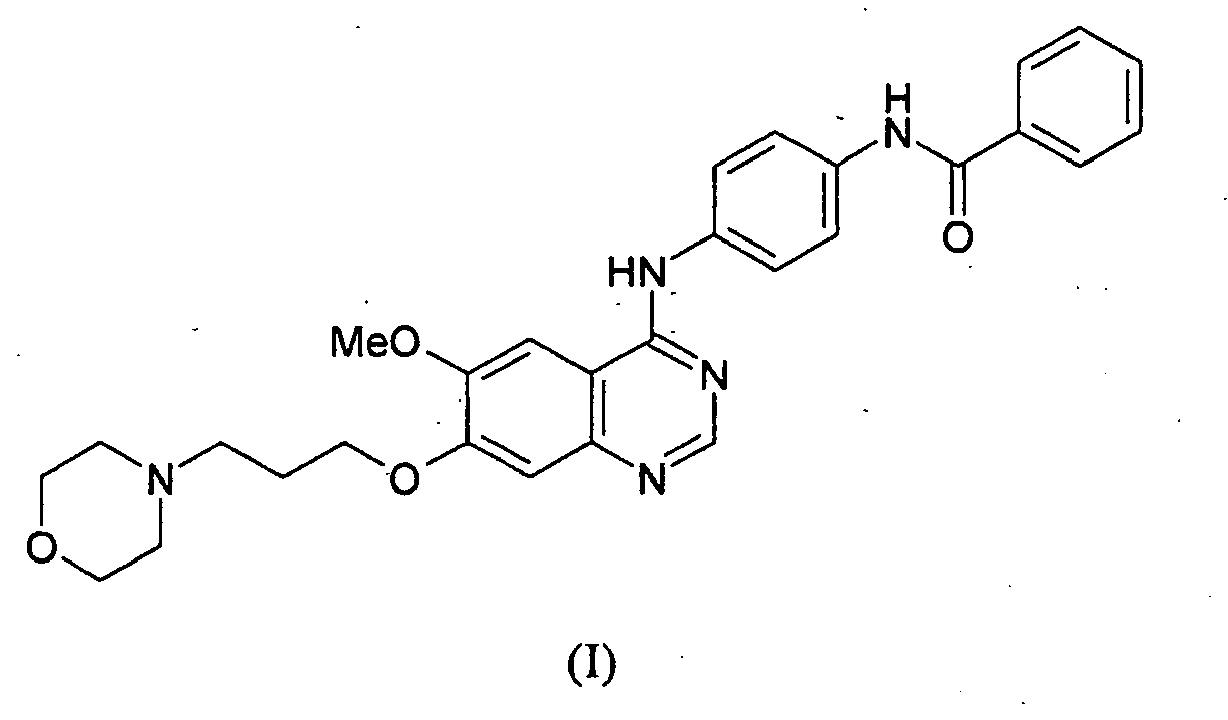
or a pharmaceutically acceptable salt thereof.
or a pharmaceutically acceptable salt thereof.
2. A method for preparing a compound according to claim 1, which method comprises reacting
a compound of formula (VIII')
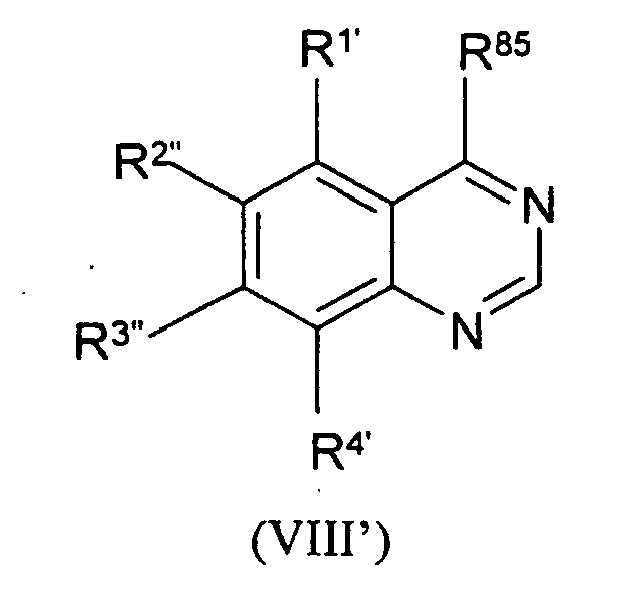
where R1' is hydrogen, or a precursor thereof;
R2" is methoxy, or a precursor thereof;
R3" is 3-morpholinopropoxy, or a precursor thereof;
R4' is hydrogen, or a precursor thereof;
and R85 is a leaving group,
with a compound of formula (IX')
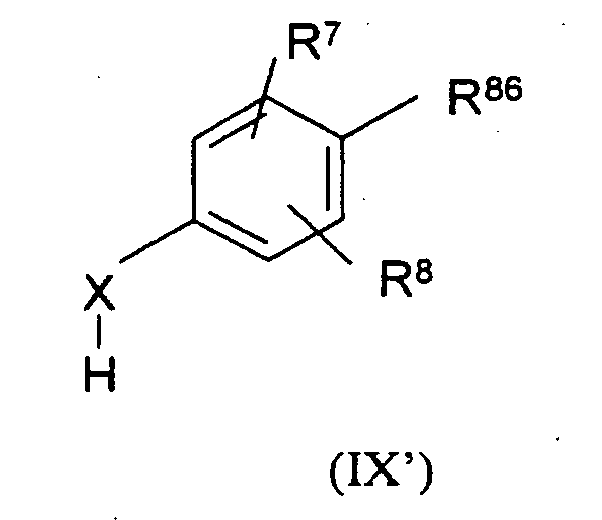
where X is N, R7 and R8 are hydrogen, and R86 is a group of formula NHZR64 where Z is CO and R64 is phenyl; and thereafter if desired or necessary converting a precursor group R1', R2", R3" or R4' to a group R1', R2", R3" and R4' respectively.
where R1' is hydrogen, or a precursor thereof;
R2" is methoxy, or a precursor thereof;
R3" is 3-morpholinopropoxy, or a precursor thereof;
R4' is hydrogen, or a precursor thereof;
and R85 is a leaving group,
with a compound of formula (IX')
where X is N, R7 and R8 are hydrogen, and R86 is a group of formula NHZR64 where Z is CO and R64 is phenyl; and thereafter if desired or necessary converting a precursor group R1', R2", R3" or R4' to a group R1', R2", R3" and R4' respectively.
3. A compound of formula (I) as defined in claim 1, or a pharmaceutically acceptable
salt thereof, for use in a method of treatment of the human or animal body by therapy.
4. A compound of formula (I) according to claim 3, or a pharmaceutically acceptable salt
thereof, wherein the use is in a method of treatment of proliferative disease such
as cancer.
5. A pharmaceutical composition comprising a compound of formula (I) as defined in claim
1, or a pharmaceutically acceptable salt thereof, in combination with a pharmaceutically
acceptable carrier.
1. Verbindung der Formel (I):
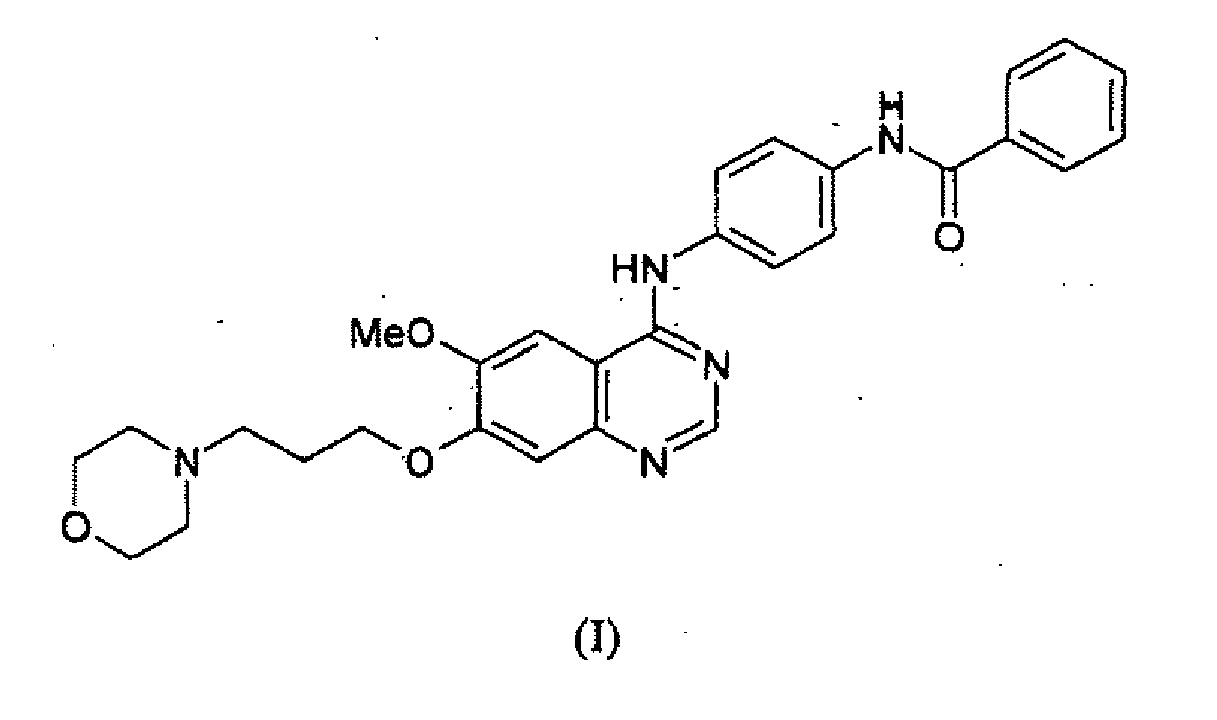
oder ein pharmazeutisch annehmbares Salz davon.
oder ein pharmazeutisch annehmbares Salz davon.
2. Verfahren zur Herstellung einer Verbindung der Formel (I), bei dem man eine Verbindung
der Formel (VIII')
worin R1' für Wasserstoff oder einen Vorläufer davon steht;
R2" für Methoxy oder einen Vorläufer davon steht;
R3" für 3-Morpholinopropoxy oder einen Vorläufer davon steht;
R4' für Wasserstoff oder einen Vorläufer davon steht
und R85 für eine Abgangsgruppe steht,
mit einer Verbindung der Formel (IX')
worin X für N steht, R7 und R8 für Wasserstoff stehen und R86 für eine Gruppe der Formel NHZR64, worin Z CO bedeutet und R64 Phenyl bedeutet, steht, umsetzt und danach gewünschtenfalls oder erforderlichenfalls eine Vorläufergruppe R1', R2", R3'' oder R4' in eine Gruppe R1, R2", R3" bzw. R4' umwandelt.
worin R1' für Wasserstoff oder einen Vorläufer davon steht;
R2" für Methoxy oder einen Vorläufer davon steht;
R3" für 3-Morpholinopropoxy oder einen Vorläufer davon steht;
R4' für Wasserstoff oder einen Vorläufer davon steht
und R85 für eine Abgangsgruppe steht,
mit einer Verbindung der Formel (IX')
worin X für N steht, R7 und R8 für Wasserstoff stehen und R86 für eine Gruppe der Formel NHZR64, worin Z CO bedeutet und R64 Phenyl bedeutet, steht, umsetzt und danach gewünschtenfalls oder erforderlichenfalls eine Vorläufergruppe R1', R2", R3'' oder R4' in eine Gruppe R1, R2", R3" bzw. R4' umwandelt.
3. Verbindung der Formel (I) gemäß Anspruch 1 oder ein pharmazeutisch annehmbares Salz
davon zur Verwendung bei einer Methode zur Behandlung des menschlichen oder tierischen
Körpers durch Therapie.
4. Verbindung der Formel (I) nach Anspruch 3 oder ein pharmazeutisch annehmbares Salz
davon, wobei die Verwendung bei einer Methode zur Behandlung einer proliferativen
Erkrankung wie Krebs erfolgt.
5. Pharmazeutische Zusammensetzung, enthaltend eine Verbindung der Formel (I) gemäß Anspruch
1 oder ein pharmazeutisch annehmbares Salz davon in Kombination mit einem pharmazeutisch
annehmbaren Träger.
1. Composé de formule (I) :
ou un sel pharmaceutiquement acceptable de celui-ci.
ou un sel pharmaceutiquement acceptable de celui-ci.
2. Méthode de préparation d'un composé selon la revendication 1, laquelle méthode comprend
la réaction d'un composé de formule (VIII')
dans laquelle R1' est hydrogène, ou un précurseur de celui-ci ;
R2" est méthoxy, ou un précurseur de celui-ci ;
R3" est 3-morpholinopropoxy, ou un précurseur de celui-ci ;
R4' est hydrogène, ou un précurseur de celui-ci ;
et R85 est un groupement partant,
avec un composé de formule (IX')
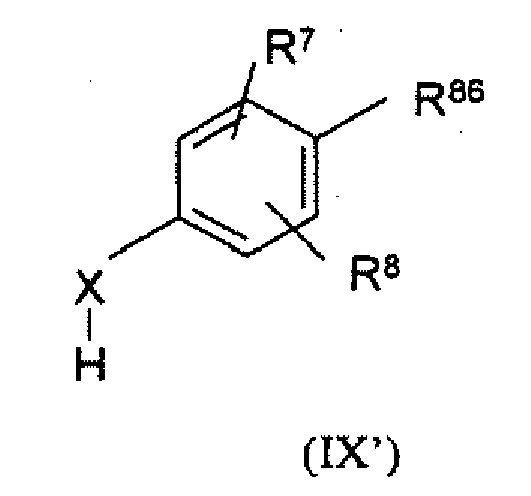
dans laquelle X est N, R7 et R8 sont hydrogène, et R86 est un groupement de formule NHZR64 dans laquelle Z est CO et R64 est phényle ; et ensuite si on le souhaite ou le cas échéant la transformation d'un groupement précurseur R1', R2", R3" ou R4' en un groupement R1', R2", R3" et R4' respectivement.
dans laquelle R1' est hydrogène, ou un précurseur de celui-ci ;
R2" est méthoxy, ou un précurseur de celui-ci ;
R3" est 3-morpholinopropoxy, ou un précurseur de celui-ci ;
R4' est hydrogène, ou un précurseur de celui-ci ;
et R85 est un groupement partant,
avec un composé de formule (IX')
dans laquelle X est N, R7 et R8 sont hydrogène, et R86 est un groupement de formule NHZR64 dans laquelle Z est CO et R64 est phényle ; et ensuite si on le souhaite ou le cas échéant la transformation d'un groupement précurseur R1', R2", R3" ou R4' en un groupement R1', R2", R3" et R4' respectivement.
3. Composé de formule (I) tel que défini dans la revendication 1, ou un sel pharmaceutiquement
acceptable de celui-ci, destiné à être utilisé dans une méthode de traitement de l'organisme
humain ou animal par une thérapie.
4. Composé de formule (I) selon la revendication 3, ou un sel pharmaceutiquement acceptable
de celui-ci, caractérisé en ce que l'utilisation est dans une méthode de traitement d'une maladie proliférative telle
que le cancer.
5. Composition pharmaceutique comprenant un composé de formule (I) telle que définie
dans la revendication 1, ou un sel pharmaceutiquement acceptable de celui-ci, en combinaison
avec un support pharmaceutiquement acceptable.
REFERENCES CITED IN THE DESCRIPTION
This list of references cited by the applicant is for the reader's convenience only. It does not form part of the European patent document. Even though great care has been taken in compiling the references, errors or omissions cannot be excluded and the EPO disclaims all liability in this regard.
Patent documents cited in the description
- WO9722702A [0006]
- WO993778A [0006]
- WO9609294A [0007]
- WO9633981A [0007]
- EP0837063A [0007]
- US5821246A [0007]
- WO9722596A [0007] [0034]
- WO9730035A [0007] [0034]
- WO9813354A [0007] [0034]
- WO9732856A [0007] [0034]
- EP0860433A [0007]
- US5710158A [0007]
- WO9935146A [0007] [0007]
Non-patent literature cited in the description
- SherrScience, 1996, vol. 274, 1672-1677 [0004]
- PinesSeminars in Cancer Biology, 1995, vol. 6, 63-72 [0004]
- Loda et al.Nature Medicine, 1997, vol. 3, 2231-234 [0004]
- Gemma et al.International Journal of Cancer, 1996, vol. 68, 5605-11 [0004]
- Elledge et al.Trends in Cell Biology, 1996, vol. 6, 388-392 [0004]
- Bischoff et al.The EMBO Journal, 1998, vol. 17, 113052-3065 [0005]
- Zhou et al.Nature Genetics, 1998, vol. 20, 2189-93 [0005]
- Comprehensive Medicinal ChemistryPergamon Press19900000vol. 5, [0030] [0031]
- Sambrook et al.Molecular Cloning - A Laboratory ManualCold Spring Harbor Laboratory press19890000 [0041]
- Ausubel et al.Current Protocols in Molecular BiologyJohn Wiley and Sons Inc19990000 [0041]