(57) A cardiac lead has an end adapted for contact with cardiac tissue that has a number
of dot-like electrodes which are separated from each other by electrically insulating
material, and which are positioned at respective locations adapted for simultaneous
contact with the cardiac tissue. The dot-like electrodes produce respective unipolar
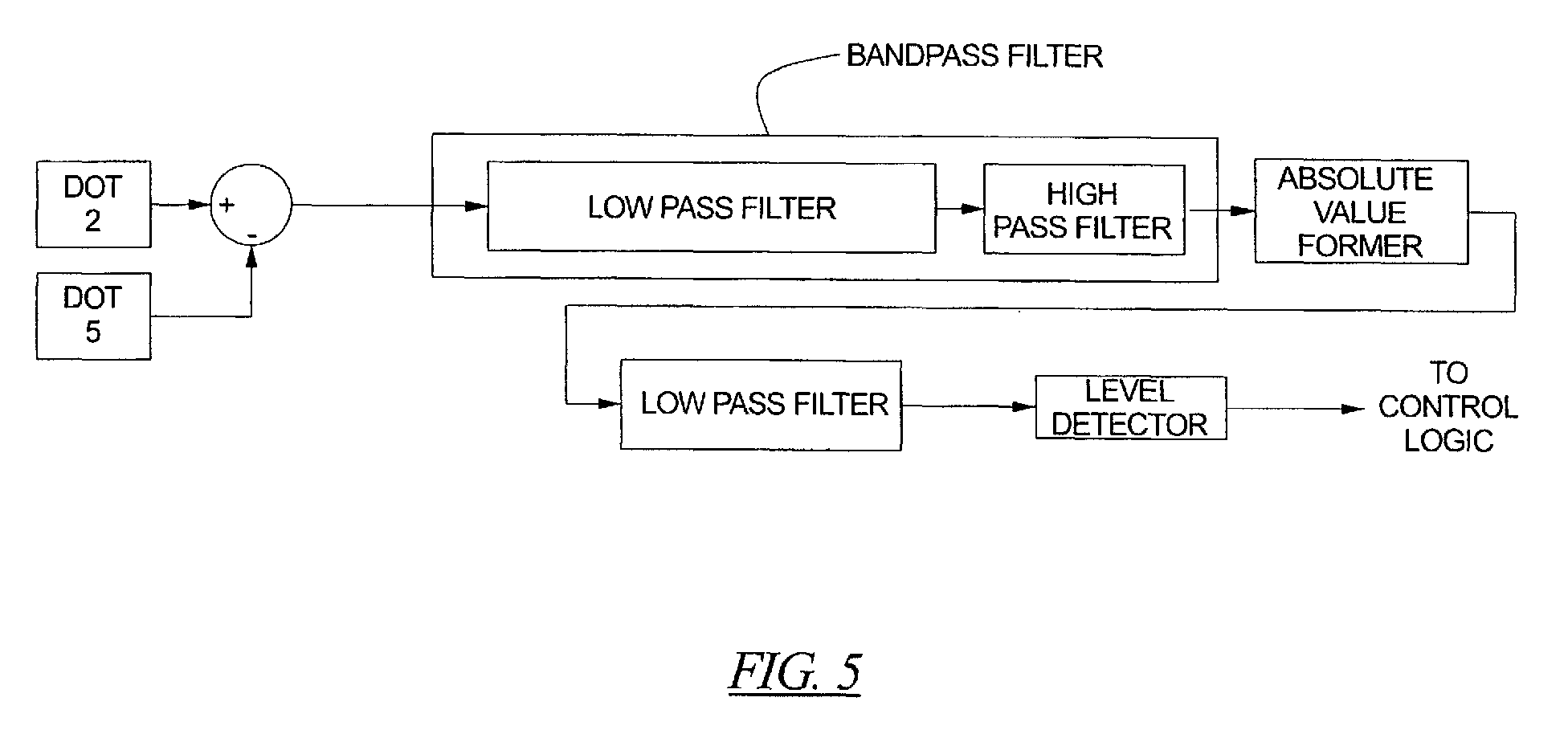
signals. At least one difference signal from the unipolar signals of a pair of the
dot-like electrodes. The difference signal is edited in circuitry of a cardiac assist
device and is compared to a threshold. If the threshold is exceeded, a signal indicating
a cardiac rhythm abnormality, such as fibrillation, is generated for triggering electrical
therapy delivered to the cardiac tissue by the cardiac assist device.
|
|
