|
(11) | EP 1 641 888 B1 |

| (12) | EUROPEAN PATENT SPECIFICATION |
|
|
| (54) |
AMINO ACID DERIVATIVES AND THEIR USE AS A SAG CONTROL AGENT AMINOSÄUREDERIVATE UND DEREN VERWENDUNG ALS BIEGUNGSKONTROLLMITTEL DERIVES D'ACIDES AMINES ET LEUR UTILISATION EN TANT QU'AGENT DE CONTROLE DE COULURE |
|
|
|||||||||||||||||||||||||||||||
| Note: Within nine months from the publication of the mention of the grant of the European patent, any person may give notice to the European Patent Office of opposition to the European patent granted. Notice of opposition shall be filed in a written reasoned statement. It shall not be deemed to have been filed until the opposition fee has been paid. (Art. 99(1) European Patent Convention). |
[0001] The invention relates to the use as sag control agent (SCA) in coating compositions of rheology modification agents obtainable by reacting one or more polyisocyanates with one or more optically active amino acid derivatives.
[0002] Bis-urea-type gelation agents based on diisocyanate and amino acids have been mentioned in the literature. For example, L.A. Estroff and A.D. Hamilton in Angew. Chem. Int. Ed., 2000, Vol. 39, No.19, pp. 3447-3450, disclose bis-urea-type hydrogelators based on a linear alkyl diisocyanate and L-glutamic acid monoester. Similarly, A.J. Carr, R. Melendez, S.J. Geib, and A.D. Hamilton in Tetrahedron Letters, 1998, Vol. 39, pp. 7447-7450, disclose bis-urea-type gelators based on xylyiene-1,4-diisocyanates and tert-butyl esters of L-alanine, L-phenylalanine, and L-valine. These bis-urea compounds form gels in a variety of organic solvents.
[0003] The use of SCAs in coating compositions is also well-known. For example, US 4,311,622 discloses thixotropic coating compositions prepared from a binder and a sag control agent which is the reaction product of a diisocyanate and a monoamine or hydroxy monoamine. Similarly, EP-A-0 261 863 discloses fluidity controlling agents for paints which give thixotropic properties to a coating film when it is applied to the paint and produce hardly any sagging in the formation of thick coating films.
[0004] JP 2003/183583 discloses an anti-sag agent for a non-aqueous coating material composed of a polyamide, a polyester or a polyurethane, which can be obtained by reacting a dimerised fatty acid with dimethyl- or diethyl amino groups.
[0005] US2002/082324 discloses a thixotropic amino formaldehyde resin obtainable by reacting a poly-isocyanate functional compound to a monoamine functional compound or reversely a mono-isocyanate functional compound to a polyamine functional compound in the presence of the amino formaldehyde resin to form the urea functional compound entangled to the resin.
[0006] The demands for successful use of a rheology modification agent as sag control agent in coating compositions are extensive. Preferably, a sag control agent is able to combine low viscosities at high and medium shear stress (>5Pa) with high viscosity at shear stresses corresponding to those created by gravity in wet coating layers on non-horizontal substrates (<1Pa), the thixotropic character needs to show a time-dependent viscosity recovery after spraying in a specific window in order to combine effective anti-sagging behaviour with good levelling performance, and the variation of this character with solvent level, layer thickness or substrate angle with the vertical needs to be favourable to create robustness with respect to the sag-levelling balance. When the rheological structure is cured in a coating formulation, its stability must be maintained in the curing cycle, so as to maintain good control over sagging while allowing the best overall levelling. The amount of solvent needed to allow application, e.g. by spraying, should not be raised excessively by the presence of a sag control agent. Moreover, any rheology controlling agent used must have a rheological performance that allows storage over time without irreversible change.
[0007] Apart from the rheological performance, also the optical performance (the effect on coating appearance other than through sagging or levelling) is of utmost importance. This implies that any sag control additive must be fine enough not to create any visible disturbance (like protruding out of the film) when applied in thin films. Especially for clear coat applications, it also implies that no detectable haze or turbidity should be present after completion of the curing cycle, and also that no colour formation should have resulted from its presence. Again, also these characteristics should not change irreversibly with storage time. Of course, in order to limit costs and not interfere with other coating properties, efficient sag control agents that can do their job at low concentrations would be preferred.
[0008] Though many rheology control agents are known, few can fulfil all the demands listed above. Especially for applications in coating compositions in which relatively low curing temperatures (e.g. below 100°C) are used and formulations that do not contain formaldehyde derived curing agents or additives (as, e.g., in broadly used isocyanate-polyol curing systems or systems based on acryloyol-functional resins to be cured through radical chemistry), there is a need for good sag control agents combining efficient anti-sagging behaviour with perfect optical properties.
[0009] Surprisingly, we have found that a specific class of urea compounds is able to deliver the rheological and optical performance over a wide temperature range that is needed for use as an SCA in coating compositions.
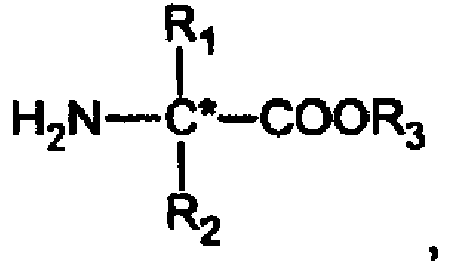
[0010] Accordingly, the present invention relates to the use as an SCA in coating compositions of a rheology modification agent obtainable by reacting one or more polyisocyanates with one or more optically active amino acids, esters and/or salts thereof of the formula (I)
not being a racemic mixture, wherein each of R1, R2, and R3 is independently selected from hydrogen and linear, cyclic, or branched, substituted or unsubstituted, saturated or unsaturated hydrocarbyl, or heteroatom containing group, with each of R1 and R2 being different such that the carbon atom C* is a chiral centre. Hereinafter, "amino acids, esters and/or salts thereof" are also referred to as "amino acid derivatives".
[0011] By the feature "use as an SCA in coating compositions" is meant a method to make coating compositions having the desired sag control properties involving the step of incorporating a rheology modification agent of the present invention. Preferably, the SCA that is used in said step is a rheology modification agent obtainable by reacting a conventional polyisocyanate with an optically active amino acids ester of the formula (I)
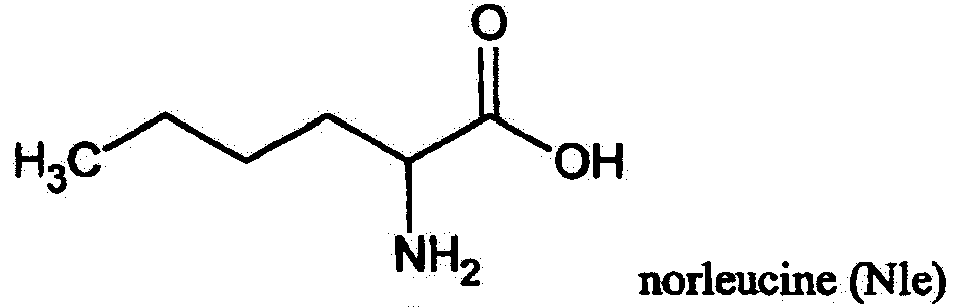
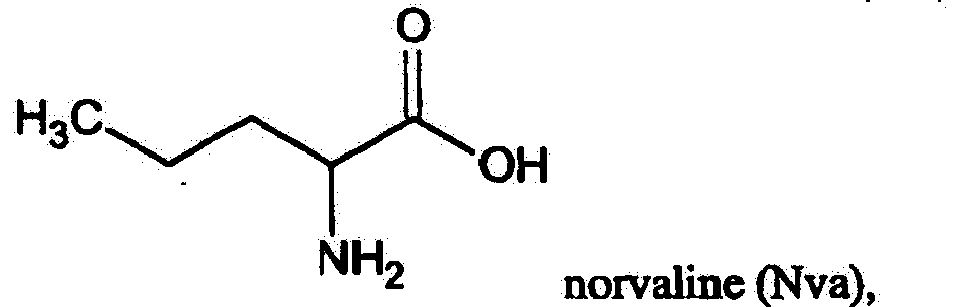
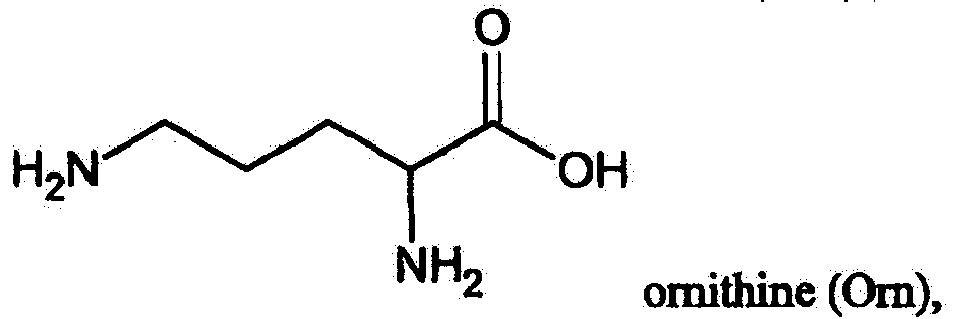
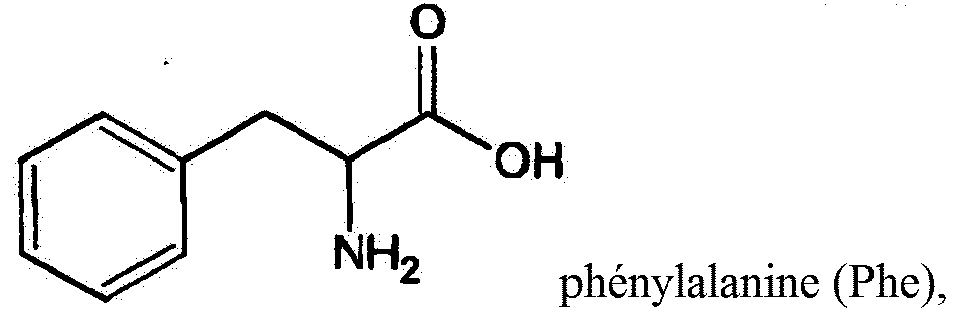
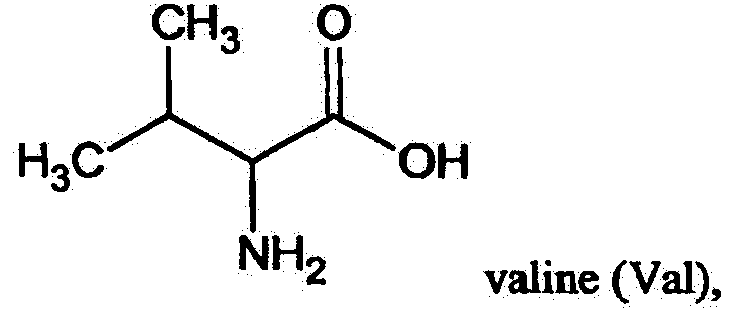
wherein R1, R2, and R3 are as defined above.
[0012] Particularly preferred SCAs according to the first embodiment of the invention are obtained if one or more optically active amino acid derivatives are reacted with one or more polyisocyanates selected from the group consisting of substituted or unsubstituted linear aliphatic polyisocyanates with an even number of carbon atoms in the chain between two isocyanate groups (as well as their dimeric derivatives such as uretdiones and corresponding trimeric isocyanurates or biurets), substituted or unsubstituted aryl, aralkyl, and cyclohexylene polyisocyanates.
[0013] Optionally, a small amount of one or more additional compounds that may influence the crystallisation properties of the final product, such as reactive amino acid derivatives that differ from the main compounds in the SCA and/or other amines (including polyfunctional amines), or a deviating isocyanate reactant may be present during the reaction io prepare a rheology modification agent for use as an SCA. Particularly preferred amino acid derivatives for that purpose are
glycine (Gly),
proline (Pro), and esters thereof.
[0014] The use of the prefix "poly" for polyisocyanates indicates that at least two of the mentioned functionalities are present in the respective "poly" compound. It is noted that when a polyurea product, i.e. the reaction product of amino acid esters with a polyisocyanate, is prepared, it is preferred to prepare a diurea or a triurea product.
[0015] In a preferred embodiment of the invention wherein polyurea products are prepared, it is possible to prepare polyurea products with the general formulae X-[urea-chiral centre]n, X being the linking group of the molecule and n being the number of [urea-chiral centre] moieties (n is 2 or more), preferably wherein n is 2-5, more preferably wherein n is 2 or 3, most preferably wherein n is 2.
[0016] It is noted that in this description the general term "rheology modification agent(s)" is used to indicate suitable rheology modification agents for use as an SCA in coating compositions.
[0017] It is also noted that although at least one optically active amino acid derivative is used, the final reaction product obtained is not necessarily optically active. The final product may be in the d-, I- and/or meso-form.
[0018] If R1 and/or R2 of formula (I) is a hydrocarbyl, the hydrocarbyl is preferably independently selected from the group consisting of linear, cyclic or branched, substituted or unsubstituted, saturated or unsaturated, optionally hetero atom-containing C1-C24 allyl, aryl, aralkyl, and alkenyl, fulfilling the above-mentioned provisos, more preferably selected from the group consisting of linear or branched C1-C24 alkyl, even more preferably from the group consisting of linear or branched C1-C4 alkyl, and most preferably the hydrocarbyl is a methyl or ethyl group.
[0019] In a preferred embodiment, one of R1 and R2 is hydrogen and the other is a hydrocarbyl selected from one of the above-indicated C1-C25 groups. If R1 and/or R2 is a hetero atom-containing C1-C25 group, it is preferably in the form of an ether unit. Optionally, R1 and R2 can be taken together with the chiral carbon atom C* to which they are attached and form a substituted or unsubstituted ring containing 4 to 8 carbon atoms, provided that said ring is such that chirality at the carbon atom C* is maintained.
[0020] If present, the substituents on R1 and/or R2 and on the above-mentioned ring are preferably selected from the group consisting of alkyl, aryl, alkoxy, hydroxy, (preferably non-primary) amine, carboxylic acid, ester, phosphonic acid, phosphonic ester, keto, ketimine, urethane, allophanate, amide, thiol, imidazole, indole, guanidine, alkyl sulphide, and urea groups, most preferably from alkyl or alkoxy groups.
[0021] If R3 is a hydrocarbyl as defined above, it is preferably selected from the group consisting of linear, cyclic or branched, substituted or unsubstituted, saturated or unsaturated, optionally hetero atom-containing C1-C25 alkyl, aryl, aralkyl, and alkenyl; more preferably, R3 is selected from the group consisting of linear or branched, substituted or unsubstituted, optionally hetero atom-containing C1-C25 alkyl, even more preferably from the group consisting of linear or branched, substituted or unsubstituted C1-C8 alkyl, ether and/or, optionally esterified C1-C8 (poly)alkoxy, and most preferably from the group consisting of linear C1-C4 alkyl, and, optionally alkoxylated, linear C1-C4 alkoxy. If alkoxylated, it is preferred to use ethoxylated, propoxylated, and/or butoxylated compounds.
[0022] If present, the substituents on R3 are preferably selected from the group consisting of monoether alcohol and alkoxylated compounds.
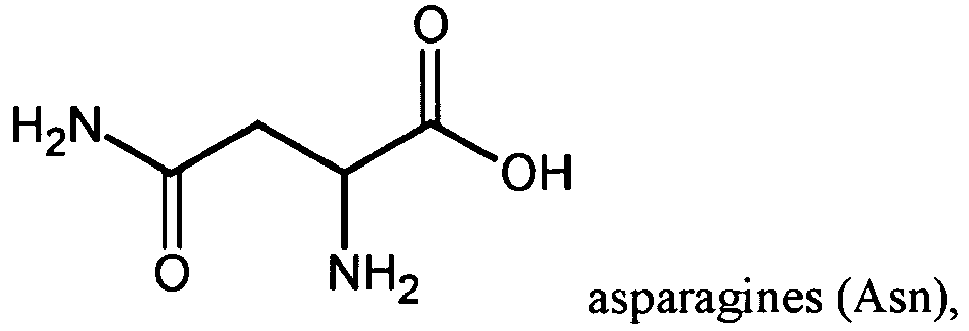
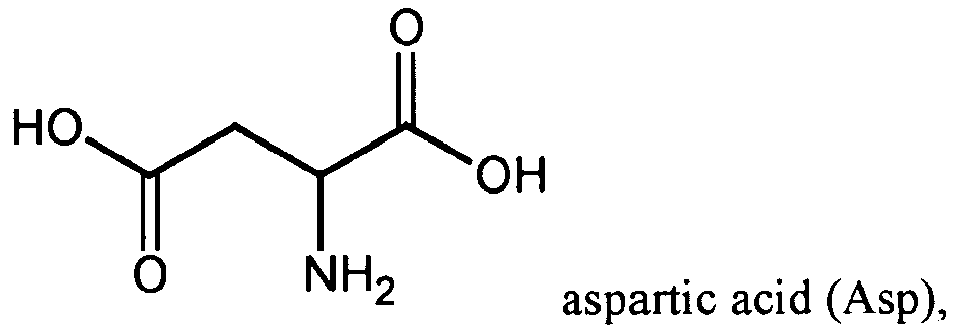
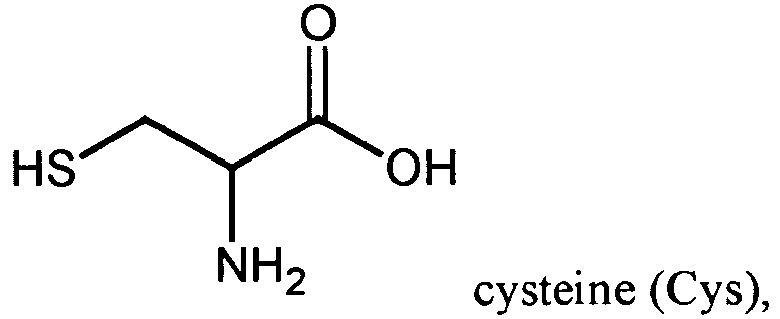
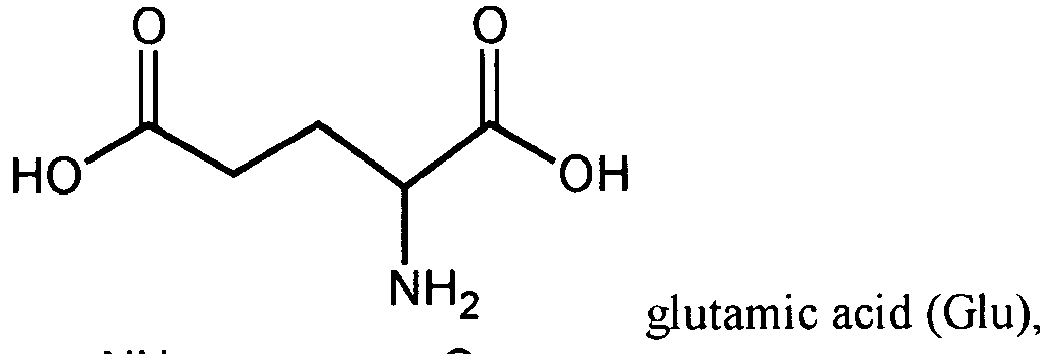
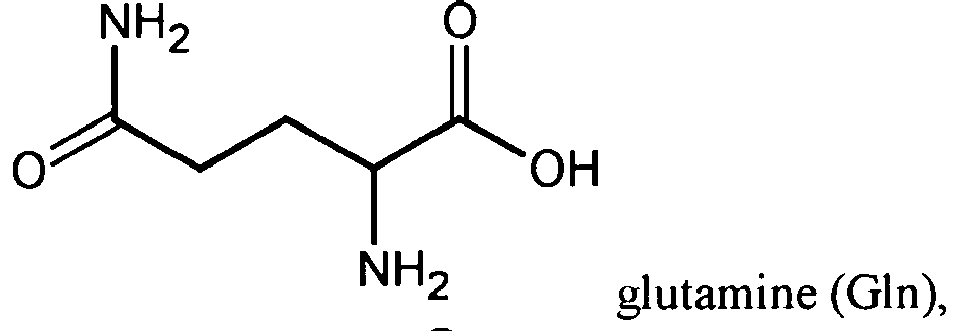
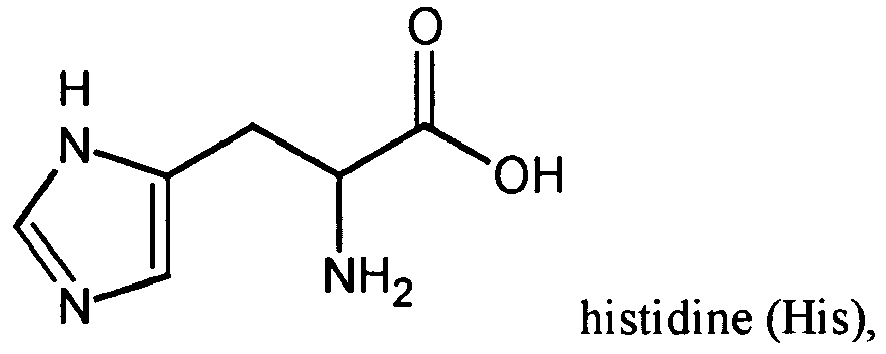
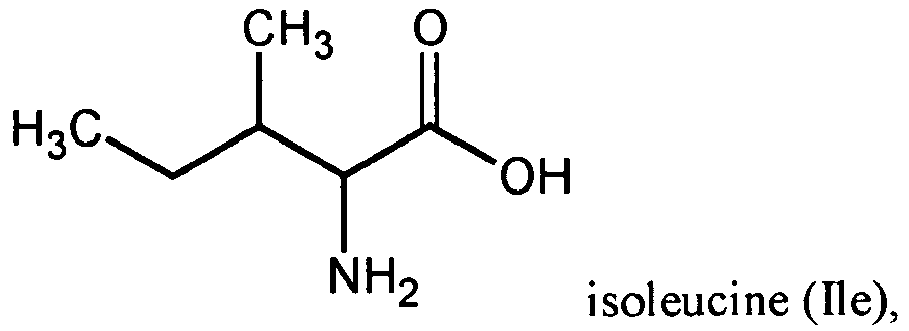
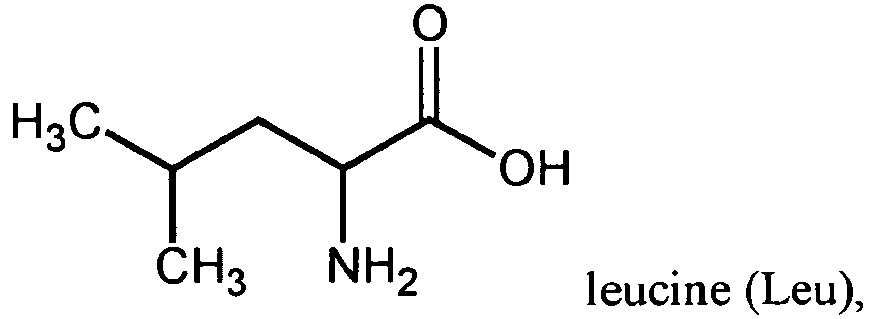
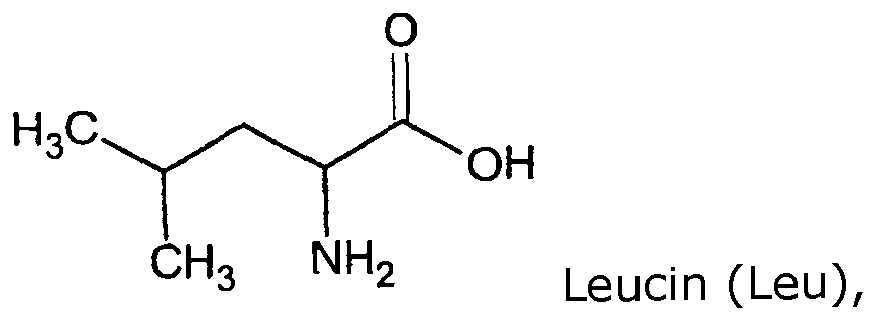
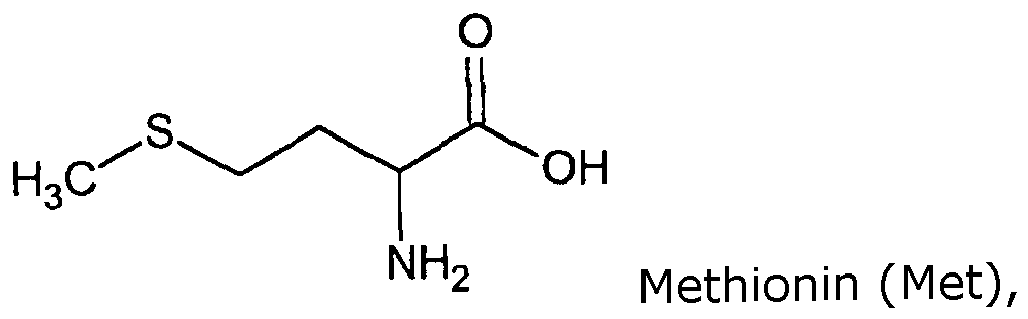
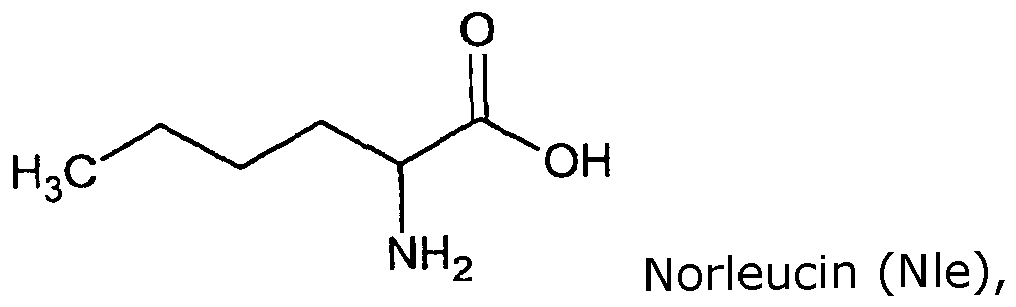
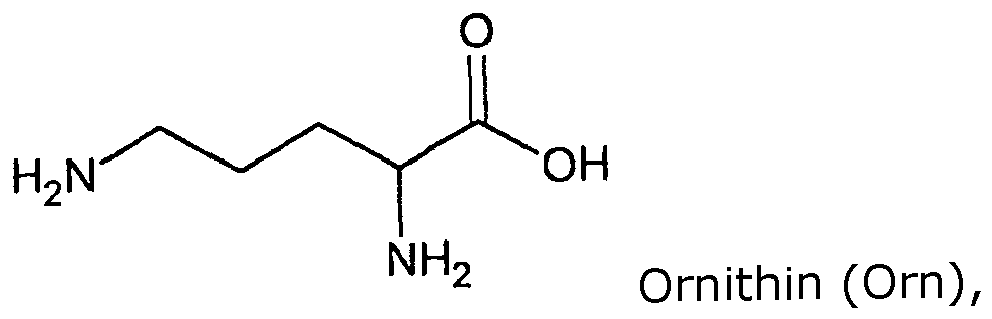
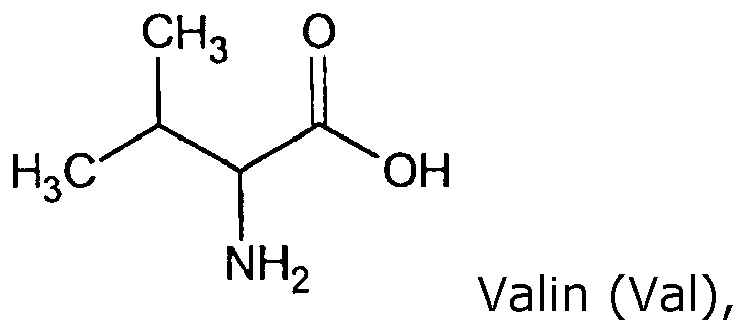
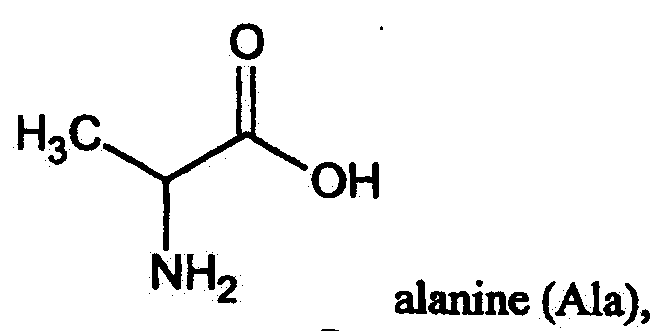
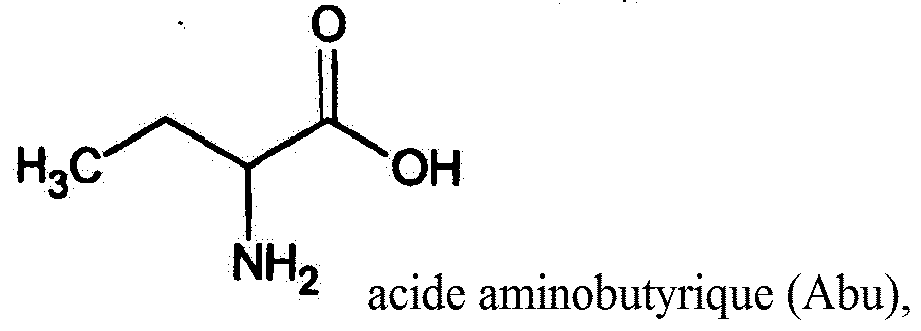
[0023] In a preferred embodiment the rheology modification agent according to the invention is obtained by reacting one or more polyisocyanates with one or more optically active amino acid derivatives of formula (I), preferably in their naturally occurring configuration, selected from the group consisting of:
ester derivatives and salts thereof.
[0024] The polyisocyanates are preferably selected from the group consisting of aliphatic, cycloaliphatic, aralkylene, and arylene polyisocyanates, more preferably from the group consisting of substituted or unsubstituted linear aliphatic polyisocyanates with an even number of carbon atoms in the chain between two isocyanate groups (and their isocyanurates, biurets, uretdiones) and substituted or unsubstituted arylene, aralkylene, and cyclohexylene polyisocyanates. The polyisocyanates usually contains 2 to 40 and preferably 4 to 8 carbon atoms. The polyisocyanate preferably contains at most four isocyanate groups, more preferably at most three isocyanate groups, and most preferably two isocyanate groups. It is even more preferred to use a symmetrical aliphatic or cyclohexylene diisocyanate. Suitable examples of diisocyanates are preferably selected from the group consisting of tetramethylene-1,4-diisocyanate, hexamethylene-1,6-diisocyanate (HMDI), ω,ω'-dipropylether diisocyanate, thiodipropyl diisocyanate, trans-cyclohexyl-1,4-diisocyanate, dicyclohexylmethane-4,4'-diisocyanate, 1,5-dimethyl-(2,4-ω-diiso-cyanato methyl) benzene, 1,5-dimethyl(2,4-ω-dilsocyanatoethyl) benzene, 1,3,5-trimethyl(2,4-ω-diisocyanato-methyl) benzene, 1,3,5-triethyl(2,4-ω-diisocyanato-methyl) benzene, meta-xylylene diisocyanate, para-xylylene diisocyanate, dicyclohexyl-dimethylmethane-4,4'-diisocyanate, 2,4-toluene diisocyanate, 2,6-toluene diisocyanate, and diphenylmethane-4,4'-diisocyanate (MDI). Further suitable polylsocyanates are preferably selected from the group consisting of polyisocyanates based on HMDI, including condensed derivatives of HMDI, such as uretdiones, blurets, isocyanurates (trimers) and asymmetrical trimers, many of which are marketed as Desmodur® N and Tolonate® HDB and Tolonate® HDT, and polylsocyanates known as "polymeric MDI". Polymeric MDI typically is a mixture of pure MDI and oligomers of MDI. Particularly preferred polyisocyanates are selected from the group consisting of HMDI, its isocyanurate trimer, its bluret, trans-cylohexyl-1,4-diisocyanate, meta-xylylene diisocyanate, and toluene diisocyanate. Most preferably, HMDI is selected.
[0025] Substituted polyisocyanates are typically formed by reaction of linear polylsocyanates to form dimers and/or trimers.
[0026] As will be understood by the person skilled In the art, it is also possible to use conventionally blocked polyisocyanates which generate two or more isocyanates in situ, as long as the blocking agent, after splitting, does not prevent the formation of the rheology modification agent according to the invention. Throughout this document the term "polyisocyanate" is used to denominate all polyisocyanates and polyisocyanate-generating compounds.
[0027] It is noted that it is also possible to react one or more optically active amino acid derivatives with one or more optically active (poly)isocyanates. However, for economic reasons, such a process and the resulting rheology modification agents are less preferred.
[0028] In the reaction between the one or more isocyanates and the one or more amino acid derivatives for the preparation of the rheology modification agent it is preferred that either the isocyanate or the amino acid derivative is used in excess instead of using stoichiometric amounts. For example, the ratio of the number of amino groups of the amino acid derivative to the number of (generated) isocyanate groups may be in the range of 0.7 to 1.5. Preferably, the ratio is about 0.9 to 1.1.
[0029] It is to be understood that any non-racemic enantiomer mixture of chiral amino acid derivatives can be used to make a rheology modification agent according to the invention, provided that this mixture contains optically active amino acid derivative according to the invention. In this description the term "enantiomeric excess", hereinafter also referred to as "ee", is used to indicate the excess of one enantiomer over racemic material in a sample that comprises both enantiomers of the chiral compound. The enantiomeric excess is expressed as a percentage: A racemic sample, i.e. a 50:50 mixture of both enantiomers, has an ee of 0% and an enantiomerically pure sample has an ee of 100%. It is noted that although use should not be made of a 50:50 ratio of two enantiomers, optimum results may very well be obtained when the ratio of two enantiomers is not 100:0. In other words, the ee of the enantiomeric mixture should not be 0%. The ee preferably is at least 10% (as in 55:45 ratio), more preferably at least 20% (as in 60:40 ratio), even more preferably at least 40% (as in 70:30 ratio), and most preferably at least 50% (as in 75:25 ratio).
[0030] In one embodiment of the invention preferably use is made of a mixture of enantiomers with an ee of at least 55%, most preferably at least 75%, since in this embodiment the use of significant enantiomeric excess of just one enantiomer, i.e. an ee of at least 55%, results in a rheology modification agent with improved rheology control properties.
[0031] The reaction between the isocyanate and the amino acid derivative can be carried out in any arbitrarily chosen way by combining the reaction components, optionally at elevated temperature, as will be clear to a person skilled in the art. It is preferred that the reaction is carried out at temperatures in the range of 0°C to 150°C, more particularly in the range of 20°C to 80°C. Although in general the reaction components are combined in any arbitrarily chosen manner, preferably the isocyanate is added to the amino acid derivative, which may be done in several steps, if desired. Optionally, the reaction may be carried out in the presence of an inert solvent, for example acetone, methyl isobutyl ketone, N-methyl pyrrolidone, benzene, toluene, xylene, or an aliphatic hydrocarbon such as petroleum ether, alcohols, and water, or mixtures thereof. Here the term "inert" indicates that the solvent does not interfere in the process of polyurea formation, which means that the amount of polyurea formed when solvent is present is at least 80% of the amount produced when no solvent is present.
[0032] The preparation of the rheology modification agent optionally may also be carried out in the presence of a binder. This can be done by mixing a mixture of the binder and the isocyanate with the amino acid derivative or by mixing the isocyanates with a mixture of the binder and the amino acid derivative, or by mixing two mixtures of binder with amino acid derivative and NCO, respectivety. It will be obvious that if the binder is highly reactive with either the amino acid derivative or the isocyanate, the binder and that particular susceptible compound cannot be premixed. By the term "highly reactive" is meant here that more than 30% of the susceptible amino acid derivative or isocyanate reacts with the binder before the amino acid derivative and the isocyanate are mixed in order to prepare the rheology modification agent. The mixing operation may be carried out in any convenient manner, with the reactants being vigorously stirred. Amino acid derivative may be added to isocyanate or isocyanate may be added to amino acid derivative, whichever is most convenient. If a binder is used and either the amino acid derivative or the isocyanate is highly reactive with the binder, then the compound that is most reactive with the binder is preferably added to the mixture of the binder with the compound that is least reactive with the binder.
[0033] In one embodiment of the invention, the rheology modification agent is produced in the binder or curing component of the final coating composition in such a low concentration, preferably 0.1-8%, that the binder dispersion can still be handled as a fluid and can be subsequently used in the coating composition, optionally using further binder, curing component and/or other (conventional) additives. When the rheology modification agent is produced in the binder, it is preferably prepared at a temperature in the range of 20-80°C, under adequate stirring.
[0034] In another embodiment of the preparation of the rheology modification agent, the binder is mixed with such amounts of the isocyanate and the amino acid derivative that upon conclusion of the reaction a mixture is obtained as a solid-like material, which can be used as master batch of the rheology modification agent, consisting of 5-99, preferably 6-50, more preferably 7-25, parts by weight of the rheology modification agent relative to 95-1, preferably 94-50, more preferably 93-75, parts by weight of the binder. Optionally, further diluents or adjutants may be present. The binders in the final coating composition and in the master batch of the rheology modification agents may be of the same or different composition. The preferred concentrates are suitably prepared in an atmosphere of inert gas at a temperature in the range of 20-80°C, with the amino acid derivative first being added to a binder material and, after the mixture has been homogenised, the isocyanate being slowly added to the mixture, with stirring.
[0035] Although it is less desired, binder or curing compositions comprising the rheology modification agent may also be prepared in the presence of said rheology modification agent or by preparing the binder or curing compound as well as the rheology modification agent at the same time. The skilled person will have no problem combining the rheology modification agent, or the starting materials for a rheology modification agent, with the starting materials for the binder or curing compound, with subsequent reaction to form the rheology modification agent-containing binder or curing compositions.
[0036] If the rheology modification agent is not prepared in the binder or curing compound, it can be mixed, preferably as a concentrated solution, with one or more of the components of the coating composition, preferably the binder or any other liquid component, as a result of which a fine dispersion is obtained. The mixtures of the preferred embodiment preferably form a dispersion of the rheology modification agent in the liquid component, such as the binder, which can be solventless, solvent based, or water based.
[0037] The invention further relates to coating compositions comprising a binder and the rheology modification agent according to the invention. When the rheology modification agent is used to formulate coating compositions, the resulting coating compositions show thixotropy (thioxotropic), and may have an opaque, opalescent or even transparent appearance, depending on the size and the refractive index of the dispersed particles of the rheology modification agent.
[0038] Optionally, conventional additives may be present in any of the coating compositions of the present invention, such as solvent and/or dispersing additives, pigment dispersants, dyes, pigments, UV curing additives, flow additives, other rheology control additives, solvents, and accelerators for the curing reaction, for instance acidic compounds such as p-toluene sulphonic acid or blocked products thereof. The coating compositions may comprise other conventional rheology modification agents which may be solvent based or solventless. In another embodiment, the liquid other conventional rheology modification agents are water based.
[0039] The thixotropic coating compositions may be applied to a substrate in any desired manner, for instance by rolling, pneumatic or electrostatic spraying, brushing, sprinkling, casting, and dipping.
[0041] The degree to which the rheology of the compositions in which the present rheology modification agents are used is changed, depends, inter alia, on the proportion of rheology modification agent and the nature of the rheology modification agent and the components of the composition. As a rule, the desired degree of thixotropy may be obtained by employing the rheology modification agent preferably in an amount of at least 0.01%, more preferably at least 0.05%, even more preferably at least 0.10%, and most preferably at least 0.15%, and preferably of at most 30%, more preferably at most 10%, even more preferably at most 3%, and most preferably at most 1.5%, based on the total weight of the composition.
[0042] The thixotropic compositions according to the invention may contain polar and/or non-polar solvents. Preferably, the thixotropy is present not only at room temperature but also at elevated temperature, so that the rheology modification agent according to the invention is suitable for use at room temperature and in baking paints (curing), for instance in the range of 50°C to 250°C, preferably less than 125°C, more preferably less than 100°C, over a period of 2 to 120 minutes.
[0043] The rheology modification agent used as an SCA according to the invention further has the considerable advantage that it does not or seldom decreases the gloss or brightness of the composition, especially for clear coats.
[0044] The rheology modification agents are preferably used in isocyanate based coating compositions, polyol based coating compositions, acryloyl based coating compositions, epoxy curable coating compositions, and dual curable coating compositions, the latter also referred to as hybrid curable coating compositions. A dual curable coating composition is, for example, a combination of a UV curable acryloyl based system and a chemically curable isocyanate based system, wherein the two curable systems may be cured in random order and the isocyanate may be cured at a temperature in the range of room temperature up to 140°C.
[0045] The rheology modification agents were found to be particularly suited to improve the rheology in conventional isocyanate-reactive two-component (2K) coating systems cured with one or more polyol compounds, thiol compounds and/or amine-functional compounds such as Desmophen® NH 1220, Desmophen® NH 1420, and Desmophen® NH 1521, at a temperature of at least 25°C and below 150°C, preferably below 125°C, more preferably below 100°C. In addition, the rheology modification agents were also found to be particularly suited to improve the rheology of formulations based on acryloyl-functional compounds cured in a conventional way, for example through a radical mechanism as in the case of most UV- or EB-curing formulations.
Examples 1-3 and Comparative Example A
[0047]
| Setalux® 1767 W-65 | acrylic polyol ex Akzo Nobel |
| Alanine butyl ester/HDI | Alanine butyl ester/hexamethylene diisocyanate |
| Setal® 166 SS-80 | polyester polyol ex Akzo Nobel |
| Tinstab@ BL 277 | ex Akcros Chemicals |
| Baysilon® OL-17 | ex Bayer AG |
| Byk® 306 | ex Byk-Cera BV |
| Tinuvin® 1130 | ex Ciba Specialty Chemicals |
| Tinuvin® 292 | ex Ciba Specialty Chemicals |
| Tolonate® HDT 90 | aliphatic poly-isocyanate ex Rhodia |
| Vestanat® T1890 | poly-isocyanate ex Huels |
[0048] Four paint formulations (comparative formulation A and formulations 1-3 according to the invention) were prepared (see Table I). The paints were sprayed onto a vertical tin-plated plate with 13 holes of 1 cm diameter and vertically baked at the indicated schedule. The sagging limit was determined as the layer thickness between the hole at which sagging occurs and the preceding hole. Another way to measure sagging is to measure the layer thickness at the point where the length of the tear is 1 cm.
These examples show that the rheology modification agent according to the invention has good activity as sag control agent and excellent transparency in the clear coats. Also at 24 min. 140°C, 60 min. 60°C, and drying for seven days at room temperature clear coats applied on glass are completely clear. The transmission (in %) of the clear coats on glass with a film thickness of 40 10-6 m (micron) was measured using the ColorQuest spectrophotometer of Hunterlab. If the transmission values are mutually compared, a lower transmission value means more haze and less transparency.
Table I
| Example | A | 1 | 2 | 3 |
| Setalux® 1767 VV-65 | 64.4 | 45.7 | 35.8 | 29.7 |
| Alanine butyl ester/HDI in Setal® 166 SS-80 | 0 | 18.7 | 28.6 | 34.7 |
| Tinstab BL 277 (1 % in butyl acetate) | 1.0 | 1.0 | 1.0 | 1.0 |
| Baysilon OL-17 (2 % in butyl acetate) | 3.0 | 3.0 | 3.0 | 3.0 |
| Byk 306 | 0.5 | 0.5 | 0.5 | 0.5 |
| Tinuvin 1130 | 1.5 | 1.5 | 1.5 | 1.5 |
| Tinuvin 292 | 1.0 | 1.0 | 1.0 | 1.0 |
| Tolonate HDT 90 | 25.0 | 25.0 | 25.0 | 25.0 |
| Vestanat T1890 | 10.6 | 10.6 | 10.6 | 10.6 |
| Thin down with butyl acetate to 28 s DIN cup 4/23 °C | ||||
| Theor. % RCA | 0 | 0.70 | 1.00 | 1.30 |
| Substrate: tin-plated steel, Stoving schedule: 45 min. 80 °C | ||||
| Sagging limit 10-6 m (micron) | 50 | 61 | 75 | 76 |
| Tears of 1 cm (10-6 m (micron) | 61 | 85 | 103 | 106 |
| Transmission (%) | 78.2 | 78.2 | 77.8 | 78.3 |
Examples 4-18 and Comparative Examples B-D
[0049]
| Setal® 166 SS-80 | polyester polyol ex Akzo Nobel |
| Setalux® 1767 | acrylic polyol ex Akzo Nobel |
| Setalux® 1198 | acrylic polyol ex Akzo Nobel |
| Actilane® 890 | melamine acrylate ex Akzo Nobel |
| Resin X | resin obtained as described in Example 3 of WO02/098942 |
| Tolonate® HDT-LV | aliphatic poly-isocyanate. ex Rhodia |
| HDI-BA | hexamethylene diisocyanate-benzyl amine |
| Amino acids | ex Aldrich |
[0050] All SCAs were prepared in situ in the host resins mentioned (See Table II), in concentrations corresponding to 3.7wt% on solids. Coating compositions were formulated so as to obtain an SCA concentration of 1.0 to 1.2 wt%, based on total solids. For all NCO-polyol curing formulations, Tolonate® HDT-LV (Tol® HDT) was used as cross-linker in a 1:1 molar OH-NCO stoichiometry. Butyl acetate was used to dilute the formulations in order to allow measurement of their rheology property at ca. 0.8 Pas high shear viscosity. All NCO formulations cured 30 minutes 60°C; Actilane® 890 cured at room temperature using UV light.
The viscosities were measured with a cone and plate rheometer, in controlled shear stress mode, starting at high (1,000 Pa) shear stress. Compliance was measured after high shear disturbance of the film, applying 0.5 Pa shear stress and monitoring cumulative movement as function of time. The first measurement gives a value illustrating equilibrium rheological structure, the second measurement explicitly takes into account the rate of structure recovery: low values indicate low cumulative flow.
Table II
| Ex. | Amino acid | Ester | Host Resin | Cross-linker | η(1Pa)/ η(1000Pa) | J (300s at 0.5 Pa) Pa-1 | Clarity after cure |
| B | β-alanine | Butyl | Setal® 166 SS-80 | Tol HDT | <2 | n.d. | n.d. |
| C | D,L-aspartic (racemic) | Dibutyl | Setal® 166 SS-80 | Tol® HDT | <2 | n.d. | n.d. |
| D | Conventional SCA: HDI-BA | Setal® 166 SS-80 | Tol® HDT | 6 | 190 | Hazy | |
| 4 | L-phenylalanine | Butyl | Setal® 166 SS-80 | Tol® HDT | 5 | 120 | Clear |
| 5 | L-phenylalanine | Methyl | Setal® 166 SS-80 | Tol® HDT | >3800 | 30 | Clear |
| 6 | L-phenylalanine | Methyl | Setalux® 1767 | Tol® HDT | n.d. (high) | n.d. | Clear |
| 7 | L-alanine | Butyl | Setal® 166 SS-80 | Tol® HDT | 1000 | 8 | Clear |
| 8 | L-alanine | Methyl | Setal® 166 SS-80 | Tol® HDT | >3800 | 8 | Clear |
| 9 | L-glutamic acid | Dibutyl | Setal® 166 SS-80 | Tol® HDT | 2 | 115 | Clear |
| 10 | L-glutamic acid | Diethyl | Setal® 166 SS-80 | Tol® HDT | 130 | 38 | Clear |
| 11 | L-glutamic acid | Dimethyl | Setal® 166 SS-80 | Tol® HDT | 4.5 | 61 | Clear |
| 12 | L-glutamic acid | Dibutyl | Setalux® 1198 | Tol® HDT | n.d. (high) | n.d. | Clear |
| 13 | L-aspartic | Dimethyl | Setal® 166 SS-80 | Tol® HDT | 4 | 61 | Clear |
| 14 | L-aspartic | Dibutyl | Setal® 166 SS-80 | Tol® HDT | 440 | 3 | Clear |
| 15 | L-aspartic | Di-n-octyl | Setal® 166 SS-80 | Tol® HDT | 2.5 | 145 | Clear |
| 16* | L-alanine | Butyl | Actilane® 890 + Actilane® 424 | - | 400 | 26 | Clear |
| 17 | L-alanine | Butyl | Resin X | Tol® HDT | 100 | 50 | Clear |
| 18 | L-alanine | Butyl | Setalux® 1767 | Tol® HDT | 150 | 18 | Clear |
| n.d. = not determined * SCA prepared in Actilane® 890, formulated with Actilane® 424 to obtain 0.8Pas high shear viscosity: wt% SCA in this formulation 0.75 wt%. Cured at room temperature with photo initiator and UV-radiation. |
1. Use as a sag control agent in a coating composition of a rheology modification agent
obtainable by reacting one or more polyisocyanates with one or more optically active
amino acids, esters and/or salts thereof of the general formula (I)
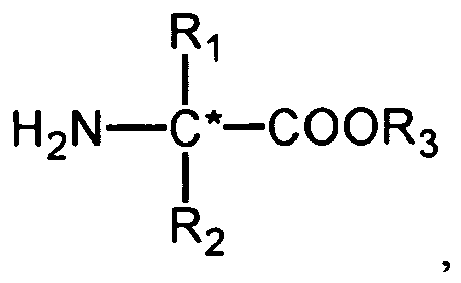
not as racemic mixture, wherein each of R1, R2, and R3 is independently selected from hydrogen and linear or branched, substituted or unsubstituted, saturated or unsaturated, optionally heteroatom containing hydrocarbyl group, with each of R1 and R2 being different such that the carbon atom C* is a chiral centre.
not as racemic mixture, wherein each of R1, R2, and R3 is independently selected from hydrogen and linear or branched, substituted or unsubstituted, saturated or unsaturated, optionally heteroatom containing hydrocarbyl group, with each of R1 and R2 being different such that the carbon atom C* is a chiral centre.
2. Use according to claim 1 wherein the one or more polyisocyanates are selected from
the group consisting of substituted or unsubstituted linear aliphatic polyisocyanates
with an even number of carbon atoms in the chain between two isocyanate groups, as
well as condensed dimer and trimer derivatives such as uretdione, isocyanurate or
biuret triimers, and substituted or unsubstituted arylene, aralkylene, and cyclohexylene
polyisocyanates.
3. Use according to claim 1 or 2 wherein the one or more optically active amino acid
acids and/or esters thereof of formula (I) are selected from the group of compounds
consisting of:
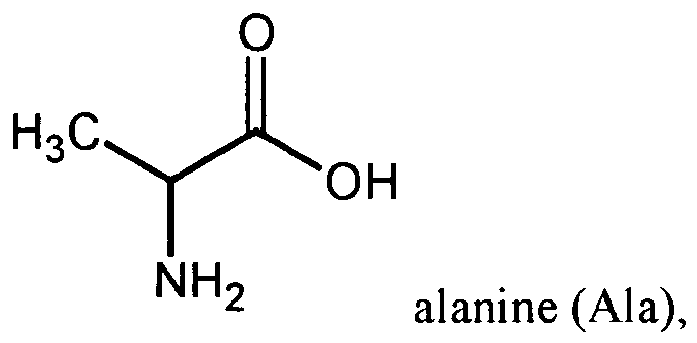
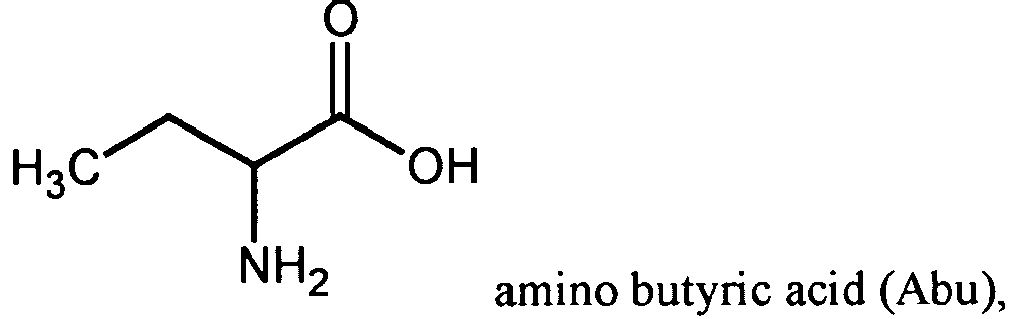
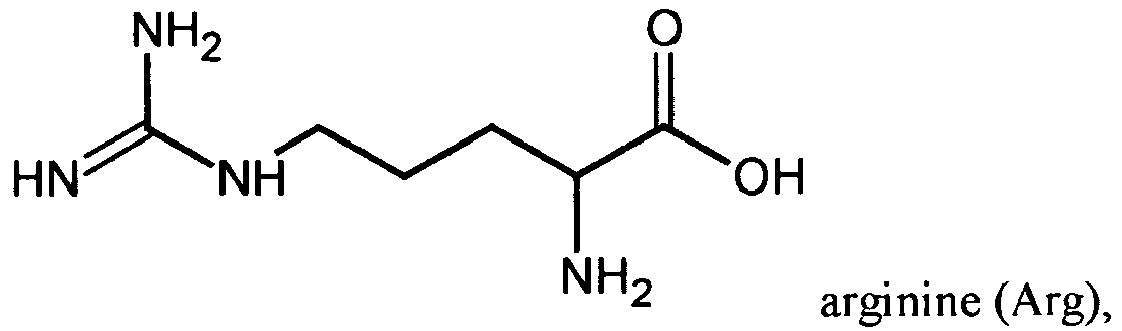

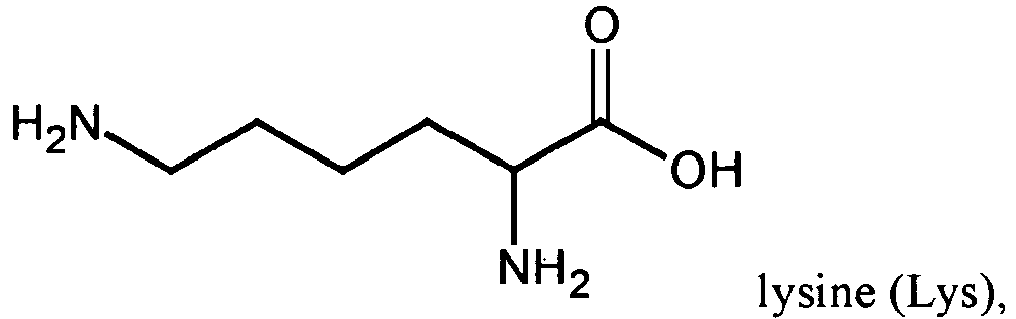
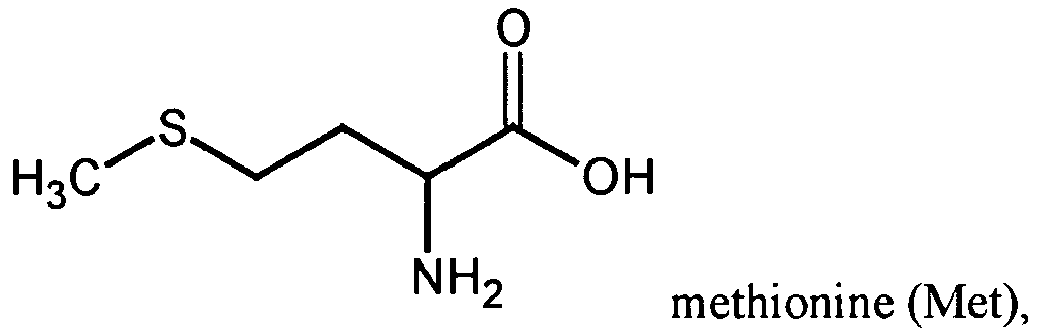
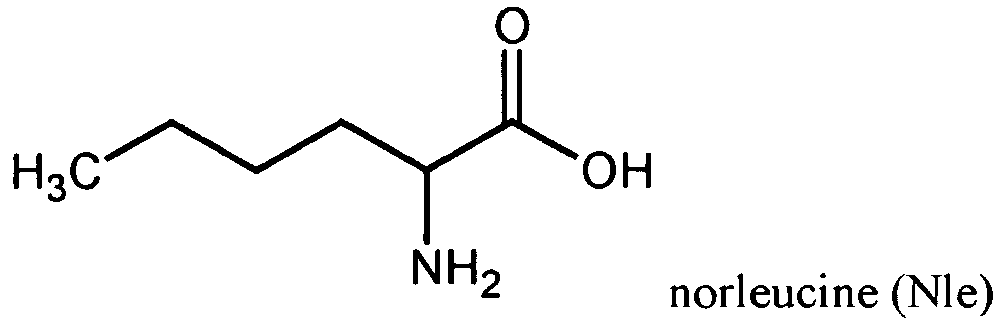
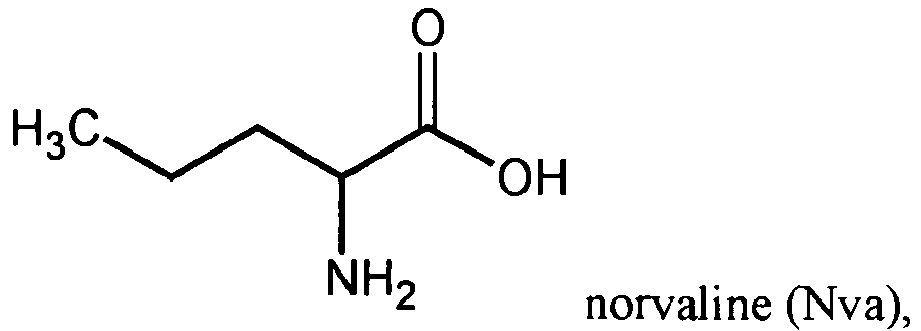
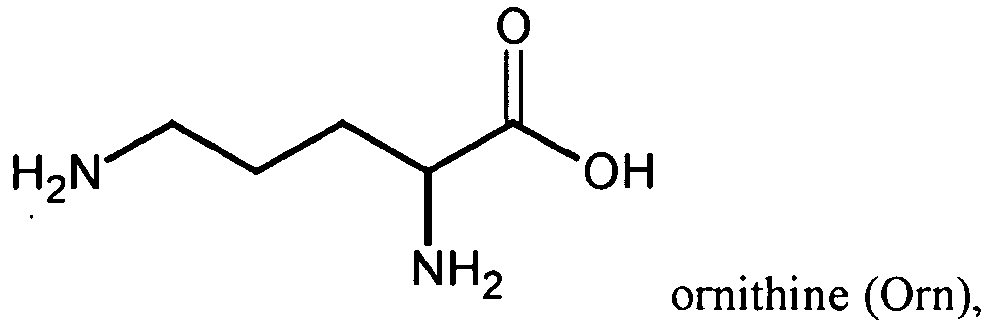
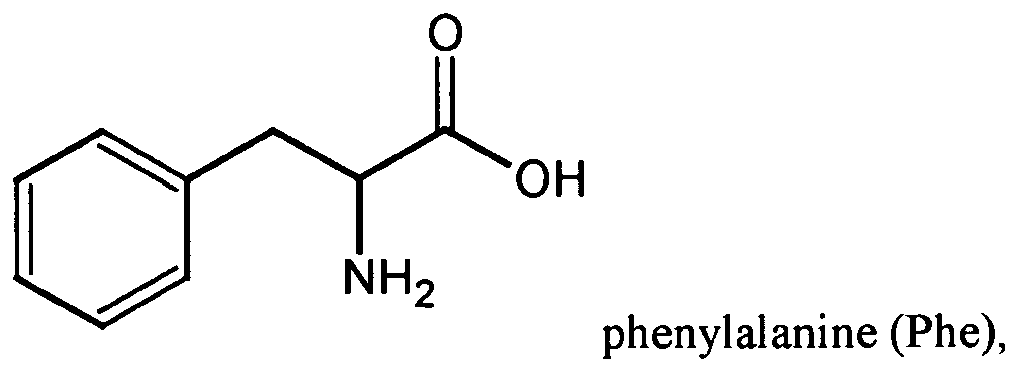
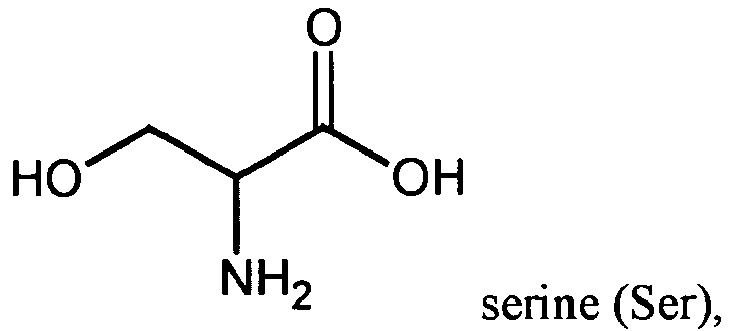
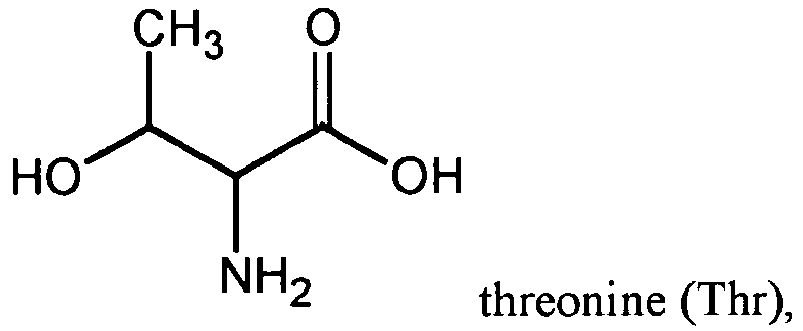
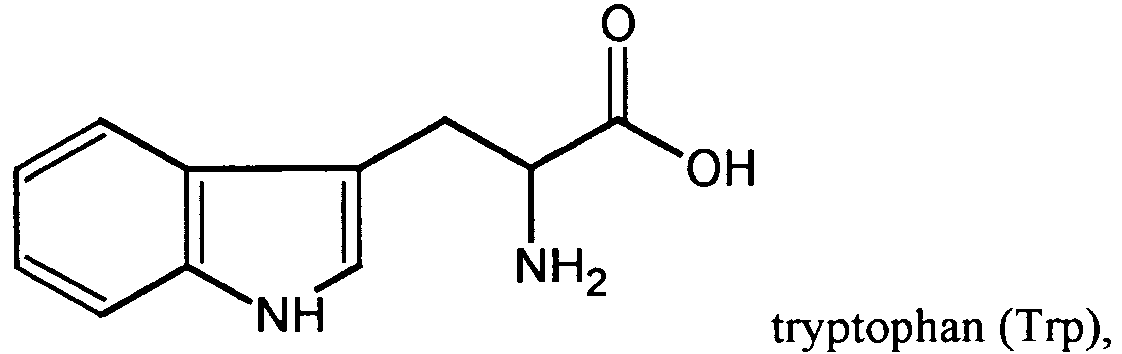
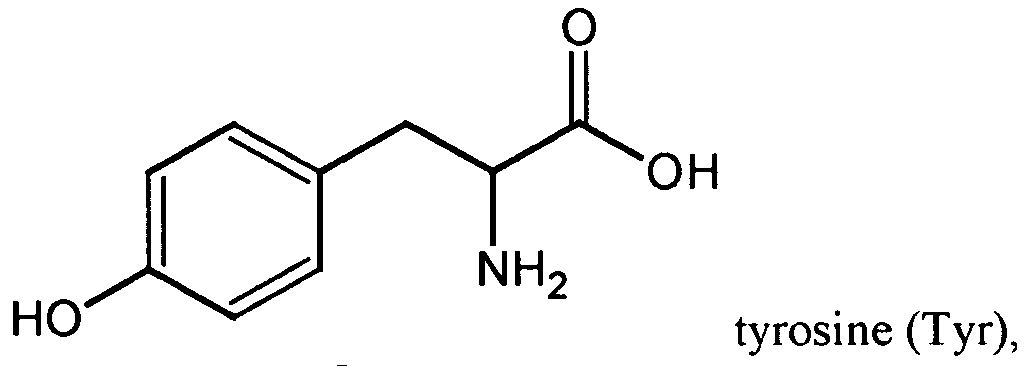
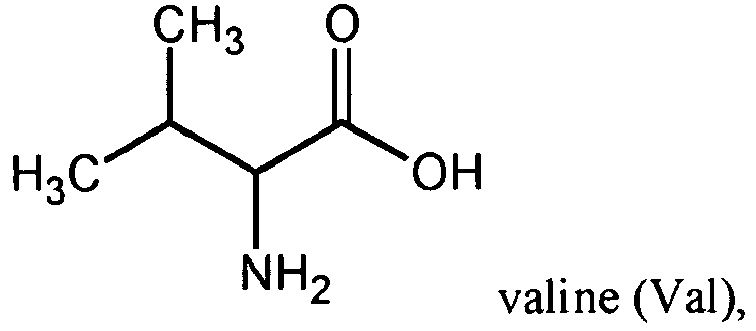
ester derivatives and salts thereof.
ester derivatives and salts thereof.
4. Use according to any one of claims 1-3, wherein if R1 and/or R2 is a hydrocarbyl, the hydrocarbyl is independently selected from the group consisting
of linear, cyclic or branched, substituted or unsubstituted, saturated or unsaturated,
C1-C24 alkyl, aryl, aralkyl, and alkenyl.
5. Use according to claim 4, wherein R1 and / or R2 contain hetero-atoms.
6. Use according to claim 4 or claim 5, wherein R1 and / or R2 is a C1-C4 alkyl group.
7. Use according to any one of claims 1 to 6, wherein if R3 is a hydrocarbyl, the hydrocarbyl is selected from the group consisting of linear,
cyclic or branched, substituted or unsubstituted, saturated or unsaturated, C1-C25 alkyl, aryl, aralkyl, and alkenyl.
8. Use according to claim 7, wherein R3 contains hetero-atoms.
9. Use according to claim 7 or claim 8, wherein R3 is selected from the group consisting of a C1-C8 alkyl, ether and/or, optionally esterified, C1-C8 (poly)alkoxy.
10. Use according to claim 9, wherein R3 is selected from the group consisting of a linear C1-C4 alkyl and, optionally alkoxylated, linear C1-C4 alkoxy.
11. Use according to any one of claims 1 to 10, wherein the coating composition is an
isocyanate based coating composition.
12. Use according to any one of claims 1 to 10, wherein the coating composition is an
acryloyl based coating composition.
13. Use according to any one of claims 1 to 10, wherein the coating composition is an
epoxy curable coating composition.
14. Use according to any one of claims 1 to 10, wherein the coating composition is a dual
curable coating composition.
15. Use according to any one of claims 1 to 10, wherein the coating composition is a isocyanate-reactive
two-component (2K) coating system that is cured with one or more polyol compounds,
thiol compounds and/or amine-functional compounds, at a temperature of at least 25°C
and below 150°C.
16. Use according to any one of claims 1 to 15, further including the step of applying
a coating film of the coating composition onto a substrate before said coating film
is cured.
17. Coating compositions comprising a binder and the rheology modification agent according
to any one of claims 1 to 16.
18. Coating compositions that are obtainable by using a rheology modification agent in
accordance with any one of claims 1 to 17.
1. Verwendung eines Rheologiemodifikators, der durch Umsetzen von einem oder mehreren
Polyisocyanaten mit einer oder mehreren optisch aktiven Aminosäuren, Estern und/oder
Salzen davon der allgemeinen Formel (I)
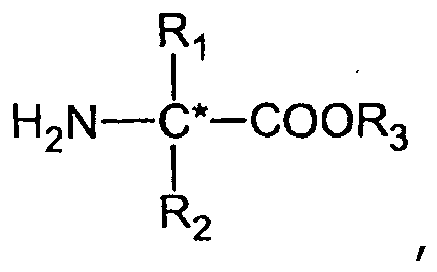
nicht als racemisches Gemisch, erhältlich ist, als Antiablaufmittel in einer Beschichtungszusammensetzung, wobei R1, R2 und R3 jeweils unabhängig aus Wasserstoff und linearen oder verzweigten, substituierten oder unsubstituierten, gesättigten oder ungesättigten, gegebenenfalls Heteroatom haltigen hydrocarbyl Gruppen ausgewählt sind, wobei R1 und R2 verschieden sind, so dass das Kohlenstoffatom C* ein Chiralitätszentrum ist.
nicht als racemisches Gemisch, erhältlich ist, als Antiablaufmittel in einer Beschichtungszusammensetzung, wobei R1, R2 und R3 jeweils unabhängig aus Wasserstoff und linearen oder verzweigten, substituierten oder unsubstituierten, gesättigten oder ungesättigten, gegebenenfalls Heteroatom haltigen hydrocarbyl Gruppen ausgewählt sind, wobei R1 und R2 verschieden sind, so dass das Kohlenstoffatom C* ein Chiralitätszentrum ist.
2. Verwendung gemäß Anspruch 1, wobei das eine oder die mehreren Polyisocyanate aus der
Gruppe ausgewählt sind, die aus substituierten oder unsubstituierten linearen aliphatischen
Polyisocyanaten mit einer geraden Anzahl von Kohlenstoffatomen in der Kette zwischen
zwei Isocyanatgruppen sowie kondensierten Dimer- und Trimerderivaten, wie Uretdion,
Isocyanurat oder Biuret-Trimeren, und substituierten oder unsubstituierten Arylen-,
Aralkylen- und Cyclohexylenpolyisocyanaten besteht.
3. Verwendung gemäß Anspruch 1 oder 2, wobei die eine oder die mehreren optisch aktiven
Aminosäuren und/oder Ester davon der Formel (I) aus der Gruppe von Verbindungen ausgewählt
sind, die aus Folgenden besteht:
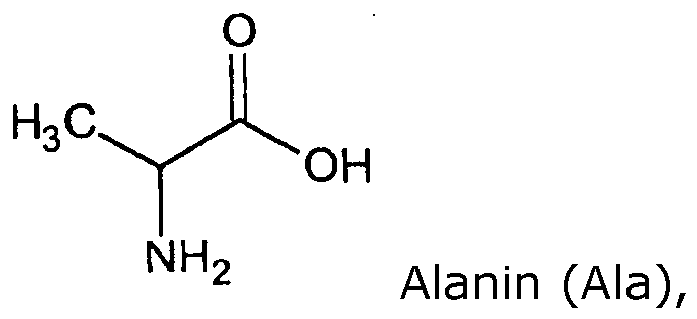
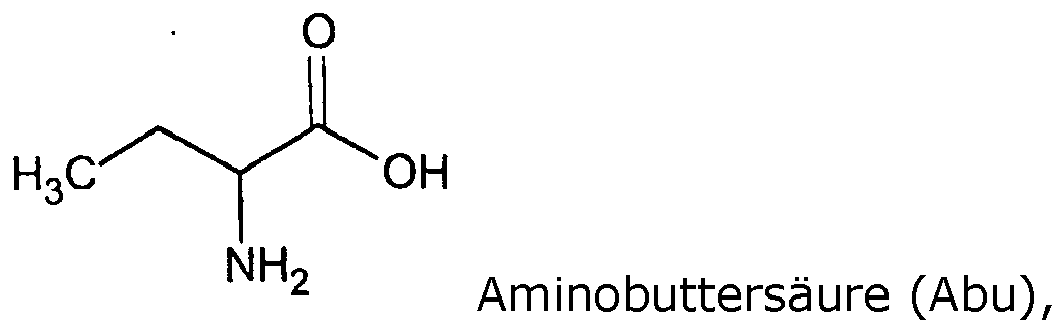
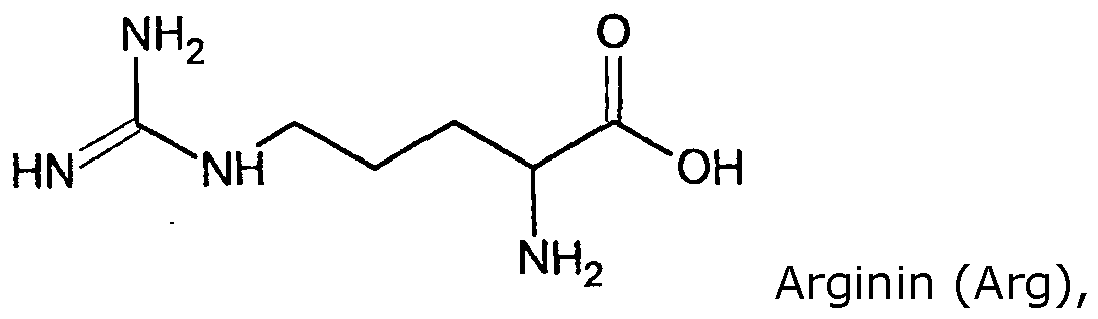


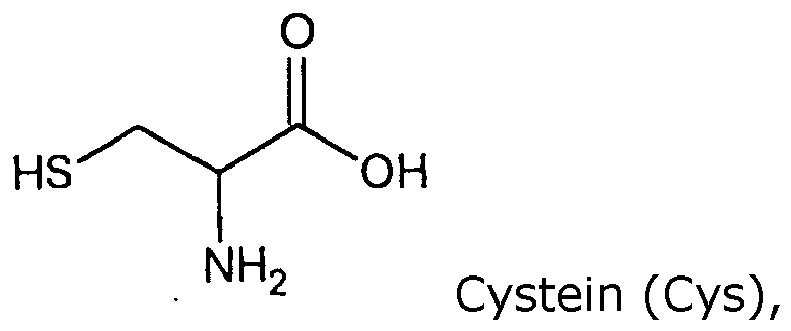
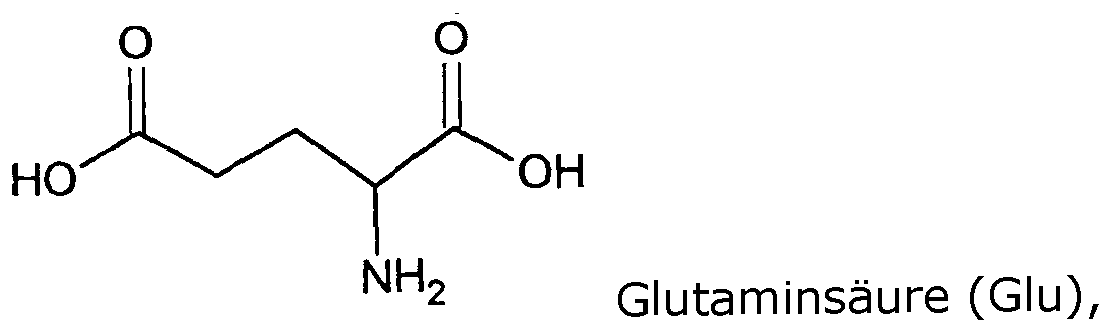
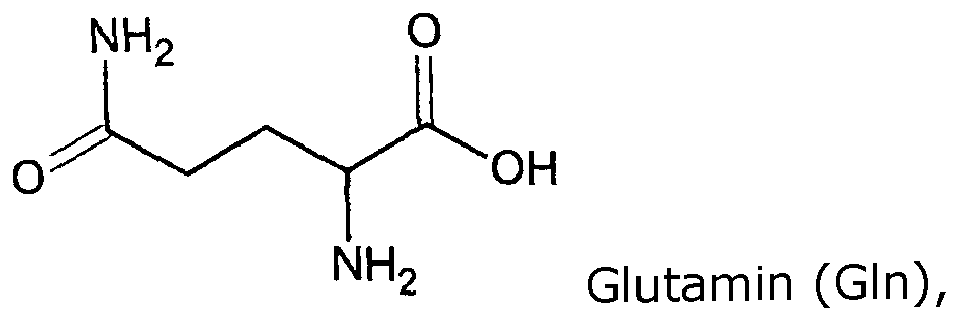
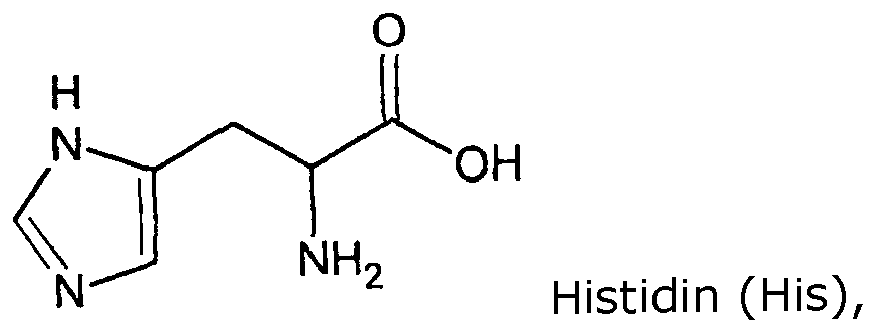

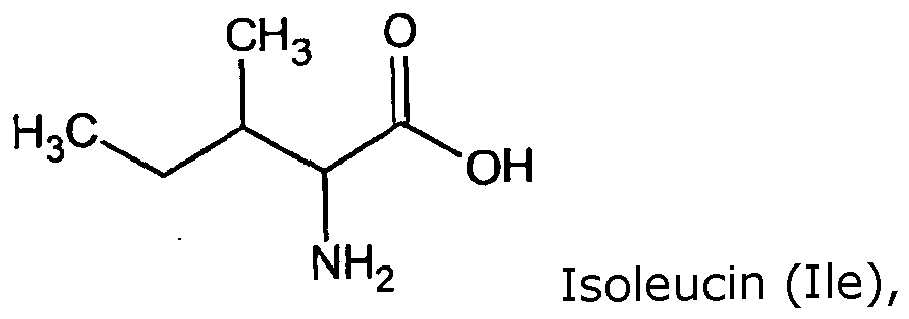



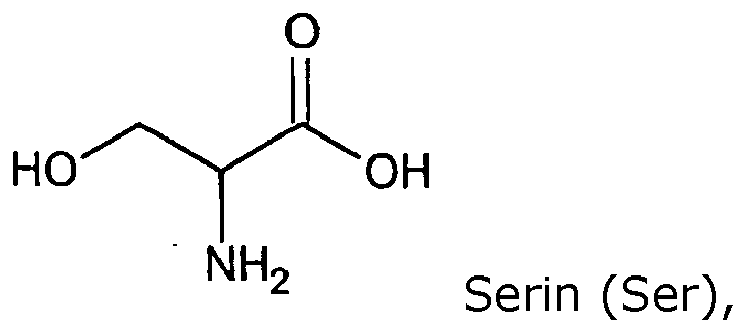
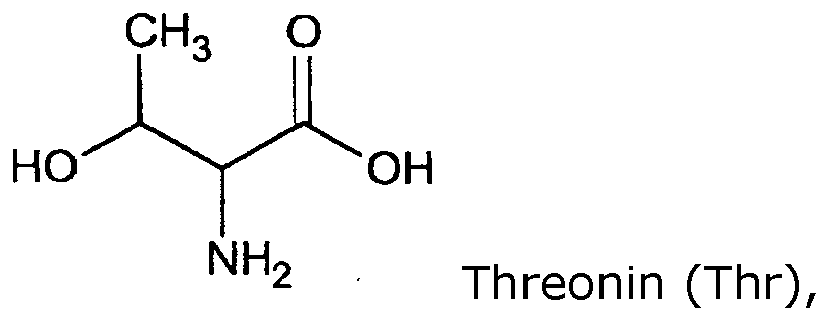
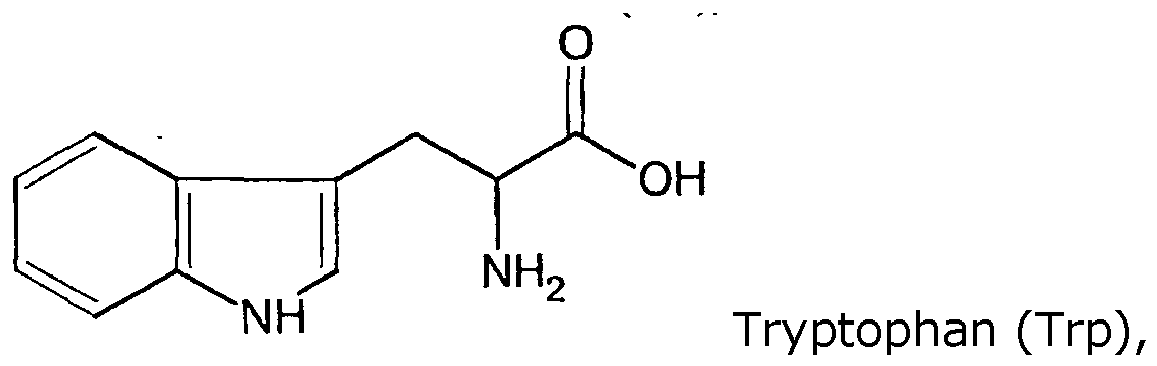
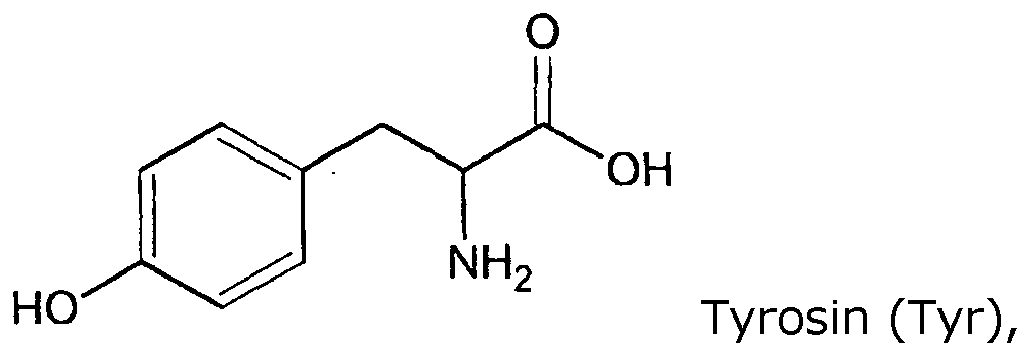
Esterderivaten und Salzen davon.
Esterderivaten und Salzen davon.
4. Verwendung gemäß einem der Ansprüche 1 bis 3, wobei, wenn R1 und/oder R2 ein Hydrocarbyl ist, das Hydrocarbyl unabhängig aus der Gruppe ausgewählt ist, die
aus linearem, cyclischem oder verzweigtem, substituiertem oder unsubstituiertem, gesättigtem
oder ungesättigtem C1-C24Alkyl, Aryl, Aralkyl und Alkenyl besteht.
5. Verwendung gemäß Anspruch 4, wobei R1 und/oder R2 Heteroatome enthalten.
6. Verwendung gemäß Anspruch 4 oder 5, wobei R1 und/oder R2 eine lineare oder verzweigte C1-C4 Alkylgruppe ist.
7. Verwendung gemäß einem der Ansprüche 1 bis 6, wobei, wenn R3 ein Hydrocarbyl ist, das Hydrocarbyl aus der Gruppe ausgewählt ist, die aus linearem,
cyclischem oder verzweigtem, substituiertem oder unsubstituiertem, gesättigtem oder
ungesättigtem C1-C25 Alkyl, Aryl, Aralkyl und Alkenyl besteht.
8. Verwendung gemäß Anspruch 7, wobei R3 Heteroatome enthält.
9. Verwendung gemäß Anspruch 7 oder 8, wobei R3 aus der Gruppe ausgewählt ist, die aus einem linearen oder verzweigten, substituierten
oder unsubstituierten C1-C8 Alkyl, Ether und/oder gegebenenfalls veresterten C1-C8 (Poly)alkoxy besteht.
10. Verwendung gemäß Anspruch 9, wobei R3 aus der Gruppe ausgewählt ist, die aus einem linearen C1-C4 Alkyl und gegebenenfalls alkoxylierten linearen C1-C4 Alkoxy besteht.
11. Verwendung gemäß einem der Ansprüche 1 bis 10, wobei die Beschichtungszusammensetzung
eine Beschichtungszusammensetzung auf Isocyanatbasis ist.
12. Verwendung gemäß einem der Ansprüche 1 bis 10, wobei die Beschichtungszusammensetzung
eine Beschichtungszusammensetzung auf Acryloylbasis ist.
13. Verwendung gemäß einem der Ansprüche 1 bis 10, wobei die Beschichtungszusammensetzung
eine Epoxid-härtbare Beschichtungszusammensetzung ist.
14. Verwendung gemäß einem der Ansprüche 1 bis 10, wobei die Beschichtungszusammensetzung
eine dual härtbare Beschichtungszusammensetzung ist.
15. Verwendung gemäß einem der Ansprüche 1 bis 10, wobei die Beschichtungszusammensetzung
ein Isocyanat-reaktives Zweikomponenten(2K)-Beschichtungssystem ist, das mit einer
oder mehreren Polyolverbindungen, Thiolverbindungen und/oder aminfunktionellen Verbindungen
bei einer Temperatur von wenigstens 25 °C und unter 150 °C gehärtet wird.
16. Verwendung gemäß einem der Ansprüche 1 bis 15, die weiterhin den Schritt des Auftragens
eines Beschichtungsfilms aus der Beschichtungszusammensetzung auf ein Substrat, bevor
der Beschichtungsfilm gehärtet wird, umfasst.
17. Beschichtungszusammensetzungen, die ein Bindemittel und den Rheologiemodifikator gemäß
einem der Ansprüche 1 bis 16 umfasst.
18. Beschichtungszusammensetzungen, die durch Verwendung eines Rheologiemodifikators gemäß
einem der Ansprüche 1 bis 17 erhältlich sind.
1. Utilisation comme agent de maîtrise de coulure dans une composition de revêtement
d'un agent de modification de rhéologie pouvant être obtenu par réaction d'un ou plusieurs
polyisocyanates avec un ou plusieurs aminoacides optiquement actifs, esters et/ou
sels de ceux-ci de formule générale (I)
non sous forme de mélange racémique, où chacun de R1, R2 et R3 est choisi indépendamment parmi l'hydrogène et un groupe hydrocarbyle, saturé ou insaturé, substitué ou non substitué, linéaire ou ramifié, ou contenant optionnellement un ou des hétéroatomes, chacun de R1 et R2 étant différent de sorte que l'atome de carbone C* est un centre chiral.
non sous forme de mélange racémique, où chacun de R1, R2 et R3 est choisi indépendamment parmi l'hydrogène et un groupe hydrocarbyle, saturé ou insaturé, substitué ou non substitué, linéaire ou ramifié, ou contenant optionnellement un ou des hétéroatomes, chacun de R1 et R2 étant différent de sorte que l'atome de carbone C* est un centre chiral.
2. Utilisation selon la revendication 1 où les un ou plusieurs polyisocyanates sont choisis
dans le groupe consistant en les polyisocyanates aliphatiques linéaires substitués
ou non substitués avec un nombre pair d'atomes de carbone dans la chaîne entre deux
groupes isocyanate, ainsi que les dérivés dimères et trimères condensés comme les
urétodiones, isocyanurates ou biurets trimères, et les arylène, aralkylène et cyclohexylène
polyisocyanates substitués ou non substitués.
3. Utilisation selon la revendication 1 ou 2 où les un ou plusieurs aminoacides optiquement
actifs et/ou esters de ceux-ci de formule (I) sont choisis dans le groupe de composés
consistant en :
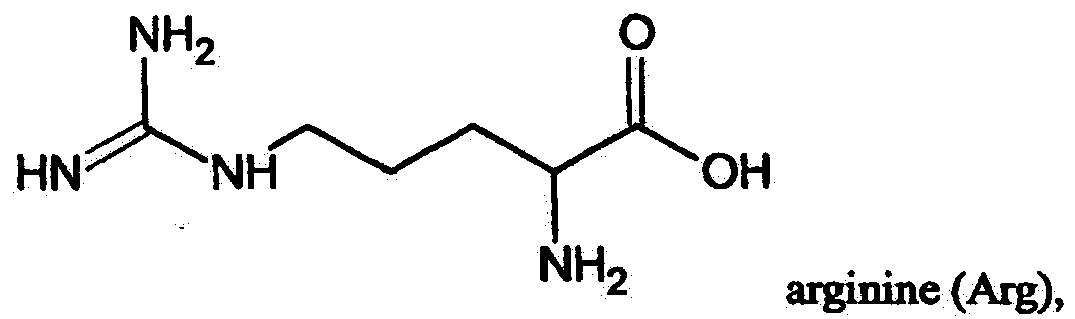
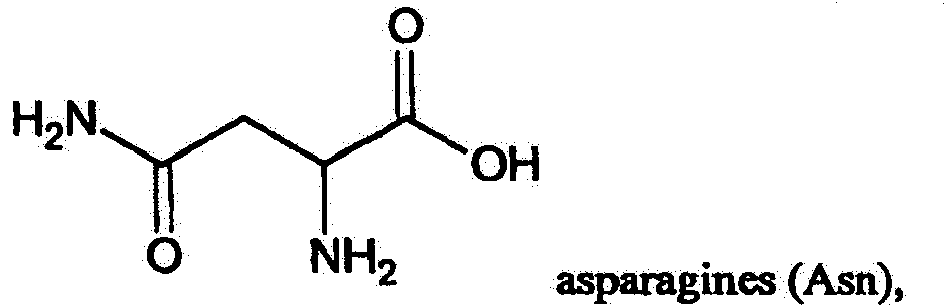

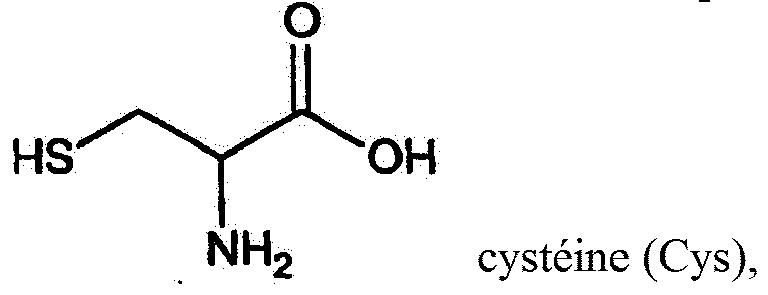
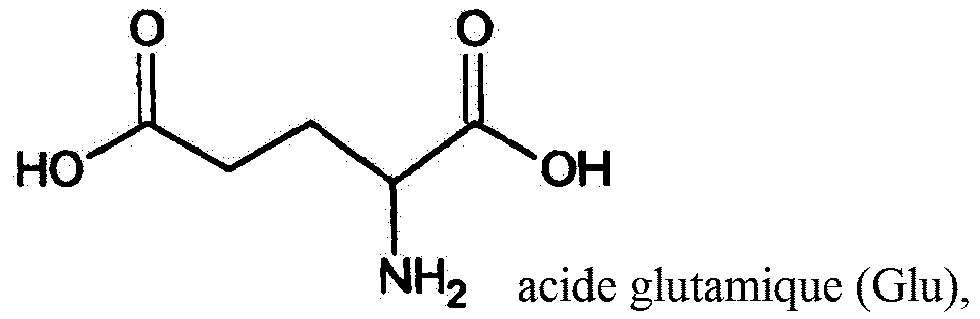
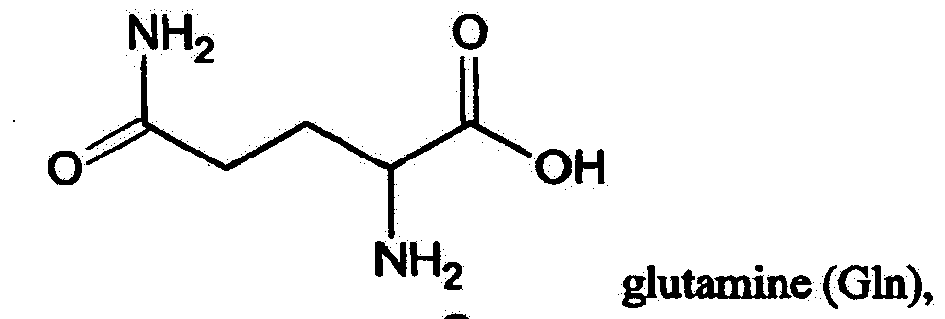

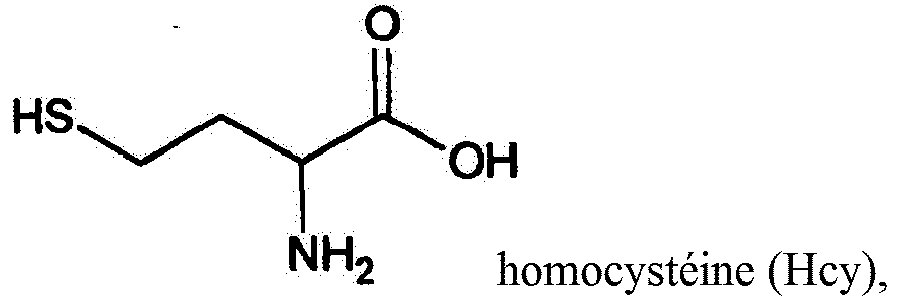
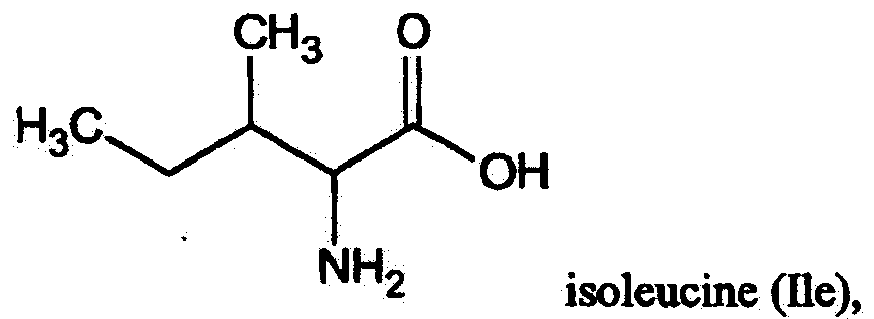
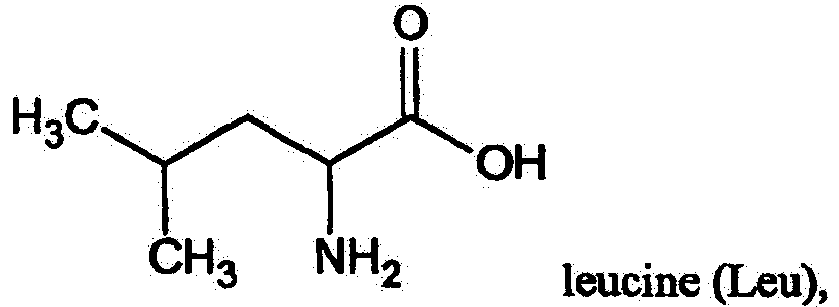


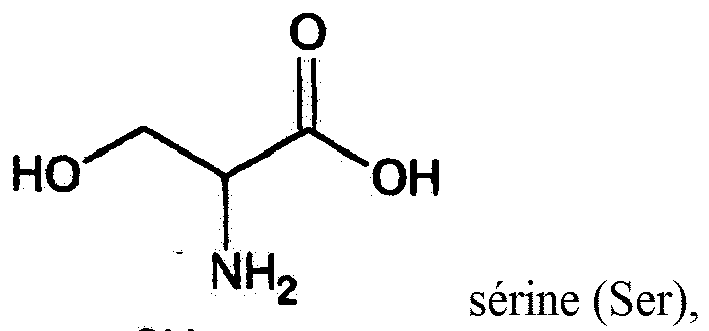
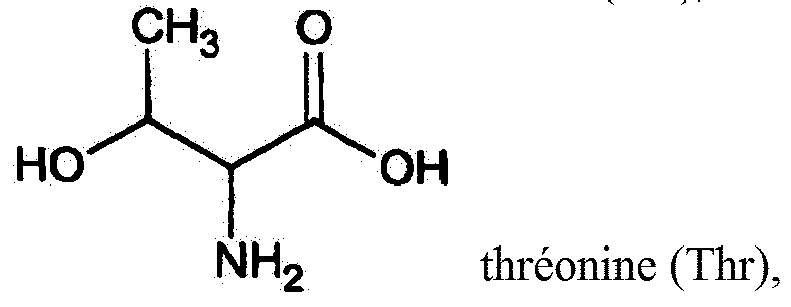
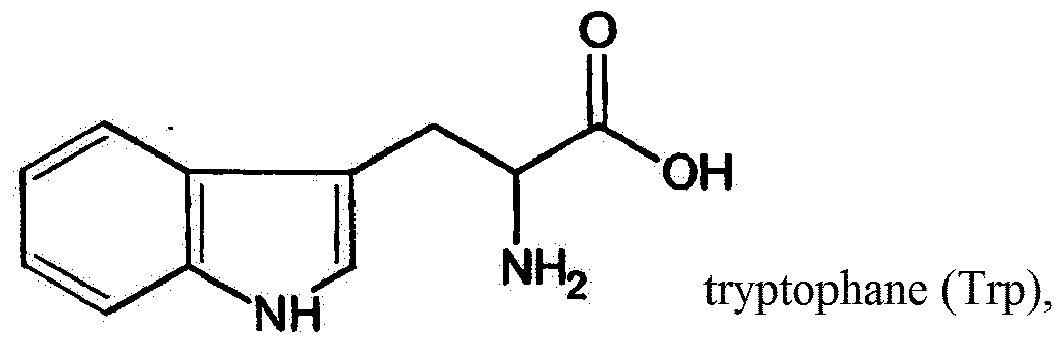
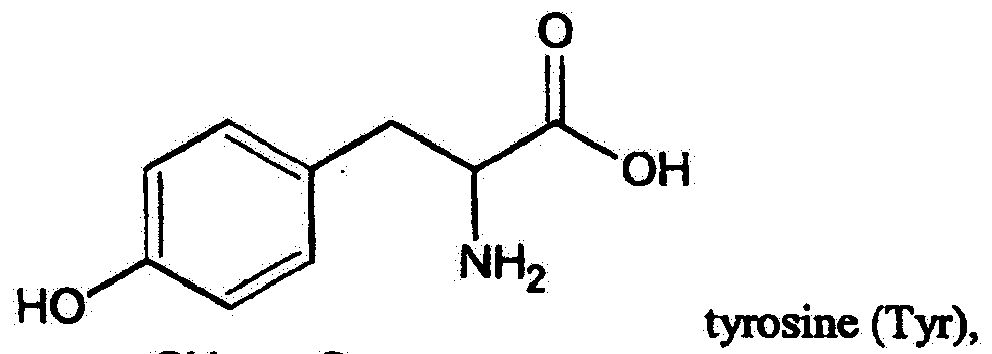
leurs dérivés esters et leurs sels.
leurs dérivés esters et leurs sels.
4. Utilisation selon l'une quelconque des revendications 1-3, où si R1 et/ou R2 est un hydrocarbyle, l'hydrocarbyle est choisi indépendamment dans le groupe consistant
en C1-C24 alkyle linéaire, cyclique ou ramifié, substitué ou non substitué, saturé ou insaturé,
aryle, aralkyle et alcényle.
5. Utilisation selon la revendication 4, où R1 et/ou R2 contiennent des hétéroatomes.
6. Utilisation selon la revendication 4 ou la revendication 5, où R1 et/ou R2 est un groupe C1-C4 alkyle linéaire ou ramifié.
7. Utilisation selon l'une quelconque des revendications 1 à 6, où si R3 est un hydrocarbyle, l'hydrocarbyle est choisi dans le groupe consistant en C1-C25 alkyle linéaire, cyclique ou ramifié, substitué ou non substitué, saturé ou insaturé,
aryle, aralkyle et alcényle.
8. Utilisation selon la revendication 7, où R3 contient des hétéroatomes.
9. Utilisation selon la revendication 7 ou la revendication 8, où R3 est choisi dans le groupe consistant en un C1-C8 alkyle linéaire ou ramifié, substitué ou non substitué, éther et/ou C1-C8 (poly)alcoxy éventuellement estérifié.
10. Utilisation selon la revendication 9, où R3 est choisi dans le groupe consistant en C1-C4 alkyle linéaire et C1-C4 alcoxy linéaire éventuellement alcoxylé.
11. Utilisation selon l'une quelconque des revendications 1 à 10, où la composition de
revêtement est une composition de revêtement à base d'isocyanate.
12. Utilisation selon l'une quelconque des revendications 1 à 10, où la composition de
revêtement est une composition de revêtement à base d'acryloyle.
13. Utilisation selon l'une quelconque des revendications 1 à 10, où la composition de
revêtement est une composition de revêtement durcissable par époxy.
14. Utilisation selon l'une quelconque des revendications 1 à 10, où la composition de
revêtement est une composition de revêtement durcissable double.
15. Utilisation selon l'une quelconque des revendications 1 à 10, où la composition de
revêtement est un système de revêtement à deux composants (2K) réactif avec les isocyanates
qui est durci avec un ou plusieurs composés polyols, composés thiols et/ou composés
amino-fonctionnels, à une température d'au moins 25°C et inférieure à 150°C.
16. Utilisation selon l'une quelconque des revendications 1 à 15, incluant en outre l'étape
d'application d'un film de revêtement de la composition de revêtement sur un substrat
avant que ledit film de revêtement soit durci.
17. Compositions de revêtement comprenant un liant et l'agent de modification de rhéologie
selon l'une quelconque des revendications 1 à 16.
18. Compositions de revêtements qui peuvent être obtenues au moyen d'un agent de modification
de rhéologie selon l'une quelconque des revendications 1 à 17.
REFERENCES CITED IN THE DESCRIPTION
This list of references cited by the applicant is for the reader's convenience only. It does not form part of the European patent document. Even though great care has been taken in compiling the references, errors or omissions cannot be excluded and the EPO disclaims all liability in this regard.
Patent documents cited in the description
Non-patent literature cited in the description
- L.A. ESTROFFA.D. HAMILTONAngew. Chem. Int. Ed., 2000, vol. 39, 3447-3450 [0002]
- A.J. CARRR. MELENDEZS.J. GEIBA.D. HAMILTONTetrahedron Letters, 1998, vol. 39, 7447-7450 [0002]