|
(11) | EP 1 964 842 A1 |

| (12) | EUROPEAN PATENT APPLICATION |
| published in accordance with Art. 158(3) EPC |
|
|
|
|
|||||||||||||||||||
| (54) | 5H-THIENO [3,4-c]PYRROLE-4, 6-DIONE DERIVATIVES AGAINST CELL RELEASING TUMOR NECROSIS FACTOR |
| (57) Taught are derivatives of 5H-thieno (3,4-c) pyrrole-4,6-dione, their organic, and
inorganic salts, methods of synthesis of these derivatives, and their application
as active pharmaceutical-ingredients useful as inhibitors of TNFα, the derivative
being represented by the general formula (I):
in which R1 represents H, C1-6alkyl, OR4, OC(O)R5, NO2, NHC(O)R6, or NR7R8; R2 represents H, a halogen, or C1-6alkyl; R3 represents H, methyl, isopropyl, allyl, benzyl, CH2CO2 (C1-6alkyl), or CH2(CH2)nR9; R4, R5, R6, R7, and R8 each independently and at each occurrence represents H, or C1-6alkyl; R9 represents H, C1-6alkyl, OH, OC1-6alkyl, NH2, NHC1-6alkyl, N(C1-6alkyl)2, or CO2(C1-6alkyl); and n represents 1, 2, 3, or 4. |
BACKGROUND OF THE INVENTION
[0002] This invention relates to 5H- thieno (3,4-c)pyrrole-4,6-dione derivatives which are active as inhibitors of tumor necrosis factor (TNF) released by cells, the preparation of these derivatives, as well as their application as pharmaceutically-active ingredients.
[0004] Tumor necrosis factor-alpha (TNFα) is a cytokine, mainly produced by mononuclear macrophages. It causes inflammation, fever, cardiovascular dysfunction, hemorrhage, blood coagulation and a series of acute reactions similar to acute infection and shock when administered to humans and animals. Moreover, excessive or uncontrolled TNFα in animals or humans often indicates one of the following diseases:
[0005] 1) Endotoxaemia and/or toxic shock syndrome (Tracey et al., Nature 330, 662-4 1987; Hinshaw et al., Circ Shock 30,279-92 (1990));
[0007] 3) Adult Respiratory Distress Syndrome (ARDS) (Millar et al., Laucet 2(8665), 712-714(1989)).
[0008] At present, the disease most commonly linked to TNFα released by tumor and host tissue is hypercalcemia, which is closely related to malignant tumors (Calci. Tissue Int. (US) 46(Suppl.), S3-10(1990)). It has also been observed that immune response is closely related to an increased concentration of TNFα in serum of the patient after bone marrow transplantation (Holler et al., Blood, 75(4), 1011-1016(1990)).
[0009] Fatal hyperacute neurogenic syndrome brainstem-type malaria, which is the most dangerous type of malaria, is also linked to high levels of TNFα in blood. When this kind of malaria occurs, the levels of TNFα in serum are directly related to the disease, which often occurs during an acute attack of malaria in patients (Grau et al., N. Engl. J. Med. 320(24), 1586-91(1989)).
[0010] TNFα also plays an important role in bone resorption diseases including arthritis (Betolinni et al., Nature 319, 516-8 (1986)). TNFα may stimulate bone resorption by stimulating the formation and activation of osteoclast and inhibit the formation of bone, which was shown both by in vitro and in vivo experiments.
[0011] TNFα plays an important role in chronic pneumonia, as well. The storage of silicon-containing particles can cause silicosis. Silicosis is a type of progressive respiratory failure, resulting from fibrosis of pulmonary tissues. In an animal pathological model, TNFα antibody can fully block the progress of lung fibrosis in mice caused by silica dust (Pignet et al., Nature, 344:245-7 (1990)). It was also proved that TNFα levels are abnormally high in serum of animals with pulmonary fibrosis caused by silica dust or asbestos dust in animal experiments (Bissonnette et al., Inflammation 13(3), 329-339(1989)). Pathological research reveals that TNFα levels in pulmonary tissues of patients with pulmonary sarcoidosis is much higher than that of ordinary people (Baughman et al., J. Lab. Clin. Med. 115(1), 36-42(1990)). This suggests that TNFα inhibitor could have a great significance in the treatment of chronic pulmonary diseases and lung injury.
[0012] One reason for inflammation occurring in the patient with reperfusion injury may be abnormal levels of TNFα.
[0013] TNFα is regarded as the chief cause inducing tissue injury caused by ischemia (Uadder et al., PNAS 87,2643-6(1990)).
[0014] Besides, it has been shown that TNFα may start retroviral replication including that of HIV-1 (Duh et al., Proc. Nat. Acad. Sci., 86, 5974-8(1989)). T-cells need to be activated before HIV invades them. Once the activated T-cells are infected by virus (HIV), those T-cells must remain in an activated state in order for the HIV virus genes are able to express and/or replicate successfully. Cytokines, especially TNFα, play an important role in the process of HIV protein expression or viral replication controlled by T-cells. Inhibition of TNFα production can in turn inhibit HIV replication in T-cells (Poll et al., Proc. Nat. Acad. Sci., 87,782-5(1990); Monto et al., Blood 79,2670(1990); Poll et al., AIDS Res. Human Retrovirus ,191-197(1992)).
[0015] cAMP can regulate many functions of cells, such as inflammation response, including asthma, and inflammation (Lome and Cheng, Drugs of the futune, 17(9), 799-807, 1992). When inflammation occurs, increased cAMP concentration in white cells inhibits activation of white cells, and then releases inflammation regulatory factors including TNFα so as to exacerbate inflammation in patients. Consequently, the inhibition of TNFα release can alleviate inflammation diseases including asthma. (0012) Yu Yanyan et al, have found that TNFα plays an important role in the process of liver necrosis in patients with viral hepatitis. (Yu Yanyan etc., Chinese Journal of Internal Medicine 1996, 35:28-31). This shows that TNFα inhibitors may play a great role in treatment of chronic hepatic disease and liver injury.
[0016] Li Yingxu et al have found that levels of synthesis and secretion of tumor necrosis factors in monocytes in the peripheral blood of patients with chronic hepatic disease increase, which induces secretion of other cytokines (for example, IL-1β, IL-6 and IL-8). All these cytokines including tumor necrosis factors are all together involved in the injury process of hepatocytes (Journal of Qiqihar Medical Colleg, 22(10):1119-1120, 2001). Their study results coincide with the conclusions of Yoshioka, et al. (Hepatology, 1989, 10:769-777) and Wang Xin , et al. (Chinese Journal of Infectious Diseases, 1997, 15(2) :85-88). It has also been found that thalidomide, the inhibitor of TNFα, is able to inhibit TNFα secretion of monocytes in the peripheral blood of hepatitis patients, which lays a foundation for the application of TNFα inhibitors to treatment of hepatitis, cirrhosis and liver cancer.
[0017] By promoting biosynthesis and release of inflammatory cytokines (Abboud H.E. Kidney Int. 1993, 43: 252-267), increasing expression of cellular adhesion molecules (Egido J. et al, Kidney Int. 1993, 43(suppl 39): 59-64),and stimulating biosynthesis and release of prostaglandin G2 (PGG2) and platelet-activating factor (PAF) (Cammusi G. et al, Kidney Int., 43(suppl 39): 32-36), TNFα may induce aggregation and adhesion of inflammatory cells, increase dilation and permeability of blood capillaries, induce fever, increase the count of neutrophilic granulocytes in blood circulation, and change hemodynamics leading to injury of renal cells. Many studies have suggested that TNFα plays an important role in breakout and deterioration of nephritis.
[0018] TNFα regulates the differentiation of B lymphocytes and reinforces the cytotoxicity of natural killer cells (NK), so as to involve in the regulation of immunel functions by means of activation of macrophages and immunological stimulation of proliferation of T-lymphocytes.
[0019] Therefore, decreasing TNFα levels and/or increasing cAMP levels constitutes an effective way to treat many inflammatory, infectious, immune or malignant tumor diseases, including but not limited to septic shock, endotoxic shock, hemodynamic shock, septic syndrom, post ischemic reperfusion injury, malaria, mycobacterial infection, meningitis, psoriasis, congestive heart failure, fibrotic disease, cachexia, transplant immune rejection, cancer, autoimmune disease, opportunistic infection in AIDS, rheumatoid arthritis (RA), hepatitis, nephritis, rheumatoid spondylitis, and so on. Accordingly, research and development on small molecule TNFα inhibitors with low toxicity and high efficiency is of great social benefit and has high economic value.
SUMMARY OF THE INVENTION
[0020] This invention is directed to 5H-thieno (3,4-c)pyrrole-4,6-dione derivatives and organic or inorganic salts thereof, preparation methods thereof, and their application as pharmaceutically-active ingredients useful as TNFα release inhibitors in cells.
[0021] The 5H-thieno (3,4-c)pyrrole-4,6-dione derivatives of this invention are encompassed by the general formula (I):
[0027] R9 represents H, C1-6alkyl, OH, OC1-6alkyl, NH2, NHC1-6alkyl, N(C1-6 alkyl)2, or CO2(C1-6alkyl); and
[0029] The C1-6alkyl described in this invention may be straight chain, fork chain or cyclic alkyl; a saturated or unsaturated alkyl; and may be substituted by F, OH, COOH, CO2(C1-4alkyl), C(O)NH2, C(O)NH(C1-4alkyl), C(O)N(C1-4alkyl)2, NHC(O)(C1-4alkyl), NH2, NH(C1-4alkyl), N(C1-4alkyl)2, NHC(O)NH2, NHC(NH)NH2, O(C1-4alkyl), and/or S(C1-4alkyl).
[0030] Among compounds represented by formula (I), suitable as a pharmaceutically-active ingredients useful as TNFα release inhibitors in cells are those compounds wherein R1 represents H, CH3, CH2CH3, OH, OCH3, OCH2CH3, O2CCH3, O2CCH2CH3, NH2, NHCH3, NHCH2CH3, N(CH3)2, NHC(O)H, NHC(O)CH3, NHC(O)CH2CH3, or N(CH3)C(O)CH3; particularly suitable are compounds represented by formula (I) wherein R1 represents H, CH3, OH, OCH3, NH2, NHCH3, NHCH2CH3, N(CH3)2, or NHC(O)CH3; and more particularly are compounds represented by formula (I) wherein R1 represents H, NH2, NHCH3, or N(CH3)C(O)CH3.
[0031] Among compounds represented by formula (I), suitable as a pharmaceutically-active ingredients useful as TNFα release inhibitors in cells are those compounds wherein R2 represents H, F, CH3, CH2CH3, or CH2CH2CH3; particularly suitable are compounds represented by formula (I) wherein R2 represents H, F, CH3, or CH2CH3; and more particularly are compounds represented by formula (I) wherein R2 represents H, F, or CH3.
[0032] Among compounds represented by formula (I), suitable as a pharmaceutically-active ingredients useful as TNFα release inhibitors in cells are those compounds wherein R3 represents H, CH3, CH2CH3, CH2CH2CH3, isopropyl, allyl, CH2CH2CH2CH3, CH2Ph, CH2CH2OH, CH2CH2CH2OH, CH2CH2CH2CH2OH, CH2CH2OCH3, CH2CH2OCH2CH3, CH2CO2CH3, CH2CO2CH2CH3 or CH2CH2CO2CH2CH3; particularly suitable are compounds represented by formula (I) wherein R3 represents H, CH3, CH2CH3, CH2CH2CH3, CH2CH2OH, CH2CH2CH2OH, CH2CH2OCH3 or CH2CO2CH3; and more particularly are compounds represented by formula (I) wherein R3 represents H, CH3, CH2CH3, CH2CH2OH, CH2CH2OCH3 or CH2CO2CH3.
[0033] Among the 5H-thieno(3,4-c)pyrrole-4,6-dione derivatives represented by formula (I), suitable as a pharmaceutically-active ingredients useful as TNFα release inhibitors in cells are, without limitation, the following compounds:
[0051] 18) (R)-5-(3-methyl-2,6-dioxopiperidin-3-yl)-1-methylamino-5H-thieno(3,4-c)pyrrole-4,6-dione:
[0052] 19) (S)-5-(3-methyl-2,6-dioxopiperidin-3-yl)-1-methylamino-5H-thieno(3,4-c)pyrrole-4,6-dione:
[0053] 20) (±)-5-(3-methyl-2,6-dioxopiperidin-3-yl)-1-methylamino-5H-thieno(3,4-c)pyrrole-4,6-dione:
[0057] 24) (R)-5-(3-methyl-2,6-dioxopiperidin-3-yl)-1-dimethylamino-5H-thieno(3,4-c)pyrrole-4,6-dione:
[0058] 25) (S)-5-(3-methyl-2,6-dioxopiperidin-3-yl)-1-dimethylamino-5H-thieno(3,4-c)pyrrole-4,6-dione:
[0059] 26) (±)-5-(3-methyl-2,6-dioxopiperidin-3-yl)-1-dimethylamino-5H-thieno(3,4-c)pyrrole-4,6-dione:
[0060] 27) (R)-5-(3-methyl-2,6-dioxopiperidin-3-yl)-1-propylamino-5H-thieno(3,4-c)pyrrole-4,6-dione:
[0061] 28) (S)-5-(3-methyl-2,6-dioxopiperidin-3-yl)-1-propylamino-5H-thieno(3,4-c)pyrrole-4,6-dione:
[0062] 29) (±)-5-(3-methyl-2,6-dioxopiperidin-3-yl)-1-propylamino-5H-thieno(3,4-c)pyrrole-4,6-dione:
[0063] 30) (R)-5-(3-methyl-2,6-dioxopiperidin-3-yl)-1-isopropylamino-5H-thieno(3,4-c)pyrrole-4,6-dione:
[0064] 31) (S)-5-(3-methyl-2,6-dioxopiperidin-3-yl)-1-isopropylamino-5H-thieno(3,4-c)pyrrole-4,6-dione:
[0065] 32) (±)-5-(3-methyl-2,6-dioxopiperidin-3-yl)-1-isopropylamino-5H-thieno(3,4-c)pyrrole-4,6-dione:
[0066] 33) (R)-5-(3-methyl-2,6-dioxopiperidin-3-yl)-1-(ethyl(methyl)amino)-5H-thieno(3,4-c)pyrrole-4,6-dione:
[0067] 34) (S)-5-(3-methyl-2,6-dioxopiperidin-3-yl)-1-(ethyl(methyl)amino)-5H -thieno(3,4-c)pyrrole-4,6-dione:
[0068] 35) (±)-5-(3-methyl-2,6-dioxopiperidin-3-yl)-1-(ethyl(methyl)amino)-5H -thieno(3,4-c)pyrrole-4,6-dione:
[0076] 43) 5-(1-(2-hydroxyethyl)-2,6-dioxopiperidin-3-yl)-1-amino-5H-thieno(3,4-c)pyrrole-4,6-dione:
[0078] 45) 5-(1-(3-hydroxypropyl)-2,6-dioxopiperidin-3-yl)-1-amino-5H-thieno(3,4-c)pyrrole-4,6-dione:
[0079] 46) 5-(1-(3-methoxypropyl-2,6-dioxopiperidin-3-yl)-1-amino-5H-thieno(3,4-c)pyrrole-4,6-dione:
[0081] 48) 5-(1-(2-hydroxypropyl-2,6-dioxopiperidin-3-yl)-1-amino-5H-thieno(3,4 -c)pyrrole-4,6-dione:
[0082] 49) 5-(1-(2-methoxypropyl-2,6-dioxopiperidin-3-yl)-1-amino-5H-thieno(3,4-c)pyrrole-4,6-dione:
[0084] (0073) 51) 5-(1-methyl-2,6-dioxopiperidin-3-yl)-1-methylamino-5H-thieno(3,4-c)pyrrole-4,6-dione:
[0086] 53) 5-(1-(2-methoxypropyl)-2,6-dioxopiperidin-3-yl)-1-methylamino-5H -thieno(3,4-c)pyrrole-4,6-dione:
[0087] 54) (R)-5-(3-methyl-1-ethyl-2,6-dioxopiperidin-3-yl)-1-amino-5H-thieno(3,4-c)pyrrole-4,6-dione:
[0088] 55) (S)-5-(3-methyl-1-ethyl-2,6-dioxopiperidin-3-yl)-1-amino-5H-thieno(3,4-c)pyrrole-4,6-dione:
[0089] 56) (±)-5-(3-methyl-1-ethyl-2,6-dioxopiperidin-3-yl)-1-amino-5H-thieno(3,4-c)pyrrole-4,6-dione:
[0090] 57) (R)-5-(3-methyl-1-propyl-2,6-dioxopiperidin-3-yl)-1-amino-5H-thieno(3,4-c)pyrrole-4,6-dione:
[0091] 58) (S)-5-(3-methyl-1-propyl-2,6-dioxopiperidin-3-yl)-1-amino-5H-thieno(3,4-c)pyrrole-4,6-dione:
[0092] 59) (±)-5-(3-methyl-1-propyl-2,6-dioxopiperidin-3-yl)-1-amino-5H-thieno(3,4-c)pyrrole-4,6-dione:
[0093] 60) (R)-5-(3-methyl-1-(2-hydroxyethyl)-2,6-dioxopiperidin-3-yl)-1-amino-5H-thieno(3,4-c)pyrrole-4,6-dione:
[0094] 61) (S)-5-(3-methyl-1-(2-hydroxyethyl)-2,6-dioxopiperidin-3-yl)-1-amino-5H-thieno(3,4-c)pyrrole-4,6-dione:
[0095] 62) (±)-5-(3-methyl-1-(2-hydroxyethyl)-2,6-dioxopiperidin-3-yl)-1-amino-5H-thieno(3,4-c)pyrrole-4,6-dione:
[0096] 63) (R)-5-(3-methyl-1-(2-methoxyethyl)-2,6-dioxopiperidin-3-yl)-1-amino-5H-thieno(3,4-c)pyrrole-4,6-dione:
[0097] 64) (S)-5-(3-methyl-1-(2-methoxyethyl)-2,6-dioxopiperidin-3-yl)-1-amino-5H-thieno(3,4-c)pyrrole-4,6-dione:
[0098] 65) (±)-5-(3-methyl-1-(2-methoxyethyl)-2,6-dioxopiperidin-3-yl)-1-amino-5H-thieno(3,4-c)pyrrole-4,6-dione:
[0101] 68) 5-(1-(methoxycarbonylmethyl)-2,6-dioxopiperidin-3-yl)-1-amino-5H-thieno(3,4-c)pyrrole-4,6-dione:
[0102] 69) 5-(1-(ethoxycarbonylmethyl)-2,6-dioxopiperidin-3-yl)-1-amino-5H-thieno(3,4-c)pyrrole-4,6-dione:
[0103] 70) 5-(1-(methoxycarbonylethyl)-2,6-dioxopiperidin-3-yl)-1-amino-5H-thieno(3,4-c)pyrrole-4,6-dione:
[0104] 71) 5-(1-(ethoxycarbonylethyl)-2,6-dioxopiperidin-3-yl)-1-amino-5H-thieno(3,4-c)pyrrole-4,6-dione:
[0105] 72) 5-(1-(methoxycarbonylethyl)-2,6-dioxopiperidin-3-yl)-1-nitro-5H-thieno(3,4-c)pyrrole-4,6-dione:
[0106] 73) 5-(1-(methoxycarbonylmethyl)-2,6-dioxopiperidin-3-yl)-1-nitro-5H-thieno(3,4-c)pyrrole-4,6-dione:
[0107] As a natural extension, this invention also includes various metabolites and prodrugs of the compounds encompassed by formula (I).
[0108] When used as pharmaceutically-active ingredients, the compounds encompassed by formula (I) may be R isomers, S isomers, or racemates.
[0109] When used as pharmaceutically-active ingredients, the compounds encompassed by formula (I) may be in the form of a free base, or a physiologically-acceptable inorganic salt, including a hydrochlorate, a sulphate, a nitrate, or a phosphate, or an organic salt, including a sulphonate, an acetate, a formate, a fumarate, a maleate, a citrate, a tartrate, a malate, a benzoate,an ascorbate, a gluconate, a lactate, a succinate, or a trifluoroacetate.
[0110] When used as pharmaceutically-active ingredients, the compounds encompassed by formula (I) may be in the form of a hydrate of a free base.
[0111] When used as pharmaceutically-active ingredients, the compounds encompassed by formula (I) may be in the form of a hydrate of a physiologically-acceptable salt.
[0112] This invention is directed further to a first method for preparing a 5H-thieno (3,4
- c)pyrrole-4,6-dione derivative encompassed by formula (I), comprising reacting a compound
of formula (II) with a compound of formula (III)
to yield an intermediate, and then converting said intermediate in a ring-closure reaction to the 5H-thieno (3,4-c)pyrrole-4,6-dione derivative, wherein
[0117] R9 represents H, C1-6 alkyl, OH, OC1-6alkyl, NH2, NHC1-6alkyl, N(C1-6alkyl)2, or CO2(C1-6alkyl); and
[0120] step 1: reacting a compound represented by formula (II) with a compound represented by formula (III) to obtain a compound represented by formula (IVA) or formula (IVB);
[0121] step 2: reacting the compound represented by formula (IVA) or formula (IVB) with a condensing agent in an aprotic solvent to obtain a compound represented by formula (I).
[0122] After step 1, the obtained product, i.e., the compound represented by formula (IVA) or formula (IVB), may be purified or may be used without purification. The reaction mixture obtained after step 1 may be dried to remove water. Step 1 and 2 may be conducted in situ (merged into one step).
[0123] In step 1, the mol proportion between the amount of the compound represented by formula (II) to that of the compound represented by formula (III) is between 1.0:0.4 and 1.0:2.0; more particularly, between 1.0:0.6 and 1.0:1.5; and most particularly, between 1.0:0.8 and 1.0:1.2.
[0124] One or more organic bases and/or inorganic bases, including but not limited to triethylamine, trimethylamine, pyridine, NaOH, KOH, LiOH, Ca(OH)2, Na2CO3, K2CO3, Cs2CO3, NaHCO3, KHCO3, Na3PO4, Na2HPO4, NaH2PO4, K3PO4, K2HPO4, KH2PO4, or a mixtures thereof, may be added to the reaction mixture in step 1, in step 2, and/or if the steps are conducted in situ.
[0125] All reactions describedherein is performed, without limitation, in an organic solvent, such as dichloromethane, chloroform, acetone, butanone, N,N -dimethylformamide, dimethyl sulfoxide, dimethoxyethane, tetrahydrofuran, pyridine, and acetonitrile; and the reaction mixture may be monophasic, biphasic, or multiphasic, with or without the addition of phase transfer catalysts.
[0126] In step 2, the condensing agents appropriate for the preparation of compounds shown as formula (I) include, but are not limited to carbonyldiimidazole, DCC, EDC, SOCl2, PCl5, POCl3, or acetic anhydride, or their mixture. In step 2, the ratio of the molar amount of the condensing agent to the molar amount of the compound represented by formula (II) may be between 0.5:1.0 and 4.0:1.0; particularly, between 0.8:1.0 and 3.0:1.0; and more particularly between 1.0:1.0 and 1.5:1.0.
[0127] The appropriate solvents for step 2 include, but are not limited to DMF, DMA, DMSO, HMPA, THF, ethyl acetate, isopropyl ether, acetone, dimethoxyethane, diethylene glycol diethyl ether, 1,4-dioxane, chlorobenzene, nitrobenzene, acetonitrile, or their mixture.
[0128] The temperature of the reaction mixture in step 2 may be maintained at between 0°C and 200°C; more particularly at between 10°C and 150°C, and most particularly at between 15°C and 100°C.
[0129] When preparing the compound of formula (I) by this method, in step 1 and/or step 2, a pyridine derivative may be added as a catalyst. The pyridine derivative is selected pyridine, 4-dimethylaminopyridine, 4-diethylaminopyridine, or 4-(1'-tetrahydropyrryl) pyridine. The molar ratio of the pyridine derivative to the compound of formula (II) is between 0.1 and 20 percent.
[0130] This invention is directed further to a second method for preparing a 5H-thieno (3,4-c)pyrrole-4,6-dione derivative encompassed by formula (I) comprising reacting a compound represented by formula (V)
[0131] with a compound represented by formula X-R3 in the presence of a base to yield a 5H-thieno (3,4-c)pyrrole-4,6-dione derivative represented by formula (I), wherein,
[0135] R9 represents H, C1-6 alkyl, OH, OC1-6alkyl, NH2, NHC1-6alkyl, N(C1-6alkyl)2, or CO2(C1-6alkyl); and
[0137] The base is selected from an inorganic base including, but are not limited to NaH, KH, CaH2, K2CO3, Na2CO3, KHCO3, NaHCO3, Li2CO3, Cs2CO3, LiOH, KOH, NaOH, Ca(OH)2, K3PO4, or K2HPO4, or an organic base. The molar ratio of the base to the compound represented by formula (V) is between 50% and 300%.
[0138] The reaction is performed, without limitation, in an organic solvent, such as as dichloromethane, chloroform, acetone, butanone, N,N- dimethylformamide, dimethyl sulfoxide, dimethoxyethane, tetrahydrofuran, pyridine and acetonitrile; and the reaction mixture may be monophasic, biphasic, or multiphasic, with or without the addition of phase transfer catalysts.
[0139] This invention is directed further to a method for preparing a 5H-THIENO(3,4 -c)pyrrole-4,6-dione derivative represented by formula (I), wherein R1 represents an amino group,
comprising reducing a compound represented by formula (I) in a reduction reaction, wherein R1 represents a nitryl to yield a compound represented by formula (I),wherein R1 represents an amino. The reduction reaction for reducing nitryl may be a catalytic hydrogenation.
[0140] Appropriate reaction solvents include, but are not limited to water, alcohols, DMF, DMA, DMSO, HMPA, THF, dimethoxyethane, diethylene glycol diethyl ether, 1,4 -dioxane, chlorobenzene, nitrobenzene, acetonitrile, or their mixture.
[0141] The pressure range of hydrogen used in the hydrogenation reaction is between 1 and 200 times the atmospheric pressure.
[0143] The catalyst employed may be a metal such as Pd, Pt, Ru, Ni, etc, their oxides, their salts, or their mixture.
[0145] Further, the reduction reaction for reducing the nitryl in the 5H-thieno (3,4 -c)pyrrole-4,6-dione derivatives represented by formula (I) may employ a reducing agent selected from a non-metal salt; a hydride, such as borohydride; a metallic salt, such as tin protochloride; or a reducing metal and a hydrogen source, such as zerovalent iron powder and a protic acid.
[0146] The reaction solvents include, but are not limited to water, an alcohol, DMF, DMA, DMSO, HMPA, THF, dimethoxyethane, diethylene glycol diethyl ether, 1,4 -dioxane, benzene, toluene, acetonitrile, or their mixture.
[0148] Compounds of formula (I) are useful pharmaceutically-active ingredients for treating or preventing diseases which may be effectively alleviated or cured by decreasing TNFα levels in the human body, including but not limited to inflammatory, infectious, immune or maglinant tumor diseases; and particularly, sepsic shock, endotoxin-related shock, hemodynamic shock, sepsis, post ischemic reperfusion injury, malaria, mycobacterial infection, meningitis, psoriasis, congestive heart failure, fibrotic disease, cachexia, transplantation immune rejection, cancer, autoimmune disease, opportunistic infection in AIDS, erythema nodosum leprosum, lupus erythematosus, incurable lupus erythematosus, Behcet's Syndrome, regional ileitis, myelodysplastic syndrome, rheumatoid arthritis (RA), hepatitis, nephritis, rheumatoid spondylitis, multiple myeloma, thyroma, kidney cancer, prostatic carcinoma, lymphoma, leukemia, and liver cancer.
[0149] The invention is directed further to pharmaceutical compositions comprising at least one compound represented by formula (I) and a diluent, excipient, loading agent, solvent, colorant, and/or adhesive. The selection of adjuvants and dosage is decided by a skilled artisan taking into account the mode of administration, e.g., gastrointestinal, intravenous, abdominal, dermal, intramuscular, nasal, ocular, pulmonary, anal, vaginal, transdermal, etc.
[0150] When used as pharmaceutically-active ingredients, the compounds represented by formula (I) may be made into a rapid release, slow release, and common medicament forms.
[0151] When used as pharmaceutically-active ingredients, the dose of the compounds represented by formula (I) depends on administration routines, administration strategies, disease types, detailed condition of patients, etc.
[0152] When used as pharmaceutically-active ingredients, the compounds represented by formula (I) may be formulated in combination with other appropriate pharmaceutically-active compounds.
DETAILED DESCRIPTION OF THE INVENTION
[0155] Cytokine TNFα released by PBMCs in the peripheral blood after lipid polysaccharide (LPS) stimulation in vitro was studied. The followings are experimental protocols for studying cytokine TNFα released by PBMCs, which are inhibited by compounds of the invention.
[0156] PBMCs were obtained from blood of at least three volunteers after heparin treatment, using gradient extraction. PBMCs were collected and washed three times with a 1640 medium (10% calf serum, 2mM L-glutamine, 100 mM mercaptoethanol, 50µg/mL streptomycin, 50 U/mL penicillin), then placed into wells of a 24-well cell culture plate. The concentration was adjusted to 1x10⁶ cells/mL with 1640 culture medium. Test compounds, as shown in Table 1, were dissolved in dimethylsulfoxide at a given concentration. The resultant solution was added to the cell culture medium and the culture plate was placed in a CO2 incubator (5% CO2, 90% humidity) for 1 hour. Then, LPS (Sigma) was added and its concentration was adjusted to 0.1 µg/mL (except for the control).
[0157] After a 20 hr incubation period, the content of TNFα in supernatant of the above PBMC culture medium was assayed by ELISA kit (America Genzyme Co), using standard method. The measured value of the control well (not treated with active components), and the measured value of the test wells containing the test compounds was used to calculate the TNFα inhibition rate. The concentration of compounds giving a 50% TNFα inhibition (IC50 value) was calculated using nonlinear regression analysis. Each concentration was determined twice and an average value was calculated. Results are illustrated in Table 1.
[0158]
Table 1 Activity of Inhibition of TNFα Release from Monocytes Stimulated by LPS
| Compound | Test Concentration (µM) | Degree of inhibition (%) | IC50 (µM) |
| Thalidomide | 100 | 22 | 183 |
| Example 10 | 100 | 32 | |
| Example 13 | 100 | 20 | |
| Example 15 | 100 | 18 | |
| Example 16 | 100 | 28 | |
| Example 18 | 100 | 28 | |
| Example 19 | 3.0 | 95 | 0.006 |
| Example 22 | 3.0 | 62 | 0.5 |
| Example 24 | 3.0 | 48 | |
| Example 27 | 3.0 | 84 | 0.050 |
| Example 31 | 3.0 | 71 | 0.350 |
[0160] CDI: carbonyl diimidazole; DCM: dichloromethane; TFA: trifluoroacetic acid; CDCl3: deuterochloroform; DMAP: 4-(N,N-dimethylamino)pyridine; TEA: triethylamine; DMF: N,N-dimethylformamide; DMSO: dimethyl sulfoxide.
[0163] To a 2000 mL three-necked flask under inert gas, equipped with a mechanic stirrer, and a reflux condenser, 96.80 g of 3,4-dibromothiophene, 104 g cuprous cyanide, and 100 mL anhydrous DMF were added. After refluxing for 4h, the reaction mixture was cooled down to room temperature; and a solution obtained by dissolving 400 g of FeCl3·6H2O in 700 mL of hydrochloric acid (1.7 M) was added into the reaction mixture and allowed to react for 30 min at 60-70°C. After the reaction mixture was fully cooled, 500 mL DCM was added. The reaction mixture was divided into 300 mL portions and extracted with DCM (2×300 mL). The DCM layers were combined. The extracts were divided into 600 mL portions, washed successively with 2×50 mL 6N hydrochloric acid, water, saturated Na2CO3 aq., and brine; dried over anhydrous MgSO4, filtered, and evaporated to dryness to obtain a yellow solid. The solid was washed with a mixture of ethyl acetate : petroleum ether = 1:1, and filtered to obtain a white solid (21 g). 1H NMR (CDCl3): δ 8.07 (s, 2H).
[0166] To a 500 mL round bottom flask equipped with an electromagnetic stirrer and a reflux condenser, 15.978 g of 3,4-dicyanothiophene, 43.997 g KOH, and 174 mL glycol were added; and the mixture was refluxed for 4h. After the reaction mixture was cooled, 350 mL water was added, and the aqueous layer was extract with ether (2×100 mL). The layers were separated, the aqueous layer was cooled down in an ice bath, and excess strong hydrochloric acid was added until a white precipitate appeared. The solid was filtered and dissolved in 2000 mL of ether. The aqueous layer was extracted with ether (3×300 mL). Organic layers were combined, dried over anhydrous MgSO4, filtered, and evaporated to dryness. 15 g of white solid was obtained and recrystallized from water. 1H NMR (DMSO-d6): δ10.35 (brs, 2H, COOH), 8.17 (s, 2H); MS (m/z): 171 (M-1)+.
[0169] To a 250 mL round bottom flask under inert atmosphere, equipped with an electromagnetic stirrer, and a reflux condenser, 15 g of thieno-3,4-dicarboxylic acid and 120 mL of acetic anhydride were added. The mixture was refluxed for 3h, evaporated to dryness to remove solvent. 13 g of deep brown solid were obtained.
[0172] To a 250 mL round bottom flask under inert atmosphere, equipped with an electromagnetic stirrer, 40 mL of fuming nitric acid (95%) were added. The flask was cooled down to between 0 and 5°C. 10 g of thieno(3,4-c)furan-1,3-dione was added in portions (1 g at a time), and then the mixture was allowed to react for 30 min while maintaining the temperature. A yellow solid precipitated out. The reaction mixture was poured into 80 g ice water mixture, and extracted with ethyl acetate (3×100 mL). Organic layers were combined, washed with water (2×50 mL) and brine, dried over anhydrous MgSO4, filtered, and evaporated to dryness to remove the solvent. A yellow solid (10 g) was obtained. MS (m/z): 216 (M-1)+.
[0175] To a 250 mL round bottom flask under inert atmosphere equipped with an electromagnetic stirrer, 10 g of 2-nitrylthieno-3,4-dicarbonyl acid and 100 mL of acetic anhydride were added. The mixture was stirred for 3h, evaporated to dryness to remove the solvent, and a deep brown solid (9g) was obtained.
[0178] 11.2 g of CBZ-L-glutamine was dissolved in 120 mL anhydrous THF. 7.776 g of CDI and a catalytic quantity of DMAP were added to the above solution, and the reaction mixture was refluxed for 6h. After cooling, the reaction mixture was filtered to remove a small quantity of insoluble substances, evaporated to dryness to remove THF, and recrystallized from ethyl acetate to obtain a white solid (8.5 g). 1H NMR (CDCl3):δ 8.37 (s, 1H), 7.36-7.26 (m, 5H, Ph), 5.67 (d, 1H, J = 3Hz), 5.14 (s, 2H), 4.40-4.33 (m, 1H), 2.82-2.67 (m, 2H), 2.58-2.49 (m, 1H), 1.96-1.85 (m, 1H).
[0181] 7.86 g of benzyl 2,6-dioxopiperidin-3-yl carbamate were dissolved in 30 mL of THF and 30 mL of methanol. 0.786 g of 10% Pd/C were added to the above solution. The reaction mixture was allowed to react under a flow of hydrogen at room temperature for 2h, filtered to remove the catalyst, and evaporated to dryness to remove the solvent. A light blue solid (3.818 g) was obtained.
[0184] 11.4 g BOC-L-glutamine were dissolved in 120 mL of anhydrous THF. 7.776 g of CDI and a catalytic quantity of DMAP was added to the solution. The reaction mixture was refluxed and reacted for 6h. After being cooled, the reaction mixture was filtered to remove a small quantity of insoluble substances, evaporated to dryness to remove THF, and recrystallized with ethyl acetate to obtain a white solid (4.5 g). 1H NMR (DMSO-d6): δ 7.15(d, 1H, J = 3Hz), 4.26-4.19 (m, 1H), 2.76-2.67 (m, 1H), 2.49-2.47 (m, 1H), 2.01 -1.91 (m, 2H).
[0187] 2.28 g of tert-butyl 2,6-dioxopiperidin-3-yl carbamate was suspended in 30 mL of DCM, and 10 mL TFA was added. The reaction mixture was stirred at room temperature for 4h, and was evaporated to dryness to remove the solvent. 2.4 g of a solid were obtained.
[0190] To a 250 mL round bottom flask equipped with an electromagnetic stirrer, 14.6 g of glutamine, 60 mL of water, and 60 mL of TFA were added. When glutamine fully dissolved, the reaction mixture was cooled on an ice bath to between 0 and 5°C, and 15.4 g of theino(3,4-c)furan-1,3-dione was added. At the above temperature, the reaction mixture was allowed to react for 30 min. The reaction mixture was then allowed to warm to room temperature and allowed to react for additional 4h. The reaction mixture was stripped of solvent in vacuo at 85°C over 4h to obtain a tacky solid (28 g). The solid was dissolved in 140 mL of anhydrous THF, and 20 g of CDI and a catalytic quantity of DMAP were added and allowed to react at a reflux for 6h untill a large amount of white solid precipitated. The white solid was cooled and filtered to yield 18 g of dried title compound. 1H NMR (DMSO-d6): δ 11.10 (s, 1H), 8.26 (s, 2H), 5.03 (dd, 1H, J = 3Hz, J = 3Hz), 2.87-2.82 (m, 1H), 2.66-2.55 (m, 2H), 2.07-2.04 (m, 1H); MS (m/z): 263 (M-1)+.
[0193] 1.54 g thieno(3,4-c)furan-1,3-dione was dissolved in 20 mL of anhydrous THF, and 12.8 g of 3-aminopiperidine-2,6-dione was added. The reaction mixture was allowed to react at room temperature for 4h. Then, 2 g of CDI and a catalytic quantity of DMAP were added, and the reaction mixture was allowed to reflux for 6h untill a large amount of white solid precipitated. The solid was cooled and filtered to yield 2.1 g of the title product.
[0196] 1.54 g thieno(3, 4-c)furan-1,3-dione and 1.42 g of 3-aminopiperidine-2,6-dione trifluoroacetic acid were dissolved in 15 mL of acetic acid. The reaction mixture was refluxed overnight, cooled, and evaporated to remove the solvent. The residue was dissolved in 20 mL anhydrous THF, and 2 g of CDI, and a catalytic quantity of DMAP were added. The reaction mixture was refluxed for 6h until a large amount of white solid precipitated. The solid was cooled and filtered to yield 1.9 g of the title compound.
[0199] 0.264 g of 5-(2, 6- dioxopiperidin-3-yl)-5H-thieno(3,4-c)pyrrole-4,6-dione were dissolved in 10 mL anhydrous DMF, and 0.036 g ofNaH (95%) were added. The reaction mixture was reacted at room temperature for 30 min, and 0.2 mL of CH3I were added. The reaction mixture was allowed to stir overnight. 100 mL of water were added, and the aqueous phase was extracted with ethyl acetate (3×30 mL). Organic phases were combined, washed with 30 mL of water and 30 mL of brine, dried over anhydrous MgSO4, filtered, and evaporated to dryness. A white solid (0.196 g) was obtained. 1H NMR (CDCl3): δ 7.91 (s, 2H), 4.93 (d, 1H, J = 3Hz), 3.22 (s, 3H), 3.04-2.94 (m, 1H), 2.83-2.71 (m, 2H), 2.11 (m,1H); MS (m/z): 278 (M)+.
[0202] Methyl iodide was replaced with bromopropane and the reaction procedure of example 13 was repeated to obtain 0.215 g of a white solid. 1H NMR (CDCl3): δ 7.89 (s, 2H), 4.93-4.88 (m, 1H), 3.80-3.75 (m, 2H), 2.98-2.94 (m, 1H), 2.76-2.71 (m, 2H), 2.11 -2.08 (m, 1H), 1.62-1.53 (m, 2H), 0.90 (t, 1H, J = 6Hz); MS (m/z): 305 (M-1)+.
[0205] Methyl iodide was replaced with methyl bromoacetate and the reaction procedure of example 13 was repeated to obtain 0.238 g of a white solid. 1H NMR (CDCl3): δ 7.90 (s, 2H), 5.06-5.03 (m, 1H), 4.57 (s, 2H), 3.74(s, 3H), 3.80-3.75 (m, 2H), 3.04-2.97 (m, 1H), 2.90-2.77 (m, 2H), 2.14-2.05 (m, 1H).
[0208] Methyl iodide was replaced with 2-bromoethyl methyl ether and the reaction procedure of example 13 was repeated to obtain 0.214 g of a white solid. 1H NMR (CDCl3): δ 7.90 (s, 2H), 4.97-4.93 (m, 1H), 4.13-3.95 (m, 2H), 3.53(t, 2H, J = 4Hz), 3.34 (s, 3H), 2.99-2.93 (m, 1H), 2.82-2.70 (m, 2H), 2.10 (m, 1H); MS (m/z): 321 (M-1)+.
[0211] Methyl iodide was replaced with 3-bromopropanol and the reaction procedure of example 13 was repeated to obtain a white solid. MS (m/z): 321 (M-1)+.
[0214] 1.99 g of 2-nitrylthieno(3,4-c)furan-1,3-dione was dissolved in 20 mL anhydrous THF, and 1.28 g of 3-aminopiperidine-2,6-dione were added. The reaction mixture was allowed to react at room temperature for 4h, and 2 g of DCI and a catalytic quantity of DMAP were added. The reaction mixture was refluxed for 6h until a deep brown solid precipitated. The mixture was cooled and filtered to obtain 1.6 g of the title compound. 1H NMR (DMSO-d6): δ 11.17 (s, 1H), 8.68 (s, 1H), 5.14 (dd, 1H, J = 3Hz, J = 3Hz), 2.91 -2.83 (m, 1H), 2.62-2.45 (m, 2H), 2.06-1.99 (m, 1H).
[0217] 0.309 g of 1-nitro-5-(2,6-dioxopiperidin-3-yl)-5H-thieno(3,4-c)pyrrole-4,6-dione was dissolved in 40 mL of THF, and 0.309 g of 10% Pd/C were added. The reaction mixture was reacted under an atmosphere of hydrogen at room temperature for 4h, filtered to remove the catalyst, evaporated to dryness. The reaction mixture was purified by silica gel column chromatography to obtain the title compound as a solid (0.108 g). 1H NMR (DMSO-d6): δ 11.00 (s, 1H), 7.62 (s, 2H), 7.19 (s, 1H), 4.91 (dd, 1H, J = 3Hz, J = 3Hz), 2.89-2.73 (m, 1H), 2.58-2.40 (m, 2H), 1.99-1.91 (m, 1H); MS (m/z): 278 (M-1)+.
[0220] 0.309 g of 1-nitro-5-(2,6-dioxopiperidin-3-yl)-5H-thieno(3,4-c)pyrrole-4,6-dione was dissolved in 10 mL of acetone, and a solution obtained by dissolving 0.783 g Na2S2O4 in 10 mL water was added. The reaction mixture was refluxed for 2h, cooled, and 10 mL of water were added. The aqueous phase was extracted with ethyl acetate (3×50 mL). The organic phases were combined, washed with 40 mL of water and 40 mL of brine, dried over anhydrous MgSO4, filtered, evaporated to dryness. The remaining residue was purified on silica gel column chromatography to obtain a solid (0.145 g).
[0223] 0.309 g of 1-nitryl-5-(2,6-dioxopiperidin-3-yl)-5H-thieno(3,4-c)pyrrole-4,6-dione was suspended in 20 mL of ethanol and 20 mL of water, and 0.7 g freshly-activated iron powder (washed with water after hydrochloric acid treatment) and 5 mL acetic acid were added and refluxed for 2h. The reaction mixture was cooled and filtered. The filtered solution was evaporated to dryness; and the remaining residue was dissolved in 150 mL of ethyl acetate, washed with 40 mL of water and 40 mL of brine, dried over anhydrous MgSO4, filtered, and evaporated to dryness. The remaining residue was purified on silica gel column chromatography to obtain a solid (0.095 g).
[0226] 0.084 g of 1-amino-5-(2,6-dioxopiperidin-3-yl)-5H-thieno(3,4-c)pyrrole-4,6 -dione was dissolved in 10 mL of DMF, and 0.5 mL of methyl iodide were added. The reaction mixture was heated to 80°C, allowed to react at that temperature for 6h, cooled, and 100 mL of water were added. The reaction solution was extracted with ethyl acetate (3×30 mL). The organic phases were combined, washed with 30 mL of and 30 mL of brine, dried over anhydrous MgSO4, filtered, and evaporated to dryness. The remaining residue was purified on silica gel column chromatography to yield a solid (0.033 g). MS (m/z): 292 (M-1)+.
[0229] 0.084 g of 1-amino-5-(2,6-dioxopiperidin-3-yl)-5H-thieno(3,4-c)pyrrole-4,6 -dione was dissolved in 10 mL of DMF, and 0.5 mL of methyl iodide was added. The reaction mixture was heated to 80°C, reacted at that temperature for 6h, cooled, and then 100 mL of water were added. The reaction mixture was extracted with ethyl acetate (3×30 mL). The organic phases were combined, washed with 30 mL of water, and 30 mL of brine, dried over anhydrous MgSO4, filtered, and evaporated to dryness. The remaining residue was purified on silica gel column chromatography to obtain a solid (0.024 g). MS (m/z): 308 (M+1)+.
[0232] 0.084 g 1-amino-5-(2,6-dioxopiperidin-3-yl)-5H-thieno(3,4-c)pyrrole-4,6-dione was dissolved in 10 mL of acetic anhydride and refluxed for 6h. The reaction mixture was cooled and evaporated to dryness. The remaining residue was purified on silica gel column chromatography to yield a solid (0.067 g). MS (m/z): 320 (M-1)+.
[0235] 1.54 g of thieno(3,4-c)furan-1,3-dione was dissolved in 20 mL of anhydrous THF, and 1.42 g of 3-amino-3-methylpiperidin-2,6-dione was added. The reaction mixture was allowed to react at room temperature for 4h, and 2 g of CDI and a catalytic quantity of DMAP were added. The reaction mixture was allowed to reflux for 6h during which time a solid precipitated. The reaction solution was cooled and filtered to obtain a white solid (2.2 g). MS (m/z): 278 (M)+.
[0238] 1.99 g of 2-nitrothieno(3,4-c)furan-1,3-dione was dissolved in 20 mL of anhydrous THF, and 1.42 g of 3-amino-3-dioxopiperidin-2,6-dione (prepared by a method described in Bioorg. Med. Chem. Lett. 1999, 9, 1625.) was added. The reaction mixture was allowed to react at room temperature for 4h, and 2 g of CDI and a catalytic quantity of DMAP were added. The reaction mixture was refluxed for 6h during which time a solid precipitated. The reaction solution was cooled and filtered to obtain a white solid (1.5 g). MS (m/z): 322 (M-1)+.
[0241] 0.323 g of 1-nitro-5-(3-methyl-2,6-dioxopiperidin-3-yl)-5H-thieno(3,4-c)pyrrole -4,6-dione was dissolved in 10 mL of acetone, and a solution obtained by dissolving 0.783g Na2S2O4 in 100 mL of water was added. The reaction mixture was refluxed for 2h, cooled, and 100 mL of water were added. The aqueous phase was extracted with ethyl acetate (3×50 mL), the organic phases were combined and washed with 40 mL of water and 40 mL of brine, dried over anhydrous MgSO4, filtered, and evaporated to dryness. The remaining residue was purified on silica gel column chromatography to obtain a solid (0.156 g). MS (m/z): 292 (M-1)+.
[0244] 0.228 g of tert-butyl 2,6-dioxopiperidin-3-yl carbamate was dissolved in 10 mL of DMF, and 0.036 g ofNaH (95%) were added. The reaction mixture was allowed to react at room temperature for 30 min, and 0.2 mL of CH3I were added. The reaction mixture was allowed to react overnight. Then, 100 mL of water were added and the aqueous phase was extracted with ethyl acetate (3×30 mL). The organic phases were combined and washed with 30 mL of water and 30 mL of brine, dried over anhydrous MgSO4, filtered, and evaporated to dryness. The remaining residue was purified on silica gel column chromatography to yield a solid (0.186 g).
[0247] 0.242 g of tert-butyl 1-methyl-2,6-dioxopiperidin-3-yl carbamate was dissolved in 10 mL of DCM, and 3 mL of TFA were added. Then, the mixture was stirred at room temperature for 4h. The reaction mixture was evaporated to dryness, and a solid was obtained (0.253 g).
[0250] 0.199 g of 2-nitrothieno(3,4-c)furan-1,3-dione was dissolved in 20 mL of anhydrous THF, and 0.256 g of 1-methyl-3-aminopiperidin-2,6-dione trifluroacetate and 0.1 mL of TFA were added. The reaction mixture was allowed to react at room temperature for 4h, and then 0.2 g of CDI and a catalytic quantity of DMAP were added. The reaction mixture was allowed to react for 6h, cooled and evaporated to dryness. The remaining residue was dissolved in 80 mL of ethyl acetate, washed successively with 40 mL of 1N HCl, 40 mL of water, and 40 mL of brine, dried over anhydrous MgSO4, filtered, and evaporated to dryness. The remaining residue was separated on silica gel column chromatography to yield a solid (0.103 g). MS (m/z): 322 (M-1)+.
[0253] 0.097 g of 1-nitro-5-(1-methyl-2,6-dioxopiperidin-3-yl)-5H-thieno(3,4-c)pyrrole -4,6-dione was dissolved in 10 mL of acetone; and a solution obtained by dissolving 0.239 g of Na2S2O4 in 10 mL of water was added. The reaction mixture was refluxed for 2h, cooled, and 10 mL of water were added. The aqueous phase was extracted with ethyl acetate (3×30 mL), the organic phases were combined, washed with 40 mL of water and 40 mL of brine, dried over anhydrous MgSO4, filtered, and evaporated to dryness to remove the solvent. The remaining residue was purified on silica gel column chromatography to yield a solid (0.046 g). MS (m/z): 292 (M-1)+.
1. A 5H-thieno (3,4-c)pyrrole-4,6-dione derivative represented by formula (I)
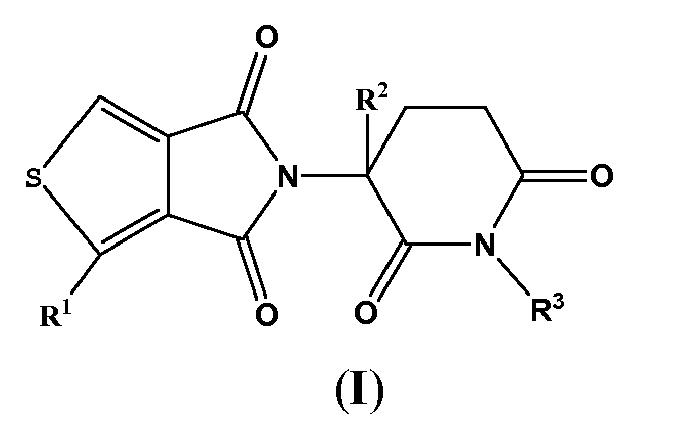
an organic salt thereof, or an inorganic salt thereof, wherein
R1 represents H, C1-6alkyl, OR4, OC(O)R5, NO2, NHC(O)R6, or NR7R8;
R2 represents H, a halogen, or C1-6alkyl;
R3 represents H, methyl, isopropyl, allyl, benzyl, CH2CO2 (C1-6alkyl), or CH2(CH2)nR9;
R4, R5, R6, R7, and R8 each independently and at each occurrence represent H, or C1-6 alkyl;
R9 represents H, C1-6alkyl, OH, C1-6alkyloxy, NH2, C1-6 alkylamino, N(C1-6alkyl)2, or CO2(C1-6alkyl); and
n represents 1, 2, 3, or 4.
an organic salt thereof, or an inorganic salt thereof, wherein
R1 represents H, C1-6alkyl, OR4, OC(O)R5, NO2, NHC(O)R6, or NR7R8;
R2 represents H, a halogen, or C1-6alkyl;
R3 represents H, methyl, isopropyl, allyl, benzyl, CH2CO2 (C1-6alkyl), or CH2(CH2)nR9;
R4, R5, R6, R7, and R8 each independently and at each occurrence represent H, or C1-6 alkyl;
R9 represents H, C1-6alkyl, OH, C1-6alkyloxy, NH2, C1-6 alkylamino, N(C1-6alkyl)2, or CO2(C1-6alkyl); and
n represents 1, 2, 3, or 4.
2. The derivative of claim 1, wherein R1 represents H, NO2, NH2, NHCH3, NHCH2CH3, N(CH3)2, or NHCOCH3.
3. The derivative of claim 1, wherein R2 represents H, or CH3.
4. The derivative of claim 1, wherein R3 represents H, methyl, ethyl, propyl, 2-hydroxylethyl, 3-hydroxylpropyl, 2-methoxylethyl,
methoxylcarbonylmethyl, ethoxylcarbonylmethyl.
5. A method for preparation of a derivative of claim 1 comprising reacting a compound
represented by formula (II) with a compound represented by formula (III):
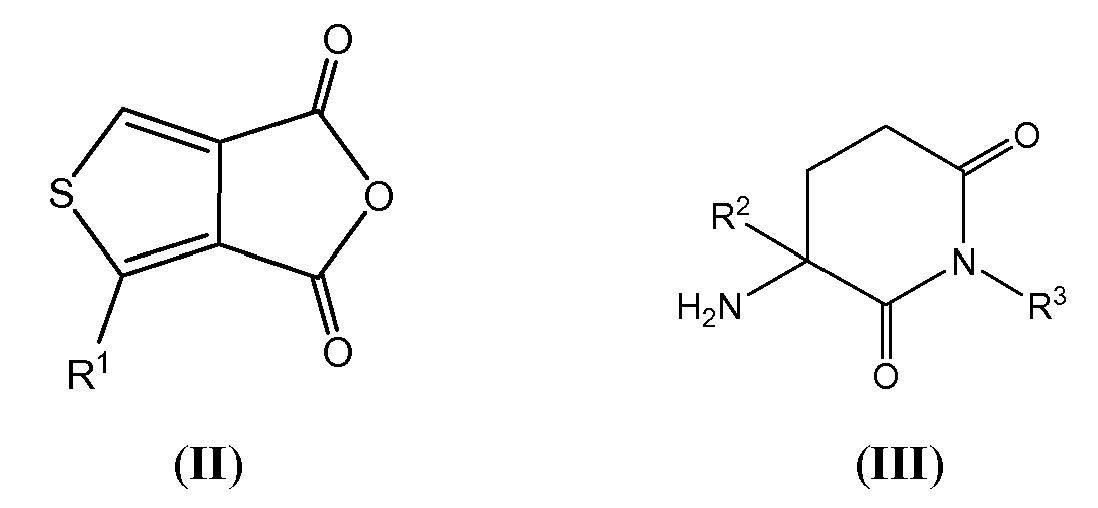
wherein
R1 represents H, C1-6alkyl, OR4, OC(O)R5, NO2, NHC(O)R6, or NR7R8;
R2 represents H, a halogen, or C1-6alkyl;
R3 represents H, methyl, isopropyl, allyl, benzyl, CH2CO2 (C1-6alkyl), or CH2(CH2)nR9;
R4, R5, R6, R7, and R8 each independently and at each occurrence represent H, or C1-6 alkyl;
R9 represents H, C1-6alkyl, OH, C1-6alkyloxy, NH2, C1-6 alkylamino, N(C1-6alkyl)2, or CO2(C1-6alkyl); and
n represents 1, 2, 3, or 4.
wherein
R1 represents H, C1-6alkyl, OR4, OC(O)R5, NO2, NHC(O)R6, or NR7R8;
R2 represents H, a halogen, or C1-6alkyl;
R3 represents H, methyl, isopropyl, allyl, benzyl, CH2CO2 (C1-6alkyl), or CH2(CH2)nR9;
R4, R5, R6, R7, and R8 each independently and at each occurrence represent H, or C1-6 alkyl;
R9 represents H, C1-6alkyl, OH, C1-6alkyloxy, NH2, C1-6 alkylamino, N(C1-6alkyl)2, or CO2(C1-6alkyl); and
n represents 1, 2, 3, or 4.
6. A method for preparation of a derivative of claim 1, comprising reacting a compound
represented by formula (V)
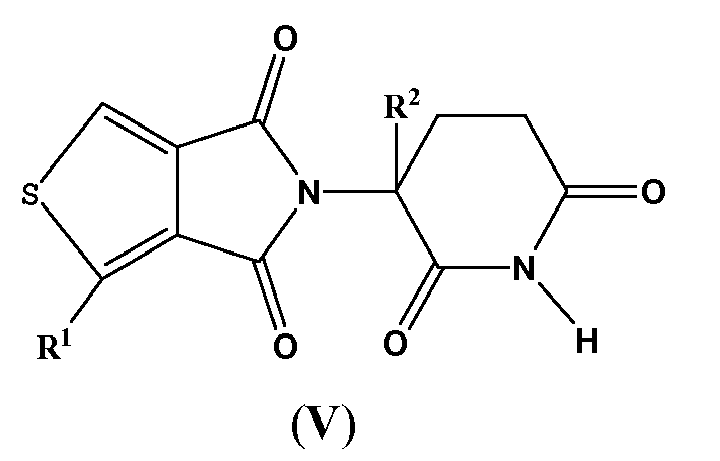
with a compound represented by formula X-R3 in the presence of a base,
wherein
R1 represents H, C1-6alkyl, OR4, OC(O)R5, NO2, NHC(O)R6, or NR7R8;
R2 represents H, a halogen, or C1-6alkyl;
R3 represents H, methyl, isopropyl, allyl, benzyl, CH2CO2 (C1-6alkyl), or CH2(CH2)nR9;
R4, R5, R6, R7, and R8 each independently and at each occurrence represent H, or C1-6 alkyl;
R9 represents H, C1-6alkyl, OH, C1-6alkyloxy, NH2, C1-6 alkylamino, N(C1-6alkyl)2, or CO2(C1-6alkyl);
n represents 1, 2, 3, or 4; and
X represents Cl, Br, I, Ms, or Ts.
with a compound represented by formula X-R3 in the presence of a base,
wherein
R1 represents H, C1-6alkyl, OR4, OC(O)R5, NO2, NHC(O)R6, or NR7R8;
R2 represents H, a halogen, or C1-6alkyl;
R3 represents H, methyl, isopropyl, allyl, benzyl, CH2CO2 (C1-6alkyl), or CH2(CH2)nR9;
R4, R5, R6, R7, and R8 each independently and at each occurrence represent H, or C1-6 alkyl;
R9 represents H, C1-6alkyl, OH, C1-6alkyloxy, NH2, C1-6 alkylamino, N(C1-6alkyl)2, or CO2(C1-6alkyl);
n represents 1, 2, 3, or 4; and
X represents Cl, Br, I, Ms, or Ts.
7. A method for preparation of a derivative of claim 1, wherein R1 represents an amino group, comprising reducing a compound represented by formula
(I)
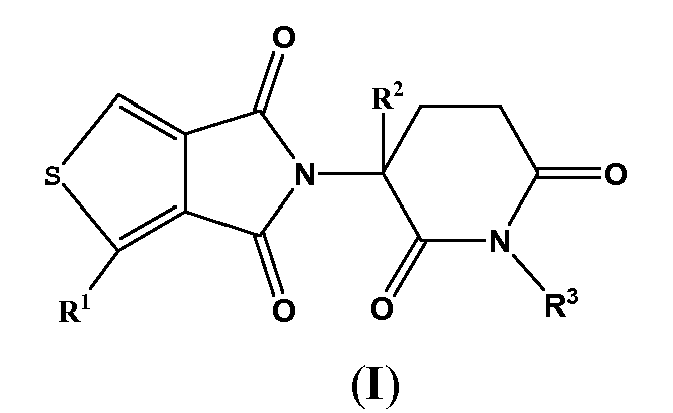
wherein
R1 represents a nitrile;
R2 represents H, a halogen, or C1-6alkyl;
R3 represents H, methyl, isopropyl, allyl, benzyl, CH2CO2 (C1-6alkyl), or CH2(CH2)nR9;
R4, R5, R6, R7, and R8 each independently and at each occurrence represent H, or C1-6 alkyl;
R9 represents H, C1-6alkyl, OH, C1-6alkyloxy, NH2, C1-6 alkylamino, N(C1-6alkyl)2, or CO2(C1-6alkyl); and
n represents 1, 2, 3, or 4.
wherein
R1 represents a nitrile;
R2 represents H, a halogen, or C1-6alkyl;
R3 represents H, methyl, isopropyl, allyl, benzyl, CH2CO2 (C1-6alkyl), or CH2(CH2)nR9;
R4, R5, R6, R7, and R8 each independently and at each occurrence represent H, or C1-6 alkyl;
R9 represents H, C1-6alkyl, OH, C1-6alkyloxy, NH2, C1-6 alkylamino, N(C1-6alkyl)2, or CO2(C1-6alkyl); and
n represents 1, 2, 3, or 4.
8. A method of treating or curing a disease caused by or associated with elevated levels
of TNFα in a patient comprising administering to the patient a derivative of claim
1, or an organic or inorganic salt thereof.
9. The method of claim 8, wherein the derivative or an organic or inorganic salt thereof
is administered by a mode of administration selected from gastrointestinal, oral,
intravenous, abdominal, dermal, intramuscular, nasal, ocular, pulmonary, anal, vaginal,
or transdermal.
10. The method of claim 8, wherein the derivative or an organic or inorganic salt thereof
is administered in combination with other active pharmaceutical compounds.
REFERENCES CITED IN THE DESCRIPTION
This list of references cited by the applicant is for the reader's convenience only. It does not form part of the European patent document. Even though great care has been taken in compiling the references, errors or omissions cannot be excluded and the EPO disclaims all liability in this regard.
Non-patent literature cited in the description
- TRACEY et al.Nature, 1987, vol. 330, 662-4 [0005]
- HINSHAW et al.Circ Shock, 1990, vol. 30, 279-92 [0005]
- DEZUBE et al.Laucet, 1990, vol. 335, 8690662- [0006]
- MILLAR et al.Laucet, 1989, vol. 2, 8665712-714 [0007]
- Calci. Tissue Int. (US, 1990, vol. 46, 3-10 [0008]
- HOLLER et al.Blood, 1990, vol. 75, 41011-1016 [0008]
- GRAU et al.N. Engl. J. Med., 1989, vol. 320, 241586-91 [0009]
- BETOLINNI et al.Nature, 1986, vol. 319, 516-8 [0010]
- PIGNET et al.Nature, 1990, vol. 344, 245-7 [0011]
- BISSONNETTE et al.Inflammation, 1989, vol. 13, 3329-339 [0011]
- BAUGHMAN et al.J. Lab. Clin. Med., 1990, vol. 115, 136-42 [0011]
- UADDER et al.PNAS, 1990, vol. 87, 2643-6 [0013]
- DUH et al.Proc. Nat. Acad. Sci., 1989, vol. 86, 5974-8 [0014]
- POLL et al.Proc. Nat. Acad. Sci., 1990, vol. 87, 782-5 [0014]
- MONTO et al.Blood, 1990, vol. 79, 2670- [0014]
- POLL et al.AIDS Res. Human Retrovirus, 1992, 191-197 [0014]
- LOMECHENGDrugs of the futune, 1992, vol. 17, 9799-807 [0015]
- YU YANYANChinese Journal of Internal Medicine, 1996, vol. 35, 28-31 [0015]
- Journal of Qiqihar Medical Colleg, 2001, vol. 22, 101119-1120 [0016]
- YOSHIOKA et al.Hepatology, 1989, vol. 10, 769-777 [0016]
- WANG XIN et al.Chinese Journal of Infectious Diseases, 1997, vol. 15, 285-88 [0016]
- ABBOUD H.E.Kidney Int., 1993, vol. 43, 252-267 [0017]
- EGIDO J. et al.Kidney Int., 1993, vol. 43, 3959-64 [0017]
- CAMMUSI G. et al.Kidney Int., vol. 43, 3932-36 [0017]