|
(11) | EP 2 706 121 A1 |

| (12) | EUROPEAN PATENT APPLICATION |
|
|
|
|
|||||||||||||||||||||||
|
||||||||||||||||||||||||
| (54) | Enzymatic substrate building blocks for multiple detection systems |
| (57) An inventive substrate is provided which includes a substrate compound of formula
A-B1-B2-B3-B4: wherein A is a sugar moiety; B1 is a linker moiety allowing the conjugation of moiety A and the remaining structure
of the substrate; B2 is a linker moiety with a free reactive amino group so as to be available for reaction
with carboxylic acids or detectable tags; B3 contains a permanently charged element such as a quaternary ammonium group so as
to increase sensitivity for mass spectrometry analysis; and B4 of various carbon length conferring specificity amongst individual substrates in
detection methods. Also provided is a molecule of the formula B1-B2-B3-B4, with similar structural characteristics to an enzymatic product produced by the
action of a target enzyme on an inventive substrate. Further provided are methods
for using inventive substrates for detecting enzymatic activity. |
CROSS-REFERENCE TO RELATED APPLICATIONS
[0001] This application claims priority of United States Provisional Patent Application Serial No. 61/036,211 filed March 13, 2008, which is incorporated herein by reference.
FIELD OF THE INVENTION
[0002] The present invention relates to analytical reagents for detecting enzymatic activity using detection methods such as mass spectrometry, immunoassay, and high performance liquid chromatography. In one aspect, the present invention relates to substrates for detecting lysosomal enzyme activity.
BACKGROUND OF THE INVENTION
[0003] Lysosomal storage disorders are a group of inherited disorders characterized by deficiencies in specific enzymes in the body, which results in the body's inability to break down metabolic substances. As an example, Fabry disease is a lysosomal storage disorder seen in one out of every 40,000 people. It is caused by a deficiency in the enzyme alpha-galactosidase which results in the body's inability to break down specific fatty substances called globotriaosylceramides. A second example is Gaucher disease, a lysosomal storage disorder caused by an inability to break down fatty substances or lipids called glucosylceramides (also called glucocerebrosides). Individuals with Gaucher disease do not make glucocerebrosidase, an enzyme needed to break down these fatty substances. These fatty substances then accumulate in cells of the liver, spleen, and bone marrow. A third example is Pompe disease, a lysosomal storage disorder caused by a deficiency in the enzyme acid alpha-glucosidase, which is needed to break down certain sugars called glycogen. When the enzyme acid alpha-glucosidase is missing, glycogen accumulates in various tissues and organs in the body.
[0004] Lysosomal storage disorders are, for the most part, childhood disorders although some manifest in adulthood. In most of them, patients are normal at birth and have progressive neurological deterioration beginning at some later time. The clinical phenotype depends on the type and severity of the biochemical defect. Some of these lysosomal disorders, such as Pompe disease and Krabbe disease, manifest primarily in infancy. There have been ongoing efforts in developing methods to detect such disorders before the onset of clinical symptoms so that therapeutic interventions can be initiated.
[0005] Over the past decade laboratories that test for metabolic disorders have introduced tandem mass spectrometry into their newborn screening programs. Tandem mass spectrometry continues to gain popularity in the clinic because this technology allows for assay of many metabolites in a single sample. For example, this technology has been implemented as a routine clinical practice for the detection of hereditary metabolic disorders in newborns using dry blood spot samples (Schulze A et al., Pediatrics 2003; 111:1399-406). Although lysosomal enzyme activities can be quantified using tandem mass spectrometry (Gelb MH et al., Clinical Chemistry 50:10, 1785-1796, 2004), published assay methods have not been readily adaptable to a clinical setting due to cumbersome procedures and harsh assay components such as chloroform.
[0006] A second commonly used clinical assay protocol is the enzyme linked immunosorbent assay (ELISA). Several biomarkers are presently used to detect and monitor Gaucher disease (see, for example Aerts, JM, and Hollack, CD, Bailliere's Clin. Haematol, 1997; 10:691-709; Deegan PB, et al., Blood Cells Mol Dis, 2005; 35:259-67; Beutler, E, et al., J Exp Med, 1976; 143:975-80). An ELISA for detection of antibodies to aglucerase in which the active component is modified glucocerebrosidase has also been reported (Richards SM, et al., Blood, 1993; 82:1402; Rosenberg, M. et al, Blood, 1999; 93: 2081-2088). However, these assays do not directly detect lysosomal enzyme activity, and instead detect levels of indirect markers of disease.
[0007] Thus, there is a continuing need for improving the methods and compositions for detecting lysosomal disorders.
SUMMARY OF THE INVENTION
[0008] Improved compositions and processes for detecting enzymatic reactions using detection systems such as mass spectrometry, immunoassay, and high performance liquid chromatography are provided according to embodiments of the present invention.
[0009] The invention provides chemical compounds useful for assessing the level of lysosomal enzyme activity in a sample. Testing of lysosomal enzyme activity is useful, for example, when screening for metabolic disorders in newborns as well as when assessing an individual having a medical condition affecting enzyme activity or one undergoing a medical treatment such as enzyme replacement therapy, gene therapy, or bone marrow transplantation. The chemical compounds described herein include substrates for target enzymes and related molecules useful as controls or standards in enzyme assays.
[0010] An inventive substrate has the general formula A-(B1-B2-B3-B4) where A is a monosaccharide or a disaccharide and B1 is a C1-C20 alkyl, C1-C20 having a substituted C6-C20 aryl, C6-C20 heterocyclic containing a heteroatom of N, O or S; B2 is an amino acid; 2,6-diaminohexanoic acid; or
where R1' is a C1-C20 alkyl; C4-C20 ether; C1-C20 alkyl having a substituent of N, O, or S; heteroatom C6-C20 aryl, C1-C20 carbonyl, C1-C20 amidyl, C1-C20 ether, C6-C20 aryl, C6-C20 heterocyclic containing a heteroatom of N, O, or S; X is a nullity, oxygen, sulfur, or nitrogen; R2' is a nullity or C1-C20 alkyl, C4-C20 ether; C1-C20 alkyl having a substituent of N, O, or S; C1-C20 ester; C1-C20 alcohol; C1-C20 alkenyl; heteroatom C6-C20 aryl, C6-C20 heterocyclic containing a heteroatom of N, O or S; Y is a carbon, nitrogen, oxygen, or sulfur nucleophilic group; and n is an integer between 1 and 30.
[0011] B3 is
where R1 is a C1-C20 alkyl; C4-C20 ether; C1-C20 alkyl having a substituent of N, O, or S; heteroatom C6-C20 aryl, C1-C20 carbonyl, C1-C20 amidyl, C1-C20 ether, C6-C20 aryl, C6-C20 heterocyclic containing a heteroatom of N, O, or S; R2 is independently in each occurrence a H, a C1-C20 alkyl, a C2-C20 alkyl having a substituent of C1-C20 alkyl; X is independently in each occurrence a nullity, oxygen, sulfur, or nitrogen; R3 is independently in each occurrence a nullity, C1-C20 alkyl, C1-C20 having a substituted C6-C20 aryl, C6-C20 heterocyclic containing a heteroatom of N, O or S; n is an integer between 0 and 30, inclusive; R4 is independently in each occurrence a nullity, C1-C20 alkyl, C1-C20 having a substituted C6-C20 aryl, C1-C20 carbonyl, C1-C20 amidyl, C1-C20 ether, C6-C20 aryl, C6-C20 heterocyclic containing a heteroatom of N, O, or S; and B4 is a nullity or C1-C20 alkyl, C4-C20 ether; C1-C20 alkyl having a substituent of N, O, or S; C1-C20 ester; C1-C20 alcohol; C1-C20 alkenyl; heteroatom C6-C20 aryl, C6-C20 heterocyclic containing a heteroatom of N, O or S.
[0012] Also provided are compounds of the general formula, which are useful, for example, as controls or standards in enzyme assays:
B1-B2-B3-B4 (I)
where B1 is a C1-C20 alkyl, C1-C20 having a substituted C6-C20 aryl, C6-C20 heterocyclic containing a heteroatom of N, O or S; B2 is an amino acid; 2,6-diaminohexanoic acid; or
where R1' is a C1-C20 alkyl; C4-C20 ether; C1-C20 alkyl having a substituent of N, O, or S; heteroatom C6-C20 aryl, C1-C20 carbonyl, C1-C20 amidyl, C1-C20 ether, C6-C20 aryl, C6-C20 heterocyclic containing a heteroatom of N, O, or S; X is a nullity, oxygen, sulfur, or nitrogen; R2' is a nullity or C1-C20 alkyl, C4-C20 ether; C1-C20 alkyl having a substituent of N, O, or S; C1-C20 ester; C1-C20 alcohol; C1-C20 alkenyl; heteroatom C6-C20 aryl, C6-C20 heterocyclic containing a heteroatom of N, O or S; Y is a carbon, nitrogen, oxygen, or sulfur nucleophilic group; and n is an integer between 1 and 30.
[0013] B3 is
where R1 is a C1-C20 alkyl; C4-C20 ether; C1-C20 alkyl having a substituent of N, O, or S; heteroatom C6-C20 aryl, C1-C20 carbonyl, C1-C20 amidyl, C1-C20 ether, C6-C20 aryl, C6-C20 heterocyclic containing a heteroatom of N, O, or S; R2 is independently in each occurrence a H, a C1-C20 alkyl, a C2-C20 alkyl having a substituent of C1-C20 alkyl; X is independently in each occurrence a nullity, oxygen, sulfur, or nitrogen; R3 is independently in each occurrence a nullity, C1-C20 alkyl, C1-C20 having a substituted C6-C20 aryl, C6-C20 heterocyclic containing a heteroatom of N, O or S; n is an integer between 0 and 30, inclusive; R4 is independently in each occurrence a nullity, C1-C20 alkyl, C1-C20 having a substituted C6-C20 aryl, C1-C20 carbonyl, C1-C20 amidyl, C1-C20 ether, C6-C20 aryl, C6-C20 heterocyclic containing a heteroatom of N, O, or S; and B4 is a nullity or C1-C20 alkyl, C4-C20 ether; C1-C20 alkyl having a substituent of N, O, or S; C1-C20 ester; C1-C20 alcohol; C1-C20 alkenyl; heteroatom C6-C20 aryl, C6-C20 heterocyclic containing a heteroatom of N, O or S.
BRIEF DESCRIPTION OF THE DRAWINGS
[0014] Figure 1 is an exemplary substrate structure for detecting lysosomal storage disorders and illustrative method of synthesis.
[0015] Figure 2 is an exemplary substrate structure for detecting lysosomal storage disorders of general composition and an illustrative method of synthesis.
[0017] Figure 4 is an exemplary substrate structure highlighting multiple functional centers amenable to multiple detection methods.
[0019] Figure 6 is an alternative method of detecting enzymatic activities using double labeling of an inventive substrate.
[0020] Figure 7 is an inventive method of detecting enzymatic reactions using mass spectrometry that is advantageous in comparison to a prior art reference method.
DETAILED DESCRIPTION OF THE PREFERRED EMBODIMENTS
[0021] The present invention has utility as an analytical reagent composition for detecting acid hydrolase enzyme activity, such as lysosomal enzyme activities associated with lysosomal storage disorders. Through the application of enzyme substrates and related compounds useful as experimental controls or standards, that are readily dissolvable in solutions adaptable for analytical methods such as mass spectrometry, HPLC and immunoassay, detecting enzyme activities associated with lysosomal storage diseases is more practical and less cumbersome.
[0022] The present invention provides substrates specific for lysosomal enzymes illustratively including acid α-galactosidase A (GLA), acid β-glucocerebrosidase (ABG), galactocerebroside α-galactosidase (GALC) and acid α-glucosidase (GAA). The action of these enzymes toward inventive substrates is used to measure the corresponding enzyme activities in a sample, and thus, these substrates can be used to detect lysosomal storage disorders including Fabry (GLA), Gaucher (ABG), Krabbe (GALC) and Pompe (GAA).
[0023] An inventive substrate has the general formula of A-(B1-B2-B3-B4) where A is a monosaccharide or a disaccharide and B1 is a C1-C20 alkyl, C1-C20 having a substituted C6-C20 aryl, C6-C20 heterocyclic containing a heteroatom of N, O or S; B2 is an amino acid; 2,6-diaminohexanoic acid; or
where R1' is a C1-C20 alkyl; C4-C20 ether; C1-C20 alkyl having a substituent of N, O, or S; heteroatom C6-C20 aryl, C1-C20 carbonyl, C1-C20 amidyl, C1-C20 ether, C6-C20 aryl, C6-C20 heterocyclic containing a heteroatom of N, O, or S; X is a nullity, oxygen, sulfur, or nitrogen; R2' is a nullity or C1-C20 alkyl, C4-C20 ether; C1-C20 alkyl having a substituent of N, O, or S; C1-C20 ester; C1-C20 alcohol; C1-C20 alkenyl; heteroatom C6-C20 aryl, C6-C20 heterocyclic containing a heteroatom of N, O or S; Y is a carbon, nitrogen, oxygen, or sulfur nucleophilic group; and n is an integer between 1 and 30.
[0024] B3 is
where R1 is a C1-C20 alkyl; C4-C20 ether; C1-C20 alkyl having a substituent of N, O, or S; heteroatom C6-C20 aryl, C1-C20 carbonyl, C1-C20 amidyl, C1-C20 ether, C6-C20 aryl, C6-C20 heterocyclic containing a heteroatom of N, O, or S; R2 is independently in each occurrence a H, a C1-C20 alkyl, a C2-C20 alkyl having a substituent of C1-C20 alkyl; X is independently in each occurrence a nullity, oxygen, sulfur, or nitrogen; R3 is independently in each occurrence a nullity, C1-C20 alkyl, C1-C20 having a substituted C6-C20 aryl, C6-C20 heterocyclic containing a heteroatom of N, O or S; n is an integer between 0 and 30, inclusive; R4 is independently in each occurrence a nullity, C1-C20 alkyl, C1-C20 having a substituted C6-C20 aryl, C1-C20 carbonyl, C1-C20 amidyl, C1-C20 ether, C6-C20 aryl, C6-C20 heterocyclic containing a heteroatom of N, O, or S; and B4 is a nullity or C1-C20 alkyl, C4-C20 ether; C1-C20 alkyl having a substituent of N, O, or S; C1-C20 ester; C1-C20 alcohol; C1-C20 alkenyl; heteroatom C6-C20 aryl, C6-C20 heterocyclic containing a heteroatom of N, O or S.
[0025] Specificity of the inventive substrate for a particular lysosomal enzyme is provided in part by structural variations in the sugar moiety A such as A being a monosaccharide or a disaccharide. Exemplary sugar moieties include α-D-Glucose for detecting Pompe disease; β-D-Glucose for detecting Gaucher disease; α-D-Galactose for detecting Fabry disease; and β-D-Galactose for detecting Krabbe disease.
[0026] B1 is a linker moiety which functions to allow conjugation of the sugar moiety A to the remaining structure of the substrate. B1 also functions as a spacer between the sugar moiety A and the remaining structure of the substrate so as to provide flexible access for a target enzyme. The linker arm B1 can be designed so as to confer relatively hydrophilic characteristics. Particularly, the linker arm B1 can have a hydrophenol structure. Thus, an inventive substrate of the general formula of A-B1- B2-B3-B4 can be hydrophilic in a solvent such as pure methanol or pure ethanol. The B1-B2-B3-B4 moiety in toto generally is hydrophilic. As such, the inventive substrates can be soluble in aqueous buffer systems.
[0027] B2 provides a nucleophilic group(s) for interactions with a solid support or detectable tag, such as a fluorescent tag. Preferably, B2 is a derivative of an alkyl diamino acid, such as 2,6-diaminohexanoic acid. In the case of 2, 6-diaminohexamoic acid, the 6-amino group optionally serves as a nucleophile for binding to a solid support or detectable tag.
[0028] A quaternary ammonium group is a component of B3. Upon an enzymatic reaction, a cleaved product of B1-B2-B3-B4 carries with it a permanent positive charge located on the B3. This property results in robust signal in tandem mass spectrometry analysis. Additionally, the permanent charge makes the inventive substrate more soluble in aqueous solutions so as to avoid the need for using solvents such as chloroform. In comparison to previously described substrates, a substrate according to the present invention is generally more hydrophilic and requires less or no need for detergents. This results in simplified assay procedures because, like the use of chloroform, the use of detergents can require cumbersome clean up steps including the labor-intensive liquid-liquid and solid phase extractions.
[0029] An inventive substrate is structurally terminated by a B4 group. B4 can be structurally tailored to provide different chain lengths. Such different chain lengths are useful for distinguishing different substrates, as well as enzymatic products thereof, from each other in enzyme assays. For example, in mass spectrometry, a substrate containing a 13 carbon atom chain has a different mass-to-charge ratio than a substrate containing a 14 carbon atom chain and as such, substrates containing 13 carbon atom or 14 carbon atom chains can be distinguished. Similarly, in immunoassay formats, substrates having differing chain lengths can be distinguished using antibodies selective for particular chemical moieties.
[0030] In one embodiment, the invention provides a reagent of formula A-B1-B2-B3-B4 wherein A is a monosaccharide or a disaccharide and preferably an aldohexose or a ketohexose; B1 is a phenol, a nitrophenol, or a phenyl ester such as a phenyl benzoate; B2 contains an alkyl group such as the amino acid lysine; B3 contains a pendent quaternary ammonium cation extending from structure that prior to condensation to B1 alone or also with a B4 tail is carnitine.
[0031] The present invention provides methods for detecting enzyme activity. The activity of a particular enzyme can be assessed by its capability or rate of acting on a cognate substrate to product enzymatic products. In the case of an inventive substrate, action of a target enzyme on substrate A-B1-B2-B3-B4 results in generation of two products: A and B1-B2-B3-B4. By determining the amount of an enzymatic product, such as B1-B2-B3-B4, in a sample, the activity of the target enzyme can be determined. For applications in which a quantitative assessment of B1-B2-B3-B4 amount is desired, a known amount of an internal standard corresponding to B1-B2-B3-B4, as is described in more detail below, can be included in the sample. As such, the invention provides compounds having the general formula of B1-B2-B3-B4.
[0032] The activities of certain lysosomal enzymes in the blood of an individual can be used to test whether that individual has a lysosomal storage disorder. Therefore, the invention provides substrates for detecting medical conditions, in particular, lysosomal storage disorders such as Pompe disease, Gaucher disease, Fabry disease and Krabbe disease. For detecting Pompe disease, an exemplary sugar moiety is α-D-glucose and an exemplary B1-B2-B3-B4 portion is 4-aminophenyl-diaminohexanoyl-cartnitinyl-alkyl chain with B4 of 10-20 carbons. For detecting Gaucher disease, an exemplary sugar moiety is β-D-glucose and an exemplary B1-B2-B3-B4 portion is 4-aminophenyl-diaminohexanoyl-carnitinyl-alkyl with B4 of 10-20 carbons in length. For detecting Fabry disease, an exemplary sugar moiety is α-D-galactose and an exemplary B1-B2-B3-B4 portion is 4-aminophenyl-diaminohexanoyl-carnitinyl-alkyl with B4 of 10-20 carbons in length. For detecting Krabbe disease, an exemplary sugar moiety is β-D-galactose and an exemplary B4 portion is 4-aminophenyl-diaminohexanoyl-carnitinyl-alkyl with B4 of 10-20 carbons in length. A specific example of an inventive substrate specific for detecting Krabbe disease has a group A of β-D-Galactose, a group B1 of a methyl, a group B2 of an amidylaminoacyl group, a group B3 of a amidyl terminating with a quaternary ammonium, and group B4 of alkenyl alcohol with a carbon length of 12 to 20. A specific example of an inventive substrate for detecting Gaucher disease has a group A of β-D-Glucose, a group B1 of a methyl, a group B2 of an amidylaminoacyl group, a group B3 of a amidyl terminating with a quaternary ammonium, and group B4 of alkenyl alcohol with a carbon length of 12 to 20.
[0033] An inventive substrate can be tailored for assaying a variety of enzymes, in particular, enzymes associated with a disease state or birth detect, or one otherwise useful for medical purposes. Such tailoring is possible because a variety of monosaccharide and disaccharide groups can be present at A of the general formula A-B1-B2-B3-B4. Even for a newly identified target enzyme, once its specificity for monosaccharide and/or disaccharide groups is determined using routine methods, an inventive substrate can be readily prepared using guidance provided herein. Non-limiting examples of enzymes which can be assayed using an inventive substrate as described herein include acid α-galactosidase A, acid β-glucocerebrosidase, acid galactocerebroside α-galactosidase, acid sphingomyelinase, and acid α-glucosidase
[0034] As it is envisioned in the present invention, one can synthesize substrates with different sugars, each specific to a particular lysosomal enzyme, and each having a different chain length in subgroup B2 or B4. This inventive system provides for optional multiplex assays where two or more lysosomal enzymes are analyzed in the same sample or sample receptacle using structurally similar yet enzyme specific substrates.
[0035] The present invention provides compounds that function as experimental controls or standards useful for assessing the amount of enzymatic product in a sample or sample receptacle. For use in mass spectrometry methods, an internal standard corresponding to a particular inventive substrate is structurally identical to its enzymatic product, except that the internal standard differs in mass-to-charge (m/z) ratio. Thus, the internal standards of the present invention include modified forms of enzymatic products, for example, stable isotope-labeled analogs of enzymatic products in which one or more atoms are replaced by corresponding atomic isotopes so as to create a shift in the mass. When the internal standard and enzymatic product are analyzed by mass spectrometry, the resulting spectrum reveals a spatial separation of the internal standard and enzymatic product, each represented by its own peak. The known amount of internal standard is reflected by peak magnitude at its known m/z ratio. The amount of enzymatic product can be assessed by comparison of peak magnitude at its known m/z, relative to the peak magnitude of the internal standard. An example of isotopic labeling to produce an internal standard is the replacement of 1H on an acyl group of B4 with 2D. As a result, a "heavier" internal standard molecule with the substituted 2D has a different m/z from the enzymatic product, as detected on a mass spectrum.
[0036] In a particular embodiment, an internal standard is labeled with deuterium to cause a mass change of 3 to 9 Daltons from the corresponding cleaved product. In another particular embodiment, a combined B2-B3-B4 subgroup is a lysine-acylcarnitine with a positively charged quaternary ammonium moiety and the acyl tail is of carbon length from 12 to 18.
[0037] In one embodiment the inventive substrates are labeled with a detectable tag. Many fluorescent probes are recognized in the art as useful for labeling reactive amines. A particularly sensitive target for specific labeling of biomolecules is the side chain amino group of lysine. A preferred embodiment of the inventive substrates includes a lysine residue at position B2 that possess this active terminal amino group. Illustrative examples of detectable tags suitable for labeling the inventive substrates include fluorophores such as isothiocyanates, dansyl and other sulfonyl chlorides, 7-nitrobenz-2-oxa-1,3-diazole derivatives, fluorescamine, and the like.
[0038] An inventive substrate can be used in a variety of physical formats, for example, in solution as well as linked or immobilized to solid supports. A solid support can be composed of a natural or synthetic material, an organic or inorganic material, such as a polymer, resin, metal or glass, and combinations thereof. A suitable solid support can have a variety of physical formats, which can include for example, a membrane; column; a hollow, solid, semi-solid, pore or cavity-containing particle such as a bead; a gel; a fiber, including a fiber optic material; a matrix and sample receptacle. Non-limiting examples of sample receptacles include sample wells, tubes, capillaries, vials and any other vessel, groove or indentation capable of holding a sample. A sample receptacle can be contained on a multi-sample platform, such as a microplate, slide, microfluidics device, and the like. Many suitable particles are known in the art and illustratively include Luminex®-type encoded particles, encoded fiber optic particles, magnetic particles, and glass particles. Covalent interaction of an inventive substrate and/or enzymatic cleavage product thereof with a solid support is useful for retaining the substrate and/or product during washing procedures performed in some assay formats, thus, producing a robust and accurate signal of enzymatic activity.
[0039] When use of a solid support is desired for an assay format, the presence of the exemplary lysine group B2 can be used, for example, for covalent bonding to high-binding solid supports. High binding solid supports are surfaces having exposed moieties that are chemically active or otherwise capable of covalent or high affinity binding to an inventive substrate or internal standard. As an example, Corning Life Sciences produces high-binding microwell plates that are irradiated to break the benzene ring and produce exposed carboxylic acids. These carboxylic acids are amenable to nucleophilic attack such as by the terminal amino group on the lysine derivative component of a preferred embodiment substrate. This reaction is rapid and produces a tight interaction between the substrate/product and the high-binding surface.
[0040] The methods described herein can be performed in a multiplexed format such that a plurality of samples are assayed simultaneously. An illustrative multiplexed format involves using physically and/or chemically coded particles. Use of coded particles in multiplexed formats has been described, for example, in US 6,649,414 and US 6,939,720. Because the codes allow particles to be distinguished from each other, a plurality of distinct particles can be present in a single reaction mixture, allowing a plurality of different samples or different enzymes to be assayed simultaneously. Codes on particles can correspond, for example, to sample origins, particular enzymes to be assayed, particular substrates present, and the like, depending on the experimental goal of the user.
[0041] A sample useful in the methods of the invention contains or is suspected of containing one or more target enzymes. Target enzymes can be contained in samples obtained from an individual, as well as from laboratory materials, such as cell lines, and synthetic protein sources. Exemplary sample sources include tissue homogenates; cell culture lysates; biological fluids including urine, blood in liquid or dry form, tears, saliva, and cerebrospinal fluid. A sample can be further fractionated, if desired, to a fraction containing particular cell types. For example, a blood sample can be fractionated into serum or into fractions containing particular types of blood cells such as red blood cells or white blood cells (leukocytes). If desired, a sample can be a combination of samples from a subject such as a combination of a tissue and fluid sample, and the like. In a specific embodiment, the sample is blood, which can be, for example, whole blood or a blood fraction thereof, or reconstituted from a dry blood sample.
[0042] Methods for obtaining samples that preserve the activity or integrity of molecules in the sample are well known to those skilled in the art. Such methods include the use of appropriate buffers and/or inhibitors, including nuclease, protease and phosphatase inhibitors, which preserve or minimize changes in the molecules in the sample. Such inhibitors include, for example, chelators such as ethylenediamine tetraacetic acid (EDTA), ethylene glycol bis(P-aminoethyl ether)N,N,N1,Nl-tetraacetic acid (EGTA), protease inhibitors such as phenylmethylsulfonyl fluoride (PMSF), aprotinin, leupeptin, antipain and the like, and phosphatase inhibitors such as phosphate, sodium fluoride, vanadate and the like. Appropriate buffers and conditions for isolating molecules are well known to those skilled in the art and can be varied depending, for example, on the type of molecule in the sample to be characterized (see, for example, Ausubel et al. Current Protocols in Molecular Biology (Supplement 47), John Wiley & Sons, New York (1999); Harlow and Lane, Antibodies: A Laboratory Manual (Cold Spring Harbor Laboratory Press (1988); Harlow and Lane, Using Antibodies: A Laboratory Manual, Cold Spring Harbor Press (1999); Tietz Textbook of Clinical Chemistry, 3rd ed. Burtis and Ashwood, eds. W.B. Saunders, Philadelphia, (1999)). A sample also can be processed to eliminate or minimize the presence of interfering substances.
[0043] Samples in the form of a dry blood spot are commonly used when screening blood from newborns and children patients. To prepare these samples, blood is collected and retained on a filter paper. For analysis, the dried blood is eluted from the filter paper into an aqueous solution, which generally contains a buffer such as phosphate buffer saline and a protease inhibitor. Specific examples of protease inhibitor conditions include for example, include one or more of the following: AEBSF hydrochloride in a final concentration of 50 to 400 µg/ml, EDTA disodium dehydrate in a final concentration of 0.2 to 25 mg/ml, leupeptin hemisulfate in a final concentration of 0.5 to 1 µg/ml, and pepstatin A in a final concentration of 0.5 to 1 µg/ml. The use of a universal assay solution to extract a single dry blood sample, or other type of sample, for subsequent distribution into multiple assay reactions can be used for automatic and high throughput screening. A single extraction of a dry sample avoids the need to obtain several sample punches from the same sample, or to collect aliquots of other sample sources and accordingly reduces variation caused by inhomogeneous distribution of blood on the filter paper and errors in sample transfer. When using dry samples, extraction efficiency may vary with the different enzymes being analyzed. In these and other types of samples, the target enzymes may have different levels of activities when contained in different assay solutions. Composition of the inventive universal assay solution is optionally chosen such that each enzyme to be tested is active.
[0044] The inventive substrates and products can be used in a variety of assay formats. The substrate can be detected in an assay when it is desired to observe substrate consumption during an enzymatic assay, while the product can be detected in the assay when it is desired to observe its formation during an enzymatic assay. Both substrate and product can be detected when it is desired to observe the enzymatic reaction from both perspectives, for example, to confirm that the amount of product produced correlates with the amount of substrate consumed.
[0045] For example, the amount of substrate A-B1-B2-B3-B4 or product B1-B2-B3-B4 can be detected using established tandem mass spectrometry procedures. An exemplary enzyme assay employing mass spectrometry can be performed as follows. A sample is incubated with an inventive substrate for a time period that allows formation of an enzymatic product. During the incubation period, the substrate is cleaved by a target enzyme present in a blood sample to form a respective B1-B2-B3-B4 product. The reaction is then quenched by adding a reagent that precipitates protein components. Exemplary reagents include alcohol, acetonitrile and dilute trifluoro acetic acid. A portion of the incubation mixture is then transferred to a new assay vessel. Optionally, a dilution reagent such as methanol, acetonitrile, water-methanol mixtures or water-acetonitrile can be added to dilute the transferred portion. The sample so diluted reduces the amount of endogenous competing material so as to relatively increase the sensitivity of the tandem mass spectrometry analysis. Other types of reagents are selected by those skilled in the art to be compatible with tandem mass spectrometry analysis.
[0046] The diluted sample is directly injected into the tandem mass spectrometer either manually or automatically with the aid of autosamplers and liquid handlers. If desired, the sample can be derivatized prior to analysis. Reagents are selected to be non-hostile to the MS/MS system. For example, suitable solvents lack detergents and corrosive agents, such as chloroform. Pure ethanol and pure methanol are often used simply because they easily vaporized upon mechanical drying processes.
[0047] The tandem mass spectrometer can be set to simultaneously detect the added substrate, the corresponding resulting enzymatic product and the corresponding internal standards. Such detection is accomplished by means of parent ion scans, precursor ion scans or multiple reaction monitoring scans.
[0048] The amount of substrate A-B1-B2-B3-B4 or product B1-B2-B3-B4 formed during an enzymatic assay also can be detected using antibodies and other target-specific binding molecules. For immunoassays, an antibody can be used to detect the substrate, product or both. Antibodies useful in such methods can be specific, such that they recognize individual substrates, or non-specific, such that they recognize many or all substrates. An illustrative example is an antibody generated to the combination B1-B2 nitrophenol-lysine.
[0049] The antibody is illustratively produced in animals including mouse, rat, rabbit, horse, donkey, or other suitable animal used for the production of antibodies. In some applications, it is useful to label an antibody with a detectable tag, such as a fluorescent tag. When using an unlabeled antibody, detection can be performed by using a secondary antibody that is specific for the species IgG of the primary antibody is labeled illustratively with a fluorescent marker such as rhodamine. It is appreciated in the art that other antibody detection systems are similarly operable in the instant invention such as horseradish peroxidase labeled antibodies, or alkaline phosphatase labeled antibodies.
[0050] When testing multiple enzymes in a single sample by providing multiple enzyme-specific substrates, antibodies that recognize and distinguish between the substrates, or products thereof, and be used. Complexes of antibodies bound to enzyme-specific substrates, or products thereof, can be distinguished from each other using many methods. In one scenario, samples containing target enzymes are contacted with substrates linked to particles in an assay solution. In this example, each particle is linked to a particular substrate, and there are multiple particles representing each substrate. The target enzymes act on the substrates to produce products A and B1-B2-B3-B4. The B1-B2-B3-B4 product remains bound to the particle, while the A product is released into solution. Antibodies that recognize specific B1-B2-B3-B4 products are then contacted with the assay solution. The antibodies will bind to the products, if produced during the enzymatic assay, to produce particles having bound antibodies. To distinguish different products contained on the particles, antibodies having different product specificities can have different detectable moieties, such as different fluorescent tags. As an alternative to detecting enzymatic products, antibodies that recognize substrate A-B1-B2-B3-B4 can be used to detect substrate remaining on the beads after incubation with enzymes. In this situation, either product A or B1-B2-B3-B4 would remain attached to the bead, if an enzymatic reaction occurred. In either case the selected substrate specific antibody would not significantly cross-react with product attached to the bead.
[0051] In another scenario, samples containing target enzymes are contacted with substrates linked to encoded particles in an assay solution. The encoded particles have a feature, such as a bar code or optical profile, which allows them to be distinguished from each other. For example, encoded particles can have different bar codes corresponding to different target enzyme substrates. In the assay, the target enzymes act on the substrates to produce products A and B1-B2-B3-B4. The B1-B2-B3-B4 would remain bound to the particle, while the A product would be released into solution, or visa versa. Antibodies that recognize specific products are then contacted with the assay solution. Because the encoding of the particle indicates which substrate is attached to the particle, antibodies need not be specific for particular products, and thus one type of antibody can be used to detect products derived from multiple different substrates. Such non-specific antibodies will bind to the products, if produced during the enzymatic assay, to produce particles having bound antibodies. Particles having bound antibodies are then distinguished from those without antibodies, for example, by detecting a tag on the antibodies or physical behavior of the particles. The different products contained on the antibody-bound particles can be determined based on the encoding of each particle.
[0052] As another example of an immunoassay format, antibodies directed to particular substrates are generated. Following quenching of an enzymatic reaction, the reaction solution is transferred to a high-binding microtiter plate whereby the reactive B2 moiety covalently attaches to the plate via a terminal amino group. The enzyme and assay solution components are removed by washing. The specific primarily antibody is then incubated in each assay well followed by subsequent washing to remove unbound antibody. A secondary antibody is optionally used for detection and quantitation. The more product formed per unit time of initial reaction the greater the activity of the measured enzyme.
[0053] In an alternative immunoassay format, an antibody specific for the B1-B2 subgroup is optionally used as a capture antibody on the surface of the microtiter plate in a standard sandwich ELISA assay. A primary antibody with a unique epitope on the product such as one directed to the B4 moiety (or the B4 moiety is modified with a specific binding pair member such as biotin) is used for detection. As is recognized in the art, a labeled secondary antibody is optionally used for detection as described above.
[0054] In an additional immunoassay format, an exemplary antibody reacts with the α-D-glucose A group bound to the inventive hydrophenol B1 moiety. The substrate is attached to a solid support using a lysine B2 moiety. Alternatively, the substrate is provided in solution, the reaction is transferred to a sample receptacle, in which Following quenching of an exemplary enzymatic reaction, the reaction solution is transferred to a high-binding microtiter plate whereby the reactive B2 moiety covalently attaches to the receptacle via a terminal amino group. As another alternative, a capture antibody specific for an alternate epitope on the inventive product/substrate is employed. The unreacted enzyme and buffer components are removed by washing. The antibody specific to the A-B1-B2 moiety is then incubated in each assay well for detection and quantitation of remaining substrate. The greater the substrate remaining after the initial enzyme reaction, the lower the activity of the enzyme.
[0055] The antibody is illustratively unlabeled and produced in animals including mouse, rat, rabbit, horse, donkey, or other suitable animal used for the production of antibodies. A secondary antibody that is specific for the species IgG of the primary antibody is labeled illustratively with a fluorescent marker such as rhodamine and subsequently used for detection of remaining substrate. It is appreciated in the art that other antibody detection systems are similarly operable in the instant invention such as horseradish peroxidase labeled antibodies, or alkaline phosphatase labeled antibodies.
[0056] In another example of a suitable immunoassay format, monoclonal mouse antibody specific for the exemplary the α-D-glucose A group bound to the inventive hydrophenol B1 moiety and lysine B2 moiety is itself labeled illustratively by a fluorescent marker. In this system multiple lysosomal enzymes are optionally simultaneously analyzed for activity toward a variety of specific substrates. An illustrative example includes a two enzyme system wherein inventive substrate are employed, one specific for GLA and another specific for GAA. Each substrate is simultaneously added to the reaction with the biological sample. As each substrate optionally contains a lysine B2 group, both will similarly bind to the high-binding microtiter plate. Two antibodies, each specific for its respective inventive substrate are added to the microtiter plate following washing as above. Each antibody is illustratively labeled with a different fluorophore such as rhodamine or cyanine. As such the binding of each antibody is detected and quantitated without interference from the other, and the amount of each enzyme activity is detectable in the same well of the microtiter plate from the same sample.
[0057] Another illustrative assay format is performed using mass spectrometry. An assay for target enzymes is performed by first obtaining a sample illustratively including serum, plasma, whole blood, urea, saliva, other biological fluids or tissue lysates, recombinant or native purified enzyme in solution, or chemically or functionally modified enzyme in biological fluid or liquid medium. A portion of the filter paper sample is then excised and deposited in a non-binding assay tube or micro titer plate well to which an assay solution is added. The assay solution comprises aqueous buffers, a substrate, a standard, as well as protease inhibitors. The sample mixture is then incubated for a determined period of time in the range of 30 minutes to 20 hours at a particular temperature ranging from 30 to 41°C. Once incubation is complete, the enzymatic reaction is terminated by addition of a stopping solution. A stopping solution is illustratively 0.4 M glycine/NaOH pH 10.4 added at 6X reaction volume. Leonard R, et al., J. Biol. Chem., 2006; 281:4867-75; Boot, RG, et al., J. Biol. Chem., 2006; 282:1305-12. The amount of product formation is determined by transferring a known volume of sample to a high-binding assay tube or microtiter plate and incubated for 5 minutes to 2 hours. The unbound material is removed by washing. Detection of the intact substrates or products is illustratively performed using a coupled peroxidase enzyme approach. In a further scenario, the level of released glucose or galactose product is measured in real time by a coupled enzyme approach. A non-limiting example involves the release of glucose from an inventive substrate specific for alpha-glucosidase in diagnosis of Pompe disease. In this assay method glucose is reacted with glucose oxidase producing glucolactone and releasing hydrogen peroxide. The released hydrogen peroxide is detected by reaction with peroxidase to produce a fluorescent molecule that is measured on a standard fluorometer. Examples of suitable peroxidases are horseradish peroxidase or any other peroxidase known in the art. The hydrogen peroxide released by glucose oxidase interacts with a detector substrate molecule. The peroxidase catalyzes conversion of this substrate to a fluorescent product. A detector molecule suitable for use with the inventive substrates includes Amplex Red that is oxidized in to produce the fluorescent product resorufin. Amplex Red and kits for detecting free glucose are available from Invitrogen Corp. The increase in red fluorescent product is detected on a fluorometer set with an excitation wavelength at 571 and an emission wavelength at 585 with the band pass set at 5 nm. The greater amount of glycosidase activity the more rapidly the red fluorescent product is produced.
[0058] In a preferred embodiment multiple substrates for different lysosomal enzymes are generated with unique B1-B4 structure. This prevents product inhibition of one enzyme that is particularly important should the catalytic activity of one enzyme toward one inventive substrate be much greater than the catalytic activity of the other enzyme for its corresponding inventive substrate. This is additionally important in conditions where a single mutant glycosidase is being screened in a panel of substrates for 6 or more lysosomal enzymes. The product formed by the other lysosomal enzymes may inhibit the function of the lower activity enzyme such that its activity is not accurately measured. Thus, the specificity of the substrate and the product for each enzyme is appreciated to be optionally distinct.
[0059] When more than one enzyme is detected simultaneously by combining multiple substrates directed to respective enzymes, the substrates may differ not only in the type of sugar moiety which confers enzyme specificity, but also in the length of the B4 tail moiety. This is particularly important with the use of MS/MS as a detection tool since the differentiated inventive substrate molecules having corresponding differentiated mass index correspond to various enzymes being examined.
[0060] The approach described for assaying enzymes using substrate reagents, immunoassay, HPLC, and mass spectrometry according to the present invention may be broadly applied. The multiplex techniques may be expanded to assay dozens or more enzymes simultaneously in a single reaction, obviating the need for multiple assays to assist in confirming diagnoses of rare disorders. The method may be used to measure several enzymes simultaneously when evaluating the rate of chemical flux through a specific biochemical pathway or for monitoring biochemical signaling pathways. Because of the high sensitivity of the ESI-MS detection employed, which requires only sub-microgram quantities of the substrate reagents per assay, the synthesis of several hundred substrate reagents on a low-gram scale becomes practical and economical.
[0061] In a preferred embodiment two lysosomal enzymes are simultaneously measured for activity by the use of inventive substrates. In an alternative embodiment 2-6 lysosomal enzymes are simultaneously measured.
[0062] As another exemplary format for use of the inventive substrates, the substrates can be labeled with the same fluorophore, but possess significant mass or charge characteristics that differentiate one from the other. The amount of product produced following an enzymatic cleavage reaction is detected by reversed phase high performance liquid choromatography (HPLC). Reactions are quenched by the addition of alcohol, acetonitrile or dilute trifluoro acetic acid. A portion of the incubation mixture is transferred to a new assay vessel to which is added a neat solution such as methanol, acetonitrile, water-methanol mixtures or water-acetonitrile. The reaction products and unreacted substrate are separated on a 5 µm particle size C18 HPLC column and detected by a fluorescent detector or set of detectors. The amount of product is calculated based on a standard curve generated using increasing amounts of the relevant product.
[0063] It is appreciated in the art that multiple substrates for multiple enzymes are optionally simultaneously detected by the HPLC method. If substrates with sufficiently different mass or retention characteristics are used each product is resolvable in the HPLC column and can be quantified in a single assay. Alternatively, each substrate is labeled with a different fluorophore that has different or the same excitation or emission properties. Detection may be by a family of fluorescent detectors that can simultaneously quantify individual products from each other and their corresponding labeled substrate. Other methods of detection are similarly suitable and are known in the art.
[0064] Figure 1 shows α-D-glucose, modified with a 4-aminophenyl group is reacted with a di-protected lysine group. Methods for di-protecting lysine are known in the art and illustrative examples are described in WO 01/27074. The intermediate A-B1-B2 is formed which is specifically deprotected at the alpha-amino group to provide a suitable reactive site for subsequent synthetic steps. Methods of site-specific deprotection are known in the art. The alkyl chain is then added. An exemplary alkyl chain is provided by dodecyl-carnitine (B3-B4) which is synthetically added to the A-B1-B2 intermediate to form a full length substrate molecule (A-B1-B2-B3-B4). This substrate molecule is active as a GAA specific substrate and is optionally used in analyses involving mass spectrometry or other suitable assay and detection method. In another preferred embodiment, the 6-amino group on B2 is deprotected so as to produce a similarly reactive substrate. It is appreciated in the art that synthesis of numerous derivatives of the above illustrated substrate are similarly achieved such as by varying the carbon chain on the acylcarnitine, altering the sugar A group or the B1 group. Also, numerous derivatives of lysine (B2) or other alkyl groups are similarly suitable.
[0065] It is appreciated in the art that similar synthetic pathways are suitable for production of the inventive substrates. Figure 2 depicts a synthetic pathway similar to Figure 1 except for the protective groups and the choice of acylcarnitine whereby n is a value between 1 and 30. Preferably, n is between 1 and 20.
[0066] Figure 3 depicts an exemplary substrate structure for detecting lysosomal storage diseases. The structure is composed of a sugar (A) in the form of a glucose or a galactose and an aliphatic group B. Group B is further composed of a linker arm (B1) in the form of a nitrophenyl, a B2 subgroup of a lysine, a B3 subgroup of a carnitinyl, and a B4 subgroup in the form of an alkyl with carbon length in the range of 10 to 30. A quaternary ammonium cation located on the B3 subgroup avoids the need of further ionization otherwise needed for mass spectrometry detection.
[0067] Figure 4 depicts the multiple functional groups that provide multiple assay format detection of enzymatic activity. The terminal amino group on B2 is capable of forming covalent bonds with carboxylic acids on solid supports. The presence of the quaternary ammonium on B3 provides a permanently charged moiety such that subsequent ionization is not required for analysis by MS/MS providing a robust and easily detectable and quantifiable detection of lysosomal enzyme activity.
[0068] Figure 5 demonstrates a generic enzymatic reaction using an inventive substrate. Upon specific affinity binding and enzymatic reaction, the substrate is cleaved into two groups, a sugar moiety A and an aliphatic group B. The group B is optionally composed of a nitrophenyl, a lysine, a carnitinyl, and long-chain alkyl moieties. Both groups are optionally then analyzed by MS/MS. An internal standard is also concurrently subject to the MS/MS analysis. The internal standard is an isotopically labeled analog of B with deuterium to replace hydrogen atom(s) on a methyl group. Alternatively, the deprotected terminal amino group on B2 is reactive with a solid support such that the presence or absence of product is optionally detected using immunoassay methods. The deprotected terminal amine can also be derivatized with a fluorescent reagent for HPLC, or other suitable detection method.
[0069] Figure 6 illustrates exemplary inventive methods depicting detection of enzymatic reactions using mass spectrometry that are advantageous in comparison to prior art methods.
[0070] In the prior art, lysosomal enzyme substrates each require a unique synthetic pathway. In contrast, the inventive substrates can be synthesized using a common synthetic pathway. Having a common synthetic pathway for two or more of the inventive substrates means significant savings in production environments due to shorter and less complex production processes and the use of common raw materials. The inventive substrates also can be rapidly synthesized relative to the prior art. Synthesis is accomplished in as little as three steps. Synthesis of a preferred inventive substrate with specificity for the lysosomal enzyme GAA (Pompe disease) is illustrated in Figure 1.
[0071] It is further appreciated that the compound B1-B2-B3-B4 is also functional as an antagonist, an analytical control, or for clinical treatment of disease such as hypothyroidism, diabetes, and HIV. The B1-B2-B3-B4 molecule is: B1 is a C1-C20 alkyl, C1-C20 having a substituted C6-C20 aryl, C6-C20 heterocyclic containing a heteroatom of N, O or S; B2 is an amino acid; 2,6-diaminohexanoic acid; or
where R1' is a C1-C20 alkyl; C4-C20 ether; C1-C20 alkyl having a substituent of N, O, or S; heteroatom C6-C20 aryl, C1-C20 carbonyl, C1-C20 amidyl, C1-C20 ether, C6-C20 aryl, C6-C20 heterocyclic containing a heteroatom of N, O, or S; X is a nullity, oxygen, sulfur, or nitrogen; R2' is a nullity or C1-C20 alkyl, C4-C20 ether; C1-C20 alkyl having a substituent of N, O, or S; C1-C20 ester; C1-C20 alcohol; C1-C20 alkenyl; heteroatom C6-C20 aryl, C6-C20 heterocyclic containing a heteroatom of N, O or S; Y is a carbon, nitrogen, oxygen, or sulfur nucleophilic group; and n is an integer between 1 and 30.
[0072] B3 is
where R1 is a C1-C20 alkyl; C4-C20 ether; C1-C20 alkyl having a substituent of N, O, or S; heteroatom C6-C20 aryl, C1-C20 carbonyl, C1-C20 amidyl, C1-C20 ether, C6-C20 aryl, C6-C20 heterocyclic containing a heteroatom of N, O, or S; R2 is independently in each occurrence a H, a C1-C20 alkyl, a C2-C20 alkyl having a substituent of C1-C20 alkyl; X is independently in each occurrence a nullity, oxygen, sulfur, or nitrogen; R3 is independently in each occurrence a nullity, C1-C20 alkyl, C1-C20 having a substituted C6-C20 aryl, C6-C20 heterocyclic containing a heteroatom of N, O or S; n is an integer between 0 and 30, inclusive; R4 is independently in each occurrence a nullity, C1-C20 alkyl, C1-C20 having a substituted C6-C20 aryl, C1-C20 carbonyl, C1-C20 amidyl, C1-C20 ether, C6-C20 aryl, C6-C20 heterocyclic containing a heteroatom of N, O, or S; and B4 is a nullity or C1-C20 alkyl, C4-C20 ether; C1-C20 alkyl having a substituent of N, O, or S; C1-C20 ester; C1-C20 alcohol; C1-C20 alkenyl; heteroatom C6-C20 aryl, C6-C20 heterocyclic containing a heteroatom of N, O or S.
[0073] In an alternative embodiment the inventive substrates A-B1-B2-B3-B4 are optionally synthesized with a non-hydrolyzable link between A and B1. This produces suicide substrates that maintain high specificity for their target lysosomal enzyme whereby specificity is conferred by both the A and B4 moieties. These molecules serve as more specific and potent inhibitors of enzyme function.
[0074] Figure 1 shows α-D-glucose, modified with a 4-aminophenyl group is reacted with a differentially protected lysine group. Methods for differentially protecting lysine are known in the art and illustrative examples are described in WO 01/27074. The intermediate A-B1-B2 is formed which is specifically deprotected at the alpha-amino group to provide a suitable reactive site for subsequent synthetic steps. Methods of site-specific deprotection are known in the art. The alkyl chain is then added. An exemplary alkyl chain is provided by dodecyl-carnitine (B3-B4) which is synthetically added to the A-B1-B2 intermediate to form a full length substrate molecule (A-B1-B2-B3-B4). This substrate molecule is active as a GAA specific substrate and is optionally used in analyses involving mass spectrometry or other suitable assay and detection method. In another preferred embodiment, the 6-amino group on B2 is deprotected so as to produce a similarly reactive substrate. It is appreciated in the art that synthesis of numerous derivatives of the above illustrated substrate are similarly achieved such as by varying the carbon chain on the acylcarnitine, altering the sugar A group or the B1 group. Also, numerous derivatives of lysine (B2) or other alkyl groups are similarly suitable.
[0075] It is appreciated in the art that similar synthetic pathways are suitable for production of the inventive substrates. Figure 2 depicts a synthetic pathway similar to Figure 1 except for the protective groups and the choice of acylcarnitine whereby n is a value between 1 and 30. Preferably, n is between 1 and 20.
[0076] Figure 3 depicts an exemplary substrate structure for detecting lysosomal storage diseases. The structure is composed of a sugar (A) in the form of a glucose or a galactose and an aliphatic group B. Group B is further composed of a linker arm (B1) in the form of a nitrophenyl, a B2 subgroup of a lysine, a B3 subgroup of a carnitinyl, and a B4 subgroup in the form of an alkyl with carbon length in the range of 10 to 30. A quaternary ammonium cation located on the B3 subgroup avoids the need of further ionization otherwise needed for mass spectrometry detection.
[0077] Figure 4 depicts the multiple functional groups that provide multiple assay format detection of enzymatic activity. The terminal amino group on B2 is capable of forming covalent bonds with carboxylic acids on solid supports. The presence of the quaternary ammonium on B3 provides a permanently charged moiety such that subsequent ionization is not required for analysis by MS/MS providing a robust and easily detectable and quantifiable detection of lysosomal enzyme activity.
[0078] Figure 5 demonstrates a generic enzymatic reaction using an inventive substrate. Upon specific affinity binding and enzymatic reaction, the substrate is cleaved into two groups, a sugar moiety A and an aliphatic group B. The group B is optionally composed of a nitrophenyl, a lysine, a carnitinyl, and long-chain alkyl moieties. Both groups are optionally then analyzed by MS/MS. An internal standard is also concurrently subject to the MS/MS analysis. The internal standard is an isotopically labeled analog of B with deuterium to replace hydrogen atom(s) on a methyl group. Alternatively, the deprotected terminal amino group on B2 is reactive with a solid support such that the presence or absence of product is optionally detected using immunoassay methods. The deprotected terminal amine can also be derivatized with a fluorescent reagent for HPLC, or other suitable detection method.
[0079] Figure 6 illustrates exemplary inventive methods depicting detection of enzymatic reactions using mass spectrometry that are advantageous in comparison to prior art methods. The inventive method eliminates many steps inherent with the use of non-polar substrates and their relative internal standards. More specifically, the inventive method no longer needs steps to clean up non-polar solvent and or detergents the involvement of which is detrimental to mass spectrometry machinery. These steps include: the extraction of enzymatic products into chloroform by a liquid-liquid extraction step, the removal of the detergents by a silica-gel separation step, and the step of solid-phase extraction (SPE) process. These extra steps of the prior art add statistical error. Since the inventive substrates in accordance with the current invention are more polar in contrast to the prior art, polar solvents illustratively including pure methanol or pure ethanol are operative herein.
[0080] All reagents including the substrates, enzymatic products, and internal standards can be optionally purified by reverse-phase HPLC and characterized by ESI-MS, either in an online HPLC-MS assay or offline by collection of the appropriate fractions.
EXAMPLES
[0081] Example 1: For each sample, a disk of 3 mm diameter is punched from the areas of dried blood on a filter paper into a well of a 96-well microtiter plate. The blood disk is then incubated directly with an assay solution containing substrates directed to the Fabry disease at a final concentration of 5 µmol/L and internal standards at a final concentration of 0.1 µmol/L. To the assay solution, a final concentration of 0.5 mol/L sodium acetate buffer is also added. The assay mixture containing the blood disk is incubated for 15 to 24 hours at 37° Celsius with orbital shaking (150 rpm) in a thermostatic air shaker. After the incubation period, an aliquot of pure methanol is added to each tube or well to terminate the enzymatic reaction. Before going into the mass spectrometer, the incubated reaction mixture is diluted with pure methanol. For the mass spectrometry analysis, the electrospray source is operated in positive mode, and the ions are detected in parent-ion scan mode. The amount of enzymatic product is calculated from the ion abundance ratio of the product to the internal standard minus that of a blank.
[0082] Example 2: In an alternative embodiment the product of the reaction with the inventive substrates is quantified by immunoassay. Blood spotted on filter paper is reconstituted in buffer to liberate the active components. One or an array of inventive substrates are added to the reaction chamber and the reaction allowed to proceed overnight (∼14 hours). The reaction is quenched by the addition of 6X volume glycine/NaOH pH 10.4. A sample of each reaction is added to the wells of a high-binding irradiated microtiter plate and incubated overnight to allow sufficient binding of the reaction product to the wells of the plate. A standard curve of product in similar buffer/sample is also added to the plate to serve as a basis for quantitation. After complete binding to the surface of the plate, the wells are washed twice with phosphate buffered saline (PBS) by the use of a squirt bottle, plate washer, or any other automated or non-automated plate washing system. Any additional sites for protein binding are subsequently blocked by the addition of a blocking agent illustratively including 3% bovine serum albumin in PBS or any other synthetic or natural blocking agent known in the art. The blocking agent is incubated for two hours at room temperature. The wells are washed 3X with PBS. The primary antibody(s) is then added to the wells to recognize and bind the remaining substrate, or the product. The antibody(s) is incubated in the wells for at least 2 hours. The plate is washed four times to remove unbound antibody. If the primary antibody is labeled the plate is used for detection. Optionally, a labeled secondary antibody is placed in the plate wells and allowed to incubate for an additional 2 hours followed by washing 4 times and detection by the appropriate method such as by a fluorescent or optical plate reader.
[0083] Example 3: In an alternative embodiment the product of the reaction with the inventive substrates is quantified by immunoassay. Blood spotted on filter paper is reconstituted in buffer to liberate the active components. One or an array of inventive substrates immobilized to encoded particles are added to the reaction chamber, preferably a microplate well, and the reaction allowed to proceed overnight (∼14 hours). A standard curve of enzyme in similar buffer/sample is also added to separate sets of encoded particles to serve as a basis for quantitation. The reaction is quenched by the addition of 6X volume glycine/NaOH pH 10.4. The primary antibody(s) is then added to the wells to recognize and bind the remaining substrate, or the product. The antibody(s) is incubated for at least 30 minutes. If the primary antibody is labeled the assay is ready for detection. Optionally, a labeled secondary antibody is placed in the plate wells and allowed to incubate for an additional 30 minutes. Detection is accomplished a flow cytometer.
[0084] Example 4: The active amino group on the B2 of a preferred embodiment is amenable to numerous labeling procedures. Among these, fluorescent labeling offers one of the most powerful methods of detection as it provides excellent sensitivity, ability to quantitate relative to a standard, and can be combined with other substrates with other fluorophores in a panel assay for multiple lysosomal enzymes. In a representative example, the B2 side chain amine is specifically labeled with fluoroisothiocyanate (FITC). Derivitization of the inventive substrate of FIG. 1 is performed by addition of a FICT molecule to the terminal amine of the B2 group. The purified/lyophilized substrate is resuspended in 0.1 M sodium bicarbonate buffer, pH 9.0 at a concentration of 5 mg/ml. Immediately prior to reaction with substrate, dissolve 5mg of FITC dye in 0.5 ml of DMSO in the dark. With gentle vortexing, add 0.1 ml of dye solution of the substrate solution and incubate for 1 hour at room temperature in the dark. The free unreacted dye is removed by gel filtration on a 10 x 300 mm Sephadex G column pre-equilibrated in phosphate buffered saline. Concentration of the final product is determined by mass spectrometry or other method known in the art. The labeled substrate is optionally concentrated and aliquoted for storage at -20°C until further use.
[0085] The labeled substrate is used in a reaction for the detection of glucocerebrosidase activity and the detection of Gaucher's disease. For each patient or control sample, a disk of 3 mm diameter is punched from the areas of dried blood on a filter paper into a micro-centrifuge tube or a well of a 96-well microtiter plate. The blood disk is then incubated directly with an assay solution containing labeled inventive substrate at a final concentration of 5 µmol/L and internal standards at a final concentration of 0.1 µmol/L. The assay mixture containing the blood disk is incubated for 15 to 24 hours at 37°C with orbital shaking (150 rpm) in a thermostatic air shaker. After the incubation period, an aliquot of pure methanol is added to each tube or well to terminate the enzymatic reaction. A sample of the reaction is added to a second tube containing a HPLC mobile phase (methanol:water:acetic acid, 82:18:0.1 vol/vol/vol). A 20-µl aliquot of the quenched reaction solution is separated on a 4.6 x 250-mm Symmetry C18 reverse-phase HPLC column (Waters, Milford, MA) isocratically, at a rate of 1.3 ml/min using methanol:water:acetic acid at 82:18:0.1 vol/vol/vol as a mobile phase. Fluorescence intensity is continuously monitored using a fluorescence detector (model L-7480; Hitachi, Naperville, IL) at a medium gain sensitivity. The amount of labeled product in the sample is determined by comparing the area of the peak to that of an external standard comprised of labeled product at a known concentration. The concentration of product in the reaction is readily determined and the activity of glucocerebrosidase determined by dividing the moles product/per unit of reaction time.
[0086] Example 5: In an alternative embodiment the product of the reaction with the inventive substrates is quantified by immunoassay wherein a specific antibody targeted to the cleaved inventive substrate is employed. Blood spotted on filter paper is resolubilized in buffer to liberate the active components. One or an array of inventive substrates are added to the reaction chamber and the reaction allowed to proceed overnight (∼14 hours). The reaction is quenched by the addition of 6X volume glycine/NaOH pH 10.4. A microtiter plate is prepared in advance by coating with an antibody generated in a mouse that is specific for the nitrophenyl-aminoacyl B1-B2 moiety. Any additional sites for protein binding are subsequently blocked by the addition of a blocking agent illustratively including 3% bovine serum albumin in PBS or any other synthetic or natural blocking agent known in the art. A sample of each reaction is added to the wells of a microtiter plate and incubated for two hours to overnight to allow sufficient binding of the reaction product to the wells of the plate. A standard curve of control product in similar buffer/sample is also added to the plate to serve as a basis for quantitation. After complete binding to the surface of the plate, the wells are washed twice with phosphate buffered saline (PBS) by the use of a squirt bottle, plate washer, or any other automated or non-automated plate washing system. The primary antibody(s) is then added to the wells to recognize and bind the product at an alternative epitope. The antibody(s) is incubated in the wells for at least 2 hours. The plate is washed four times to remove unbound antibody. If the primary antibody is labeled the plate is used for detection. Optionally, a labeled secondary antibody is placed in the plate wells and allowed to incubate for an additional 2 hours followed by washing 4 times and detection by the appropriate method such as by a fluorescent or optical plate reader.
[0087] Any patents or publications mentioned in this specification are indicative of the levels of those skilled in the art to which the invention pertains. These patents and publications are herein incorporated by reference to the same extent as if each individual publication was specifically and individually indicated to be completely incorporated by reference.
[0088] One skilled in the art will readily appreciate that the present invention is well-adapted to carry out the objects and obtain the ends and advantages mentioned, as well as those inherent therein. The present examples along with the methods, procedures, treatments, molecules and specific compounds described herein are presently representative of preferred embodiments, are exemplary, and are not intended as limitations on the scope of the invention. It will be apparent that other embodiments exist and are encompassed within the spirit of the invention as defined by the scope of the claims.
- 1. A substrate for analysis of an enzyme having formula :
A-(B1-B2-B3-B4) (I)
where A is a monosaccharide or a disaccharide and B1 is a C1-C20 alkyl, C1-C20 having a substituted C6-C20 aryl, C6-C20 heterocyclic containing a heteroatom of N, O or S; B2 is an amino acid; 2,6-diaminohexanoic acid; or
where R1' is a C1-C20 alkyl; C4-C20 ether; C1-C20 alkyl having a substituent of N, O, or S; heteroatom C6-C20 aryl, C1-C20 carbonyl, C1-C20 amidyl, C1-C20 ether, C6-C20 aryl, C6-C20 heterocyclic containing a heteroatom of N, O, or S; X is a nullity, oxygen, sulfur, or nitrogen; R2' is a nullity or C1-C20 alkyl, C4-C20 ether; C1-C20 alkyl having a substituent of N, O, or S; C1-C20 ester; C1-C20 alcohol; C1-C20 alkenyl; heteroatom C6-C20 aryl, C6-C20 heterocyclic containing a heteroatom of N, O or S; Y is a carbon, nitrogen, oxygen, or sulfur nucleophilic group; and n is an integer between 1 and 30,
B3 is
where R1 is a C1-C20 alkyl; C4-C20 ether; C1-C20 alkyl having a substituent of N, O, or S; heteroatom C6-C20 aryl, C1-C20 carbonyl, C1-C20 amidyl, C1-C20 ether, C6-C20 aryl, C6-C20 heterocyclic containing a heteroatom of N, O, or S; R2 is independently in each occurrence a H, a C1-C20 alkyl, a C2-C20 alkyl having a substituent of C1-C20 alkyl; X is independently in each occurrence a nullity, oxygen, sulfur, or nitrogen; R3 is independently in each occurrence a nullity, C1-C20 alkyl, C1-C20 having a substituted C6-C20 aryl, C6-C20 heterocyclic containing a heteroatom of N, O or S; n is an integer between 0 and 30, inclusive; R4 is independently in each occurrence a nullity, C1-C20 alkyl, C1-C20 having a substituted C6-C20 aryl, C1-C20 carbonyl, C1-C20 amidyl, C1-C20 ether, C6-C20 aryl, C6-C20 heterocyclic containing a heteroatom of N, O, or S; and B4 is a nullity or C1-C20 alkyl, C4-C20 ether; C1-C20 alkyl having a substituent of N, O, or S; C1-C20 ester; C1-C20 alcohol; C1-C20 alkenyl; heteroatom C6-C20 aryl, C6-C20 heterocyclic containing a heteroatom of N, O or S. - 2. The substrate of item 1 wherein A and (B1-B2-B3-B4) are separated by an action of said enzyme.
- 3. The substrate of item 1 wherein A is an aldohexose or a ketohexose.
- 4. The substrate of item 1 wherein A is a D-glucose or a D-galactose.
- 5. The substrate of item 1 wherein B1 is C6 aryl having the substituent extending from the ring.
- 6. The substrate of item 1 where B2 is a lysine.
- 7. The substrate of item 1 wherein B2 is derivatized by the addition of a fluorophore.
- 8. The substrate of item 1 wherein B3 is a carnitinyl.
- 9. The substrate of item 8 wherein B4 is C2-C20 alkyl having a substituent of O present as a carbonyl.
- 10. The substrate of item 1 wherein A and (B1-B2-B3-B4) portions each include a stable secondary prevalence isotope of an element.
- 11. The substrate of item 10 wherein said stable secondary prevalence isotope in each occurrence is selected from the group consisting of 2D, 13C, 15N, 17O, 18O 31P and 34S
- 12. A molecule having formula:
B1-B2-B3-B4 (I)
where B1 is a C1-C20 alkyl, C1-C20 having a substituted C6-C20 aryl, C6-C20 heterocyclic containing a heteroatom of N, O or S; B2 is an amino acid; 2,6-diaminohexanoic acid; or
where R1' is a C1-C20 alkyl; C4-C20 ether; C1-C20 alkyl having a substituent of N, O, or S; heteroatom C6-C20 aryl, C1-C20 carbonyl, C1-C20 amidyl, C1-C20 ether, C6-C20 aryl, C6-C20 heterocyclic containing a heteroatom of N, O, or S; X is a nullity, oxygen, sulfur, or nitrogen; R2' is a nullity or C1-C20 alkyl, C4-C20 ether; C1-C20 alkyl having a substituent of N, O, or S; C1-C20 ester; C1-C20 alcohol; C1-C20 alkenyl; heteroatom C6-C20 aryl, C6-C20 heterocyclic containing a heteroatom of N, O or S; Y is a carbon, nitrogen, oxygen, or sulfur nucleophilic group; and n is an integer between 1 and 30, B3 is
where R1 is a C1-C20 alkyl; C4-C20 ether; C1-C20 alkyl having a substituent of N, O, or S; heteroatom C6-C20 aryl, C1-C20 carbonyl, C1-C20 amidyl, C1-C20 ether, C6-C20 aryl, C6-C20 heterocyclic containing a heteroatom of N, O, or S; R2 is independently in each occurrence a H, a C1-C20 alkyl, a C2-C20 alkyl having a substituent of C1-C20 alkyl; X is independently in each occurrence a nullity, oxygen, sulfur, or nitrogen; R3 is independently in each occurrence a nullity, C1-C20 alkyl, C1-C20 having a substituted C6-C20 aryl, C6-C20 heterocyclic containing a heteroatom of N, O or S; n is an integer between 0 and 30, inclusive; R4 is independently in each occurrence a nullity, C1-C20 alkyl, C1-C20 having a substituted C6-C20 aryl, C1-C20 carbonyl, C1-C20 amidyl, C1-C20 ether, C6-C20 aryl, C6-C20 heterocyclic containing a heteroatom of N, O, or S; and B4 is a nullity or C1-C20 alkyl, C4-C20 ether; C1-C20 alkyl having a substituent of N, O, or S; C1-C20 ester; C1-C20 alcohol; C1-C20 alkenyl; heteroatom C6-C20 aryl, C6-C20 heterocyclic containing a heteroatom of N, O or S. - 13. The molecule of item 12 wherein B1 is C6 aryl having the substituent extending from the ring.
- 14. The molecule of item 12 where B2 is a lysine.
- 15. The molecule of item 12 wherein B2 is derivatized by the addition of a fluorophore.
- 16. The molecule of item 12 wherein B3 is a carnitinyl.
- 17. The molecule of item 12 wherein B4 is C2-C20 alkyl having a substituent of O present as a carbonyl.
- 18. The molecule of item 12 wherein (B1-B2-B3-B4) includes a stable secondary prevalence isotope of an element.
- 19. The molecule of item 18 wherein said stable secondary prevalence isotope in each occurrence is selected from the group consisting of 2D, 13C, 15N, 17O, 18O 31P and 34S
- 20. A method for detecting enzymatic activity, comprising: contacting a sample containing a target enzyme with a substrate of item 1, wherein said substrate is linked to a solid support, under conditions wherein the target enzyme is capable of acting on the substrate to produce an enzymatic product; and detecting the amount of substrate remaining on the solid support.
1. A molecule having formula:
B1-B2-B3-B4 (I)
where B1 is a C1-C20 alkyl, C1-C20 having a substituted C6-C20 aryl, C6-C20 heterocyclic containing a heteroatom of N, O or S; B2 is an amino acid; 2,6-diaminohexanoic acid; or
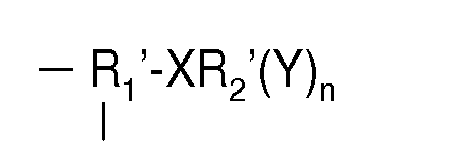
where R1' is a C1-C20 alkyl; C4-C20 ether; C1-C20 alkyl having a substituent of N, O, or S; heteroatom C6-C20 aryl, C1-C20 carbonyl, C1-C20 amidyl, C1-C20 ether, C6-C20 aryl, C6-C20 heterocyclic containing a heteroatom of N, O, or S; X is a nullity, oxygen, sulfur, or nitrogen; R2' is a nullity or C1-C20 alkyl, C4-C20 ether; C1-C20 alkyl having a substituent of N, O, or S; C1-C20 ester; C1-C20 alcohol; C1-C20 alkenyl; heteroatom C6-C20 aryl, C6-C20 heterocyclic containing a heteroatom of N, O or S; Y is a nitrogen, oxygen, or sulfur nucleophile; and n is an integer between 1 and 30;
B3 is
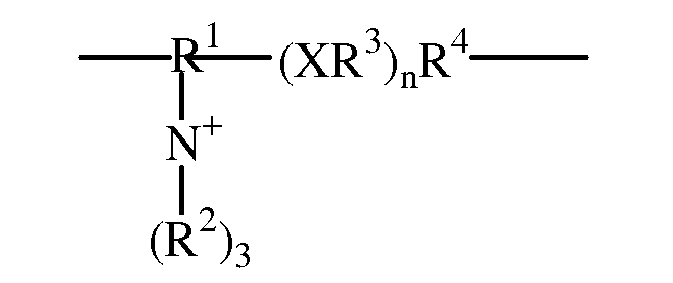
where R1 is a C1-C20 alkyl; C4-C20 ether; C1-C20 alkyl having a substituent of N, O, or S; heteroatom C6-C20 aryl, C1-C20 carbonyl, C1-C20 amidyl, C1-C20 ether, C6-C20 aryl, C6-C20 heterocyclic containing a heteroatom of N, O, or S; R2 is independently in each occurrence a H, a C1-C20 alkyl, a C2-C20 alkyl having a substituent of C1-C20 alkyl; X is independently in each occurrence a nullity, oxygen, sulfur, or nitrogen; R3 is independently in each occurrence a nullity, C1-C20 alkyl, C1-C20 having a substituted C6-C20 aryl, C6-C20 heterocyclic containing a heteroatom of N, O or S; n is an integer between 0 and 30, inclusive; R4 is independently in each occurrence a nullity, C1-C20 alkyl, C1-C20 having a substituted C6-C20 aryl, C1-C20 carbonyl, C1-C20 amidyl, C1-C20 ether, C6-C20 aryl, C6-C20 heterocyclic containing a heteroatom of N, O, or S; and B4 is a C1-C20 alkyl, C4-C2o ether; C1-C20 alkyl having a substituent of N, O, or S; C1-C20 ester; C1-C20 alcohol; C1-C20 alkenyl; heteroatom C6-C20 aryl, C6-C20 heterocyclic containing a heteroatom of N, O or S.
B1-B2-B3-B4 (I)
where B1 is a C1-C20 alkyl, C1-C20 having a substituted C6-C20 aryl, C6-C20 heterocyclic containing a heteroatom of N, O or S; B2 is an amino acid; 2,6-diaminohexanoic acid; or
where R1' is a C1-C20 alkyl; C4-C20 ether; C1-C20 alkyl having a substituent of N, O, or S; heteroatom C6-C20 aryl, C1-C20 carbonyl, C1-C20 amidyl, C1-C20 ether, C6-C20 aryl, C6-C20 heterocyclic containing a heteroatom of N, O, or S; X is a nullity, oxygen, sulfur, or nitrogen; R2' is a nullity or C1-C20 alkyl, C4-C20 ether; C1-C20 alkyl having a substituent of N, O, or S; C1-C20 ester; C1-C20 alcohol; C1-C20 alkenyl; heteroatom C6-C20 aryl, C6-C20 heterocyclic containing a heteroatom of N, O or S; Y is a nitrogen, oxygen, or sulfur nucleophile; and n is an integer between 1 and 30;
B3 is
where R1 is a C1-C20 alkyl; C4-C20 ether; C1-C20 alkyl having a substituent of N, O, or S; heteroatom C6-C20 aryl, C1-C20 carbonyl, C1-C20 amidyl, C1-C20 ether, C6-C20 aryl, C6-C20 heterocyclic containing a heteroatom of N, O, or S; R2 is independently in each occurrence a H, a C1-C20 alkyl, a C2-C20 alkyl having a substituent of C1-C20 alkyl; X is independently in each occurrence a nullity, oxygen, sulfur, or nitrogen; R3 is independently in each occurrence a nullity, C1-C20 alkyl, C1-C20 having a substituted C6-C20 aryl, C6-C20 heterocyclic containing a heteroatom of N, O or S; n is an integer between 0 and 30, inclusive; R4 is independently in each occurrence a nullity, C1-C20 alkyl, C1-C20 having a substituted C6-C20 aryl, C1-C20 carbonyl, C1-C20 amidyl, C1-C20 ether, C6-C20 aryl, C6-C20 heterocyclic containing a heteroatom of N, O, or S; and B4 is a C1-C20 alkyl, C4-C2o ether; C1-C20 alkyl having a substituent of N, O, or S; C1-C20 ester; C1-C20 alcohol; C1-C20 alkenyl; heteroatom C6-C20 aryl, C6-C20 heterocyclic containing a heteroatom of N, O or S.
2. The molecule of claim 1 wherein B1 is C6 aryl having the substituent extending from the ring.
3. The molecule of claim 1 where B2 is a lysine, or wherein B2 is derivatized by the addition of a fluorophore.
4. The molecule of claim 1 wherein B3 is a carnitinyl, or wherein B4 is C2-C20 alkyl having a substituent of O present as a carbonyl.
5. The molecule of claim 1 wherein (B1-B2-B3-B4) includes a stable secondary prevalence isotope of an element.
6. The molecule of claim 5 wherein said stable secondary prevalence isotope in each occurrence
is selected from the group consisting of 2D, 13C, 15N, 17O, 18O, 31P and 34S.
7. The molecule of claim 1 wherein said B1 is C6 aryl having the substituent extending from the ring, and said B2 is a lysine.
8. The molecule of claim 1 wherein said B2 is a lysine, and said B3 is a carnitinyl.
9. The molecule of claim 1 wherein said B3 is a carnitinyl and wherein B4 is C2-C20 alkyl having a substituent of O present as a carbonyl.
10. The molecule of claim 1 wherein B1 is C6 aryl having the substituent extending from the ring, B2 is a lysine, B3 is a carnitinyl, and B4 is C2-C20 alkyl having a substituent of O present as a carbonyl.
REFERENCES CITED IN THE DESCRIPTION
This list of references cited by the applicant is for the reader's convenience only. It does not form part of the European patent document. Even though great care has been taken in compiling the references, errors or omissions cannot be excluded and the EPO disclaims all liability in this regard.
Patent documents cited in the description
Non-patent literature cited in the description
- SCHULZE A et al.Pediatrics, 2003, vol. 111, 1399-406 [0005]
- GELB MH et al.Clinical Chemistry, 2004, vol. 50, 101785-1796 [0005]
- AERTS, JMHOLLACK, CDBailliere's Clin. Haematol, 1997, vol. 10, 691-709 [0006]
- DEEGAN PB et al.Blood Cells Mol Dis, 2005, vol. 35, 259-67 [0006]
- BEUTLER, E et al.J Exp Med, 1976, vol. 143, 975-80 [0006]
- RICHARDS SM et al.Blood, 1993, vol. 82, 1402- [0006]
- ROSENBERG, M. et al.Blood, 1999, vol. 93, 2081-2088 [0006]
- AUSUBEL et al.Current Protocols in Molecular BiologyJohn Wiley & Sons19990000 [0042]
- HARLOWLANEAntibodies: A Laboratory ManualCold Spring Harbor Laboratory Press19880000 [0042]
- HARLOWLANEUsing Antibodies: A Laboratory ManualCold Spring Harbor Press19990000 [0042]
- TIETZTextbook of Clinical ChemistryW.B. Saunders19990000 [0042]
- LEONARD R et al.J. Biol. Chem., 2006, vol. 281, 4867-75 [0057]
- BOOT, RG et al.J. Biol. Chem., 2006, vol. 282, 1305-12 [0057]