| (19) |
 |
|
(11) |
EP 2 299 554 B1 |
| (12) |
EUROPEAN PATENT SPECIFICATION |
| (45) |
Mention of the grant of the patent: |
|
23.07.2014 Bulletin 2014/30 |
| (22) |
Date of filing: 22.04.2009 |
|
| (51) |
International Patent Classification (IPC):
|
| (86) |
International application number: |
|
PCT/CN2009/000428 |
| (87) |
International publication number: |
|
WO 2009/152685 (23.12.2009 Gazette 2009/52) |
|
| (54) |
A METHOD FOR CUTTING OFF A POWER SUPPLY PRIOR TO OPEN A COVER AND AN APPARATUS THEREOF
VERFAHREN ZUR ABTRENNUNG EINES NETZTEILS VOR DER ÖFFNUNG EINER ABDECKUNG UND VORRICHTUNG
DAFÜR
PROCEDE DE COUPURE D'ALIMENTATION ELECTRIQUE AVANT OUVERTURE DE COUVERCLE, ET APPAREIL
A CET EFFET
|
| (84) |
Designated Contracting States: |
|
AT BE BG CH CY CZ DE DK EE ES FI FR GB GR HR HU IE IS IT LI LT LU LV MC MK MT NL NO
PL PT RO SE SI SK TR |
| (30) |
Priority: |
19.06.2008 CN 200810055240
|
| (43) |
Date of publication of application: |
|
23.03.2011 Bulletin 2011/12 |
| (73) |
Proprietor: Shanxi Quan`an New Technology Development Co., Ltd |
|
Shanxi 032000 (CN) |
|
| (72) |
Inventors: |
|
- GUO, Chunping
Shanxi 032000 (CN)
- GUO, Xiaoyan
Shanxi 032000 (CN)
- GUO, Xiaopeng
Shanxi 032000 (CN)
|
| (74) |
Representative: Held, Stephan et al |
|
Meissner, Bolte & Partner GbR
Widenmayerstraße 47
80538 München
80538 München (DE) |
| (56) |
References cited: :
EP-A2- 1 795 676
CN-Y- 2 166 194
CN-Y- 2 825 869
CN-Y- 201 188 537
DE-B1- 1 703 037
GB-A- 1 503 327
|
CN-A- 101 369 724
CN-Y- 2 526 416
CN-Y- 201 007 969
CN-Y- 201 226 310
DE-U- 1 955 743
US-B1- 7 237 412
|
|
| |
|
|
|
|
| |
|
| Note: Within nine months from the publication of the mention of the grant of the European
patent, any person may give notice to the European Patent Office of opposition to
the European patent
granted. Notice of opposition shall be filed in a written reasoned statement. It shall
not be deemed to
have been filed until the opposition fee has been paid. (Art. 99(1) European Patent
Convention).
|
Field of the Invention
[0001] The present invention relates to a power-off method and apparatus for cutting off
a power supply for electrical equipments in coal mines and various flammable and explosive
places, and more specifically, relates to a pre-cover-opening power-off method and
apparatus.
Background of the Invention
[0002] The
Coal Mines Safety Regulations provide that, "live maintenance and movement of electrical equipments, cables and
wires are prohibited underground". However, in practical operations, live maintenance
frequently occurs due to a lack of the facilities guarantees, causing countless coal
mine accidents. In order to solve this problem, Chinese Patent No.
200710010531.9, titled "Integrative Protection Device and Method for Mineral Grading Lockout Explosion
Suppression Vacuum Electromagnetic Starter", and Chinese Patent No.
200520023343.6, titled "Power-off Upon Cover-Opening Safety Protector for Explosion-Proof Electrical
Device", have proposed two solutions, but both solutions realize automatic power-off
upon opening a cover, and cannot cut off the power supply prior to opening a cover.
Yet another safety arrangment known from the prior art is disclosed in
DE 1703037 B1 and refers to a safety lock for a machine housing.
Summary of the Invention
[0003] The present invention intends to provide a pre-cover-opening power-off method and
apparatus, which can send out a signal to a safety protecting and monitoring unit
to cut off the power supply and give out an alarm before screwing off a screw on a
cover plate of an electrical equipment, to thereby solve the problems as to the accidents
of gas explosion and casualties that are caused by live operation. The present invention
is thus defined by the appended claims 1-22.
[0004] The present invention is implemented with the following technical solution:
A pre-cover-opening power-off method, comprising the steps of: (a) fixing a bolt casing
to a bolt, (b) connecting a motion sensor to a safety protecting and monitoring unit
in a wired or wireless manner, (c) activating the motion sensor to send out a command
to permit power delivery for an electrical equipment to operate, and when the bolt
casing is taken off, the motion sensor is activated to send out a command to cut off
a power supply for the electrical equipment or give out an alarm. The step (a) of
fixing the bolt casing to the bolt is realized in the following manner: operating
a key and a lock core or a fastening screw to enter an annular locking slot of the
bolt with a distance sleeve so as to fix the bolt casing, or fixing the bolt casing
to the bolt through threaded connection, or fixing the bolt casing to the bolt by
pinning, or locking the bolt casing to the bolt. The step (c) of activating the motion
sensor is realized in the following manner: when the bolt casing is fixed to the bolt,
a bolt head or the distance sleeve or an electrical equipment cover plate is pressed
against a motion sensor rod, and a contact is closed or opened, whereby a signal is
sent out to the safety protecting and monitoring unit; when the bolt casing is taken
off, the motion sensor rod leaves the bolt head or the distance sleeve or the electrical
equipment cover plate, and the contact is opened or closed, whereby a signal is sent
out to the safety protecting and monitoring unit, or the motion sensor is activated
to send out a signal to the safety protecting and monitoring unit when the key and
the lock core are operated.
[0005] A pre-cover-opening power-off apparatus with a lock, comprising an electrical equipment
cover plate 1, a bolt casing with a lock 2, a key 3, a lock core 4, a bolt 5, a motion
sensor 9, and a safety protecting and monitoring unit 10. The electrical equipment
cover plate 1 is connected to the bolt casing with a lock 2 by means of the bolt 5.
The key 3 and the lock core 4 are provided inside a hole on one side of the bolt casing
with a lock 2. A locking screw 11 is provided inside a hole on the other side of the
bolt casing with a lock 2. The motion sensor 9 with a motion sensor rod 8 is provided
inside a hole in an upper portion of the bolt casing with a lock 2. The motion sensor
9 is connected to the safety protecting and monitoring unit 10. A lower end of the
motion sensor rod 8 is pressed against a bolt head of the bolt 5. The bolt 5 is jacketed
with a distance sleeve 7. The distance sleeve 7 is cushioned with a spring washer
6 thereunder. The distance sleeve 7 is provided with an annular locking slot, and
the annular locking slot is connected to the lock core 4. The bolt casing is a bolt
casing with a lock or a bolt casing without a lock, or a frame or a pin that is mounted
on the bolt and can block the screwing of the bolt.
[0006] As compared with the prior art, the present invention has the following beneficial
effects: operators can be effectively prevented from live operations during equipment
overhaul, and before opening the electrical equipment cover plate, a signal can be
sent out to the safety protecting and monitoring unit, to cut off the power supply
and give out an alarm, thereby realizing pre-cover-opening power-off. The present
invention can be widely applied to electrical equipments at various flammable and
explosive places such as coal mines and flammable and explosive workshops, for guaranteeing
the safety of overhaul operators.
Brief Description of the Accompanying Drawings
[0007]
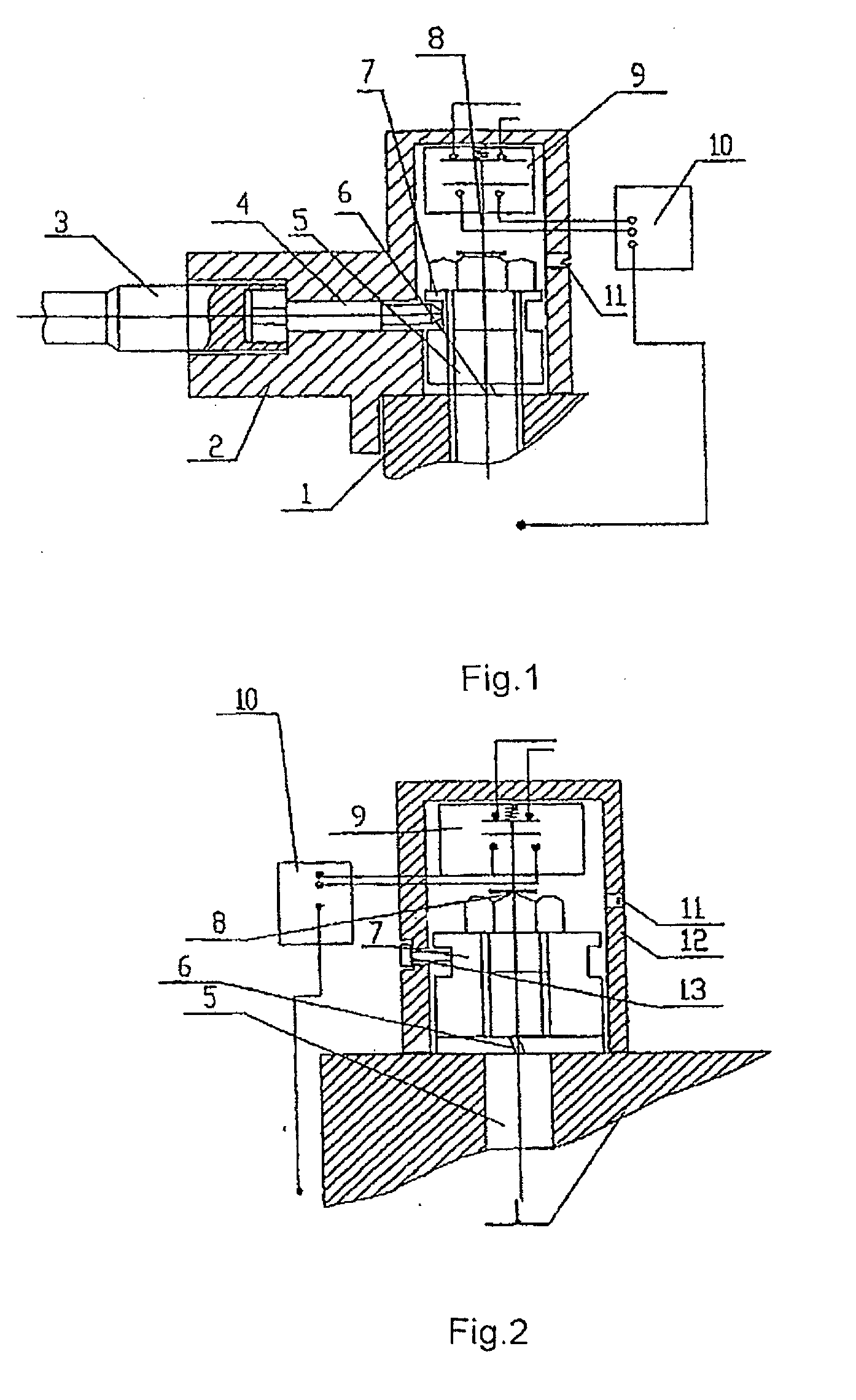
Fig. 1 illustrates schematically the structure of a pre-cover-opening power-off apparatus
with a lock as described in Embodiment 1.
Fig. 2 illustrates schematically the structure of a first type of pre-cover-opening
power-off apparatus without a lock described in Embodiment 2.
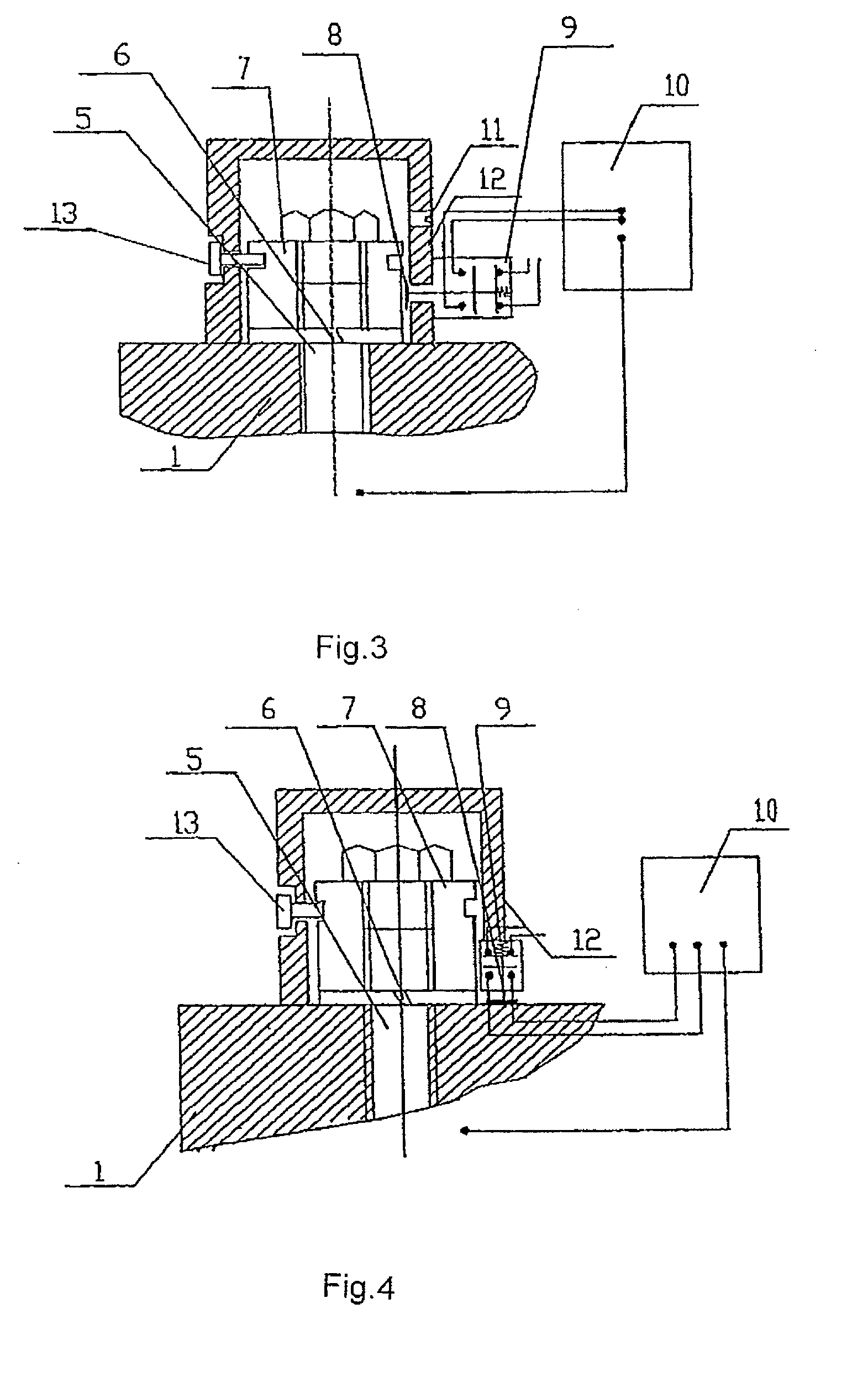
Fig. 3 illustrates schematically the structure of a second type of pre-cover-opening
power-off apparatus without a lock described in Embodiment 3.
Fig. 4 illustrates schematically the structure of a third type of pre-cover-opening
power-off apparatus without a lock described in Embodiment 4.
Best Mode for Carrying Out the Invention
[0008] A detailed description of a pre-cover-opening power-off method is given below with
reference to the four types of pre-cover-opening power-off apparatuses.
Embodiment 1
[0009] Fig. 1 shows a pre-cover-opening power-off apparatus with a lock, which comprises
an electrical equipment cover plate 1, a bolt casing with a lock 2, a key 3, a lock
core 4, a bolt 5, a spring washer 6, a distance sleeve 7, a motion sensor rod 8, a
motion sensor 9, a safety protecting and monitoring unit 10, and a locking screw 11.
The electrical equipment cover plate 1 is connected to the bolt casing with a lock
2 by means of the bolt 5. The key 3 and the lock core 4 are provided inside a hole
on one side of the bolt casing with a lock 2, and the locking screw 11 is provided
inside a hole on the other side of the bolt casing with a lock 2. The motion sensor
9 with the motion sensor rod 8 is provided inside a hole in an upper portion of the
bolt casing with a lock 2. The motion sensor 9 is connected to the safety protecting
and monitoring unit 10. A lower end of the motion sensor rod 8 is pressed against
a bolt head of the bolt 5. The bolt 5 is jacketed with the distance sleeve 7. The
distance sleeve 7 is cushioned with the spring washer 6 thereunder. The distance sleeve
7 is provided with an annular locking slot, and the annular locking slot is connected
to the lock core 4.
[0010] A pre-cover-opening power-off method comprises the steps of: the lock core is operated
by means of a key to enter the annular locking slot of the bolt with the distance
sleeve, so as to fix the bolt casing to the bolt, wherein the bolt head is pressed
against the motion sensor rod, a normally closed contact is opened and a normally
opened contact is closed, whereby a signal is sent out to the safety protecting and
monitoring unit, and the safety protecting and monitoring unit sends out a command
to permit power delivery for the electrical equipment to operate; when the lock core
is operated by means of the key to exit the annular locking slot of the bolt with
the distance sleeve, the bolt casing is taken off, the bolt head leaves the motion
sensor rod, the normally closed contact is closed and the normally opened contact
is opened, whereby the motion sensor sends out a signal to the safety protecting and
monitoring unit, or alternatively, the bolt head leaves the motion sensor rod when
the key and the lock core are made to exit, the motion sensor sends out a signal to
the safety protecting and monitoring unit, and the safety protecting and monitoring
unit in communication with the motion sensor sends out a command to cut off a power
supply for the electrical equipment or give out an alarm.
[0011] The operation process is described as follows. A screw which was originally fastened
on the electrical equipment cover plate 1 is screwed off and replaced with a suitably
sized bolt 5, and the distance sleeve 7 is screwed on. Alternatively, it is also possible
to make the distance sleeve 7 and the bolt 5 into a bolt assembly with a distance
sleeve. The long fastening bolt with the distance sleeve 7, having been provided with
the spring washer 6, is screwed into the electrical equipment cover plate 1 and is
tightened up. Then, the bolt is covered with the bolt casing with a lock 2. The lock
core 4 is operated by means of the key 3 to enter the annular locking slot, so as
to fix the bolt casing with a lock 2. The bolt head of the bolt 5 is pressed against
the motion sensor rod 8, the normally closed contact is opened and the normally opened
contact is closed, thereby a signal is sent out, and the safety protecting and monitoring
unit sends out a command to permit power delivery. When the electrical equipment is
to be overhauled, only professional personnel can unlock the lock core 4 with a specific
key 3 and take off the bolt casing with a lock 2, so that the normally closed contact
is closed and the normally opened contact is opened, and the safety protecting and
monitoring unit 10 sends out a power-off command to the electrical equipment and gives
out an alarm, thereby cutting off the power supply before opening the cover for overhaul.
After the bolt casing with a lock 2 is taken off, the locking screw 11 is screwed
off to obstruct the motion sensor rod 8 from moving, thereby preventing the motion
sensor rod 8 from misacting and sending out an erroneous signal due to some reason.
Only professional personnel can unlock this bolt casing with a lock by means of the
key 3 and take off the bolt casing with a lock 2, thereby to cut off the power supply
in advance for performing an overhaul. As for non-professional personnel, due to lack
of the key 3, they cannot take off the bolt casing with a lock 2 and cannot cut off
the power supply for performing examination.
[0012] The motion sensor 9 may also be mounted in a hole at a side portion of the bolt casing
with a lock 2, so that the motion sensor rod 8 can contact the bolt 5 or the distance
sleeve 7. When the bolt 5 is covered with the bolt casing with a lock 2, the bolt
5 or the distance sleeve 7 activates the motion sensor rod 8, the normally closed
contact is opened, thereby enabling power delivery; when the cover is to be opened
to cause the bolt casing with a lock 2 to leave the bolt 5, the bolt 5 or the distance
sleeve 7 leaves the motion sensor rod 8, the normally closed contact is closed, and
a signal is sent to the safety protecting and monitoring unit 10 to cut off a power
supply for the switch.
[0013] The motion sensor 9 may also be mounted in a hole in a lower portion of the bolt
casing with a lock 2, so that the motion sensor rod 8 can contact the electrical equipment
cover plate 1. When the bolt 5 is covered with the bolt casing with a lock 2, the
electrical equipment cover plate 1 activates the motion sensor rod 8, the normally
closed contact is opened, thereby enabling power delivery; when the cover is to be
opened to cause the bolt casing with a lock 2 to leave the bolt 5, the electrical
equipment cover plate 1 leaves the motion sensor rod 8, the normally closed contact
is closed, and a signal is sent to the safety protecting and monitoring unit 10 to
cut off the power supply for the switch.
[0014] The motion sensor 9 may also be mounted nearby the key 3 and the lock core 4 inside
the bolt casing with a lock 2, so that the motion sensor rod 8 can contact the key
3 or the lock core 4. When the bolt 5 is covered with the bolt casing with a lock
2, the lock core 4 is operated by means of the key 3 and the bolt casing with a lock
2 is locked to the bolt 5. At this time, the key 3 or the lock core 4 activates the
motion sensor rod 8, the normally closed contact is opened, thereby enabling power
delivery; when the cover is to be opened, the lock core 4 is operated by means of
the key 3, the lock core 4 exits the annular locking slot of the distance sleeve 7,
the bolt casing with a lock may leave the bolt 5, the key 3 or the lock core 4 leaves
the motion sensor rod 8, the normally closed contact is closed, and a signal is sent
to the safety protecting and monitoring unit 10 to cut off the power supply for the
switch.
[0015] The motion sensor 9 may be a switch or a button, or may be a reed switch, wherein
a magnetic piece is mounted on the head of the bolt 5, whereby the motion sensor acts
upon approaching the bolt head to a certain distance. The motion sensor 9 may also
be a touch motion sensor, and the motion sensor acts upon contacting the bolt head.
The motion sensor 9 may also be a non-contact motion sensor (such as a Hall element,
an optoelectronic motion sensor, or an inductive motion sensor), and the motion sensor
acts upon approaching the bolt head to a certain distance. The motion sensor 9 may
also be an active element (such as piezoelectric ceramics element, a pressure sensor,
a distance testing sensor, a magnetic card reader, or a wireless transceiver, etc.),
and the motion sensor sends out a signal upon approaching the bolt head to a certain
distance or contacting the bolt head to reach a certain pressure. The motion sensor
9 may also be a magnetic lock, and when the motion sensor approaches the bolt head,
the lock is unlocked under a magnetic effect on the bolt head and the motion sensor
sends out a signal. The motion sensor may be a switch lock, that is, an electric signal
is sent out when the switch is closed, and another electric signal is sent out when
the lock is unlocked by operating the lock core by means of a key.
[0016] The motion sensor 9 can communicate with the safety protecting and monitoring unit
10 in the following manners: one is that the motion sensor 9 acts, for example, the
normally closed contact is closed, thereby a signal is sent out to a mine safety protecting
and monitoring unit in a wired or wireless manner, and the mine safety protecting
and monitoring unit receives the signal, and gives out an alarm display, or sends
out a command to a power supply system to cut off the power supply for the switch;
another is that the motion sensor 9 acts, for example, the normally closed contact
is closed, thereby a signal is sent out to a leakage protection system in a wired
or wireless manner, and the leakage protection system receives a leakage signal and
sends out a command to the power supply system to cut off the power supply for the
switch.
Embodiment 2
[0017] Fig. 2 shows a first type of pre-cover-opening power-off apparatus without a lock,
which comprises an electrical equipment cover plate 1, a bolt casing without a lock
12, a fastening screw 13, a bolt 5, a spring washer 6, a distance sleeve 7, a motion
sensor rod 8, a motion sensor 9, a safety protecting and monitoring unit 10, and a
locking screw 11. The electrical equipment cover plate 1 is connected to the bolt
casing without a lock 12 by means of the bolt 5. The fastening screw 13 is provided
inside a hole on one side of the bolt casing without a lock 12. The locking screw
11 is provided inside a hole on the other side of the bolt casing without a lock 12.
The motion sensor 9 with the motion sensor rod 8 is provided inside a hole in an upper
portion of the bolt casing without a lock 12. The motion sensor 9 communicates with
the safety protecting and monitoring unit 10. A lower end of the motion sensor rod
8 is pressed against a bolt head of the bolt 5. The bolt 5 is jacketed with the distance
sleeve 7. The distance sleeve 7 is cushioned with the spring washer 6 thereunder.
The distance sleeve 7 is provided with an annular locking slot, and the annular locking
slot is connected to the fastening screw 13. It is possible to connect the distance
sleeve 7 and the bolt casing without a lock 12 via threaded connection, without using
the fastening screw 13.
[0018] A pre-cover-opening power-off method comprises the steps of: screwing the fastening
screw into the annular locking slot of the bolt with the distance sleeve, so as to
fix the bolt casing to the bolt with the distance sleeve, or alternatively, directly
screwing the bolt casing onto the distance sleeve with threads without using the fastening
screw, wherein the bolt head is pressed against the motion sensor rod, the normally
closed contact is opened and the normally opened contact is closed, whereby a signal
is sent out to the safety protecting and monitoring unit, and the safety protecting
and monitoring unit sends out a command to permit power delivery for the electrical
equipment to operate; when the fastening screw is made to exit the annular locking
slot of the bolt with the distance sleeve, the bolt casing is taken off, the bolt
head leaves the motion sensor rod, the normally closed contact is closed and the normally
opened contact is opened, the motion sensor sends out a signal to the safety protecting
and monitoring unit, the safety protecting and monitoring unit in communication with
the motion sensor sends out a command to cut off a power supply for the electrical
equipment or gives out an alarm
Embodiment 3
[0019] Fig. 3 shows a second type of pre-cover-opening power-off apparatus without a lock,
which comprises an electrical equipment cover plate 1, a bolt casing without a lock
12, a fastening screw 13, a bolt 5, a spring washer 6, a distance sleeve 7, a motion
sensor rod 8, a motion sensor 9, a safety protecting and monitoring unit 10, and a
locking screw 11. The electrical equipment cover plate 1 is connected to the bolt
casing without a lock 12 by means of the bolt 5. The fastening screw 13 is provided
inside a hole on one side of the bolt casing without a lock 12. The locking screw
11 is provided in the middle of a hole on the other side of the bolt casing without
a lock 12. The motion sensor 9 with the motion sensor rod 8 is provided on a side
of the bolt casing without a lock 12. The motion sensor 9 is connected to the safety
protecting and monitoring unit 10. The bolt 5 is jacketed with the distance sleeve
7. The distance sleeve 7 is cushioned with the spring washer 6 thereunder. The distance
sleeve 7 is provided with an annular locking slot, and the annular locking slot is
connected to the fastening screw 13. It is possible to connect the distance sleeve
7 and the bolt casing without a lock 12 via threaded connection, without using the
fastening screw 13. A head portion of the motion sensor rod 8 is pressed against the
distance sleeve 7 on the bolt 5.
[0020] A pre-cover-opening power-off method comprises the steps of: screwing the fastening
screw into the annular locking slot of the bolt with the distance sleeve, so as to
fix the bolt casing to the bolt with the distance sleeve, the distance sleeve is pressed
against the motion sensor rod, the normally closed contact is opened and the normally
opened contact is closed, whereby a signal is sent out to the safety protecting and
monitoring unit, and the safety protecting and monitoring unit sends out a command
to permit power delivery for the electrical equipment to operate; when the fastening
screw is made to exit the annular locking slot of the bolt with the distance sleeve,
the bolt casing is taken off, the distance sleeve leaves the motion sensor rod, the
motion sensor sends out a signal to the safety protecting and monitoring unit, the
safety protecting and monitoring unit in communication with the motion sensor sends
out a command to cut off a power supply for the electrical equipment or gives out
an alarm.
Embodiment 4
[0021] Fig. 4 shows a third type of pre-cover-opening power-off apparatus without a lock,
which comprises an electrical equipment cover plate 1, a bolt casing without a lock
12, a fastening screw 13, a bolt 5, a spring washer 6, a distance sleeve 7, a motion
sensor rod 8, a motion sensor 9, and a safety protecting and monitoring unit 10. The
electrical equipment cover plate 1 is connected to the bolt casing without a lock
12 by means of the bolt 5. The fastening screw 13 is provided inside a hole on one
side of the bolt casing without a lock 12. The motion sensor 9 with the motion sensor
rod 8 is provided on a lower portion of the bolt casing without a lock 12. The motion
sensor 9 is connected to the safety protecting and monitoring unit 10. The bolt 5
is jacketed with the distance sleeve 7. The distance sleeve 7 is cushioned with the
spring washer 6 thereunder. The distance sleeve 7 is provided with an annular locking
slot, and the annular locking slot is connected to the fastening screw 13. It is possible
to connect the distance sleeve 7 and the bolt casing without a lock 12 via threaded
connection, without using the fastening screw 13. A lower end of the motion sensor
rod 8 is pressed against the electrical equipment cover plate 1.
[0022] A pre-cover-opening power-off method comprises the steps of: screwing the fastening
screw into the annular locking slot of the bolt with the distance sleeve, so as to
fix the bolt casing to the bolt with the distance sleeve, the electrical equipment
cover plate is pressed against the motion sensor rod, the normally closed contact
is opened and the normally opened contact is closed, whereby a signal is sent out
to the safety protecting and monitoring unit, and the safety protecting and monitoring
unit sends out a command to permit power delivery for the electrical equipment to
operate; when the fastening screw is made to exit the annular locking slot of the
bolt with the distance sleeve, the bolt casing is taken off, the motion sensor rod
leave the electrical equipment cover plate, the motion sensor sends out a signal to
the safety protecting and monitoring unit, and the safety protecting and monitoring
unit in communication with the motion sensor sends out a command to cut off a power
supply for the electrical equipment or gives out an alarm.
[0023] The operation process of the fourth type of pre-cover-opening power-off apparatus
is described as follows. The screw which was originally fastened on the electrical
equipment cover plate 1 is screwed off and replaced with a bolt 5, and the distance
sleeve 7 is screwed on. The distance sleeve 7 is provided with the annular locking
slot. The long fastening bolt with the distance sleeve 7, having been provided with
the spring washer 6, is screwed into the electrical equipment cover plate 1 and is
tightened up. Then, the bolt is covered with the bolt casing without a lock 12. The
fastening screw 13 is provided inside a hole on one side of the bolt casing without
a lock 12. The motion sensor 9 with the motion sensor rod 8 is provided on a lower
portion of the bolt casing without a lock 12. The motion sensor 9 is connected to
the safety protecting and monitoring unit 10, and the fastening screw 13 is tightened
up so that the fastening screw 13 enters the annular locking slot, so as to fix the
bolt casing without a lock 12, wherein the motion sensor rod 8 is pressed against
the electrical equipment cover plate 1, the normally closed contact is opened and
the normally opened contact is closed, thereby a signal is sent out, and the safety
protecting and monitoring unit sends out a command to permit power delivery. When
the electrical equipment is to be overhauled, the fastening screw 13 is unscrewed,
the bolt casing without a lock 12 is taken off, the motion sensor rod 8 moves, the
normally closed contact is closed and the normally opened contact is opened, thereby
a signal is sent out, and the safety protecting and monitoring unit 10 sends out a
command to cut off the power supply for the electrical equipment in advance. This
pre-cover-opening power-off apparatus can realize pre-cover-opening power-off when
non-professional personnel screw off the fastening screw 13, and it can be used in
substations and the like with a small population.
1. A pre-cover-opening power-off method, comprising the steps of:
(a) fixing a bolt casing (2, 12) provided with a motion sensor (9) to a bolt (5) which
has been screwed into an electrical equipment cover plate (1);
(b) connecting the motion sensor (9) to a safety protecting and monitoring unit (10)
in a wired or wireless manner; and
(c) when the bolt casing (2, 12) is fixed to the bolt (5), the motion sensor (9) is
activated so that the motion sensor (9) sends out a signal, and the safety protecting
and monitoring unit (10), upon receiving the signal, sends out a command to permit
power delivery for the electrical equipment to operate; and when the bolt casing (2,
12) is taken off, the motion sensor (9) is activated so that motion sensor (9) sends
out another signal, and the safety protecting and monitoring unit (10), upon receiving
the another signal, sends out a command to cut off a power supply for the electrical
equipment or give out an alarm.
2. The pre-cover-opening power-off method according to claim 1, wherein the bolt (5)
is a bolt with a distance sleeve (7), and the bolt casing (2) is fixed to the bolt
(5) by operating a lock core (4) provided inside a hole at one side of the bolt casing
(2) by means of a key (3) to enter an annular locking slot of the bolt (5) with the
distance sleeve (7).
3. The pre-cover-opening power-off method according to claim 1, wherein the bolt (5)
is a bolt with a distance sleeve (7), and the bolt casing (12) is fixed to the bolt
(5) by operating a fastening screw (13) provided inside a hole at one side of the
bolt casing (12) to enter an annular locking slot of the bolt (5) with the distance
sleeve (7).
4. The pre-cover-opening power-off method according to claim 1, wherein the bolt casing
(12) is fixed to the bolt (5) by threaded connection between the bolt casing (12)
and the bolt (5).
5. The pre-cover-opening power-off method according to claim 1, wherein the bolt casing
(12) is fixed to the bolt (5) by pinning-fixing the bolt casing (12) to the bolt (5).
6. The pre-cover-opening power-off method according to claim 1, wherein when the bolt
casing (2, 12) is fixed to the bolt (5), a bolt head is pressed against a motion sensor
rod (8), a normally opened contact is closed and a normally closed contact is opened,
whereby a signal is sent out to the safety protecting and monitoring unit (10); when
the bolt casing (2, 12) is taken off, the motion sensor rod (8) leaves the bolt head,
the normally opened contact is opened and the normally closed contact is closed, whereby
a signal is sent out to the safety protecting and monitoring unit (10).
7. The pre-cover-opening power-off method according to claim 1, wherein when the bolt
casing (2, 12) is fixed to the bolt (5), a distance sleeve (7) is pressed against
a motion sensor rod (8), a normally opened contact is closed and a normally closed
contact is opened, whereby a signal is sent out to the safety protecting and monitoring
unit (10); when the bolt casing (2, 12) is taken off, the motion sensor rod (8) leaves
the distance sleeve (7), the normally opened contact is opened and the normally closed
contact is closed, whereby a signal is sent out to the safety protecting and monitoring
unit (10).
8. The pre-cover-opening power-off method according to claim 1, wherein when the bolt
casing (2, 12) is fixed to the bolt (5), the electrical equipment cover plate (1)
is pressed against a motion sensor rod (8), a normally opened contact is closed and
a normally closed contact is opened, whereby a signal is sent out to the safety protecting
and monitoring unit (10); when the bolt casing (2, 12) is taken off, the motion sensor
rod (8) leaves the electrical equipment cover plate (1), the normally opened contact
is opened and the normally closed contact is closed, whereby a signal is sent out
to the safety protecting and monitoring unit (10).
9. The pre-cover-opening power-off method according to claim 1, wherein when the bolt
(5) is covered with the bolt casing (2), a key (3) and a lock core (4) are operated
to activate a motion sensor rod (8), a normally opened contact is closed and a normally
closed contact is opened, whereby a signal is sent out to the safety protecting and
monitoring unit (10); when the bolt casing (2) is taken off, at the same time of unlocking
by operating the lock core (4) by means of the key (3), the motion sensor rod (8)
is activated to leave, the normally opened contact is opened and the normally closed
contact is closed, whereby a signal is sent out to the safety protecting and monitoring
unit (10).
10. A pre-cover-opening power-off apparatus with a lock, comprising an electrical equipment
cover plate (1), a bolt casing with the lock (2), a key (3), a lock core (4), a bolt
(5), a motion sensor (9), and a safety protecting and monitoring unit (10), wherein
the electrical equipment cover plate (1) is connected to the bolt casing with a lock
(2) by means of the bolt (5), the key (3) and the lock core (4) are provided inside
a hole on one side of the bolt casing with a lock (2), the motion sensor (9) is connected
to the safety protecting and monitoring unit (10), the bolt (5) is jacketed with a
distance sleeve (7), the distance sleeve (7) is provided with an annular locking slot,
and the annular locking slot is connected to the lock core (4).
11. The pre-cover-opening power-off apparatus with a lock according to claim 10, wherein
the motion sensor (9) is a motion sensor (9) with a motion sensor rod (8).
12. The pre-cover-opening power-off apparatus with a lock according to claim 11, wherein
the motion sensor (9) with the motion sensor rod (8) is provided inside a hole in
an upper portion of the bolt casing with a lock (2), and a lower end of the motion
sensor rod (8) is pressed against a bolt head of the bolt (5).
13. The pre-cover-opening power-off apparatus with a lock according to claim 11, wherein
the motion sensor (9) with the motion sensor rod (8) is provided inside a hole at
a side portion of the bolt casing with a lock (2), so that the motion sensor rod (8)
contacts the bolt (5) or the distance sleeve (7).
14. The pre-cover-opening power-off apparatus with a lock according to claim 11, wherein
the motion sensor (9) with the motion sensor rod (8) is provided inside a hole in
a lower portion of the bolt casing with a lock (2), so that a lower end of the motion
sensor rod (8) contacts the electrical equipment cover plate (1).
15. The pre-cover-opening power-off apparatus with a lock according to claim 11, wherein
the motion sensor (9) with the motion sensor rod (8) is provided nearby the key (3)
and the lock core (4) inside the bolt casing with a lock (2), so that the motion sensor
rod (8) contacts the key (3) or the lock core (4).
16. The pre-cover-opening power-off apparatus with a lock according to claim 10, wherein
the motion sensor (9) is a switch, a button, or a reed switch, and a magnetic piece
is mounted on a bolt head, wherein upon the motion sensor (9) approaching the bolt
head to a certain distance, the motion sensor (9) acts and sends out an alarm.
17. A pre-cover-opening power-off apparatus without a lock, comprising an electrical equipment
cover plate (1), a bolt casing without a lock (12), a bolt (5), a motion sensor (9),
and a safety protecting and monitoring unit (10), wherein the electrical equipment
cover plate (1) is connected to the bolt casing without a lock (12) by means of the
bolt (5), a fastening screw (13) is provided inside a hole on one side of the bolt
casing without a lock (12), the bolt (5) is jacketed with a distance sleeve (7), the
distance sleeve (7) is provided with an annular locking slot, the annular locking
slot is connected to the fastening screw (13), and the motion sensor (9) is connected
to the safety protecting and monitoring unit (10).
18. The pre-cover-opening power-off apparatus without a lock according to claim 17, wherein
the motion sensor (9) is a motion sensor (9) with a motion sensor rod (8).
19. The pre-cover-opening power-off apparatus without a lock according to claim 18, wherein
the motion sensor (9) with the motion sensor rod (8) is provided inside a hole in
an upper portion of the bolt casing without a lock (12), and a lower end of the motion
sensor rod (8) is pressed against a bolt head of the bolt (5).
20. The pre-cover-opening power-off apparatus without a lock according to claim 18, wherein
the motion sensor (9) with the motion sensor rod (8) is provided at a side portion
of the bolt casing without a lock (12), and a head portion of the motion sensor rod
(8) is pressed against the distance sleeve (7).
21. The pre-cover-opening power-off apparatus without a lock according to claim 18, wherein
the motion sensor (9) with the motion sensor rod (8) is provided in a lower portion
of the bolt casing without a lock (12), and the motion sensor rod (8) is pressed against
the electrical equipment cover plate (1).
22. The pre-cover-opening power-off apparatus without a lock according to claim 17, wherein
the motion sensor (9) is a switch, a button, or a reed switch, and a magnetic piece
is mounted on a bolt head, wherein upon the motion sensor (9) approaching the bolt
head to a certain distance, the motion sensor (9) acts and sends out an alarm.
1. Verfahren zum Abschalten vor dem Öffnen einer Abdeckung, das die folgenden Schritte
umfasst:
(a) Befestigen eines Bolzengehäuses (2, 12), das mit einem Bewegungssensor (9) versehen
ist, an einem Bolzen (5), der in eine Abdeckplatte (1) einer elektrischen Vorrichtung
geschraubt worden ist;
(b) Verbinden des Bewegungssensors (9) mit einer Sicherheitsschutz- und Überwachungseinheit
(10) auf eine drahtgebundene oder drahtlose Weise; und
(c) Aktivieren des Bewegungssensors (9), wenn das Bolzengehäuse (2, 12) an dem Bolzen
(5) befestigt wird, so dass der Bewegungssensor (9) ein Signal aussendet und die Sicherheitsschutz-
und Überwachungseinheit (10) bei Empfang des Signals einen Befehl aussendet, eine
Stromabgabe für den Betrieb der elektrischen Vorrichtung zuzulassen; und Aktivieren
des Bewegungssensors (9), wenn das Bolzengehäuse (2, 12) abgenommen wird, so dass
der Bewegungssensor (9) ein weiteres Signal aussendet und die Sicherheitsschutz- und
Überwachungseinheit (10) bei Empfang des Signals einen Befehl aussendet, die Stromversorgung
für die elektrische Vorrichtung zu unterbrechen oder einen Alarm auszugeben.
2. Verfahren zum Abschalten vor dem Öffnen einer Abdeckung nach Anspruch 1, wobei der
Bolzen (5) ein Bolzen mit einer Abstandshülse (7) ist und das Bolzengehäuse (2) an
dem Bolzen (5) durch Betätigen eines Schlosskerns (4), der innerhalb eines Loches
an einer Seite des Bolzengehäuses (2) vorgesehen ist, unter Verwendung eines Schlüssels
(3), um mit der Abstandshülse (7) in einen ringförmigen Verriegelungsschlitz des Bolzens
(5) einzudringen, befestigt ist.
3. Verfahren zum Abschalten vor dem Öffnen einer Abdeckung nach Anspruch 1, wobei der
Bolzen (5) ein Bolzen mit einer Abstandshülse (7) ist und das Bolzengehäuse (12) an
dem Bolzen (5) durch Betätigen einer Befestigungsschraube (13), die innerhalb eines
Loches an einer Seite des Bolzengehäuses (12) vorgesehen ist, um mit der Abstandshülse
(7) in einen ringförmigen Verriegelungsschlitz des Bolzens (5) einzudringen, befestigt
ist.
4. Verfahren zum Abschalten vor dem Öffnen einer Abdeckung nach Anspruch 1, wobei das
Bolzengehäuse (12) an dem Bolzen (5) durch eine Gewindeverbindung zwischen dem Bolzengehäuse
(12) und dem Bolzen (5) befestigt ist.
5. Verfahren zum Abschalten vor dem Öffnen einer Abdeckung nach Anspruch 1, wobei das
Bolzengehäuse (12) an dem Bolzen (5) durch Steckbefestigen des Bolzengehäuses (12)
an dem Bolzen (5) befestigt ist.
6. Verfahren zum Abschalten vor dem Öffnen einer Abdeckung nach Anspruch 1, wobei dann,
wenn das Bolzengehäuse (2, 12) an dem Bolzen (5) befestigt wird, ein Bolzenkopf gegen
einen Bewegungssensorstab (8) gedrückt wird, ein normalerweise geöffneter Kontakt
geschlossen wird und ein normalerweise geschlossener Kontakt geöffnet wird, wodurch
ein Signal an die Sicherheitsschutz- und Überwachungseinheit (10) ausgesendet wird;
wobei dann, wenn das Bolzengehäuse (2, 12) abgenommen wird, der Bewegungssensorstab
(8) den Bolzenkopf freigibt, der normalerweise geöffnete Kontakt geöffnet wird und
der normalerweise geschlossene Kontakt geschlossen wird, wodurch ein Signal an die
Sicherheitsschutz- und Überwachungseinheit (10) ausgesendet wird.
7. Verfahren zum Abschalten vor dem Öffnen einer Abdeckung nach Anspruch 1, wobei dann,
wenn das Bolzengehäuse (2, 12) an dem Bolzen (5) befestigt wird, eine Abstandshülse
(7) gegen einen Bewegungssensorstab (8) gedrückt wird, ein normalerweise geöffneter
Kontakt geschlossen wird und ein normalerweise geschlossener Kontakt geöffnet wird,
wodurch ein Signal an die Sicherheitsschutz- und Überwachungseinheit (10) ausgesendet
wird; wobei dann, wenn das Bolzengehäuse (2, 12) abgenommen wird, der Bewegungssensorstab
(8) die Abstandshülse (7) loslässt, der normalerweise geöffnete Kontakt geöffnet wird
und der normalerweise geschlossene Kontakt geschlossen wird, wodurch ein Signal an
die Sicherheitsschutz- und Überwachungseinheit (10) ausgesendet wird.
8. Verfahren zum Abschalten vor dem Öffnen einer Abdeckung nach Anspruch 1, wobei dann,
wenn das Bolzengehäuse (2, 12) an dem Bolzen (5) befestigt wird, die Abdeckplatte
(1) der elektrischen Vorrichtung gegen einen Bewegungssensorstab (8) gedrückt wird,
ein normalerweise geöffneter Kontakt geschlossen wird und ein normalerweise geschlossener
Kontakt geöffnet wird, wodurch ein Signal an die Sicherheitsschutz- und Überwachungseinheit
(10) ausgesendet wird; wobei dann, wenn das Bolzengehäuse (2, 12) abgenommen wird,
der Bewegungssensorstab (8) die Abdeckplatte (1) der elektrischen Vorrichtung loslässt,
der normalerweise geöffnete Kontakt geöffnet wird und der normalerweise geschlossene
Kontakt geschlossen wird, wodurch ein Signal an die Sicherheitsschutz- und Überwachungseinheit
(10) ausgesendet wird.
9. Verfahren zum Abschalten vor dem Öffnen einer Abdeckung nach Anspruch 1, wobei dann,
wenn der Bolzen (5) mit dem Bolzengehäuse (2) abgedeckt wird, ein Schlüssel (3) und
eine Schlosskern (4) betätigt werden, um einen Bewegungssensorstab (8) zu aktivieren,
ein normalerweise geöffneter Kontakt geschlossen wird und ein normalerweise geschlossener
Kontakt geöffnet wird, wodurch ein Signal an die Sicherheitsschutz- und Überwachungseinheit
(10) ausgesendet wird; wobei dann, wenn das Bolzengehäuse (2) abgenommen wird, zu
derselben Zeit, zu der durch Betätigen des Schlosskerns (4) mittels eines Schlüssels
(3) aufgeschlossen wird, der Bewegungssensorstab (8) aktiviert wird, um freizugeben,
der normalerweise geöffnete Kontakt geöffnet wird und der normalerweise geschlossene
Kontakt geschlossen wird, wodurch ein Signal an die Sicherheitsschutz- und Überwachungseinheit
(10) ausgesendet wird.
10. Vorrichtung mit einem Schloss zum Abschalten vor dem Öffnen einer Abdeckung, die eine
Abdeckplatte (1) einer elektrischen Vorrichtung, ein Bolzengehäuse mit einem Schloss
(2), einen Schlüssel (3), einen Schlosskern (4), einen Bolzen (5), einen Bewegungssensor
(9) und eine Sicherheitsschutzund Überwachungseinheit (10) umfasst, wobei die Abdeckplatte
(1) der elektrischen Vorrichtung mit dem Bolzengehäuse mit einem Schloss (2) mittels
des Bolzens (5) verbunden ist, der Schlüssel (3) und der Schlosskern (4) innerhalb
eines Loches an einer Seite des Bolzengehäuses mit einem Schloss (2) vorgesehen sind,
der Bewegungssensor (9) mit der Sicherheitsschutz- und Überwachungseinheit (10) verbunden
ist, der Bolzen (5) von einer Abstandshülse (7) umgeben ist, die Abstandshülse (7)
mit einem ringförmigen Verriegelungsschlitz versehen ist und der ringförmige Verriegelungsschlitz
mit dem Schlosskern (4) verbunden ist.
11. Vorrichtung mit einem Schloss zum Abschalten vor dem Öffnen einer Abdeckung nach Anspruch
10, wobei der Bewegungssensor (9) ein Bewegungssensor (9) mit einem Bewegungssensorstab
(8) ist.
12. Vorrichtung mit einem Schloss zum Abschalten vor dem Öffnen einer Abdeckung nach Anspruch
11, wobei der Bewegungssensor (9) mit dem Bewegungssensorstab (8) innerhalb eines
Loches in einem oberen Abschnitt des Bolzengehäuses mit einem Schloss (2) vorgesehen
ist und ein unteres Ende des Bewegungssensorstabes (8) gegen einen Bolzenkopf des
Bolzens (5) gedrückt ist.
13. Vorrichtung mit einem Schloss zum Abschalten vor dem Öffnen einer Abdeckung nach Anspruch
11, wobei der Bewegungssensor (9) mit dem Bewegungssensorstab (8) innerhalb eines
Loches in einem Seitenabschnitt des Bolzengehäuses mit einem Schloss (2) vorgesehen
ist, so dass der Bewegungssensorstab (8) den Bolzen (5) oder die Abstandshülse (7)
kontaktiert.
14. Vorrichtung mit einem Schloss zum Abschalten vor dem Öffnen einer Abdeckung nach Anspruch
11, wobei der Bewegungssensor (9) mit dem Bewegungssensorstab (8) innerhalb eines
Loches in einem unteren Abschnitt des Bolzengehäuses mit einem Schloss (2) vorgesehen
ist, so dass ein unteres Ende des Bewegungssensorstabes (8) die Abdeckplatte (1) der
elektrischen Vorrichtung kontaktiert.
15. Vorrichtung mit einem Schloss zum Abschalten vor dem Öffnen einer Abdeckung nach Anspruch
11, wobei der Bewegungssensor (9) mit dem Bewegungssensorstab (8) nahe dem Schlüssel
(3) und dem Schlosskern (4) innerhalb des Bolzengehäuses mit einem Schloss (2) vorgesehen
ist, so dass der Bewegungssensorstab (8) den Schlüssel (3) oder den Schlosskern (4)
kontaktiert.
16. Vorrichtung mit einem Schloss zum Abschalten vor dem Öffnen einer Abdeckung nach Anspruch
10, wobei der Bewegungssensor (9) ein Schalter, ein Knopf oder ein Reedschalter ist
und ein magnetisches Teil an einem Bolzenkopf angebracht ist, wobei bei einer Annäherung
des Bewegungssensors (9) an den Bolzenkopf bis auf eine gewisse Distanz der Bewegungssensor
(9) auslöst und einen Alarm aussendet.
17. Vorrichtung ohne Schloss zum Abschalten vor dem Öffnen einer Abdeckung, die eine Abdeckplatte
(1) einer elektrischen Vorrichtung, ein Bolzengehäuse ohne Schloss (12), einen Bolzen
(5), einen Bewegungssensor (9) und eine Sicherheitsschutz- und Überwachungseinheit
(10) umfasst, wobei die Abdeckplatte (1) der elektrischen Vorrichtung mit dem Bolzengehäuse
ohne Schloss (12) mittels des Bolzens (5) verbunden ist, eine Befestigungsschraube
(13) innerhalb eines Loches an einer Seite des Bolzengehäuses ohne Schloss (12) vorgesehen
ist, der Bolzen (5) mit einer Abstandshülse (7) ummantelt ist, die Abstandshülse (7)
mit einem ringförmigen Verriegelungsschlitz versehen ist, der ringförmige Verriegelungsschlitz
mit der Befestigungsschraube (13) verbunden ist und der Bewegungssensor (9) mit der
Sicherheitsschutz- und Überwachungseinheit (10) verbunden ist.
18. Vorrichtung ohne Schloss zum Abschalten vor dem Öffnen einer Abdeckung nach Anspruch
17, wobei der Bewegungssensor (9) ein Bewegungssensor (9) mit einem Bewegungssensorstab
(8) ist.
19. Vorrichtung ohne Schloss zum Abschalten vor dem Öffnen einer Abdeckung nach Anspruch
17, wobei der Bewegungssensor (9) mit dem Bewegungssensorstab (8) innerhalb eines
Loches in einem oberen Abschnitt des Bolzengehäuses ohne Schloss (12) vorgesehen ist
und ein unteres Ende des Bewegungssensorstabes (8) gegen einen Bolzenkopf des Bolzens
(5) gedrückt ist.
20. Vorrichtung ohne Schloss zum Abschalten vor dem Öffnen einer Abdeckung nach Anspruch
18, wobei der Bewegungssensor (9) mit dem Bewegungssensorstab (8) innerhalb eines
Loches in einem Seitenabschnitt des Bolzengehäuses ohne Schloss (12) vorgesehen ist,
so dass ein Kopfabschnitt des Bewegungssensorstabes (8) gegen die Abstandshülse (7)
gedrückt ist.
21. Vorrichtung ohne Schloss zum Abschalten vor dem Öffnen einer Abdeckung nach Anspruch
18, wobei der Bewegungssensor (9) mit dem Bewegungssensorstab (8) innerhalb eines
Loches in einem unteren Abschnitt des Bolzengehäuses ohne Schloss (12) vorgesehen
ist und der Bewegungssensorstab (8) gegen die Abdeckplatte (1) der elektrischen Vorrichtung
gedrückt ist.
22. Vorrichtung ohne Schloss zum Abschalten vor dem Öffnen einer Abdeckung nach Anspruch
17, wobei der Bewegungssensor (9) ein Schalter, ein Knopf oder ein Reedschalter ist
und ein magnetisches Teil an einem Bolzenkopf angebracht ist, wobei bei einer Annäherung
des Bewegungssensors (9) an den Bolzenkopf bis auf eine gewisse Distanz der Bewegungssensor
(9) auslöst und einen Alarm aussendet.
1. Procédé de mise hors tension avant ouverture de capot, comprenant les étapes consistant
à :
(a) fixer un boîtier de boulon (2, 12) muni d'un capteur de mouvement (9) à un boulon
(5) qui a été vissé dans une plaque de capot d'équipement électrique (1) ;
(b) connecter le capteur de mouvement (9) à une unité de contrôle et de protection
de sécurité (10) selon un mode câblé ou sans fil ; et
(c) lorsque le boîtier de boulon (2, 12) est fixé au boulon (5), le capteur de mouvement
étant activé de telle sorte que le capteur de mouvement (9) envoie un signal, et que
l'unité de contrôle et de protection de sécurité (10), lors de la réception du signal,
envoie un ordre pour permettre la délivrance d'une alimentation pour que l'équipement
électrique fonctionne ; et, lorsque le boîtier de boulon (2, 12) est retiré, le capteur
de mouvement (9) étant activé de telle sorte que le capteur de mouvement (9) envoie
un autre signal, et que l'unité de contrôle et de protection de sécurité (10), lors
de la réception de l'autre signal, envoie un ordre pour interrompre une alimentation
pour l'équipement électrique ou délivrer une alarme.
2. Procédé de mise hors tension avant ouverture de capot selon la revendication 1, dans
lequel le boulon (5) est un boulon avec un manchon de distance (7), et le boîtier
de boulon (2) est fixé au boulon (5) par l'actionnement d'un coeur de verrou (4) disposé
à l'intérieur d'un trou sur un côté du boîtier de boulon (2) à l'aide d'une clef (3)
destinée à entrer dans une fente de verrouillage annulaire du boulon (5) avec le manchon
de distance (7).
3. Procédé de mise hors tension avant ouverture de capot selon la revendication 1, dans
lequel le boulon (5) est un boulon avec un manchon de distance (7), et le boîtier
de boulon (12) est fixé au boulon (5) par l'actionnement d'une vis de fixation (13)
disposée à l'intérieur d'un trou d'un côté du boîtier de boulon (12) afin d'entrer
dans une fente de verrouillage annulaire du boulon (5) avec le manchon de distance
(7).
4. Procédé de mise hors tension avant ouverture de capot selon la revendication 1, dans
lequel le boîtier de boulon (12) est fixé au boulon (5) par une liaison de vissage
entre le boîtier de boulon (12) et le boulon (5).
5. Procédé de mise hors tension avant ouverture de capot selon la revendication 1, dans
lequel le boîtier de boulon (12) est fixé au boulon (5) par fixation par goupillage
du boîtier de boulon (12) au boulon (5).
6. Procédé de mise hors tension avant ouverture de capot selon la revendication 1, dans
lequel, lorsque le boîtier de boulon (2, 12) est fixé au boulon (5), une tête de boulon
est pressée contre une tige de capteur de mouvement (8), un contact normalement ouvert
est fermé et un contact normalement fermé est ouvert, grâce à quoi un signal est envoyé
à l'unité de contrôle et de protection de sécurité (10) ; lorsque le boîtier de boulon
(2, 12) est retiré, la tige de capteur de mouvement (8) quitte la tête de boulon,
le contact normalement ouvert est ouvert et le contact normalement fermé est fermé,
grâce à quoi un signal est envoyé à l'unité de contrôle et de protection de sécurité
(10).
7. Procédé de mise hors tension avant ouverture de capot selon la revendication 1, dans
lequel, lorsque le boîtier de boulon (2, 12) est fixé au boulon (5), un manchon de
distance (7) est pressé contre une tige de capteur de mouvement (8), un contact normalement
ouvert est fermé et un contact normalement fermé est ouvert, grâce à quoi un signal
est envoyé à l'unité de contrôle et de protection de sécurité (10) ; lorsque le boîtier
de boulon (2, 12) est retiré, la tige de capteur de mouvement (8) quitte le manchon
de distance (7), le contact normalement ouvert est ouvert et le contact normalement
fermé est fermé, grâce à quoi un signal est envoyé à l'unité de contrôle et de protection
de sécurité (10).
8. Procédé de mise hors tension avant ouverture de capot selon la revendication 1, dans
lequel, lorsque le boîtier de boulon (2, 12) est fixé au boulon (5), la plaque de
capot d'équipement électrique (1) est pressée contre une tige de capteur de mouvement
(8), un contact normalement ouvert est fermé et un contact normalement fermé est ouvert,
grâce à quoi un signal est envoyé à l'unité de contrôle et de protection de sécurité
(10) ; lorsque le boîtier de boulon (2, 12) est retiré, la tige de capteur de mouvement
(8) quitte la plaque de capot d'équipement électrique (1), le contact normalement
ouvert est ouvert et le contact normalement fermé est fermé, grâce à quoi un signal
est envoyé à l'unité de contrôle et de protection de sécurité (10).
9. Procédé de mise hors tension avant ouverture de capot selon la revendication 1, dans
lequel, lorsque le boulon (5) est recouvert par le boîtier de boulon (2), une clef
(3) et un coeur de verrou (4) sont actionnés de façon à activer une tige de capteur
de mouvement (8), un contact normalement ouvert est fermé et un contact normalement
fermé est ouvert, grâce à quoi un signal est envoyé à l'unité de contrôle et de protection
de sécurité (10) ; lorsque le boîtier de boulon (2) est retiré, en même temps que
le déverrouillage par l'actionnement du coeur de verrou (4) à l'aide de la clef (3),
la tige de capteur de mouvement (8) est activée de façon à se retirer, le contact
normalement ouvert est ouvert et le contact normalement fermé est fermé, grâce à quoi
un signal est envoyé à l'unité de contrôle et de protection de sécurité (10).
10. Appareil de mise hors tension avant ouverture de capot avec un verrou, comprenant
une plaque de capot d'équipement électrique (1), un boîtier de boulon avec le verrou
(2), une clef (3), un coeur de verrou (4), un boulon (5), un capteur de mouvement
(9), et une unité de contrôle et de protection de sécurité (10), dans lequel la plaque
de capot d'équipement électrique (1) est reliée au boîtier de boulon avec un verrou
(2) à l'aide du boulon (5), la clef (3) et le coeur de verrou (4) sont disposés à
l'intérieur d'un trou sur un côté du boîtier de boulon avec un verrou (2), le capteur
de mouvement (9) est connecté à l'unité de contrôle et de protection de sécurité (10),
le boulon (5) est chemisé par un manchon de distance (7), le manchon de distance (7)
est muni d'une fente de verrouillage annulaire, et la fente de verrouillage annulaire
est reliée au coeur de verrou (4).
11. Appareil de mise hors tension avant ouverture de capot avec un verrou selon la revendication
10, dans lequel le capteur de mouvement (9) est un capteur de mouvement (9) avec une
tige de capteur de mouvement (8).
12. Appareil de mise hors tension avant ouverture de capot avec un verrou selon la revendication
11, dans lequel le capteur de mouvement (9) avec la tige de capteur de mouvement (8)
est disposé à l'intérieur d'un trou dans une partie supérieure du boîtier de boulon
avec un verrou (2), et une extrémité inférieure de la tige de capteur de mouvement
(8) est pressée contre une tête de boulon du boulon (5).
13. Appareil de mise hors tension avant ouverture de capot avec un verrou selon la revendication
11, dans lequel le capteur de mouvement (9) avec la tige de capteur de mouvement (8)
est disposé à l'intérieur d'un trou au niveau d'une partie latérale du boîtier de
boulon avec un verrou (2), de telle sorte que la tige de capteur de mouvement (8)
vienne en contact avec le boulon (5) ou le manchon de distance (7).
14. Appareil de mise hors tension avant ouverture de capot avec un verrou selon la revendication
11, dans lequel le capteur de mouvement (9) avec la tige de capteur de mouvement (8)
est disposé à l'intérieur d'un trou dans une partie inférieur du boîtier de boulon
avec un verrou (2), de telle sorte qu'une extrémité inférieure de la tige de capteur
de mouvement (8) vienne en contact avec la plaque de capot d'équipement électrique
(1).
15. Appareil de mise hors tension avant ouverture de capot avec un verrou selon la revendication
11, dans lequel le capteur de mouvement (9) avec la tige de capteur de mouvement (8)
est disposé au voisinage de la clef (3) et du coeur de verrou (4) à l'intérieur du
boîtier de boulon avec un verrou (2), de telle sorte que la tige de capteur de mouvement
(8) vienne en contact avec la clef (3) ou le cour de verrou (4).
16. Appareil de mise hors tension avant ouverture de capot avec un verrou selon la revendication
10, dans lequel le capteur de mouvement (9) est un commutateur, un bouton ou un commutateur
à lames, et une pièce magnétique est montée sur une tête de boulon, et, lorsque le
capteur de mouvement (9) s'approche à une certaine distance de la tête de boulon,
le capteur de mouvement (9) agit et envoie une alarme.
17. Appareil de mise hors tension avant ouverture de capot sans verrou, comprenant une
plaque de capot d'équipement électrique (1), un boîtier de boulon sans verrou (12),
un boulon (5), un capteur de mouvement (9), et une unité de contrôle et de protection
de sécurité (10), dans lequel la plaque de capot d'équipement électrique (1) est reliée
au boîtier de boulon sans verrou (12) à l'aide du boulon (5), une vis de fixation
(13) est disposé à l'intérieur d'un trou sur un côté du boîtier de boulon sans verrou
(12), le boulon (5) est chemisé avec un manchon de distance (7), le manchon de distance
(7) est muni d'une fente de verrouillage annulaire, la fente de verrouillage annulaire
est reliée à la vis de fixation (13), et le capteur de mouvement (9) est connecté
à l'unité de contrôle et de protection de sécurité (10).
18. Appareil de mise hors tension avant ouverture de capot sans verrou selon la revendication
17, dans lequel le capteur de mouvement (9) est un capteur de mouvement (9) avec une
tige de capteur de mouvement (8).
19. Appareil de mise hors tension avant ouverture de capot sans verrou selon la revendication
18, dans lequel le capteur de mouvement (9) avec la tige de capteur de mouvement (8)
est disposé à l'intérieur d'un trou dans une partie supérieure du boîtier de boulon
sans verrou (12), et une extrémité inférieure de la tige de capteur de mouvement (8)
est pressée contre une tête de boulon du boulon (5).
20. Appareil de mise hors tension avant ouverture de capot sans verrou selon la revendication
18, dans lequel le capteur de mouvement (9) avec la tige de capteur de mouvement (8)
est disposé au niveau d'une partie latérale du boîtier de boulon sans verrou (12),
et une partie de tête de la tige de capteur de mouvement (8) est pressée contre le
manchon de distance (7).
21. Appareil de mise hors tension avant ouverture de capot sans verrou selon la revendication
18, dans lequel le capteur de mouvement (9) avec la tige de capteur de mouvement (8)
est disposé dans une partie inférieure du boîtier de boulon sans verrou (12), et la
tige de capteur de mouvement (8) est pressée contre la plaque de capot d'équipement
électrique (1).
22. Appareil de mise hors tension avant ouverture de capot sans verrou selon la revendication
17, dans lequel le capteur de mouvement (9) est un commutateur, un bouton ou un commutateur
à lames, et une pièce magnétique est montée sur une tête de boulon, et, lorsque le
capteur de mouvement (9) s'approche à une certaine distance de la tête de boulon,
le capteur de mouvement (9) agit et envoie une alarme.
REFERENCES CITED IN THE DESCRIPTION
This list of references cited by the applicant is for the reader's convenience only.
It does not form part of the European patent document. Even though great care has
been taken in compiling the references, errors or omissions cannot be excluded and
the EPO disclaims all liability in this regard.
Patent documents cited in the description