|
(11) | EP 2 240 177 B1 |

| (12) | EUROPEAN PATENT SPECIFICATION |
|
|
| (54) |
TREATMENTS FOR NEUROPATHY WITH XIB4035 BEHANDLUNGEN VON NERVENLEIDEN MIT XIB4035 TRAITEMENTS DE LA NEUROPATHIE AVEC XIB4035 |
|
|
|||||||||||||||||||||||||||||||
| Note: Within nine months from the publication of the mention of the grant of the European patent, any person may give notice to the European Patent Office of opposition to the European patent granted. Notice of opposition shall be filed in a written reasoned statement. It shall not be deemed to have been filed until the opposition fee has been paid. (Art. 99(1) European Patent Convention). |
FIELD OF THE INVENTION
[0001] This invention relates to a compound for use in a method for treating or preventing a small fiber peripheral neuropathy in a subject.
BACKGROUND OF THE INVENTION
[0002] Small fiber neuropathy (SFN) is a disorder characterized by degeneration or dysfunction of small diameter unmyelinated nerve fibers in the peripheral nervous system (1, 2). Patients with SFN have sensory defects with a variety of symptoms, including loss of sensation or chronic pain. Despite its prevalence, the etiology of SFN is poorly understood and there are currently no effective treatments. Since the initial stages of SFN commonly involve degeneration of nerve terminals without loss of neuronal cell bodies (3), the inventors wondered if delivery of therapeutic agents at the target of innervation, i.e. the skin, would be an effective non-invasive approach that could minimize the side effects commonly observed with systemic drug delivery methods.
[0003] When considering molecules that could be used in this fashion, the inventors focused on neurotrophic factors, which have been viewed as potentially useful therapeutic agents in the treatment of peripheral neuropathies because they regulate the survival and function of peripheral nerves during development (4, 5). In addition, decreases in expression of certain trophic factors have been observed in multiple models of peripheral neuropathy (6, 7) suggesting that low levels of these factors may be involved in disease etiology. One of these trophic factors, GDNF, is necessary for proper development and survival of small diameter unmyelinated nerve fibers (5, 8). In early postnatal life, a large proportion of developing unmyelinated nerve fibers switch from dependence on nerve growth factor (NGF) to dependence on GDNF (5). This transition coincides with a gradual decrease in expression of the NGF receptor (TrkA) with a corresponding increase in the expression of GDNF family receptors by dorsal root ganglion sensory neurons (4). It was also disclosed that intrathecal administration of GDNF could impact nonpeptidergic unmyelinated sensory neurons by reversing their deficits caused by diabetes in streptozotocin-treated diabetic mice (21). Based on the known roles of the GDNF pathway in peripheral nerve development and function and the pattern of expression of GDNF family ligands and receptors, the inventors decided to test if application of GDNF receptor ligands to the skin could be used to treat SFN. To address this question, the inventors used two mouse models of SFN arising from different pathogenic processes. In one model, progressive SFN results from disruption of non-myelinating Schwann cell (NMSC) function (6). In the other, rapid onset SFN is caused by treatment with a toxin (resiniferatoxin, RTX) that activates TRPV1 channels in c-fiber nerve terminals, inducing loss of unmyelinated fiber nerve terminals in the skin and loss of thermal nociception (9). Here the inventors show that topical delivery of GDNF receptor ligands to affected skin areas is sufficient to prevent degeneration and maintain sensory function in both types of SFN. In addition, the inventors demonstrate that the non-peptidyl GFRα1 agonist XIB4035 is capable of providing trophic support to peripheral nerves in vivo and thus is a useful therapeutic agent in the treatment of SFN.
[0004] Use of N4- {7-chloro-2-[(E)-2- (2-chloro-phenyl)-vinyl] -quinolin-4-yl}-N1,N1-diethyl-pentane-1,4-diamine (XIB4035), also known as 7-chloro-2-(o-chlorostyryl)-4-[4diethylamino-1-methylbutyl]aminoquinoline phosphate), and 2-(2-Chlorostyryl)-4-(delta-diethylamino-alpha-methylbutylamino)-7-chloroquinazoline (CAS RN 57942-32-2; CAS 10023-54-8) has been described in, e.g. Tokugawa et al., Neurochem Intnl 2003, 42, 81-86; WO01003649; and JP 2008-230974.
SUMMARY OF THE INVENTION
[0005] The invention provides a compound (XIB4035) of the formula:
or a pharmaceutically accepted salt thereof, for use in a method for treating or preventing a small fiber peripheral neuropathy in a subject in need thereof, said method comprising topically administering said compound to the subject.
[0006] In particular embodiments the method further comprises the antecedent step of determining that the subject is in need of said administration by detecting the small fiber neuropathy in the subject, and the subsequent step of detecting a resultant diminution in the severity of the small fiber neuropathy.
DETAILED DESCRIPTION OF THE INVENTION
[0007] The invention provides a compound (XIB4035) of the formula:
or a pharmaceutically accepted salt thereof, for use in a method for treating or preventing a small fiber peripheral neuropathy in a subject in need thereof, the method comprising topically administering said compound to the subject. In particular embodiments, the method further comprises the antecedent step of determining that the subject is in need of said administration by detecting the small fiber neuropathy in the subject, and the subsequent step of detecting a resultant diminution of the small fiber neuropathy.
[0008] The subject topically-active, anti-peripheral neuropathic compound of the invention is commercially available and readily produced using convention organic synthesis. Relevant derivitization schemes are known in the art, such as described in "Synthesis of substituted 4-(δ -diethylamino-α -methylbutylamino)-2-styrylquinolines", Berenfel'd, V. M.; Yakhontov, L. N.; Yanbukhtin, N. A.; Krasnokutskaya, D. M.; Vatsenko, S. V.; Rubtsov, M. V. Zhurnal Obshchei Khimii (1962), 32 2169-77. CODEN: ZOKHA4 ISSN: 0044-460X; "Syntheses in the isoquinoline series. Hofmann degradation of 1-phenyl-substituted 1,2,3,4-tetrahydroisoquinolines," Rheiner, A., Jr.; Brossi, A. F. Hoffmann-La Roche & Co., A.-G., Basel, Switz. Helvetica Chimica Acta (1962), 45 2590-600. CODEN: HCACAV ISSN: 0018-019X; "Synthesis and antileishmaniasis activity of 2-(2'-chlorostyryl)-4-(δ -diethylamino-α - methylbutylamino)-7-chloroquinazoline diphosphate," Yakhontov, L. N.; Zhikhareva, G. P.; Mastafanova, L. I.; Evstratova, M. I.; Pershin, G. N.; Moskalenko, N. Yu.; Pushkina, T. V.; Kutchak, S. N.; Fadeeva, N. I.; et al. VNIFI, Moscow, USSR. Khimiko-Farmatsevticheskii Zhurnal (1987), 21(1), 38-49. CODEN: KHFZAN ISSN: 0023-1134; and "Reaction products of 4-[[4-(diethylamino)-1-methylbutyl]amino]-7-chloroquinaldine with o-chlorobenzaldehyde," Uritskaya, M. Ya.; Anisimova, O. S.; Tubina, I. S.; Vinokurova, T. Yu.; Pershin, G. N.; Moskalenko, N. Yu.; Gus'kova, T. A.; Kutchak, S. N.; Stebaeva, L. F. Vses. Nauchno-Issled. Khim.-Farm. Inst., Moscow, USSR. Khimiko-Farmatsevticheskii Zhurnal (1983), 17(11), 1334-40. CODEN: KHFZAN ISSN: 0023-1134.
[0009] Anti- peripheral neuropathic activity is readily confirmed in topical formulations and the convenient animal models, as demonstrated below.
[0010] In some embodiments, the present invention provides "pharmaceutically acceptable" formulations that include a therapeutically effective amount of XIB4035 or a pharmaceutically accepted salt thereof, formulated together with one or more pharmaceutically acceptable carriers (additives) and/or diluents. The pharmaceutical compositions of the present invention are specially formulated for administration in solid or liquid form for topical application, for example, as a cream, ointment, drops, gels, or a controlled-release patch or spray or sustained-release formulation applied to the skin, for example, as a cream or foam.
[0011] Certain embodiments of the invention include topical lotion formulations. A topical lotion comprises a therapeutically effective amount of the compound described herein and a topical carrier. Topical carriers include but are not limited to creams, ointments, drops, gels, or a controlled-release patch or spray or sustained-release formulation applied to the skin,. Suitable carrier components include, but are not limited to, mineral oil, sorbitan monostearate, polysorbate 60, cetyl esters wax, cetearyl alcohol, 2-octyldodecanol, benzyl alcohol, liquid petroleum, white petroleum, propylene glycol, polyoxyethylene polyoxypropylene compound, emulsifying wax and water.
[0012] The phrase "pharmaceutically acceptable" is employed herein to refer to those materials, compositions, and/or dosage forms which are, within the scope of sound medical judgment, suitable for use in contact with the tissues of human beings and animals without excessive toxicity, irritation, allergic response, or other problem or complication, commensurate with a reasonable benefit/risk ratio.
[0013] The phrase "pharmaceutically-acceptable carrier" as used herein means a pharmaceutically-acceptable material, composition or vehicle, such as a liquid or solid filler, diluent, excipient, or solvent encapsulating material, involved in carrying or transporting the subject extract from one organ, or portion of the body, to another organ, or portion of the body. Each carrier must be "acceptable" in the sense of being compatible with the other ingredients of the formulation and not injurious to the patient. Some examples of materials which can serve as pharmaceutically-acceptable carriers include: sugars, such as lactose, glucose and sucrose; starches, such as corn starch and potato starch; cellulose, and its derivatives, such as sodium carboxymethyl cellulose, ethyl cellulose and cellulose acetate; powdered tragacanth; malt; gelatin; talc; excipients, such as cocoa butter and suppository waxes; oils, such as peanut oil, cottonseed oil, safflower oil, sesame oil, olive oil, corn oil and soybean oil; glycols, such as propylene glycol; polyols, such as glycerin, sorbitol, mannitol and polyethylene glycol; esters, such as ethyl oleate and ethyl laurate; agar; buffering agents, such as magnesium hydroxide and aluminum hydroxide; alginic acid; sterile distilled water; pyrogen-free water; isotonic saline; Ringer's solution; ethyl alcohol; pH buffered solutions; polyesters, polycarbonates and/or polyanhydrides; and other non-toxic compatible substances employed in pharmaceutical formulations.
[0014] Wetting agents, emulsifiers and lubricants, such as sodium lauryl sulfate and magnesium stearate, as well as coloring agents, release agents, coating agents, and perfuming agents, preservatives and antioxidants can also be present in the compositions.
EXAMPLES
[0015] First a transgenic mouse line (GFAP-DN-erbB4) in which erbB receptor function in non-myelinating cells (NMSCs) is eliminated by expression of a dominant negative erbB receptor was used(6). Around 21 days of age, these mice begin to show symptoms of SFN, including loss of thermal nociception, breakdown of Remak bundles (unmyelinated axons surrounded by a NMSC), degeneration of c-fibers and death of NMSCs. This degenerative process coincides with dramatic reduction in the levels of GDNF expression in peripheral nerves, suggesting that loss of GDNF could be implicated in the pathogenesis of SFN (6) in this model.
[0016] As a first test of the effects of target-derived trophic support via GDNF receptor activation in this model GFAP-DN-erbB4 mice were crossed with a previously characterized mouse line that over-expresses GDNF in the skin under the control of the keratin 14 promoter (K14-GDNF) (8). In these mice GDNF expression in the skin is ∼ 6-fold higher than that found in wild type skin and leads to increased numbers of sensory terminals (8), indicating that the transgenic GDNF is active and has an impact on sensory neurons. Importantly, despite this hyper-innervation, K14-GDNF mice have normal sensory behavior and are otherwise normal (8), indicating that GDNF over-expression in the skin has no deleterious effects.
[0017] GFAP-DN-erbB4 and K14-GDNF double and single transgenic mice were tested for sensory function using a hot plate test. As shown previously, adult (6-week-old) K14-GDNF mice responded normally in this assay (8) while GFAP-DN-erbB4 mice had a dramatic loss in thermal-nociception and needed to be removed from the hot plate after 30 seconds (6). In contrast, withdrawal latencies in GFAP-DN-erbB4::K14-GDNF double transgenic mice were indistinguishable from those of wild types, indicating that the sensory deficit in GFAP-DN-erbB4 mice was rescued by over-expression of GDNF in the skin.
[0018] In the inventors' previous characterization of GFAP-DN-erbB4 mice it was shown that loss of thermal nociception correlates with dramatic alterations in peripheral nerve structure, including disruption of Remak bundles (6). Therefore, electron microscopy was used to examine Remak bundle structure in mice of the four genotypes. Remarkably, GFAP-DN-erbB4::K14-GDNF double transgenic mice contained many normal-appearing Remak bundles. Since the ability of mice to respond to noxious thermal stimuli depends on c-fiber sensory terminals in the footpads and patients with symptomatic SFN have reduced epidermal nerve fiber density (10), whether these terminals were disrupted in GFAP-DN-erbB4 mice, and if so, can they be rescued by GDNF over-expression were tested. Quantification of free nerve endings identified by expression of the neuronal marker protein gene product 9.5 (PGP9.5) at P30 confirmed previous reports of hyper-innervation in the skin of K14-GDNF mice compared to wild type skin (8), while GFAP-DN-erbB4 mice showed reduced nerve terminals in the skin at this age. Consistent with the rescue of thermal nociception in double transgenic mice, preservation of nerve terminals in the skin of GFAP-DN-erbB4::K14-GDNF mice compared to GFAP-DN-erbB4 mice was observed. Over-expression of GDNF not only improved the axonal phenotyes of GFAP-DN-erbB4 mice but also reduced the extent of Schwann cell death, indicating that trophic support delivered at the target of innervation preserves the health of glial cells along the nerve. Importantly, levels of DN-erbB4 expression in sciatic nerves of double transgenic mice were similar to those in GFAP-DN-erbB4 mice, indicating that reversion of the SFN in double transgenic mice was not due to an effect of GDNF on DN-erbB4 expression. These results show that GDNF over-expression in the skin also rescues the anatomical phenotypes along the nerve produced by DN-erbB4 expression in NMSCs.
[0019] The results described above suggest that GDNF over-expression in the skin could be used to treat progressive SFNs like the one found in GFAP-DN-erbB4 mice. However, since K14-GDNF mice overexpress this factor from embryonic development, the possibility that alterations in development could have contributed to the phenotypic rescue could not be overlooked. Furthermore, when considering treatment of humans, GDNF over-expression would require some type of gene therapy, which has its own drawbacks and complications. Thus, it was necessary to test alternative approaches to activate GDNF signaling in the skin as a treatment for SFN. Since proteins such as GDNF do not readily diffuse through the skin, whether XIB4035, a non-peptidyl small molecule agonist for the GDNF receptor GFRα1 (11) would be a useful alternative was tested. XIB4035 had previously been shown to activate the Ret co-receptor by binding to the GFR 1 GDNF receptor in both human and murine cells (11).
[0020] A cream containing XIB4035 (1.2 mM) was generated and applied directly to the hind paws of GFAP-DN-erbB4 and wild type mice twice daily for a period of 4 weeks starting at the time of weaning (P21). Importantly, by this age GFAP-DN-erbB4 mice already exhibit neuropathic symptoms (6). Thus, these experiments would test whether activation of Ret signaling has therapeutic effects after disease onset. To control for potential effects of the control cream, mice of both genotypes were treated in the same way with the base cream without the drug. Mice were tested for responses to noxious thermal stimulus prior to the initiation of treatment and every 7 days throughout the treatment period. Over the 4 week treatment period, the behavior of wild type mice remained normal, independent of the presence of X1B4035 in the cream while GFAP-DN-erbB4 mice treated with control cream progressively lost thermal nociception as found in untreated animals (6). In contrast, when treated with cream containing XIB4035, GFAP-DN-erbB4 mice showed dramatic preservation of thermal nociception, their behavior being similar to that of wild type mice. As expected from the inventors' previous characterization of GFAP-DN-erbB4 mice (6), response thresholds to punctate mechanical stimuli remained normal in all groups after the 4 weeks of treatment, indicating that the drug had no effect on mechanoreception. Together, these findings indicate that topical treatment with X1B4035 preserves the ability of mice with SFN to respond to noxious heat stimulus without inducing hypersensitivity. They also show that treatment of unaffected mice with XIB4035 had no deleterious effects on their ability to respond to heat or mechanical stimuli.
[0021] From the anatomical point of view, similarly to what was found in the double transgenic mice, 4-week treatment with XIB4035 prevented the degeneration of Remak bundles and c-fiber axons. Morphometric analysis showed that XIB4035 treatment preserved both the size of c-fiber axons and the number of c-fibers per Remak bundle in GFAP-DN-erbB4 mice. Furthermore, NMSC apoptosis was also significantly reduced in GFAP-DN-erbB4 mice treated with XIB4035. Interestingly, like GDNF over-expression, drug treatment not only prevented degeneration of sensory nerve terminals in the footpad skin of GFAP-DN-erbB4 mice, but it increased the density of nerve terminals in wild type skin.
[0022] As it is unlikely that SFN is always caused by glial dysfunction, it was considered necessary to test the effectiveness of XIB4035 treatment on SFN resulting from a different pathogenic mechanism. Therefore the efficacy of the therapeutic approach was tested in resiniferatoxin (RTX)-induced SFN (9). RTX-induced SFN involves intraperitoneal injection of an ultrapotent capsaicin analog that targets c-fiber terminals by binding to and activating TRPV1 channels resulting in calcium influx, which induces loss of skin innervation and loss of thermal nociception (9). After RTX injection, mice were either treated immediately with XIB4035 or treatment was delayed by 12 hours. Both treatment paradigms yielded similar results.
[0023] Similar to the effect seen in GFAP-DN-erbB4 mice, treatment with X1B4035 greatly improved thermal nociception in the RTX model. Seven days after RTX treatment paw withdrawal latencies were greatly increased in animals treated with control cream. In contrast, RTX-injected animals that were treated with XIB4035 had remarkable preservation of their ability to respond to noxious heat. Furthermore, innervation of the skin was preserved as a result of XIB4035 treatment in RTX-injected mice. As expected based on the preservation of thermal nociception and skin innervation, Remak bundle structure was also significantly improved in RTX-injected animals treated with XIB4035. Both c-fiber area and the number of fibers per Remak bundle were improved by treatment with XIB4035 in RTX-induced SFN.
[0024] Together, these results indicate that SFNs may be treated by supplying ligands for neurotrophic factor receptors at the target of innervation, providing an alternative to invasive or systemic routes of delivery. Using either "gene therapy" or a "topical" pharmacological approach it is shown that application of GDNF receptor ligands to the skin results in preservation of nerve structure and function in two mouse models of SFN. Since SFN occurs frequently as a late-onset complication of a number of diseases, e.g. diabetes, topical application of GDNF receptor ligands can be considered as a preventive therapy after the first disease symptoms, e.g. hyperglycemia, appear. Nevertheless, since topical application of the drug to mice was effective after the onset of sensory defects, these studies indicate that this type of treatment could help even after patients develop SFN symptoms.
[0025] The results presented herein together with the inventors' previous analysis of GFAP-DN-erbB4 mice (6) also provide insights into the roles of trophic factors in adult nerves. The emerging picture is that GDNF produced by Schwann cells along the nerve is necessary for the maintenance of c-fiber structure and function, and that endogenous GDNF can be replaced by application of GDNF or synthetic ligands to the sensory nerve endings. If similar mechanisms are at work in other nerves, this type of therapeutic intervention could be used to treat other neuropathies, including those involving central nerves, i.e. optic nerve. Furthermore, the use of this type of drug to treat degenerative processes involving other neurons that express receptors for the GDNF family, e.g. spinal cord motorneurons, using intramuscular injections, should be considered. Furthermore, these results demonstrate that tyrosine kinase signaling in cells or cell segments within the skin can be modified by the topical application of a non-peptidyl molecule. Therefore, in addition to the results presented herein, this strategy might also be useful to locally treat other disorders such as skin cancer (12, 13).
[0026] Previous animal tests of the effectiveness of systemic or intrathecal injection of neurotrophic factors as therapeutic agents for peripheral neuropathy have provided encouraging results (14-16). However, human trials using injections of trophic factors to treat peripheral neuropathies have either resulted in severe side effects or have been ineffective altogether. For example, trials examining the efficacy of NGF treatment in diabetic patients with peripheral neuropathy or patients with HIV neuropathy have shown some improvement in the patient's perception of symptom severity, but side effects including myalgia, peripheral edema, and hyperalgesia were also observed (17-19). Test of GDNF injections for other neurological disorders have been marred by serious side effects. For example, intracerebroventricular administration of GDNF results in weight loss, anorexia, and nausea while providing little benefit to Parkinson's disease patients (20). These results indicate that topical treatment with small molecule agonists for neurotrophic factor receptors, e.g. GDNF receptor ligands, can provide an effective treatment for peripheral neuropathies without the side effects associated with generalized delivery.
[0027] Animals and induction of neuropathy using RTX. Transgenic mouse lines used were as previously described (6, 8). Animals were kept in the animal facility with free access to food and water. Behavioral experiments were performed in a quiet environment at the same time of day. The hot plate test was performed using a "controlled hot-plate analgesia meter" (Columbus Instruments) heated to 55° C. Paw withdrawal latency was measured as the time required for the mouse to visibly respond to the thermal stimulus, e.g. licking paws, lifting paws, or jumping off of the plate. Mechanical sensitivity was tested by simulation of the plantar surface of the hind paw with a series of von Frey filaments while the animal was placed on an elevated wire grid. The threshold was determined as the lowest force that evoked a visible withdrawal response. 8-week-old ICR mice weighing at least 30g were injected intraperitoneally with RTX (50 mg/kg) or vehicle (10% Tween-80, 10% ethanol in isotonic saline) (9).
[0028] Preparation and Use of XIB4035. The cream containing XIB4035 (1.2 mM, Matrix Scientific, Columbia, SC) consisted of N-methyl-pyrrolidone (5%), isopropyl myristate (5%) and petroleum jelly (90%). Control cream had the same ingredients without XIB4035. Cream was applied twice daily to the hind paws of isoflurane anesthetized mice starting at P21 for a period of 9 days (for analysis of cell death in sciatic nerves) or 4 weeks (all other studies using GFAP-DN-erbB4). Treatment of RTX-induced neuropathy began at the time of RTX injection or 12 hours after RTX injection and proceeded twice daily for a period of one week.
[0029] Plastic Embedding and Electron Microscopy. Tissue was prepared as in (6). Briefly, mice were perfused intracardially with 2% paraformaldehyde, 2.5% gluteraldehyde and 0.03% picric acid in 0.1 M cacodylate buffer (pH 7.2). Tissue was post-fixed overnight at 4°C and embedded in Epon. Ultrathin sections were cut, collected on cellodin-coated grids and stained using uranyl acetate and lead citrate. Photographs were taken using the Tecnai G2 Spirit BioTWIN transmission electron microscope.
[0030] Immunohistochemistry. Mice were anesthetized with 2.5% Avertin and footpad skin was removed and immersion fixed in 4% paraformaldehyde, 14% picric acid in 0.1 M phosphate buffer (pH 7.3) overnight at 4°C and cryoprotected in 20% sucrose overnight at 4°C. Tissues were embedded in OCT and sectioned at 30 m and stained as floating sections by washing 3 times for 5 minutes in PBS + 0.1% Triton-X 100, blocked for 30 minutes in PBS + 0.1% Triton-X 100 + 10% normal goat serum and then incubated, PGP9.5 rabbit polyclonal antibody (Ultraclone, 1:1000), overnight at 4°C. Sections were washed 3 times for 10 minutes in PBS + 0.1% Triton-X 100 then incubated in donkey anti-rabbit Alexa-488 (Invitrogen) 1:300 for 2 hours at room temperature. Nuclei were stained with DAPI and sections were mounted with Gel-Mount.
[0031] Cell Death Detection. Sciatic nerves were dissected from mice perfused with 4% paraformaldehyde in PBS and fixed overnight at 4°C. Nerves were embedded in OCT and 16 m thick transverse sections were processed for TUNEL as follows. Sections were washed 3 times for 5 minutes with PBS followed by proteinase K digestion (0.02 U/mL) in 10 mM TRIS/HC1 pH 7.5 for 30 minutes at 37°C. Digested sections were fixed with 4% paraformaldehyde at room temperature for 20 minutes followed by 3 washes in PBS for 5 minutes. Apoptotic nuclei were identified using the In Situ Cell Death Detection Kit (Roche). Nuclei were stained with DAPI and sections were mounted with Gel-Mount.
REFERENCES
[0032]
- 1. N. R. Holland et al., Ann Neurol 44, 47 (Jul, 1998).
- 2. D. Lacomis, Muscle Nerve 26, 173 (Aug, 2002).
- 3. D. R. Cornblath, A. Hoke, Curr Opin Neurol 19, 446 (Oct, 2006).
- 4. W. Luo et al., Neuron 54, 739 (Jun 7, 2007).
- 5. D. C. Molliver et al., Neuron 19, 849 (Oct, 1997).
- 6. S. Chen et al., Nat Neurosci 6, 1186 (Nov, 2003).
- 7. R. Hellweg, G. Raivich, H. D. Hartung, C. Hock, G. W. Kreutzberg, Exp Neurol 130, 24 (Nov, 1994).
- 8. M. Zwick et al., J Neurosci 22, 4057 (May 15, 2002).
- 9. Y. L. Hsieh, H. Chiang, T. J. Tseng, S. T. Hsieh, J Neuropathol Exp Neurol 67, 93 (Feb, 2008).
- 10. N. R. Holland et al., Neurology 48, 708 (Mar, 1997).
- 11. K. Tokugawa et al., Neurochem Int 42, 81 (Jan, 2003).
- 12. D. J. Easty, D. C. Bennett, Melanoma Res 10, 401 (Oct, 2000).
- 13. F. J. Lejeune, D. Rimoldi, D. Speiser, Expert Rev Anticancer Ther 7, 701 (May, 2007).
- 14. D. L. Bennett et al., J Neurosci 18, 3059 (Apr 15, 1998).
- 15. D. Perrelet et al., Nat Cell Biol 4, 175 (Feb, 2002).
- 16. Q. Yan, J. Wang, C. R. Matheson, J. L. Urich, J Neurobiol 38, 382 (Feb 15, 1999).
- 17. S. C. Apfel et al., Neurology 51, 695 (Sep, 1998).
- 18. J. C. McArthur et al., Neurology 54, 1080 (Mar 14, 2000).
- 19. G. Schifitto et al., Neurology 57, 1313 (Oct 9, 2001).
- 20. J. G. Nutt et al., Neurology 60, 69 (Jan 14, 2003).
- 21. S.K. Akkina et al., Exp Neurol 167, 173 (Jan 2001).
1. Compound of the formula:
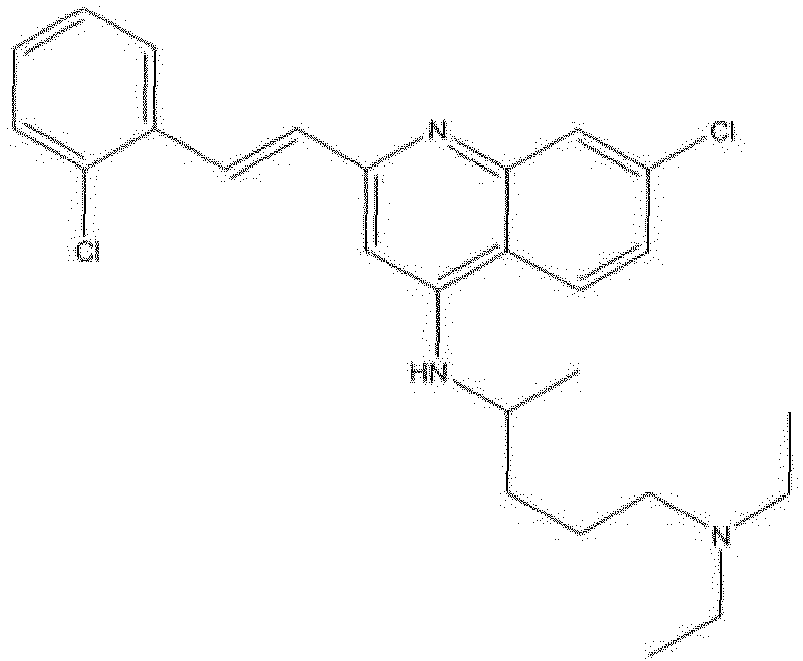
or a pharmaceutically acceptable salt thereof;
for use in a method for treating or preventing a small fiber peripheral neuropathy, in a subject, said method comprising topically administering said compound to a subject in need thereof.
or a pharmaceutically acceptable salt thereof;
for use in a method for treating or preventing a small fiber peripheral neuropathy, in a subject, said method comprising topically administering said compound to a subject in need thereof.
2. The compound for use according to of claim 1 the method further comprising the antecedent
step of determining that the subject is in need of said administration by detecting
the small fiber neuropathy in the subject, and the subsequent step of detecting a
resultant diminution of the small fiber neuropathy.
1. Verbindung der Formel:
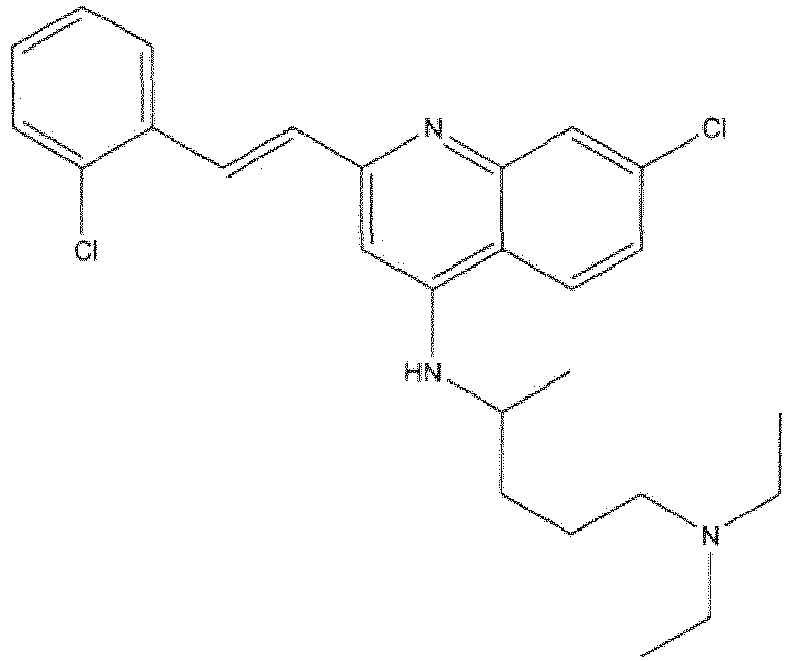
oder ein pharmazeutisch verträgliches Salz davon;
zur Verwendung in einem Verfahren zur Behandlung oder Vorbeugung einer peripheren Small-fiber-Neuropathie in einem Subjekt, wobei das Verfahren die topische Verabreichung der Verbindung an das Subjekt, das diese benötigt, umfasst.
oder ein pharmazeutisch verträgliches Salz davon;
zur Verwendung in einem Verfahren zur Behandlung oder Vorbeugung einer peripheren Small-fiber-Neuropathie in einem Subjekt, wobei das Verfahren die topische Verabreichung der Verbindung an das Subjekt, das diese benötigt, umfasst.
2. Die Verbindung zur Verwendung nach Anspruch 1, wobei das Verfahren ferner den vorgehenden
Schritt des Bestimmens, dass das Subjekt die Verabreichung benötigt, das Bestimmen
der Small-fiber-Neuropathie in dem Subjekt und den nachfolgenden Schritt des Bestimmens,
dass sich eine Verminderung der Small-fiber-Neuropathie ergeben hat, umfasst.
1. Composé de formule :
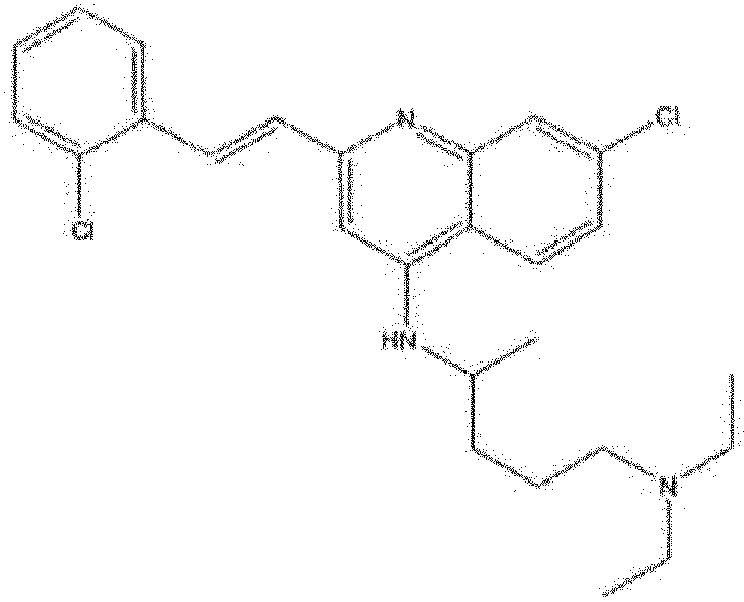
ou un sel pharmaceutiquement acceptable de celui-ci ;
pour une utilisation dans une méthode de traitement ou de prévention d'une neuropathie périphérique des petites fibres, chez un sujet, ladite méthode comprenant l'administration par voie topique dudit composé à un sujet en ayant besoin.
ou un sel pharmaceutiquement acceptable de celui-ci ;
pour une utilisation dans une méthode de traitement ou de prévention d'une neuropathie périphérique des petites fibres, chez un sujet, ladite méthode comprenant l'administration par voie topique dudit composé à un sujet en ayant besoin.
2. Composé pour une utilisation selon la revendication 1, la méthode comprenant en outre
l'étape antérieure consistant à déterminer si le sujet nécessite ladite administration
par détection de la neuropathie des petites fibres chez le sujet, et l'étape subséquente
consistant à détecter une diminution résultante de la neuropathie des petites fibres.
REFERENCES CITED IN THE DESCRIPTION
This list of references cited by the applicant is for the reader's convenience only. It does not form part of the European patent document. Even though great care has been taken in compiling the references, errors or omissions cannot be excluded and the EPO disclaims all liability in this regard.
Patent documents cited in the description
Non-patent literature cited in the description
- TOKUGAWA et al.Neurochem Intnl, 2003, vol. 42, 81-86 [0004]
- Zhurnal Obshchei Khimii, 1962, vol. 32, 2169-77 [0008]
- Syntheses in the isoquinoline series. Hofmann degradation of 1-phenyl-substituted 1,2,3,4-tetrahydroisoquinolinesRHEINER, A., JR.Helvetica Chimica ActaBrossi, A. F. Hoffmann-La Roche & Co.19620000vol. 45, 2590-600 [0008]
- YAKHONTOV, L. N.ZHIKHAREVA, G. P.MASTAFANOVA, L. I.EVSTRATOVA, M. I.PERSHIN, G. N.MOSKALENKO, N. YU.PUSHKINA, T. V.KUTCHAK, S. N.FADEEVA, N. I. et al.Synthesis and antileishmaniasis activity of 2-(2'-chlorostyryl)-4-(δ -diethylamino-α - methylbutylamino)-7-chloroquinazoline diphosphateVNIFI, Moscow, USSR. Khimiko-Farmatsevticheskii Zhurnal, 1987, vol. 21, 10023-113438-49 [0008]
- URITSKAYA, M. YA.ANISIMOVA, O. S.TUBINA, I. S.VINOKUROVA, T. YU.PERSHIN, G. N.MOSKALENKO, N. YU.GUS'KOVA, T. A.KUTCHAK, S. N.STEBAEVA, L. F. VSESReaction products of 4-[[4-(diethylamino)-1-methylbutyl]amino]-7-chloroquinaldine with o-chlorobenzaldehydeKhimiko-Farmatsevticheskii Zhurnal, 1983, vol. 17, 110023-11341334-40 [0008]
- N. R. HOLLAND et al.Ann Neurol, 1998, vol. 44, 47- [0032]
- D. LACOMISMuscle Nerve, 2002, vol. 26, 173- [0032]
- D. R. CORNBLATHA. HOKECurr Opin Neurol, 2006, vol. 19, 446- [0032]
- W. LUO et al.Neuron, 2007, vol. 54, 739- [0032]
- D. C. MOLLIVER et al.Neuron, 1997, vol. 19, 849- [0032]
- S. CHEN et al.Nat Neurosci, 2003, vol. 6, 1186- [0032]
- R. HELLWEGG. RAIVICHH. D. HARTUNGC. HOCKG. W. KREUTZBERGExp Neurol, 1994, vol. 130, 24- [0032]
- M. ZWICK et al.J Neurosci, 2002, vol. 22, 4057- [0032]
- Y. L. HSIEHH. CHIANGT. J. TSENGS. T. HSIEHJ Neuropathol Exp Neurol, 2008, vol. 67, 93- [0032]
- N. R. HOLLAND et al.Neurology, 1997, vol. 48, 708- [0032]
- K. TOKUGAWA et al.Neurochem Int, 2003, vol. 42, 81- [0032]
- D. J. EASTYD. C. BENNETTMelanoma Res, 2000, vol. 10, 401- [0032]
- F. J. LEJEUNED. RIMOLDID. SPEISERExpert Rev Anticancer Ther, 2007, vol. 7, 701- [0032]
- D. L. BENNETT et al.J Neurosci, 1998, vol. 18, 3059- [0032]
- D. PERRELET et al.Nat Cell Biol, 2002, vol. 4, 175- [0032]
- Q. YANJ. WANGC. R. MATHESONJ. L. URICHJ Neurobiol, 1999, vol. 38, 382- [0032]
- S. C. APFEL et al.Neurology, 1998, vol. 51, 695- [0032]
- J. C. MCARTHUR et al.Neurology, 2000, vol. 54, 1080- [0032]
- G. SCHIFITTO et al.Neurology, 2001, vol. 57, 1313- [0032]
- J. G. NUTT et al.Neurology, 2003, vol. 60, 69- [0032]
- S.K. AKKINA et al.Exp Neurol, 2001, vol. 167, 173- [0032]